Dogs Attacking a Boar (after a fresco from the Palace of Tiryns) — History & Facts
In the frenzy of life, destiny wields both beauty and brutality, illustrating the thin veil between predator and prey. First, look to the center of the canvas where a wild boar, formidable yet vulnerable, stands its ground. The dogs, fierce and resolute, leap from the corners of the scene, their powerful forms painted with vigorous, sweeping strokes that convey motion and urgency. Notice how the artist employs a palette of earthy tones, punctuated by vibrant flashes of white and brown, to create a dynamic interplay of light and shadow, emphasizing the struggle and raw energy of the moment. Delve deeper into the details: the snarling expressions of the dogs, brimming with instinct, intersect with the boar’s defiance, reflecting an eternal dance of survival.
The background, abstract and muted, suggests the chaos of the natural world, while the foreground focuses all attention on the confrontation, blending fate and ferocity. Each brushstroke tells a story of struggle and desperation, a reminder that life is often a battleground where instinct reigns supreme. The artwork emerges from the late 19th to early 20th century, a time characterized by a fascination with classical themes and a rediscovery of ancient motifs. The unidentified artist may have been influenced by the archaeological finds of the period, drawing inspiration from the frescoes of the Palace of Tiryns.
In an era where the natural world was being rapidly transformed by industrialization, such themes resonated deeply, capturing a gritty essence of existence that transcended time and spoke to humanity’s unyielding connection to nature.
More Artworks by Unidentified artist
Browse all →
Self-portrait with a Bandaged Ear and Pipe
Unidentified artist

Feast in the House of Levi
Unidentified artist
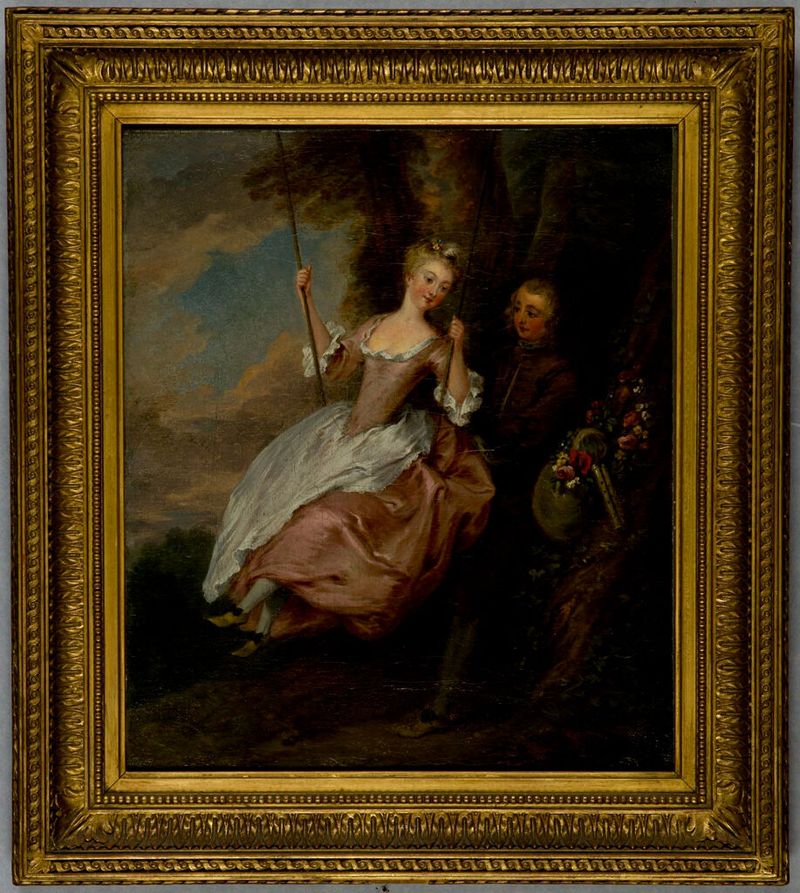
The Swing
Unidentified artist

Geoffrey Chaucer (1340?-1400)
Unidentified artist

Portrait of Michelangelo after the "Strozzi" original in the Uffizi Gallery
Unidentified artist
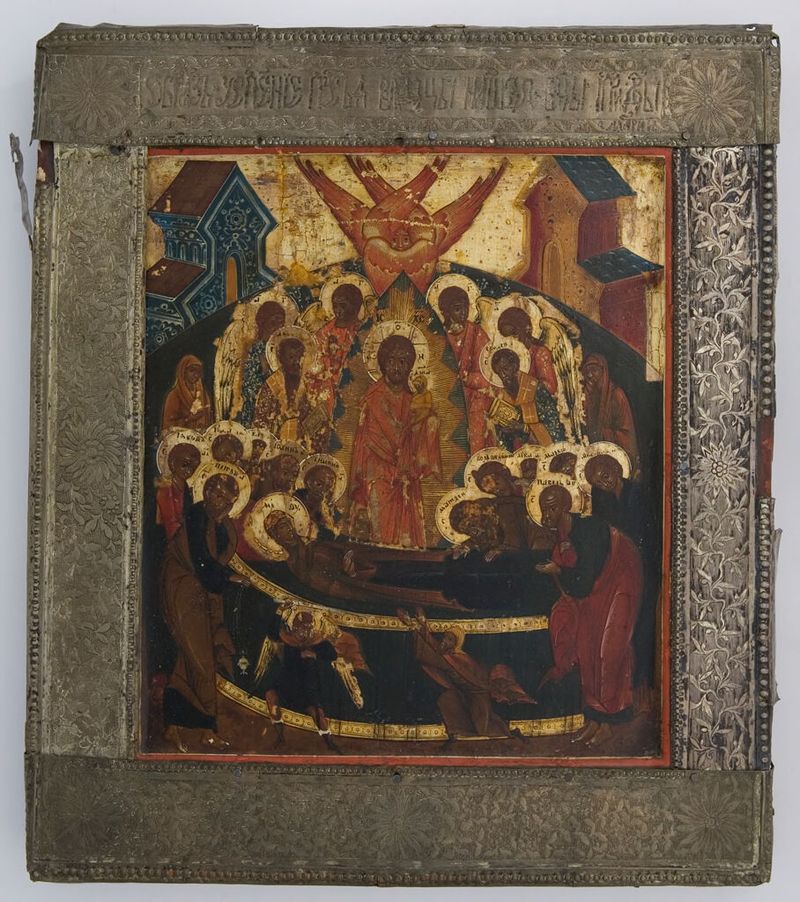
Dormition of the Virgin
Unidentified artist

Charles I (after a van Dyck painting in the Staatliche Museen, Gemaldegalerie, Dresden)
Unidentified artist

Madonna and Child
Unidentified artist

John Winthrop, the Younger (1606-1676)
Unidentified artist

Crucifix with the Virgin and Saint John the Evangelist, Christ the Redeemer, and a Praying Woman
Unidentified artist