
Dood van Cleopatra — History & Facts
What if silence could speak through light? In the delicate interplay of shadows and luminescence, beauty emerges even from the depths of despair. Look to the elegant figure at the center, draped in flowing garments that cascade around her like whispers of a forgotten era. Notice how the soft glow envelops her face, illuminating the serene yet haunting expression that captures her final moments. The intricate details in the fabric, rendered with meticulous precision, contrast beautifully with the starkness of the surrounding darkness, guiding the eye to the poignant stillness of her pose. This composition invites contemplation on the juxtaposition of life and death, beauty and tragedy.
The vibrant hues of red and gold symbolize both the allure of power and the inevitable decay it brings. Smaller elements, such as the subtle curl of her fingers or the glint of a jeweled headpiece, accentuate the emotional weight of her fate, transforming this moment into a meditation on mortality, desire, and the fleeting nature of beauty. Created in 1529, this piece emerged from Beham’s studio in Nuremberg, during a time when the Renaissance was flourishing in Europe. As an artist grappling with themes of life and beauty, he found himself in a world straddling medieval traditions and burgeoning humanist ideals.
Art was a medium for deep reflection, and Dood van Cleopatra stands as a testament to those complex tensions, encapsulating a moment of elegance poised on the brink of oblivion.
More Artworks by Hans Sebald Beham
Browse all →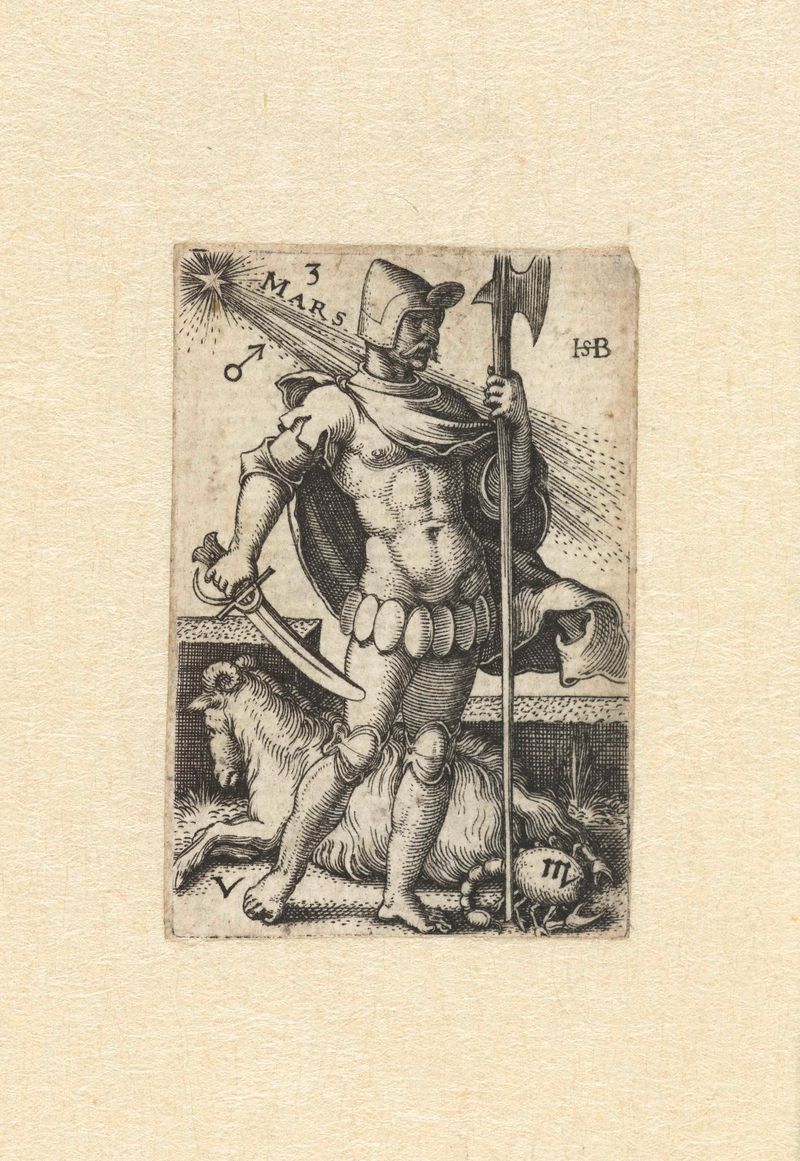
Mars met sterrenbeelden Ram en Schorpioen
Hans Sebald Beham

Achilles in gevecht met Hector
Hans Sebald Beham
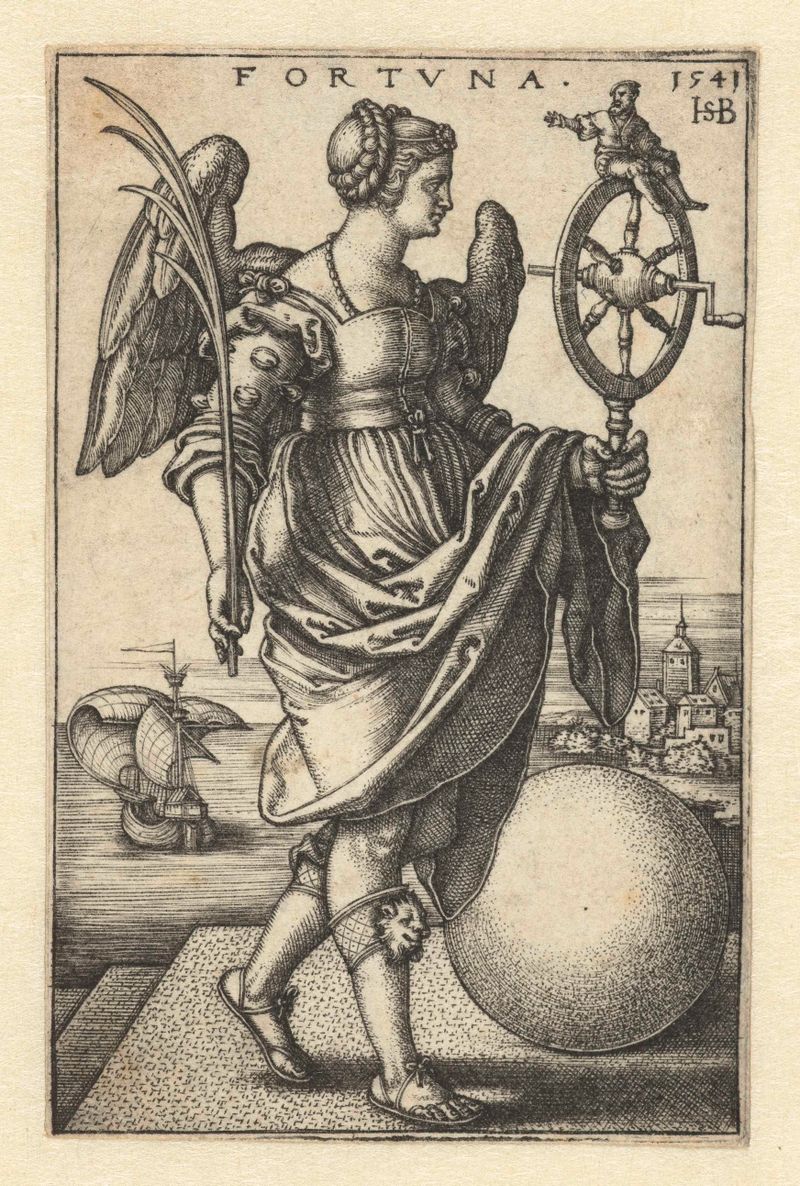
Fortuna
Hans Sebald Beham

Hercules worstelt met Antaeus
Hans Sebald Beham

Twee muzikanten met schalmey en doedelzak
Hans Sebald Beham

Voorzichtigheid (Prudentia)
Hans Sebald Beham

Hercules in gevecht met de Trojanen
Hans Sebald Beham
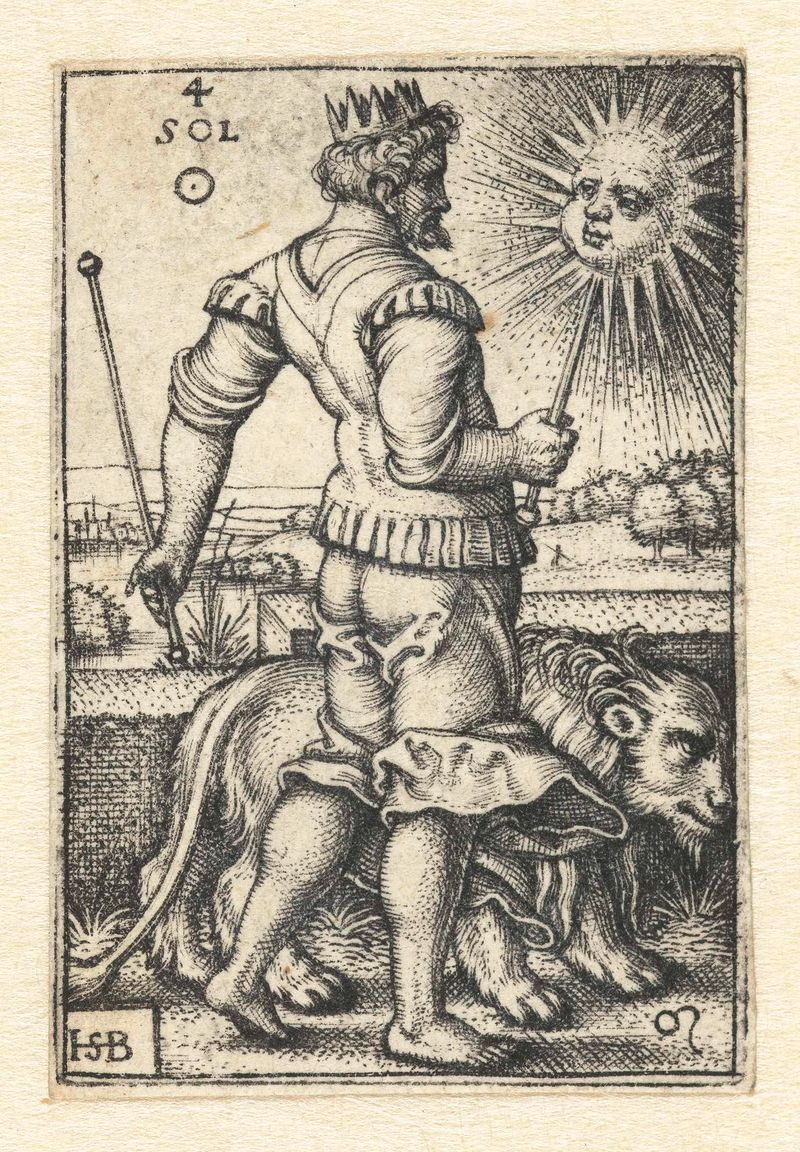
Apollo (Sol) met sterrenbeeld Leeuw
Hans Sebald Beham
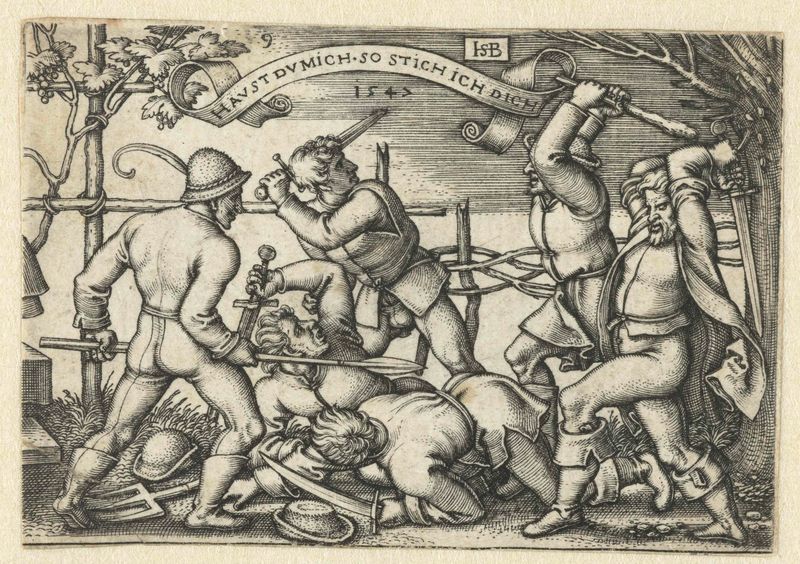
Vechtende boeren met zwaarden
Hans Sebald Beham
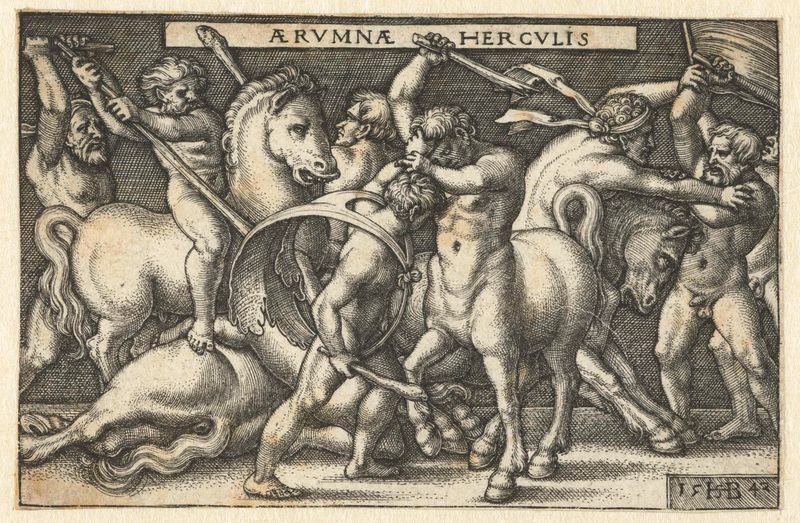
Hercules in gevecht met centaurs
Hans Sebald Beham
More Historical Art
Browse all →
The Night Watch Militia Company of District II under the Command of Captain Frans Banninck Cocq
Rembrandt van Rijn

Lincoln Memorial
Henry Bacon

The Third of May 1808
Francisco de Goya

Isaac and Rebecca, Known as ‘The Jewish Bride’
Rembrandt van Rijn

The Charge of the Mamelukes (1814)
Francisco de Goya

De vier ruiters van de apocalyps
Albrecht Dürer