
Dood van Cleopatra — History & Facts
Could beauty survive in a century of chaos? This question resonates profoundly in a world where art strives to capture fleeting moments of grace amidst turbulence. Look to the center of the composition, where Cleopatra's lifeless form lies, her regal features still hauntingly beautiful despite the dark fate that has befallen her. The artist employs a stark contrast of light and shadow, enhancing the ethereal quality of her skin against the somber tones of her surroundings. Delicate details, like the intricate folds of her garments and the opulent jewelry that adorns her, draw the viewer’s eye, almost inviting admiration for her beauty even in death. As you examine the scene, notice the subtle interplay between life and death; the vivid reds and golds evoke a sense of lost vitality, while the cool blues in the background suggest an impending void.
The positioning of her body, draped with elegance yet marked by stillness, highlights the tension between her past grandeur and present demise. Each element reveals an emotional dichotomy: the splendor of her life contrasted with the somber reality of her fate. Painted between 1510 and 1550, this piece reflects the artist’s engagement with themes of mortality and beauty during the Renaissance, a period rife with political upheaval and religious transformation. Beham, based in Nuremberg, was part of a movement that sought to explore the human condition, often through allegorical narratives.
His work captured a moment where the idealized beauty of figures like Cleopatra served as both a celebration and a somber reminder of the fragility of life amidst the chaos of the time.
More Artworks by Hans Sebald Beham
Browse all →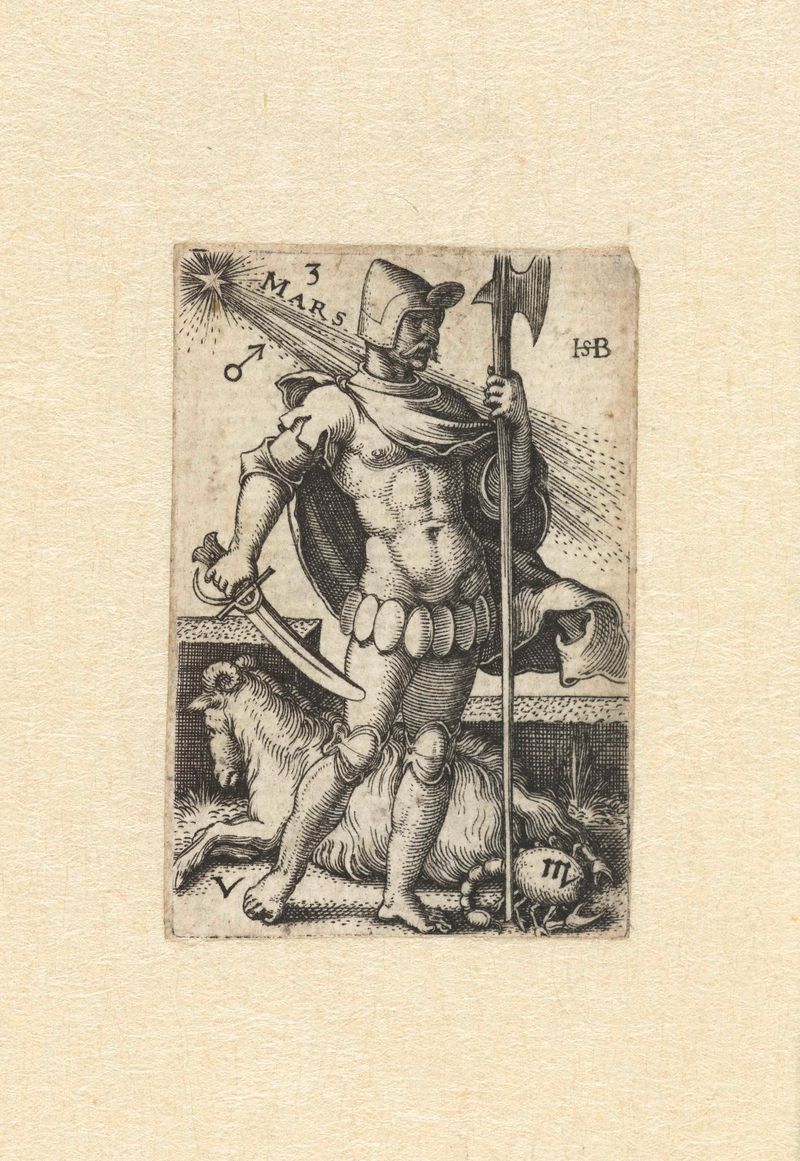
Mars met sterrenbeelden Ram en Schorpioen
Hans Sebald Beham

Achilles in gevecht met Hector
Hans Sebald Beham
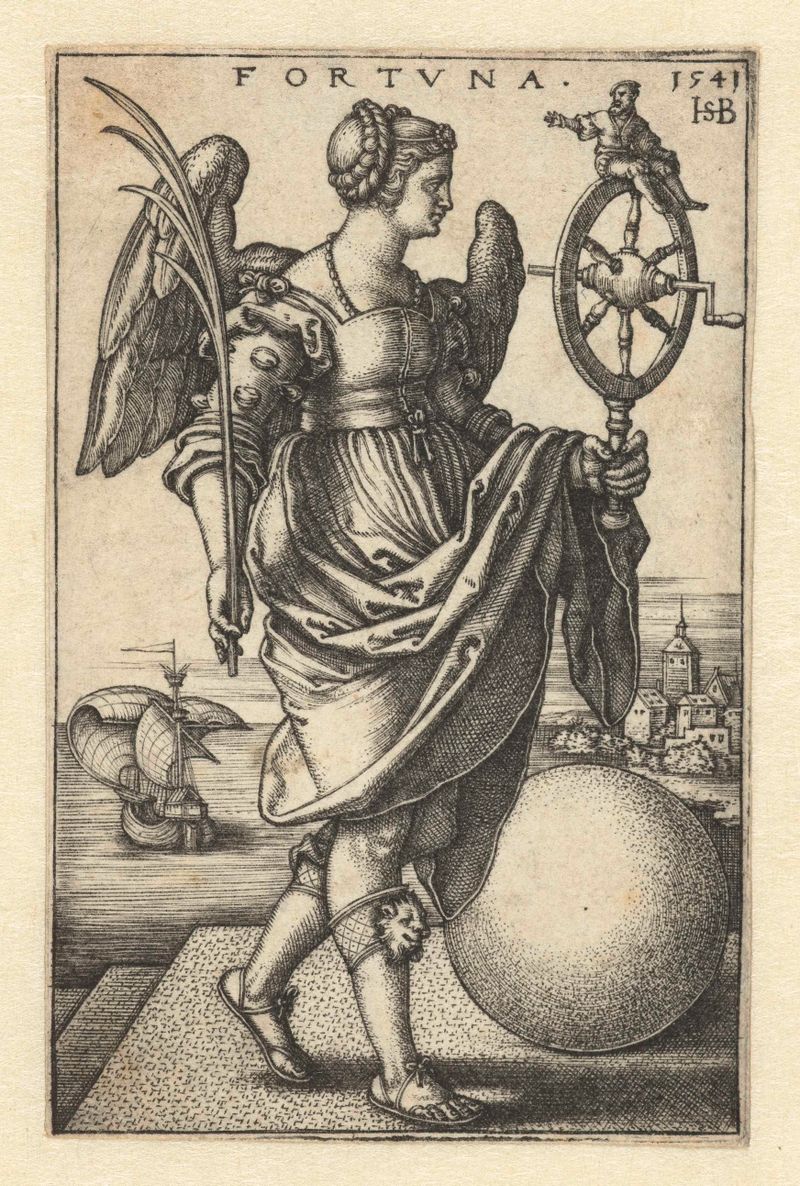
Fortuna
Hans Sebald Beham

Hercules worstelt met Antaeus
Hans Sebald Beham

Twee muzikanten met schalmey en doedelzak
Hans Sebald Beham

Voorzichtigheid (Prudentia)
Hans Sebald Beham

Hercules in gevecht met de Trojanen
Hans Sebald Beham
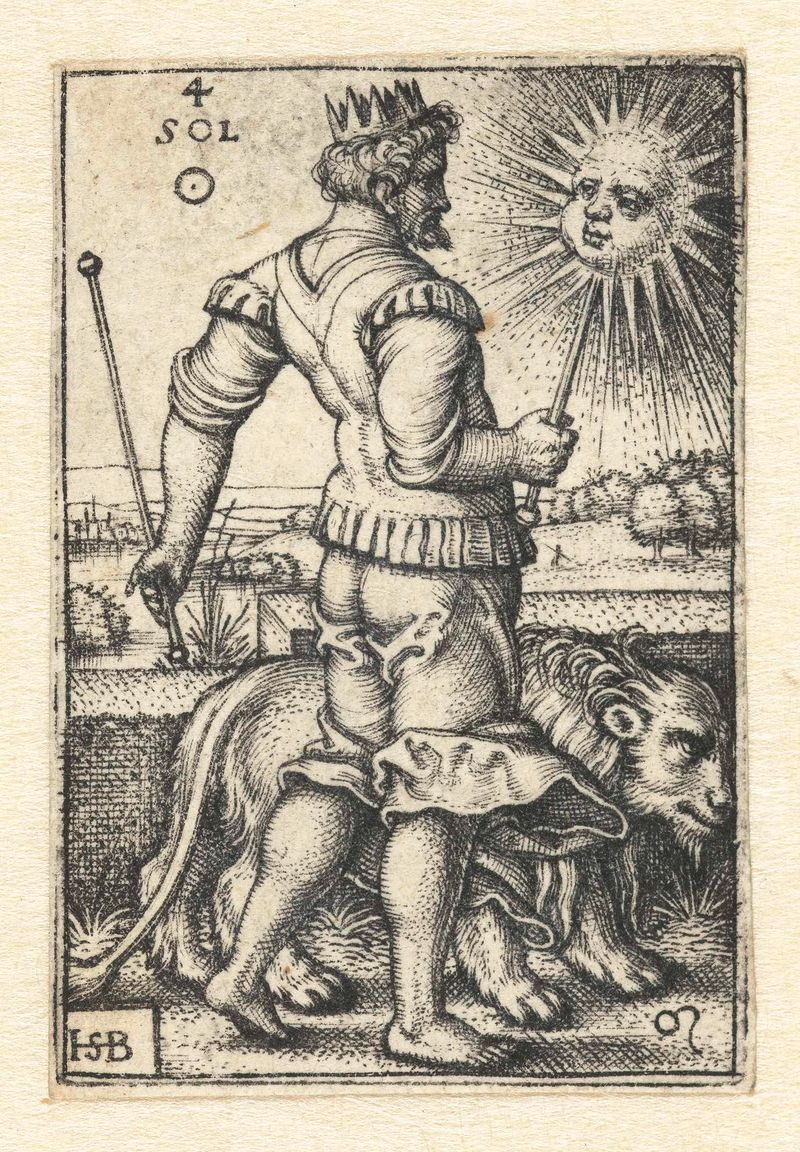
Apollo (Sol) met sterrenbeeld Leeuw
Hans Sebald Beham
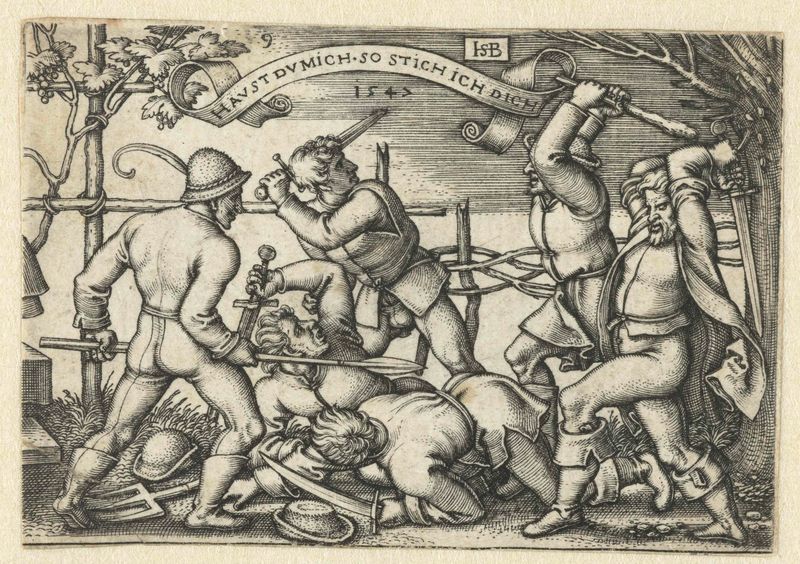
Vechtende boeren met zwaarden
Hans Sebald Beham
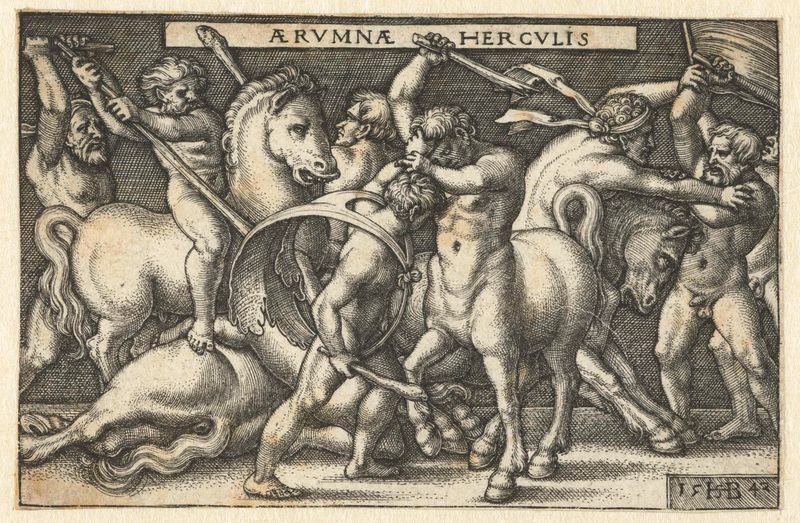
Hercules in gevecht met centaurs
Hans Sebald Beham
More Historical Art
Browse all →
The Night Watch Militia Company of District II under the Command of Captain Frans Banninck Cocq
Rembrandt van Rijn

Lincoln Memorial
Henry Bacon

The Third of May 1808
Francisco de Goya

Isaac and Rebecca, Known as ‘The Jewish Bride’
Rembrandt van Rijn

The Charge of the Mamelukes (1814)
Francisco de Goya

De vier ruiters van de apocalyps
Albrecht Dürer