
Dood van Lucretia — History & Facts
In the intricate dance of illusion, how do we discern the depths of despair and the flicker of hope? Focus on the somber figures in Dood van Lucretia, observing the poignant moment captured in muted tones. The stark contrast between the dark clothing and the pale skin of Lucretia draws your gaze immediately; her lifeless body lies at the center, surrounded by the mournful expressions of her companions. Notice the rich texture of their garments, rendered with meticulous detail, which speaks to the artist’s skill in blending realism with a spiritual undertone.
The interplay of light enhances the gravity of the scene, illuminating their faces while the shadows linger, amplifying the emotional tension. As you delve deeper, consider the layered meanings this piece evokes. The composition reveals not just a moment of death but a commentary on honor and sacrifice—how a woman's fate becomes intertwined with the moral fabric of society. The positioning of the mourners suggests an intimate connection, yet their expressions reflect an isolation borne from grief, encapsulating the duality of communal sorrow and individual despair.
Further, the drapery cascading from Lucretia hints at the fragility of life, juxtaposing beauty with the brutal reality of her fate. Hans Sebald Beham painted this work in 1519, a time when he was navigating the complex artistic landscape of the Northern Renaissance. Living in Nuremberg, he was influenced by the humanist ideals of the era, which sought to explore the human condition through art. This painting reflects his engagement with classical themes, reinterpreting them through a lens that challenges the viewer to confront the complexities of morality and emotion in a rapidly changing world.
More Artworks by Hans Sebald Beham
Browse all →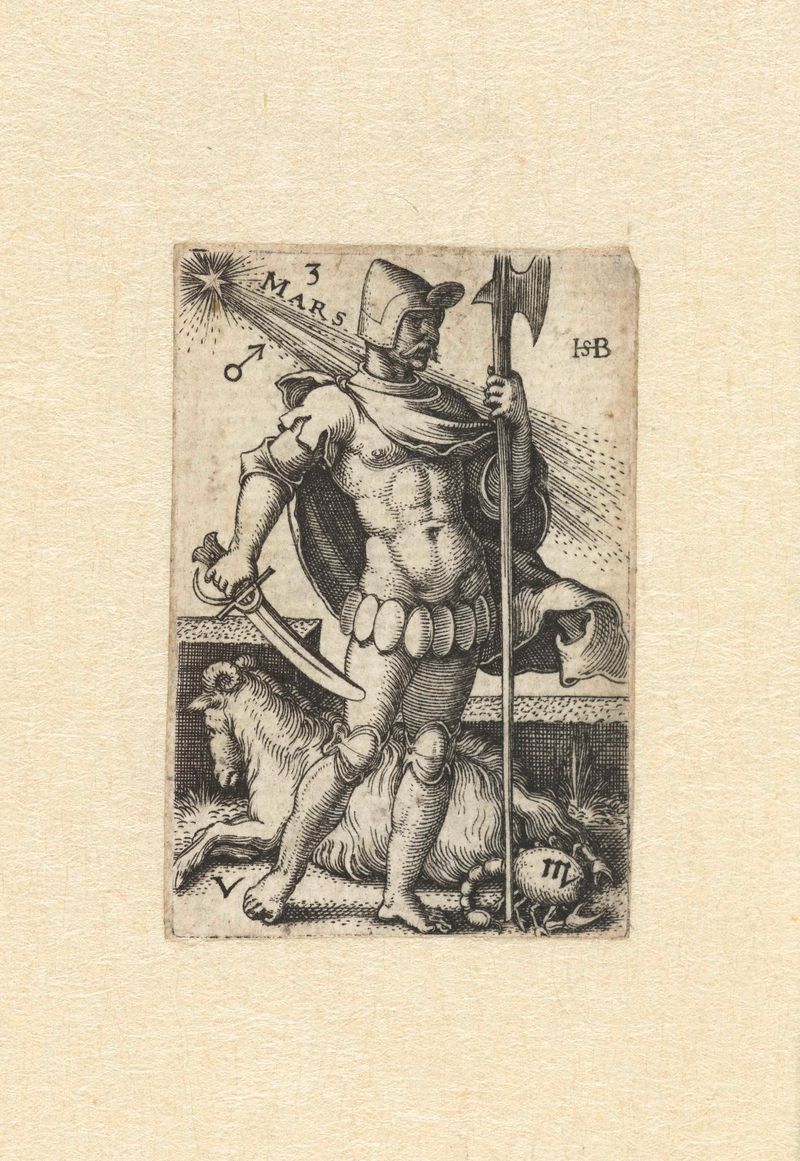
Mars met sterrenbeelden Ram en Schorpioen
Hans Sebald Beham

Achilles in gevecht met Hector
Hans Sebald Beham
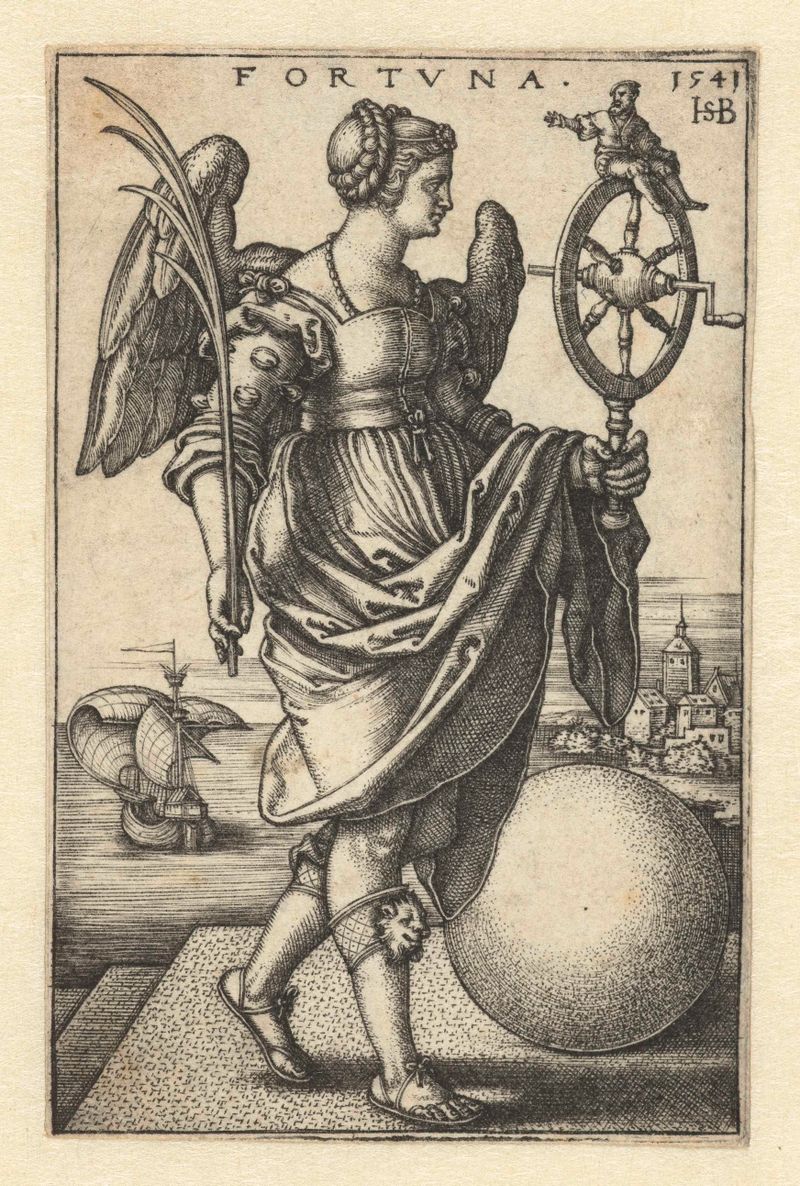
Fortuna
Hans Sebald Beham

Hercules worstelt met Antaeus
Hans Sebald Beham

Twee muzikanten met schalmey en doedelzak
Hans Sebald Beham

Voorzichtigheid (Prudentia)
Hans Sebald Beham

Hercules in gevecht met de Trojanen
Hans Sebald Beham
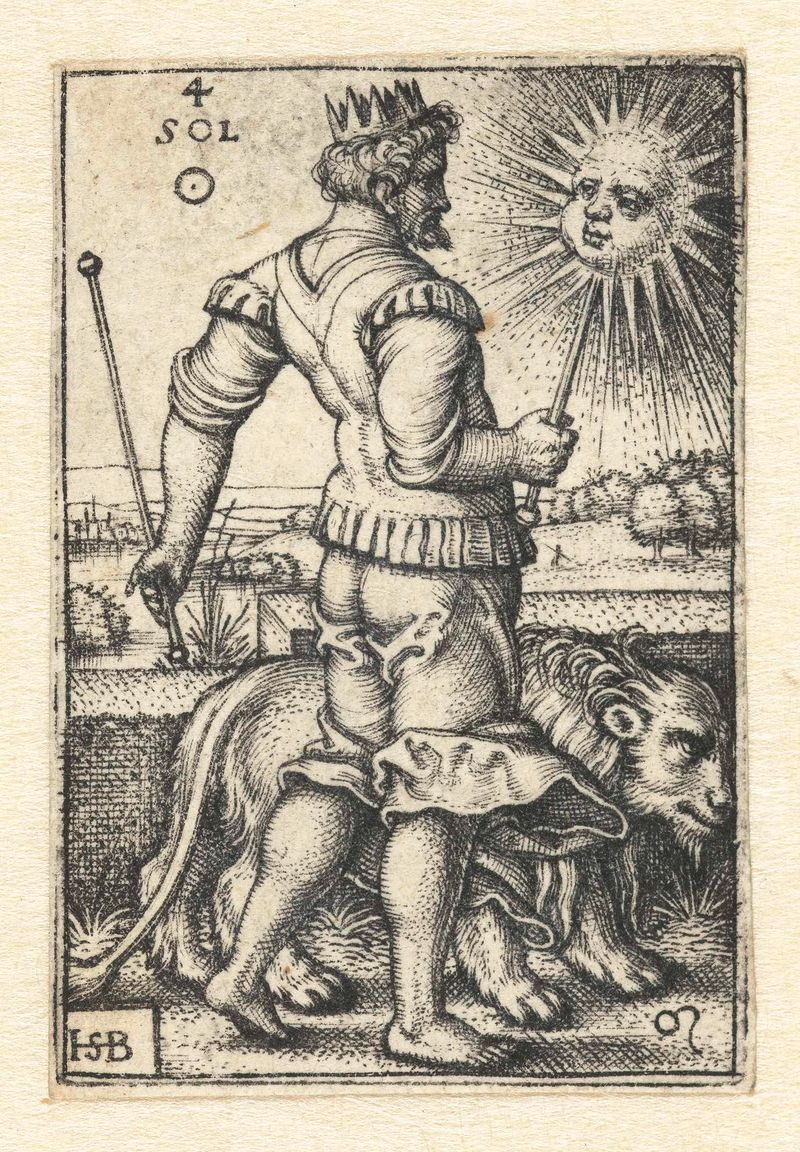
Apollo (Sol) met sterrenbeeld Leeuw
Hans Sebald Beham
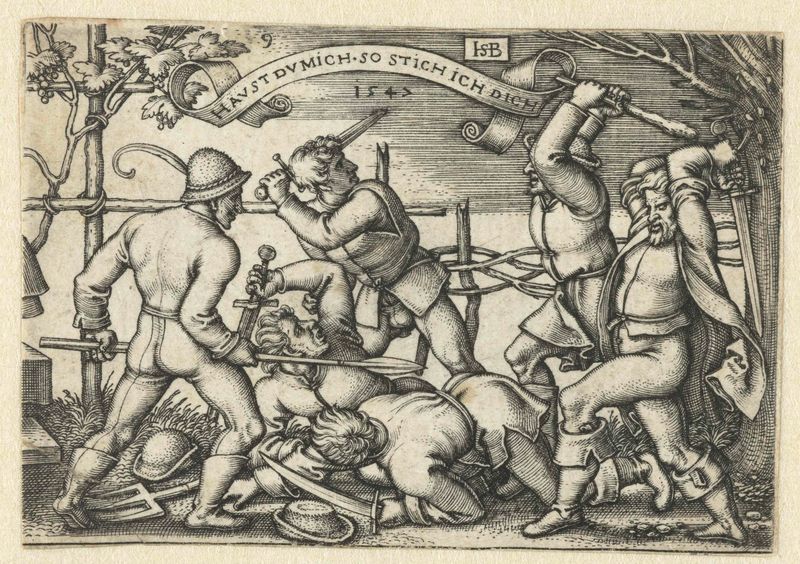
Vechtende boeren met zwaarden
Hans Sebald Beham
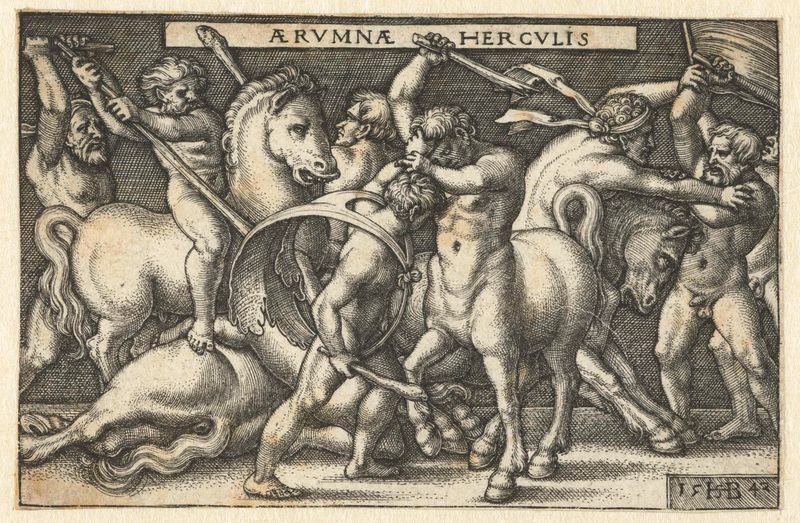
Hercules in gevecht met centaurs
Hans Sebald Beham
More Historical Art
Browse all →
The Night Watch Militia Company of District II under the Command of Captain Frans Banninck Cocq
Rembrandt van Rijn

Lincoln Memorial
Henry Bacon

The Third of May 1808
Francisco de Goya

Isaac and Rebecca, Known as ‘The Jewish Bride’
Rembrandt van Rijn

The Charge of the Mamelukes (1814)
Francisco de Goya

De vier ruiters van de apocalyps
Albrecht Dürer