
Dood van Lucretia — History & Facts
When did color learn to lie? In the stark contrast of black and white, the emotional weight of loss becomes palpable, revealing the silent despair that lingers in the aftermath of tragedy. Look to the left, where Lucretia’s pale figure dominates the canvas, her delicate features washed in a somber hue that echoes her despair. Notice how the bold strokes of ink and the lack of vibrant color amplify the gravity of her sorrow, drawing the eye to the fine details of her attire, which drapes around her with both elegance and a profound sense of resignation. The interplay of shadows enhances the somber mood, leaving the viewer to wrestle with the dichotomy between her beauty and the anguish etched upon her face. As your gaze shifts across the composition, consider the symbolism embedded within this moment.
The dagger, held with an almost tender grip, is not merely a tool of violence but a representation of agency in despair. Each line of Beham’s intricate design invites contemplation of honor, shame, and the heavy burden of choices made in the shadow of societal expectations. The starkness of the scene heightens the tension between life and death, rendering Lucretia not just a figure of tragedy but a complex reflection on the female experience in a world that often constrains. Created in the early 16th century, this work emerged during a time when Beham was deeply involved in the burgeoning German Renaissance, exploring themes that bridged art and human emotion.
Living in Nuremberg, he navigated a cultural landscape rich with intellectual discourse, yet marked by profound societal shifts, making Lucretia’s tale a resonant exploration of personal and collective loss amid a backdrop of change.
More Artworks by Hans Sebald Beham
Browse all →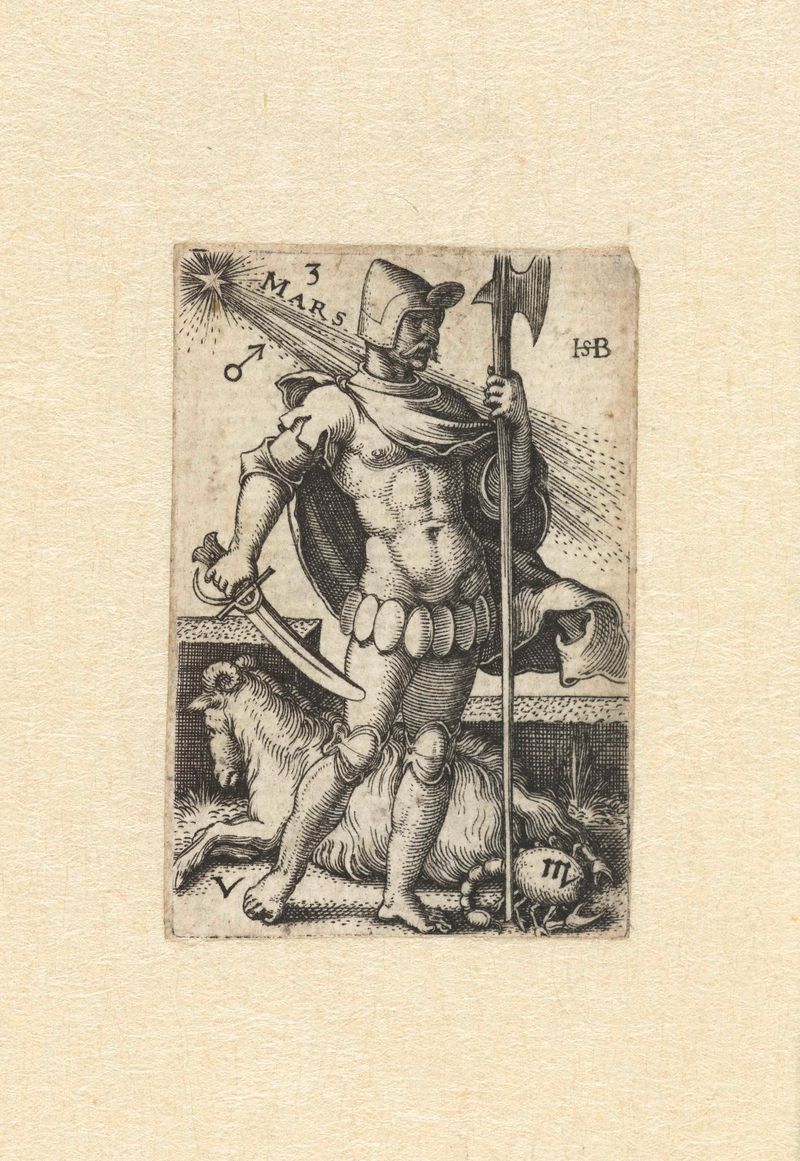
Mars met sterrenbeelden Ram en Schorpioen
Hans Sebald Beham

Achilles in gevecht met Hector
Hans Sebald Beham
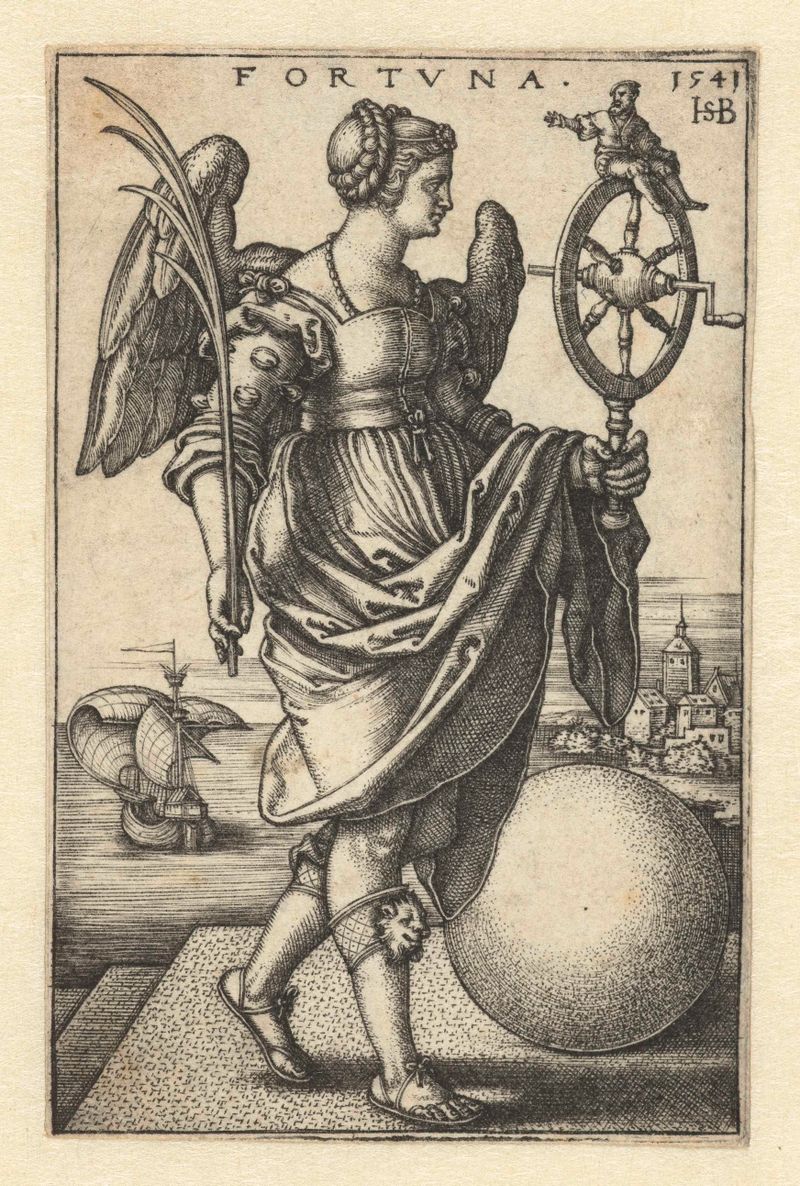
Fortuna
Hans Sebald Beham

Hercules worstelt met Antaeus
Hans Sebald Beham

Twee muzikanten met schalmey en doedelzak
Hans Sebald Beham

Voorzichtigheid (Prudentia)
Hans Sebald Beham

Hercules in gevecht met de Trojanen
Hans Sebald Beham
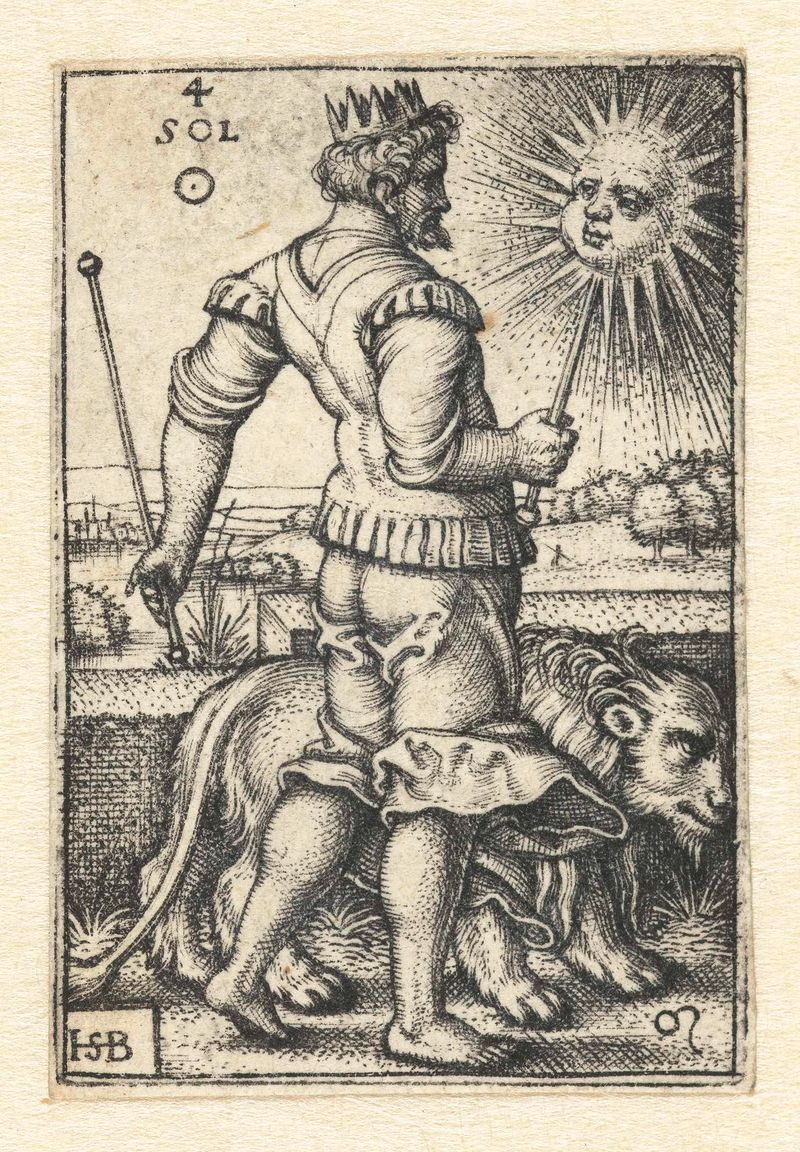
Apollo (Sol) met sterrenbeeld Leeuw
Hans Sebald Beham
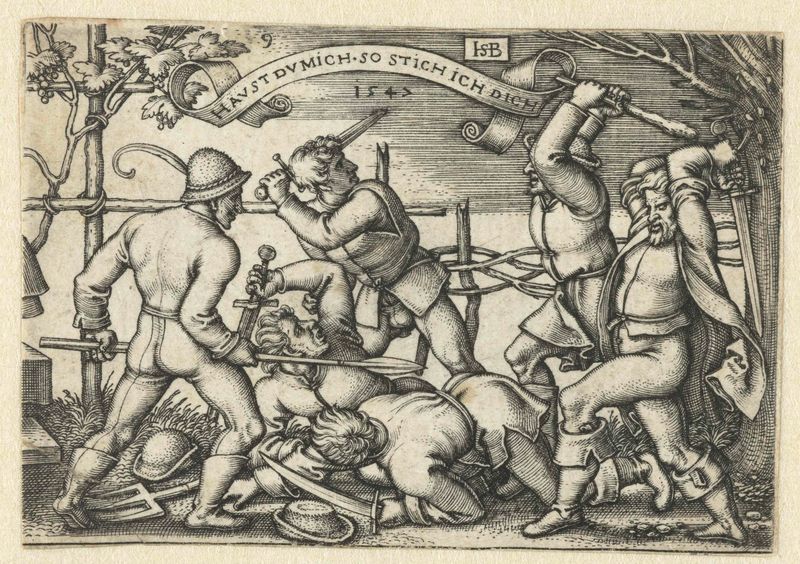
Vechtende boeren met zwaarden
Hans Sebald Beham
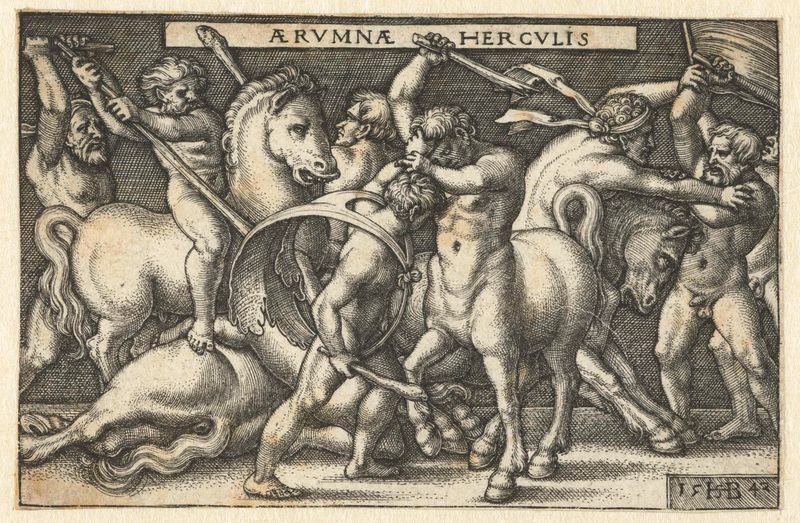
Hercules in gevecht met centaurs
Hans Sebald Beham
More Historical Art
Browse all →
The Night Watch Militia Company of District II under the Command of Captain Frans Banninck Cocq
Rembrandt van Rijn
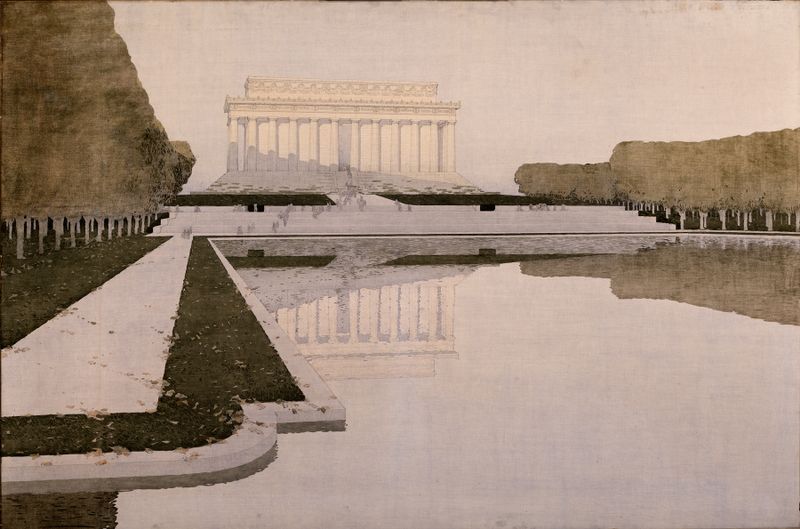
Lincoln Memorial
Henry Bacon
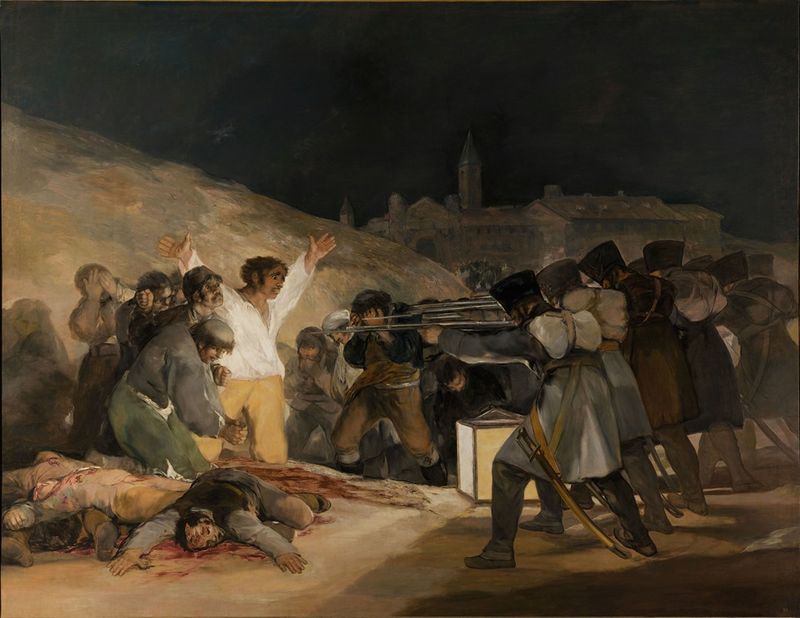
The Third of May 1808
Francisco de Goya

Isaac and Rebecca, Known as ‘The Jewish Bride’
Rembrandt van Rijn
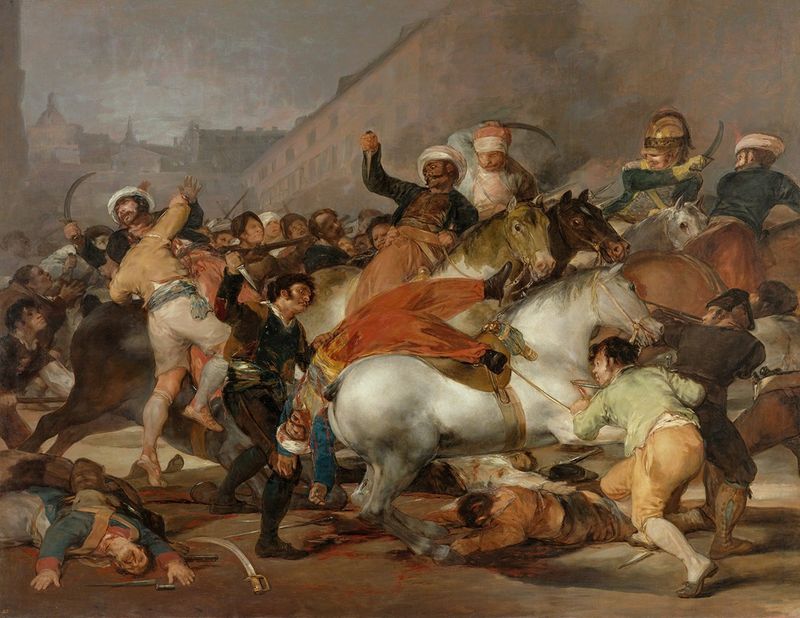
The Charge of the Mamelukes (1814)
Francisco de Goya

De vier ruiters van de apocalyps
Albrecht Dürer