
Doornenkroning — History & Facts
In the stillness of Doornenkroning, one feels a profound yearning, a reflection of both pain and transcendence entwined in a single moment. It invites the viewer to contemplate the depth of sorrow and the solace of sacrifice, evoking a longing that resonates with the human condition. Focus on the intricate details surrounding the central figure, crowned with thorns. Notice how the delicate lines of the crown contrast sharply with the overall somber tones of the composition, drawing the eye towards the poignant expression.
The interplay of light and shadow enhances the emotional weight, emphasizing the struggle and suffering encapsulated within the work. The muted palette, punctuated by subtle hints of gold, invites a contemplative gaze, leading you deeper into the narrative. Within the folds of the garment lie hidden meanings of redemption and the duality of suffering. The thorns, sharp and unforgiving, symbolize both torment and sacrifice, while the serene expression on the face suggests an acceptance of fate.
This juxtaposition of pain and grace reveals a profound emotional tension, urging viewers to reflect on the complexities of faith and the human experience. Each brushstroke seems to whisper stories of longing and resilience, inviting a silent dialogue between the observer and the artwork. Albrecht Dürer painted Doornenkroning in 1509 during a pivotal time in his life. He was returning to Nuremberg after extensive travels through Italy, where he absorbed Renaissance ideas and techniques.
This period marked a significant evolution in his artistic style, as he sought to merge classical beauty with Northern European tradition, reflecting the broader changes in the art world as it transitioned into the High Renaissance.
More Artworks by Albrecht Dürer
Browse all →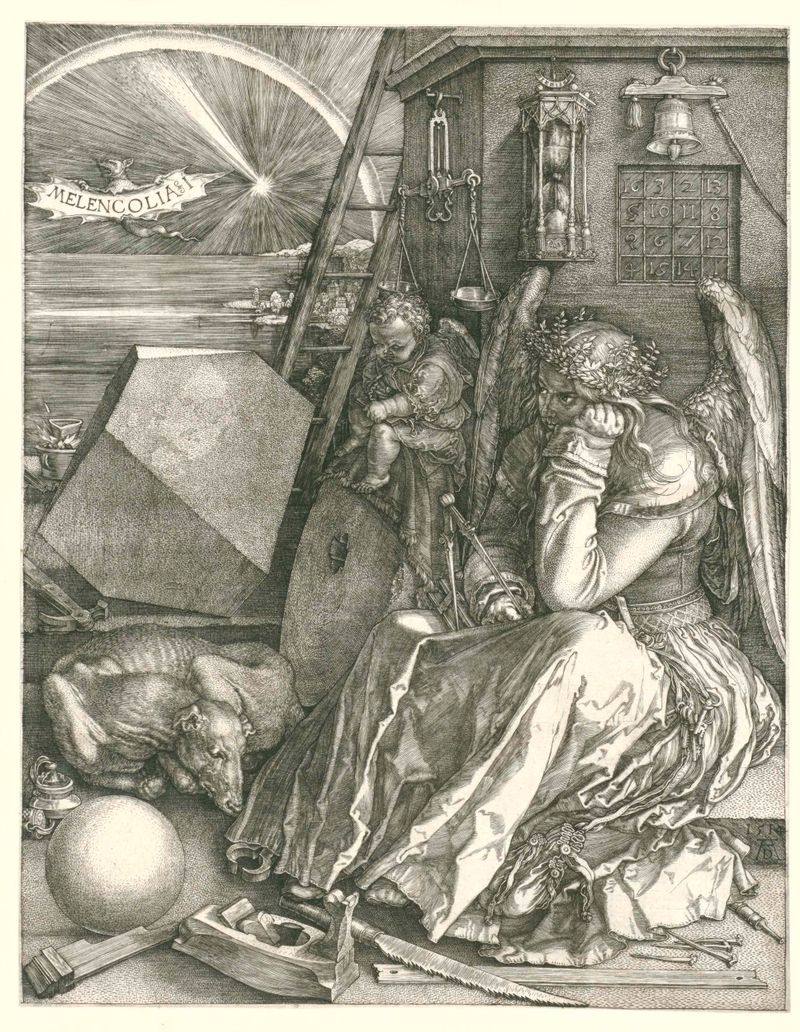
Melancholia
Albrecht Dürer
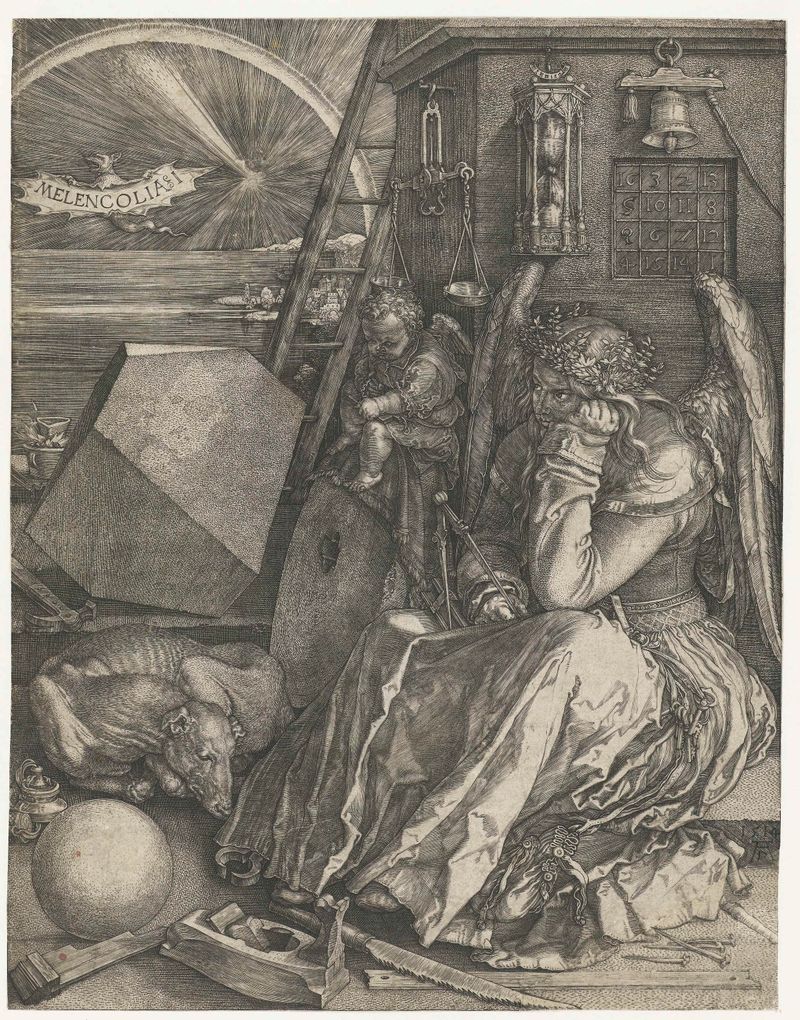
Melancholie
Albrecht Dürer
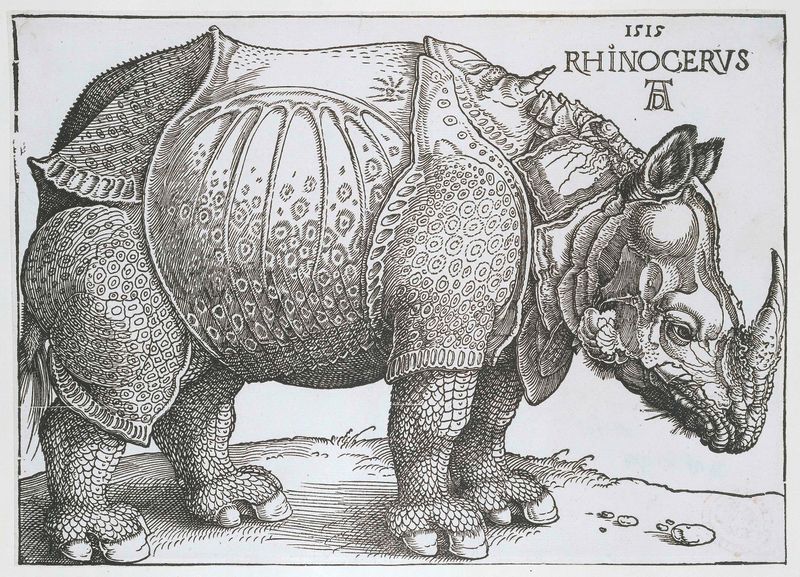
Neushoorn
Albrecht Dürer
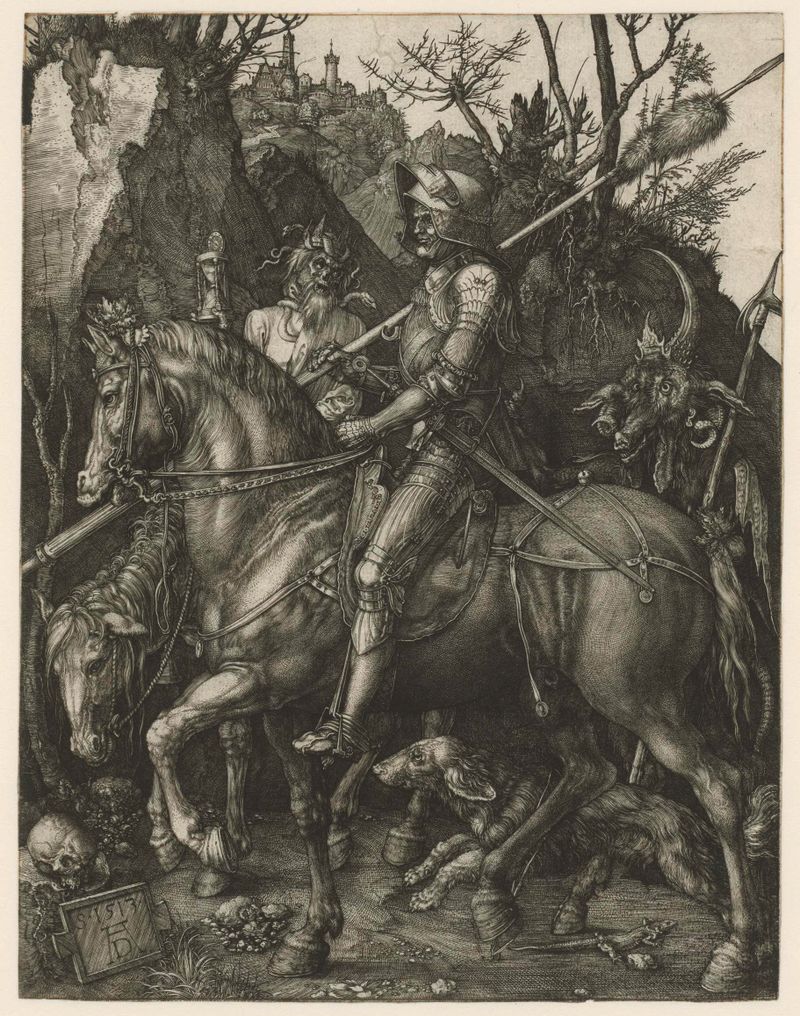
Knight, Death, and the Devil
Albrecht Dürer

De vier ruiters van de apocalyps
Albrecht Dürer

De vier ruiters van de apocalyps
Albrecht Dürer
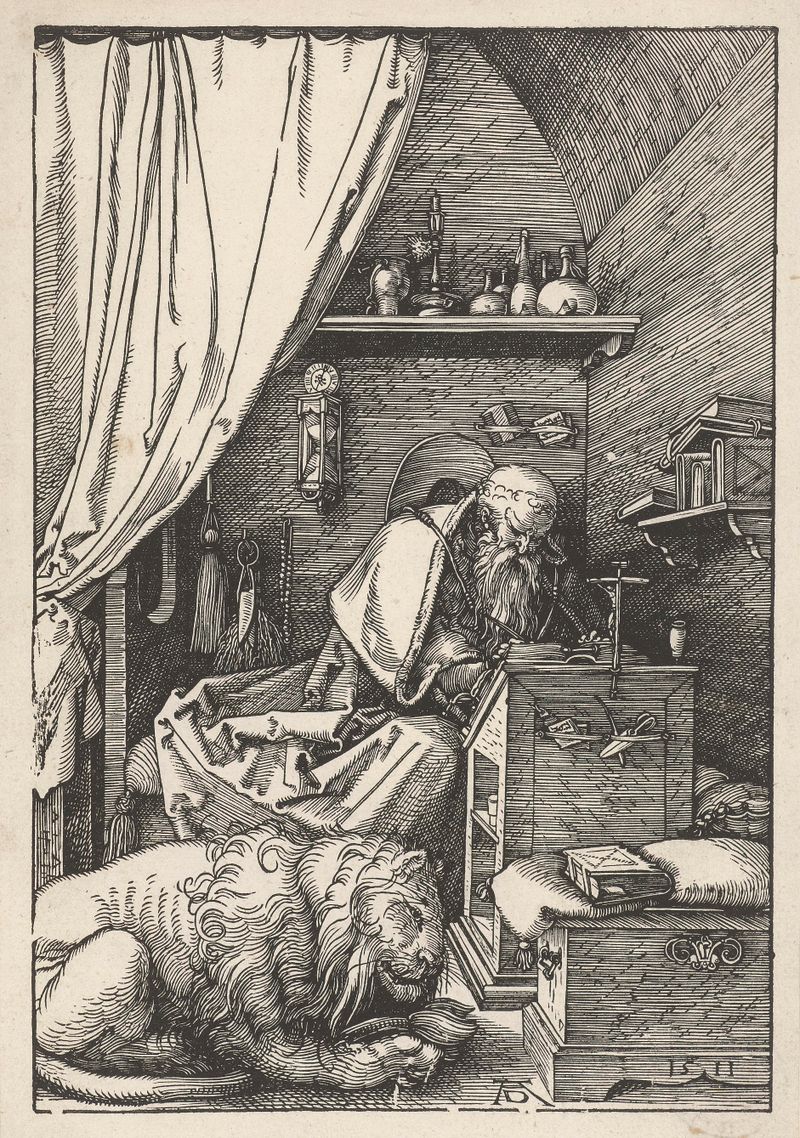
De Heilige Hiëronymus in zijn studeervertrek
Albrecht Dürer
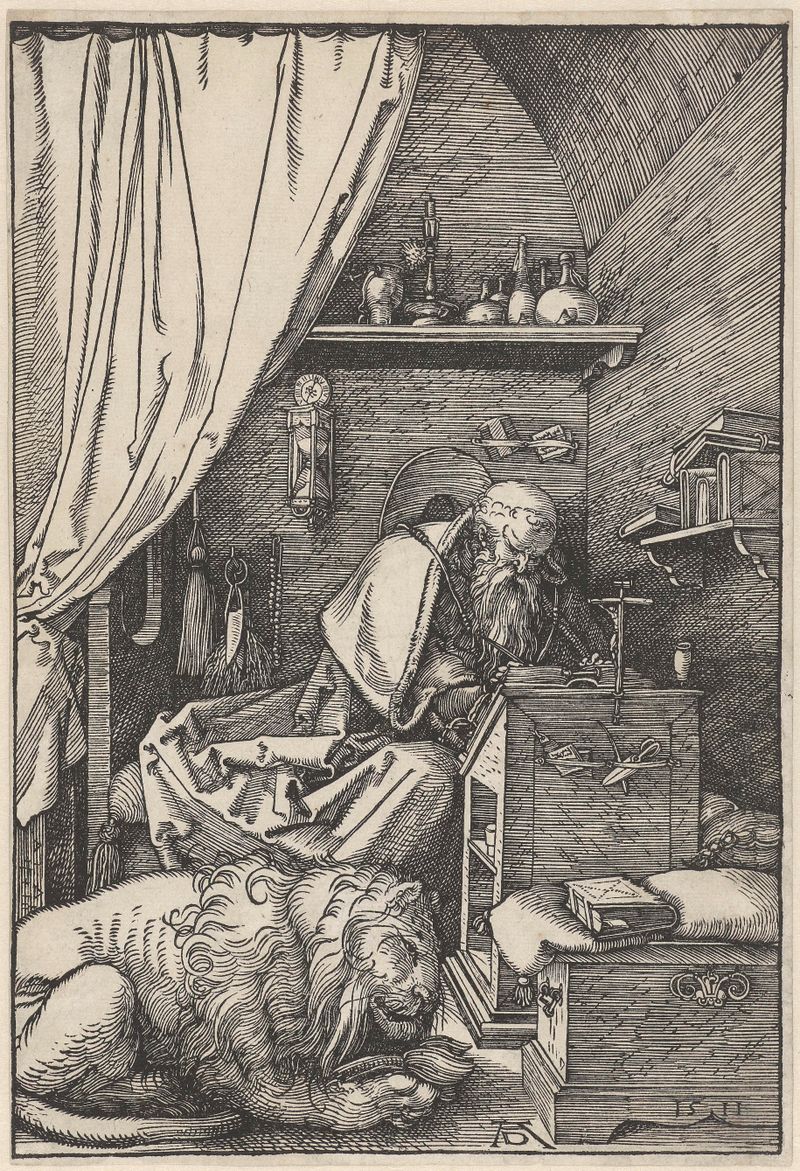
De Heilige Hiëronymus in zijn studeervertrek
Albrecht Dürer
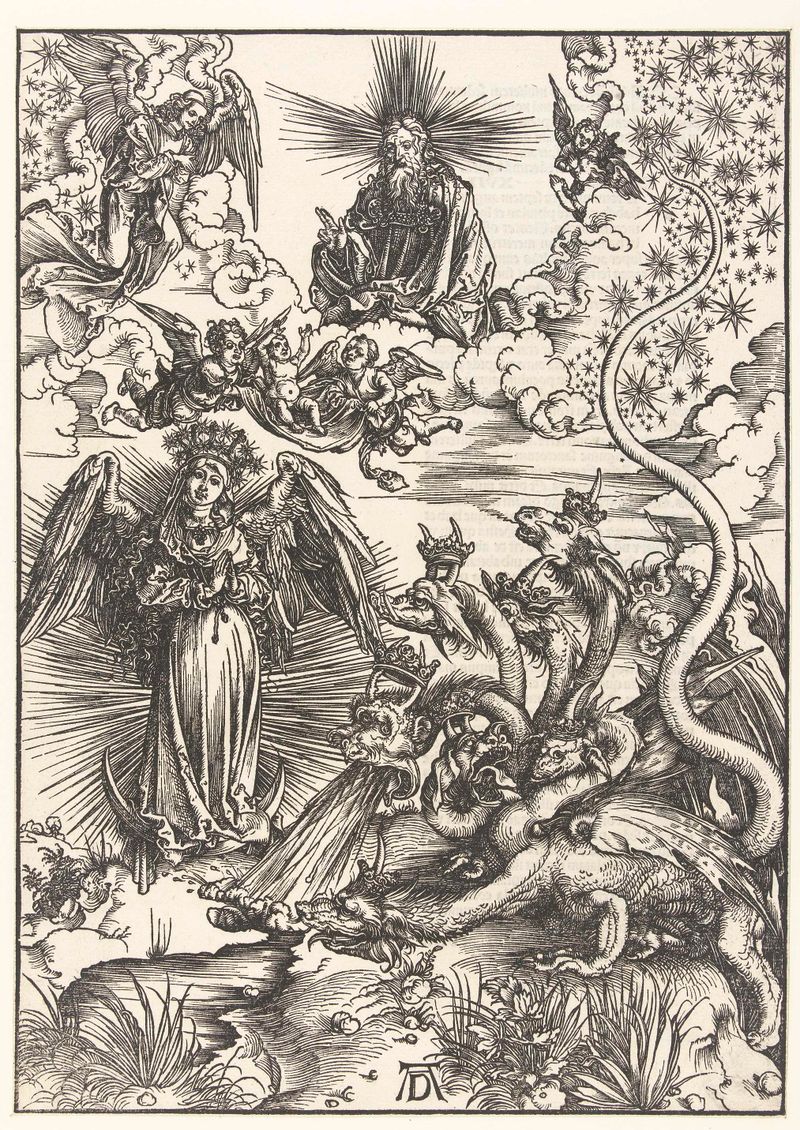
De apocalyptische vrouw en de zevenkoppige draak
Albrecht Dürer
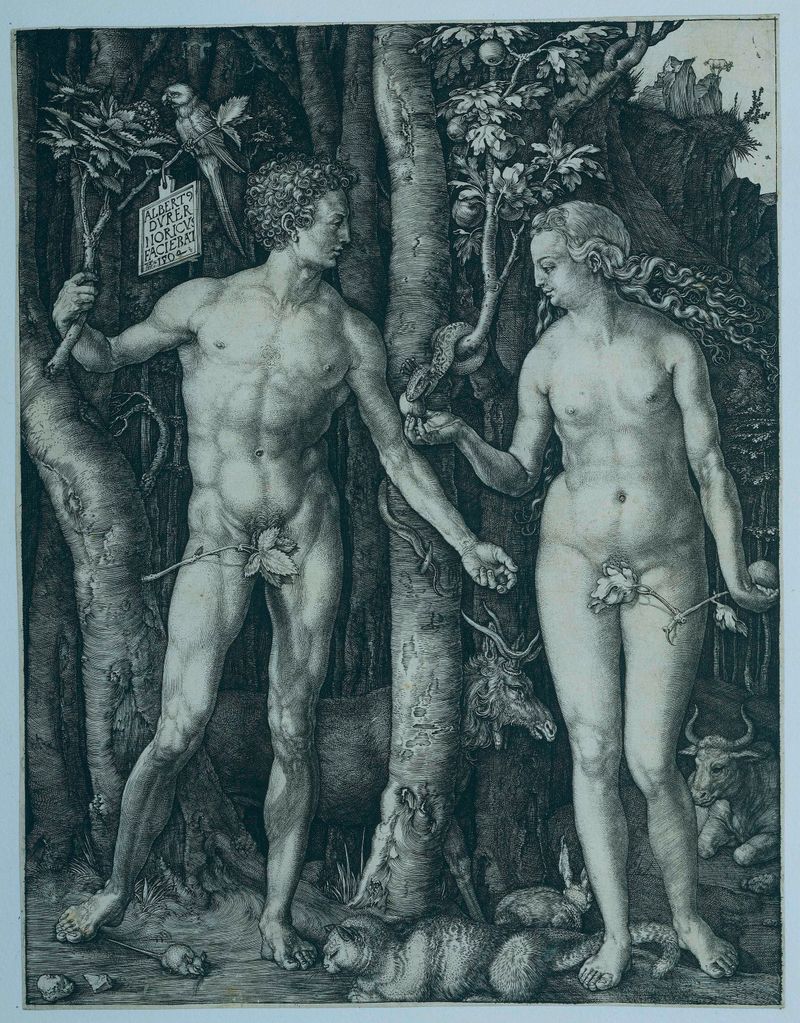
Adam en Eva
Albrecht Dürer
More Religious Art
Browse all →
The Return of the Prodigal Son
Rembrandt van Rijn

The Garden of Earthly Delights
El Bosco

Count Orgaz’ funeral
El Greco

The Hundred Guilder Print: the central piece with Christ preaching, the plate arched
Rembrandt van Rijn

The Descent from the Cross
Rogier van der Weyden

The return of the prodigal son
Rembrandt van Rijn