
Doornenkroning — History & Facts
Did the painter know this moment would outlive them? In Doornenkroning, the poignant imagery evokes a profound sense of hope amidst suffering, inviting viewers to explore the delicate interplay between pain and redemption. Look to the center, where the crown of thorns hovers above a figure, bathed in an almost ethereal light. The meticulous detail in the thorns, contrasting deeply with the smoothness of the skin below, draws your eye immediately. Notice how soft shadows enhance the contours, bringing a lifelike quality to the representation.
The rich, earthy palette accentuates the tension between despair and serenity, allowing the viewer to feel both the weight of the moment and an underlying promise of grace. The emotional tension is palpable; the thorned crown symbolizes anguish, while the glimmer of light hints at transcendence. This duality underscores the juxtaposition of suffering and hope, inviting contemplation on the nature of sacrifice. Hidden in the intricacies of Dürer’s brushwork are reflections on faith and resilience, suggesting that even in the darkest moments, there is potential for renewal. During the early 1620s, Dürer was deeply engaged in exploring themes of spirituality and human experience, a period marked by artistic evolution and contemplation.
While his earlier works laid the foundation for the Northern Renaissance, this later piece encapsulates his grappling with complex emotions in a changing socio-political landscape. Though he passed in 1528, Doornenkroning embodies his lasting influence on subsequent generations of artists, bridging the past and present with its timeless message.
More Artworks by Albrecht Dürer
Browse all →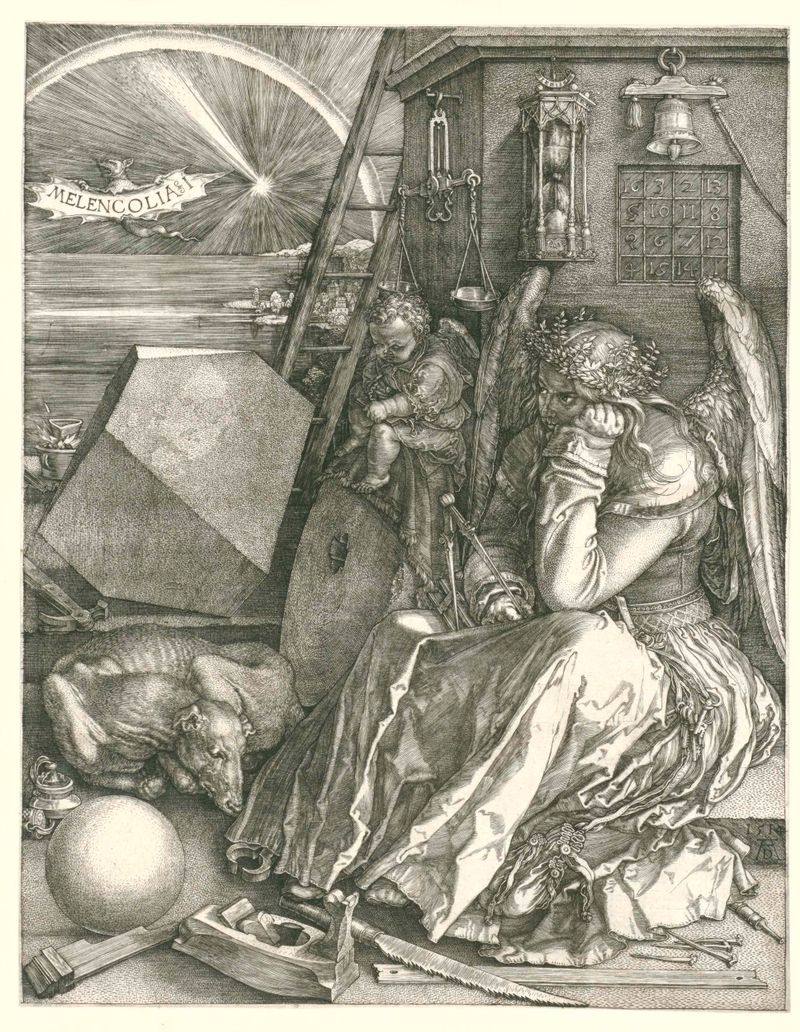
Melancholia
Albrecht Dürer
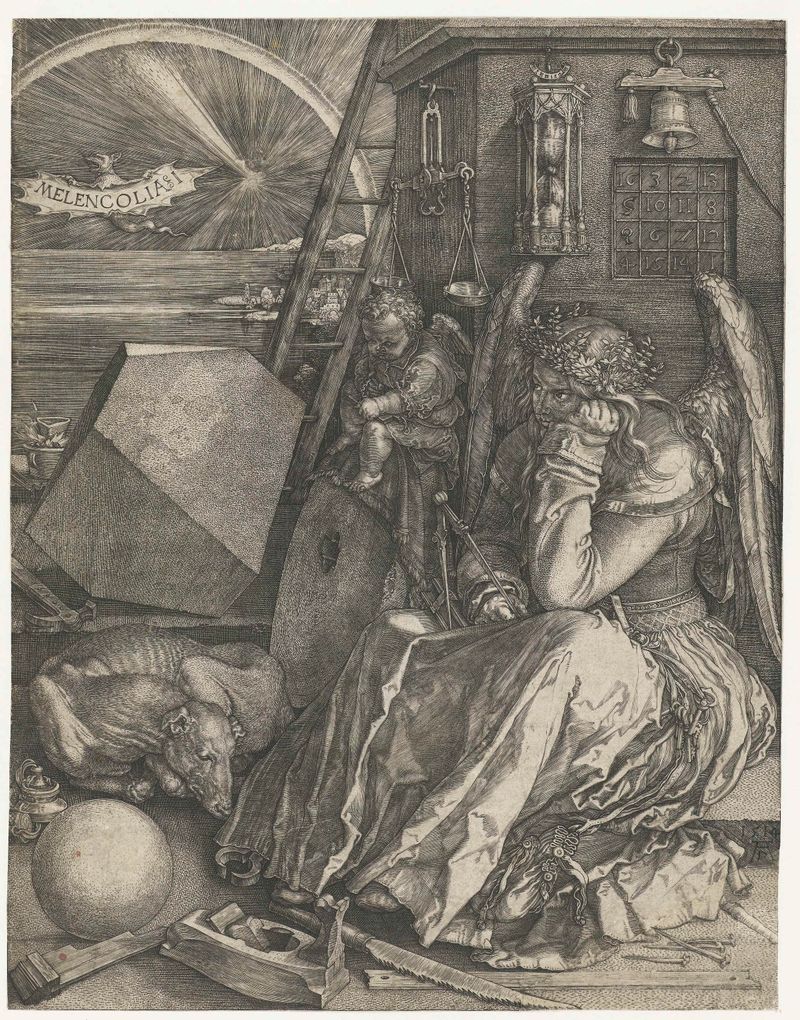
Melancholie
Albrecht Dürer
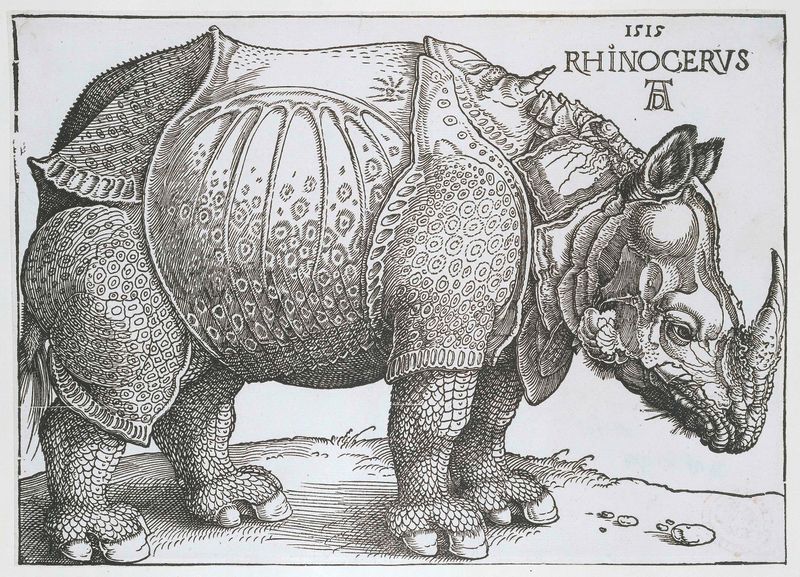
Neushoorn
Albrecht Dürer
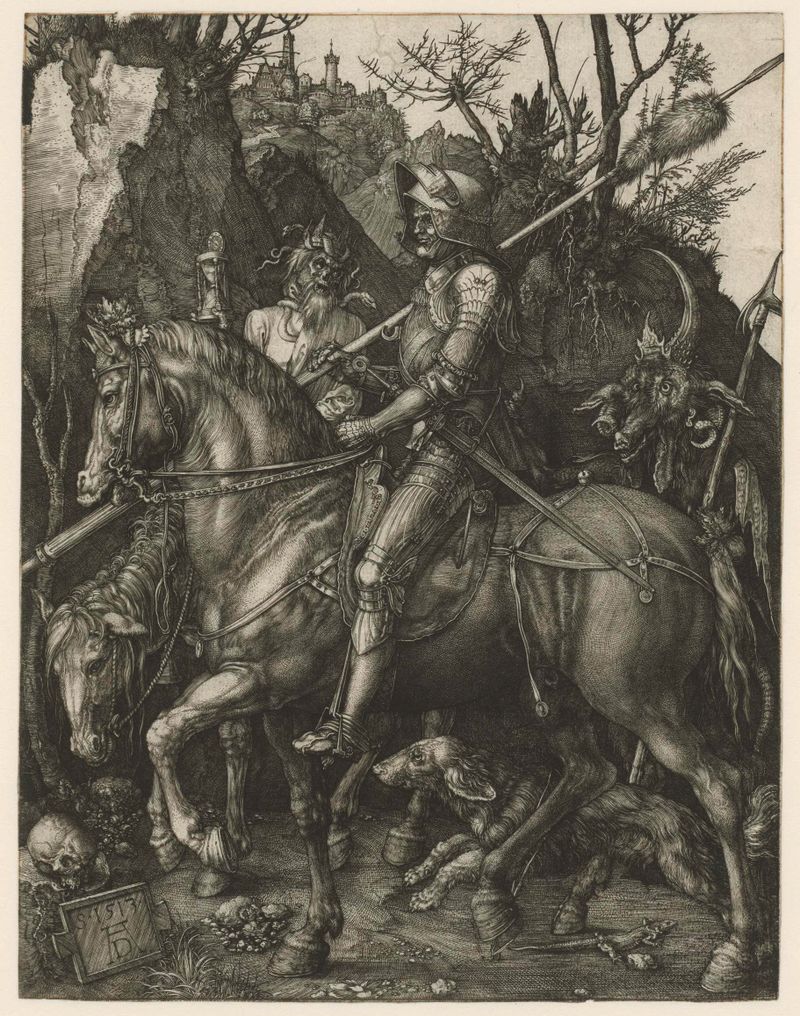
Knight, Death, and the Devil
Albrecht Dürer

De vier ruiters van de apocalyps
Albrecht Dürer

De vier ruiters van de apocalyps
Albrecht Dürer
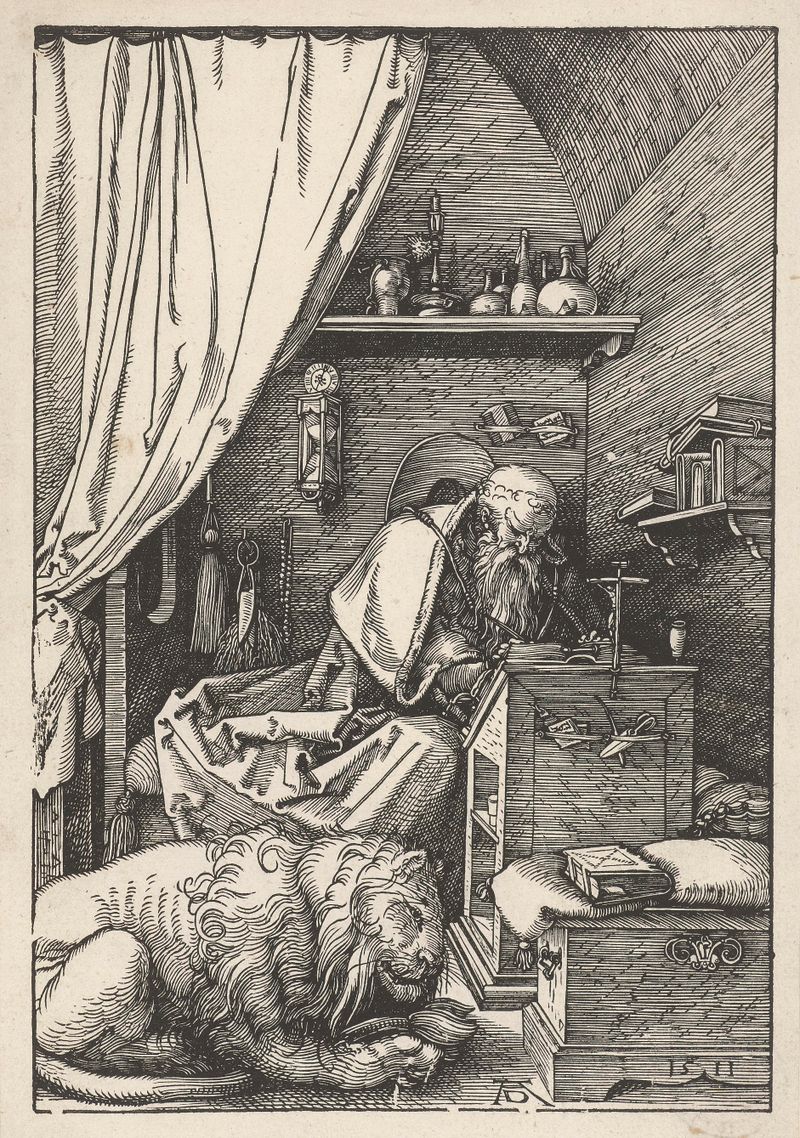
De Heilige Hiëronymus in zijn studeervertrek
Albrecht Dürer
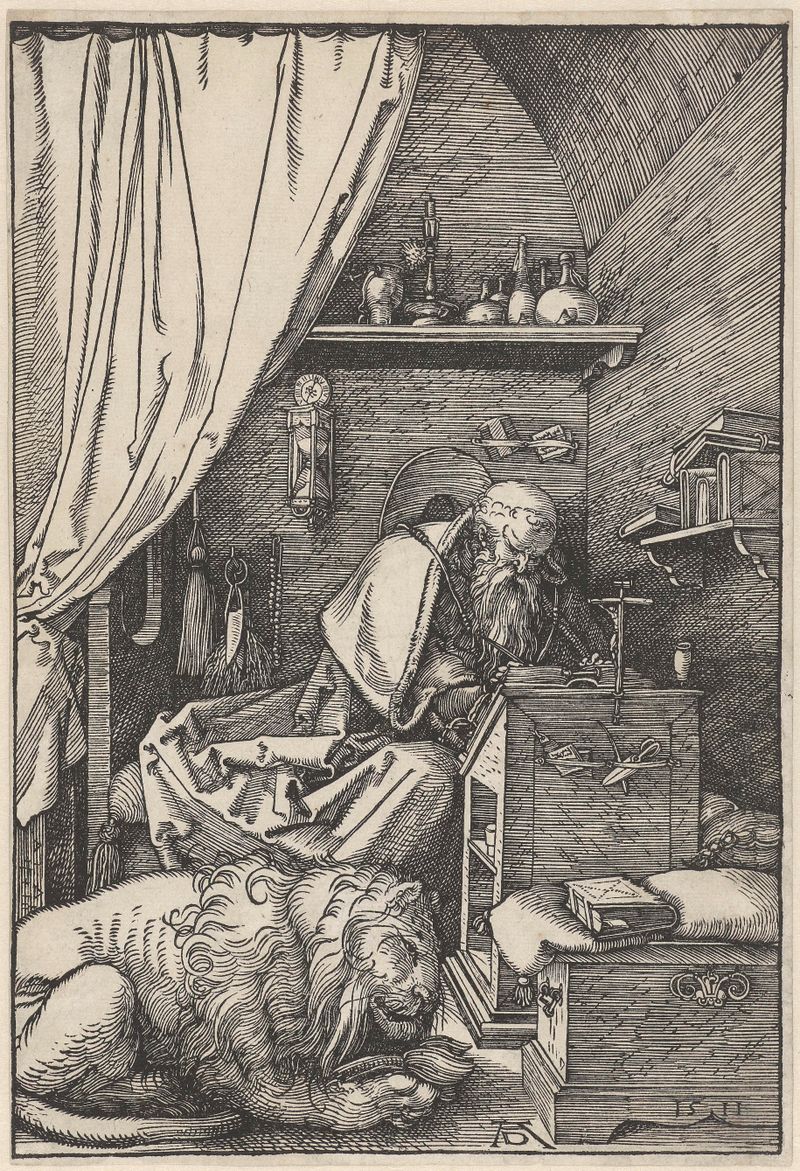
De Heilige Hiëronymus in zijn studeervertrek
Albrecht Dürer
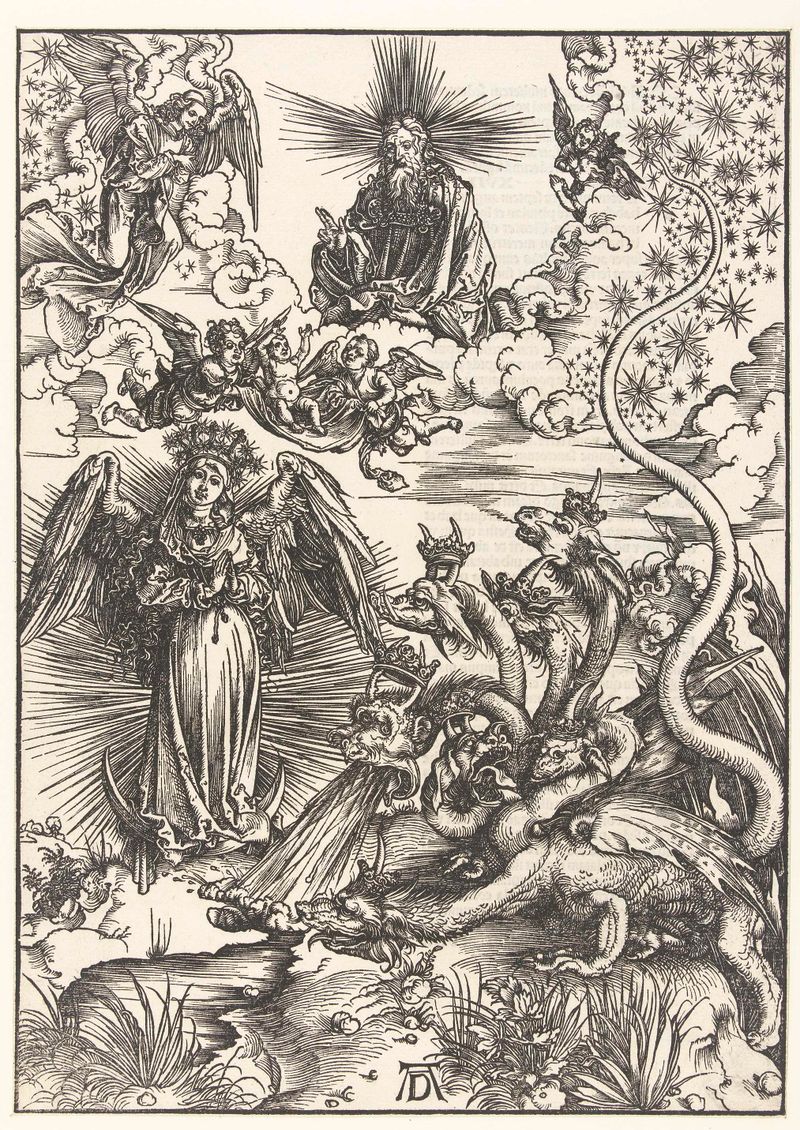
De apocalyptische vrouw en de zevenkoppige draak
Albrecht Dürer
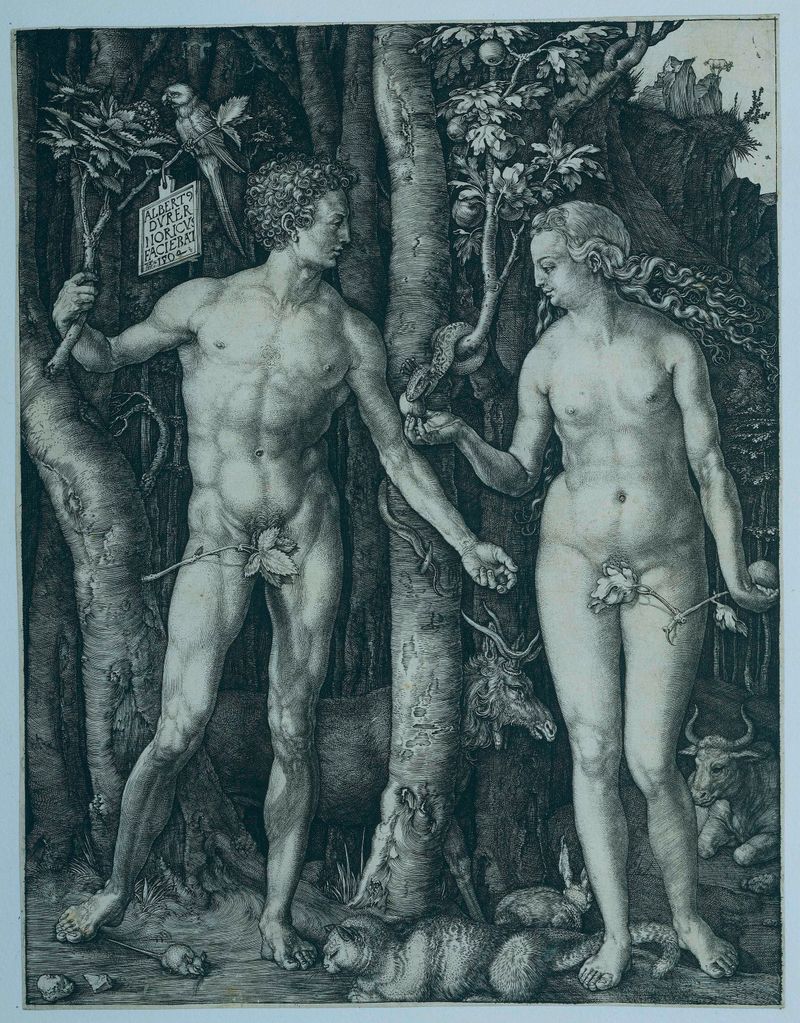
Adam en Eva
Albrecht Dürer
More Religious Art
Browse all →
The Return of the Prodigal Son
Rembrandt van Rijn

The Garden of Earthly Delights
El Bosco

Count Orgaz’ funeral
El Greco

The Hundred Guilder Print: the central piece with Christ preaching, the plate arched
Rembrandt van Rijn

The Descent from the Cross
Rogier van der Weyden

The return of the prodigal son
Rembrandt van Rijn