
Doornenkroning — History & Facts
What if beauty was never meant to be finished? In the delicate tension of Doornenkroning, Dürer reveals the haunting complexity of betrayal and the fragility of perfection. Look to the center of the composition, where a crown of thorns glistens under a muted light, each thorn meticulously rendered, showcasing the artist's remarkable attention to detail. The crown, both beautiful and agonizing, is suspended within a dreamlike atmosphere, inviting the viewer to contemplate its duality. Notice how the dark background enhances the luminous quality of the thorns, casting a stark contrast that emphasizes their painful elegance and suggests an impending unraveling. Beneath the surface, the elements speak of sacrifice and loss.
The thorns symbolize the weight of betrayal, while their almost ethereal presentation hints at beauty's transitory nature. The interplay of light and shadow not only highlights the crown’s intricate design but also serves as a metaphor for the juxtaposition between appearance and reality—the beauty that conceals deep suffering. This complexity invites introspection on the nature of beauty itself, suggesting that perhaps it thrives in imperfection and conflict. Created in the early 17th century, Doornenkroning emerged during a period when Dürer was deeply engaged with religious themes and the human condition.
While the artist had already made a significant impact on the art world, his later works reflect his evolving understanding of spirituality and the intricate relationship between beauty and pain. This piece encapsulates the tension of its time, revealing the artist's contemplation of sacrifice in a world burdened by moral and existential questions.
More Artworks by Albrecht Dürer
Browse all →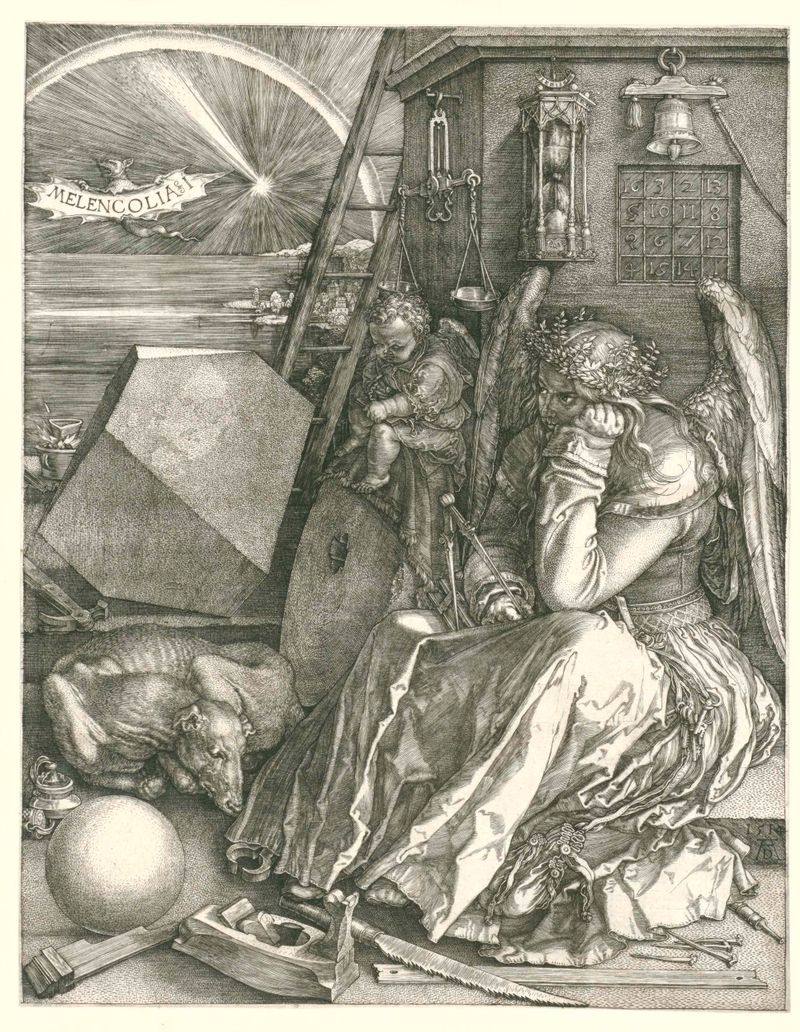
Melancholia
Albrecht Dürer
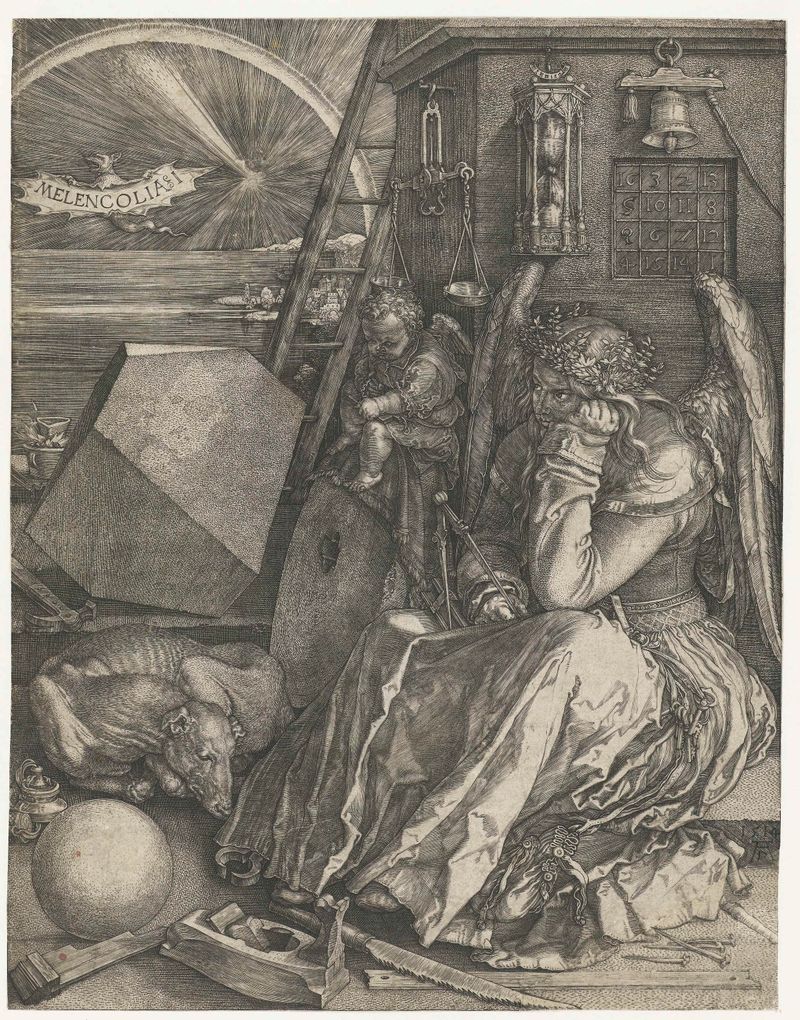
Melancholie
Albrecht Dürer

Neushoorn
Albrecht Dürer
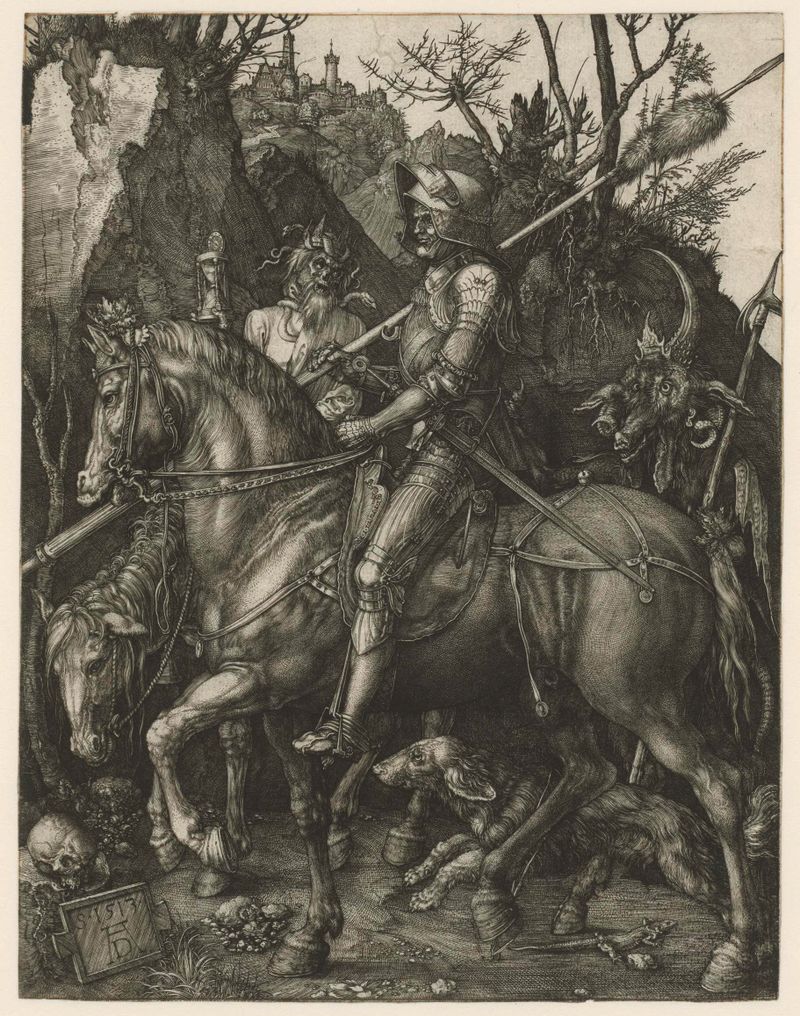
Knight, Death, and the Devil
Albrecht Dürer

De vier ruiters van de apocalyps
Albrecht Dürer

De vier ruiters van de apocalyps
Albrecht Dürer
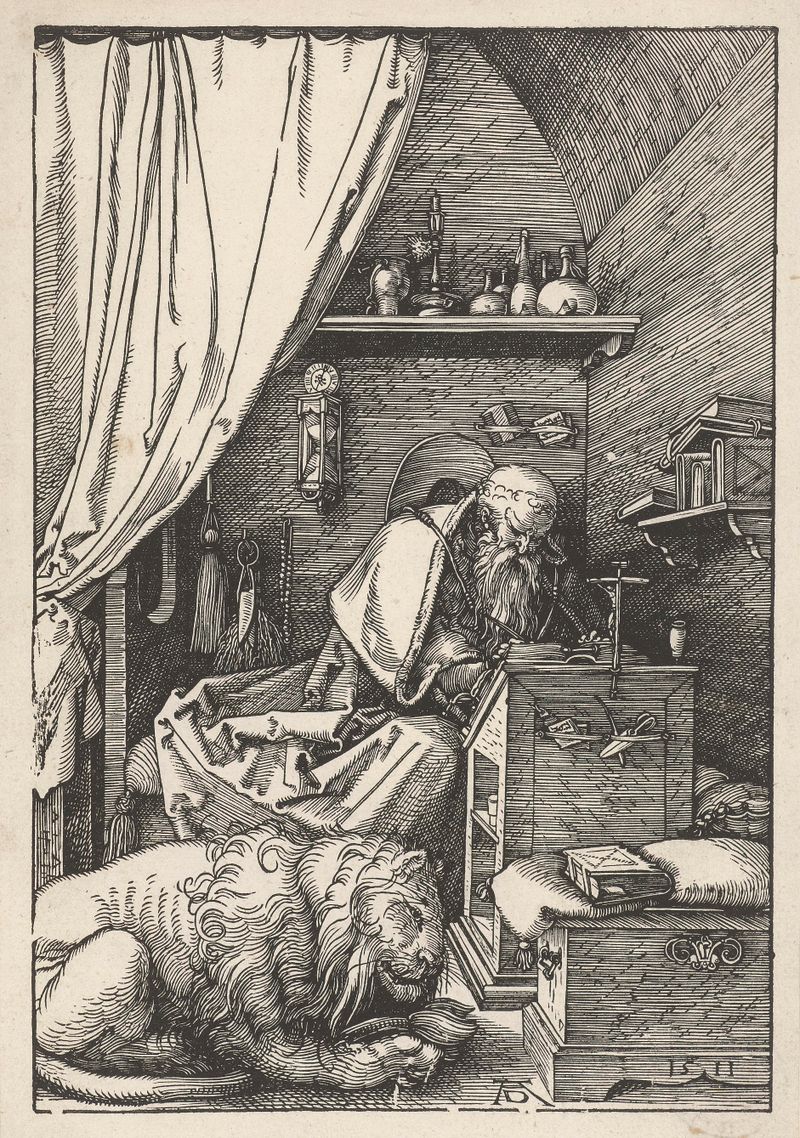
De Heilige Hiëronymus in zijn studeervertrek
Albrecht Dürer
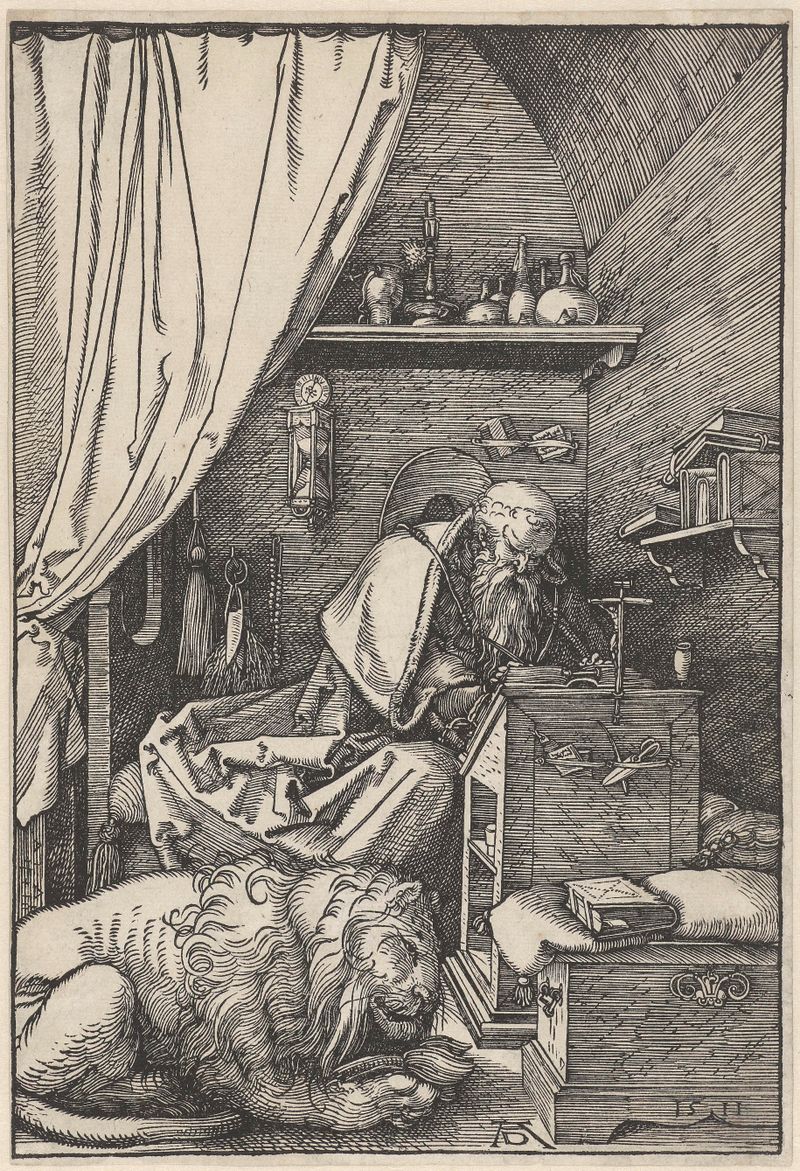
De Heilige Hiëronymus in zijn studeervertrek
Albrecht Dürer
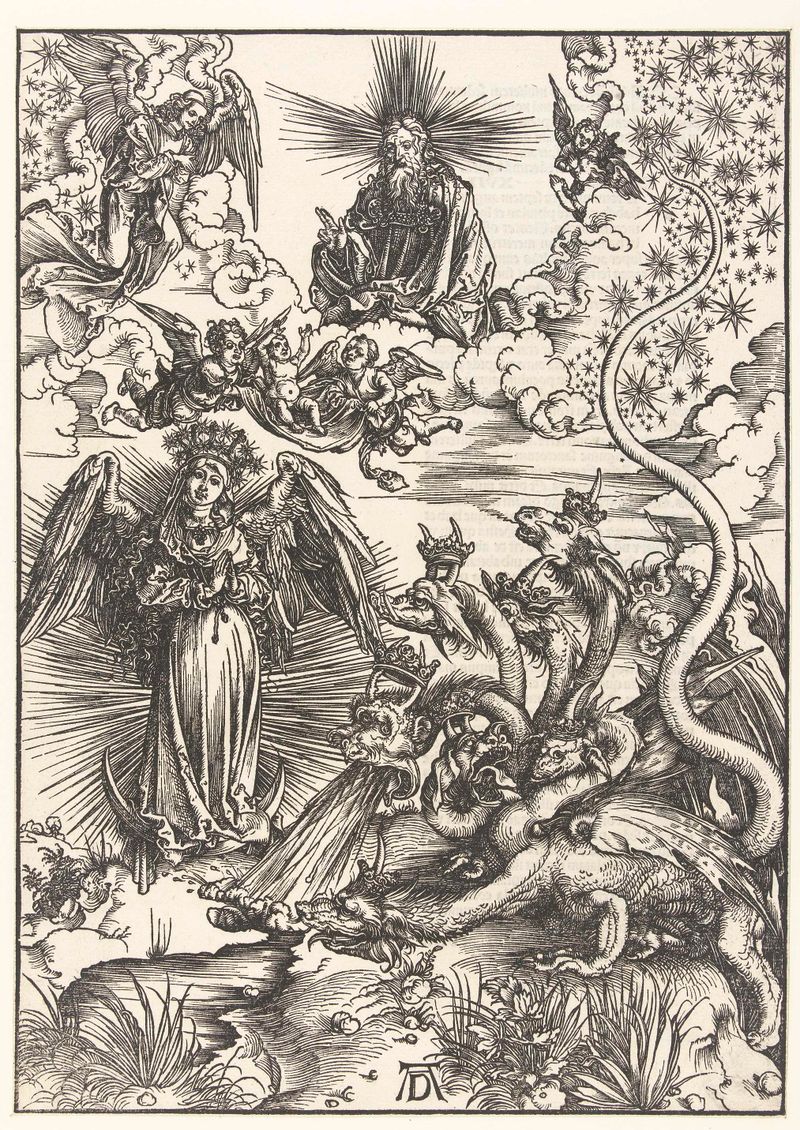
De apocalyptische vrouw en de zevenkoppige draak
Albrecht Dürer
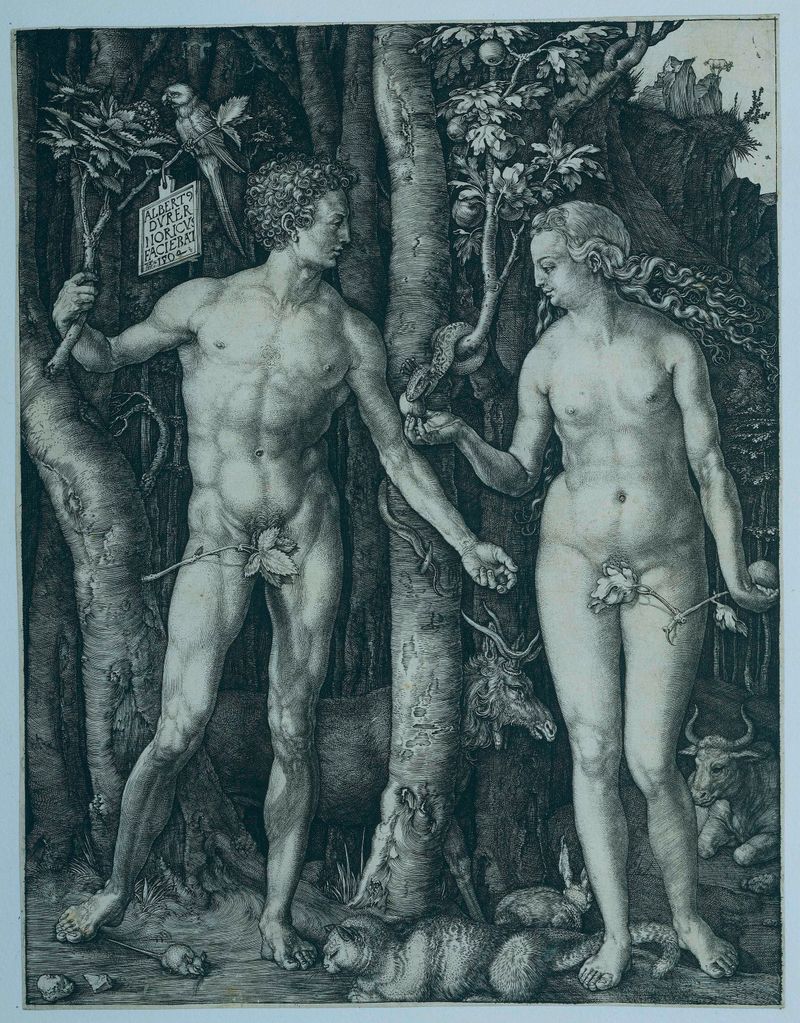
Adam en Eva
Albrecht Dürer
More Religious Art
Browse all →
The Return of the Prodigal Son
Rembrandt van Rijn

The Garden of Earthly Delights
El Bosco

Count Orgaz’ funeral
El Greco

The Hundred Guilder Print: the central piece with Christ preaching, the plate arched
Rembrandt van Rijn

The Descent from the Cross
Rogier van der Weyden

The return of the prodigal son
Rembrandt van Rijn