
Dorfhäuser mit Sonnenblumen — History & Facts
When did color learn to lie? In a world where shadows dance and light plays tricks, the serene hues of a sunlit landscape invite us to seek the truth hidden within its beauty. Look closely at the left side of the canvas, where the vibrant sunflowers stretch their golden heads towards the warm embrace of the sun. Notice how the artist skillfully balances the delicate greens of the foliage, contrasting with the rustic charm of the village houses nestled in the background. The soft brush strokes create an almost tactile quality, coaxing the viewer to feel the gentle warmth of the day as the sunlight spills over the scene, infusing it with life. Beneath this serene exterior lies a deeper exploration of rural tranquility versus the encroaching modernity of urban life.
The sunflowers symbolize resilience and hope, standing tall against the backdrop of the quaint, yet fading, village. The palette, dominated by yellows and earthy tones, suggests a harmony that belies the tension of a changing world, where nature and human habitation exist in a delicate balance. Max Liebermann painted this work in 1890 in the picturesque village of Wannsee, near Berlin. During this period, he was immersed in the Impressionist movement, driven by a desire to capture the fleeting effects of light and atmosphere.
The late 19th century was marked by rapid industrialization, leading artists like Liebermann to seek solace in the beauty of pastoral landscapes, reflecting a longing for connection to nature amidst societal change.
More Artworks by Max Liebermann
Browse all →
Die Blumenterrasse in Wannsee mit Blick auf den Fischotterbrunnen
Max Liebermann
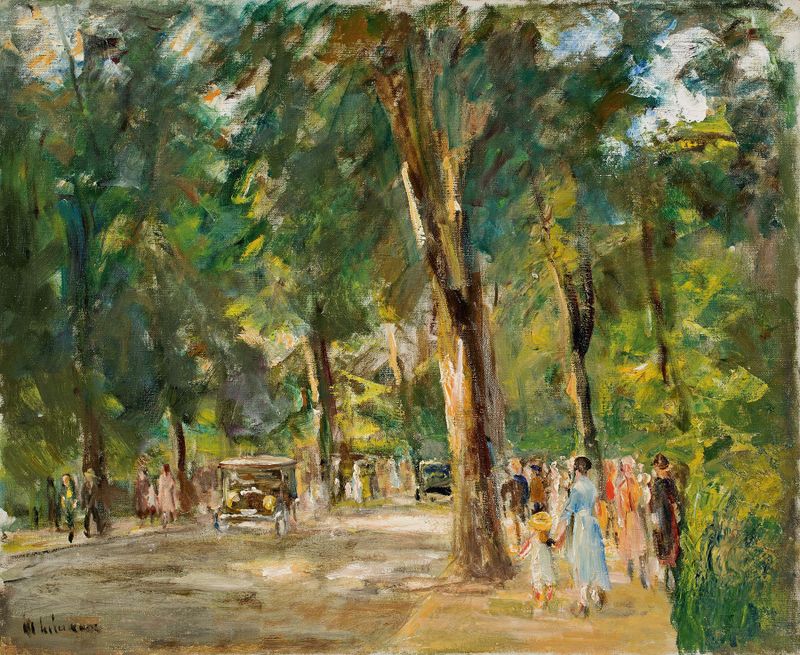
Die Große Seestraße in Wannsee mit Spaziergängern
Max Liebermann

Seitlicher Blick in den Wannseegarten
Max Liebermann

Der Rosengarten in Wannsee
Max Liebermann

Allee mit Spaziergängern und Automobilen
Max Liebermann

Blick in meinen Garten
Max Liebermann
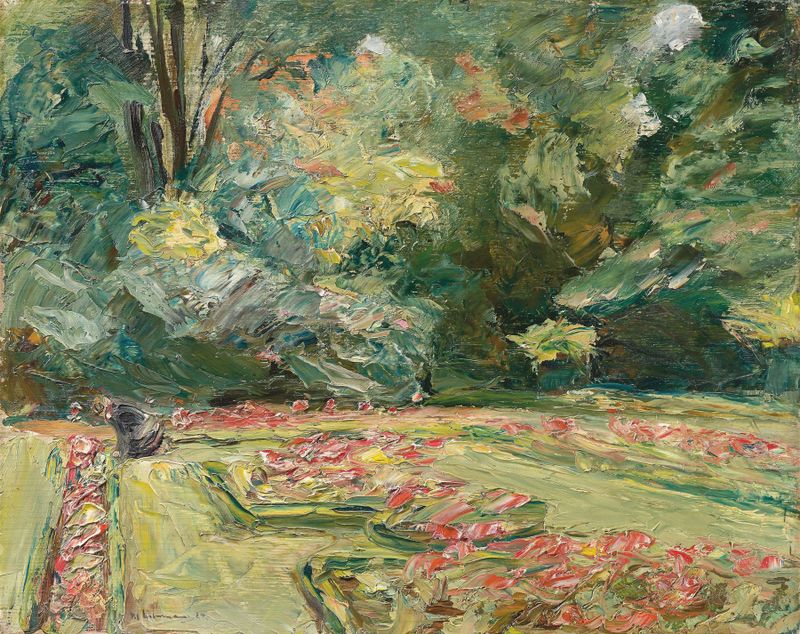
Die Blumenterrasse im Wannseegarten nach Norden
Max Liebermann

Spielende Kinder am Strand
Max Liebermann
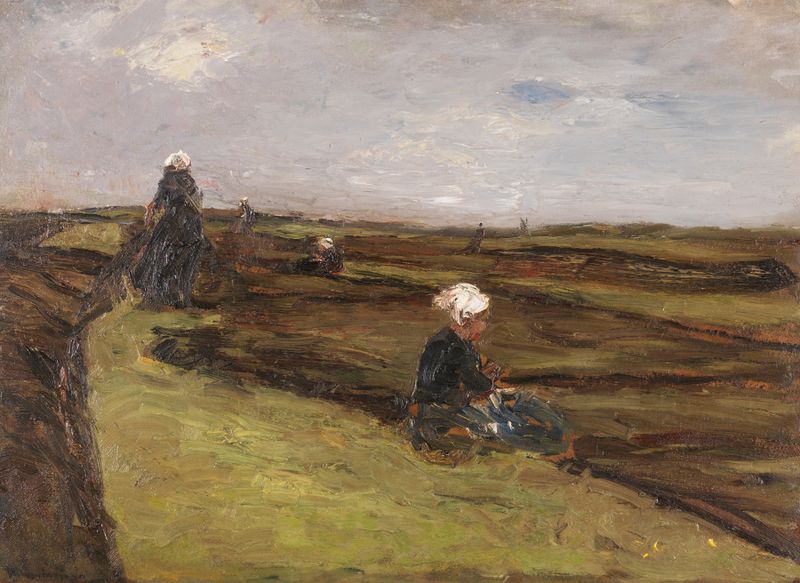
Die Netzflickerinnen
Max Liebermann

Am Strand von Noordwijk
Max Liebermann





