Dorpsgezicht — History & Facts
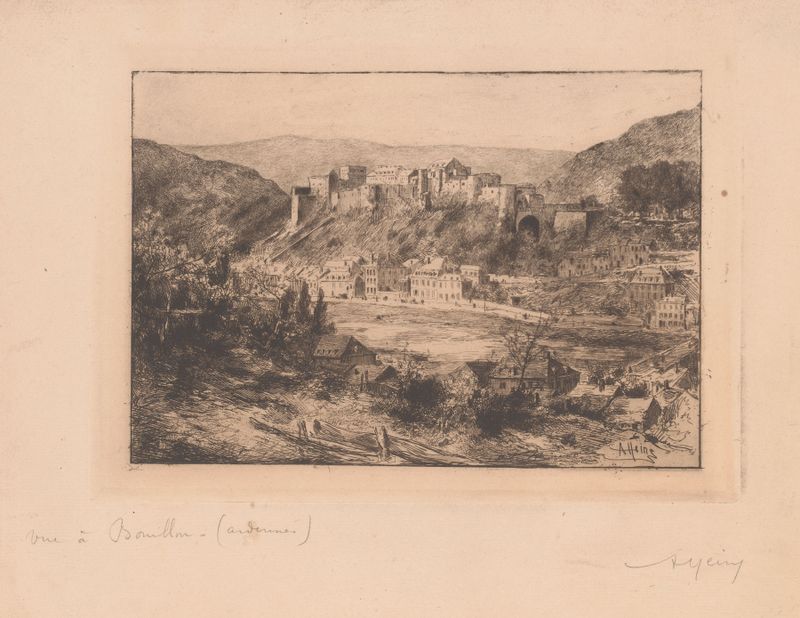
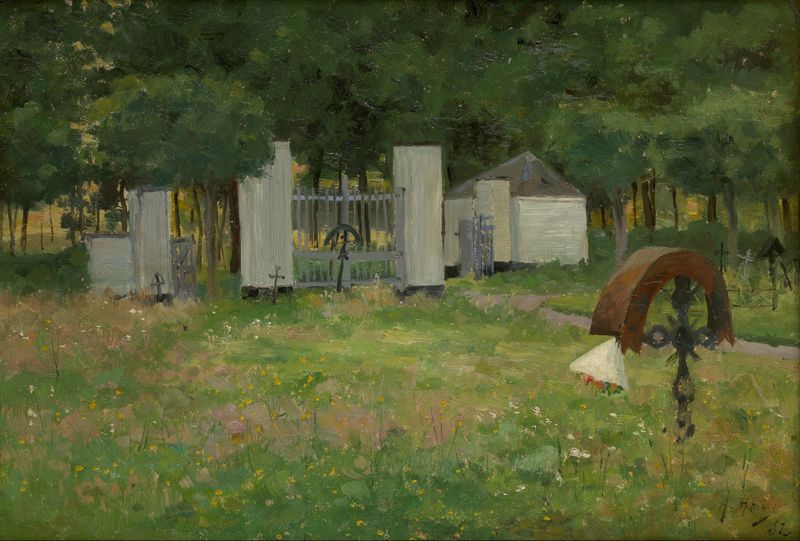
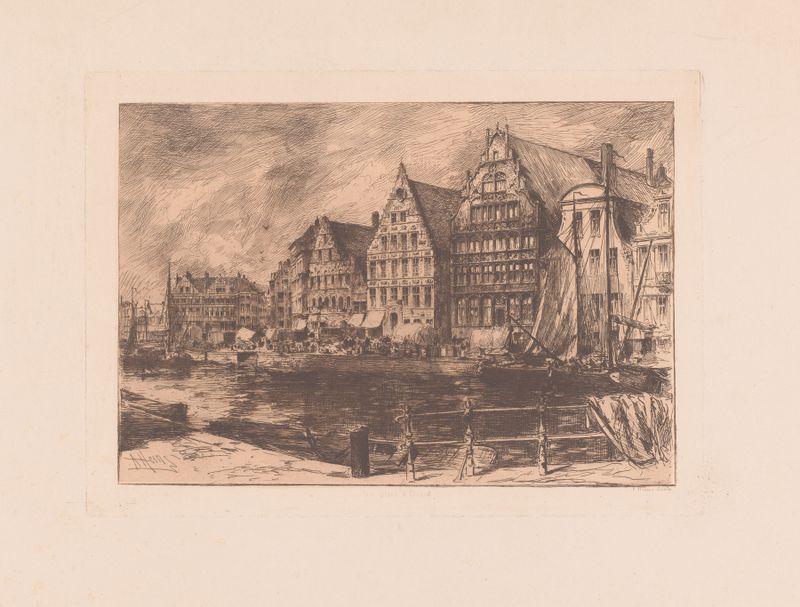
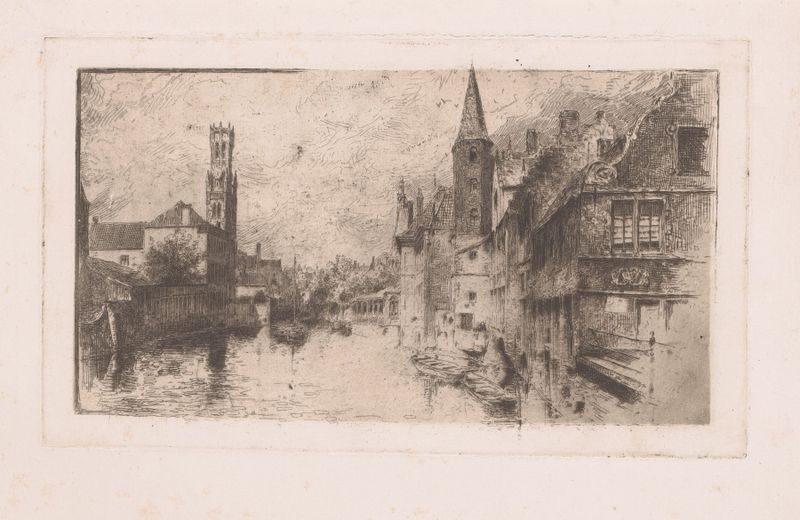
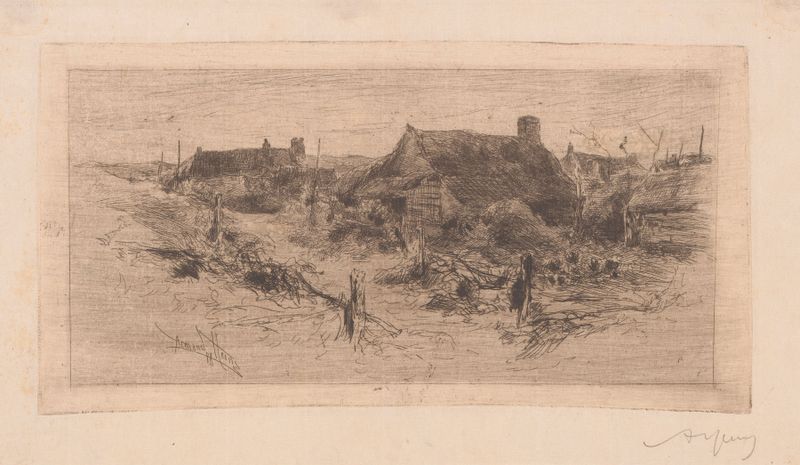
What if beauty was never meant to be finished? In the quiet corners of existence, echoes of abandonment linger, whispering stories of betrayal and longing. Look to the center where the village unfolds, a harmonious blend of thatched roofs and cobblestone pathways. The artist’s brush captures the interplay of warm ochres and earthy greens, inviting the viewer to explore the gentle hills cradling the village. Notice how the light dances through the trees, casting a soft glow over the scene, drawing your eyes towards the distant horizon.
The subtle variations in tone reveal a meticulous attention to detail, almost like a memory that flickers between clarity and haze. Beneath the idyllic surface lies a tension that speaks of neglect and loss. The stillness of the village suggests a pause in time, yet hints at an underlying restlessness. The absence of figures conveys a sense of isolation, inviting contemplation of connections once held dear, now perhaps faded.
Every brushstroke reveals a world that feels both complete and hauntingly unfinished, as if the artist captured a fleeting moment before it slipped away. Created in 1889, this work marked a pivotal period for the artist as they embraced the growing realism in art while struggling against the expectations of their time. Living in the Netherlands, they were influenced by the local landscape and the shifting currents of European art, which prioritized emotional depth over mere representation. This piece reflects both the beauty and the fragility of existence, embodying a moment where the personal and the universal intertwine.