Landschap met huizen — History & Facts
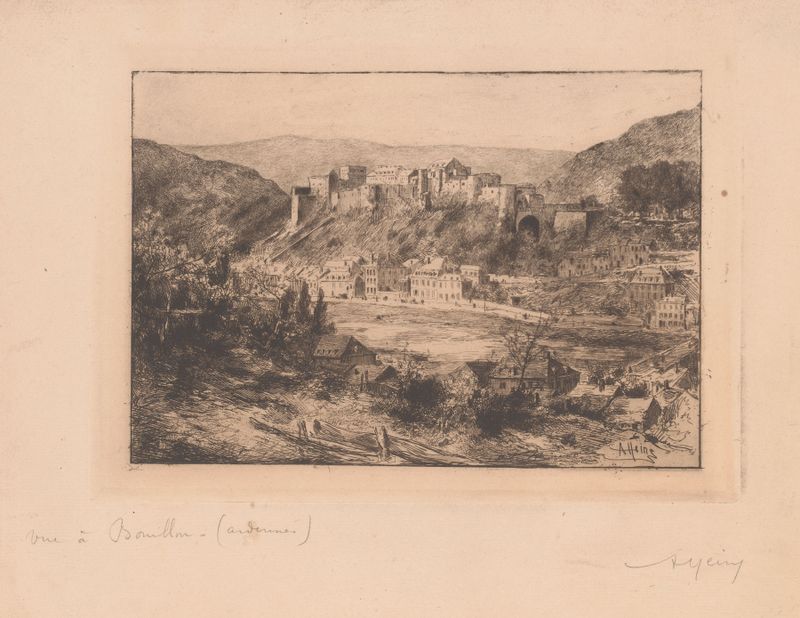
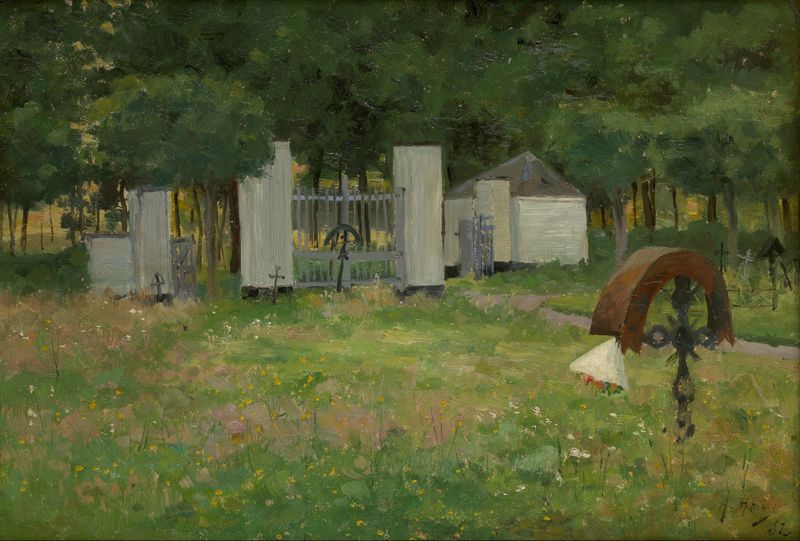
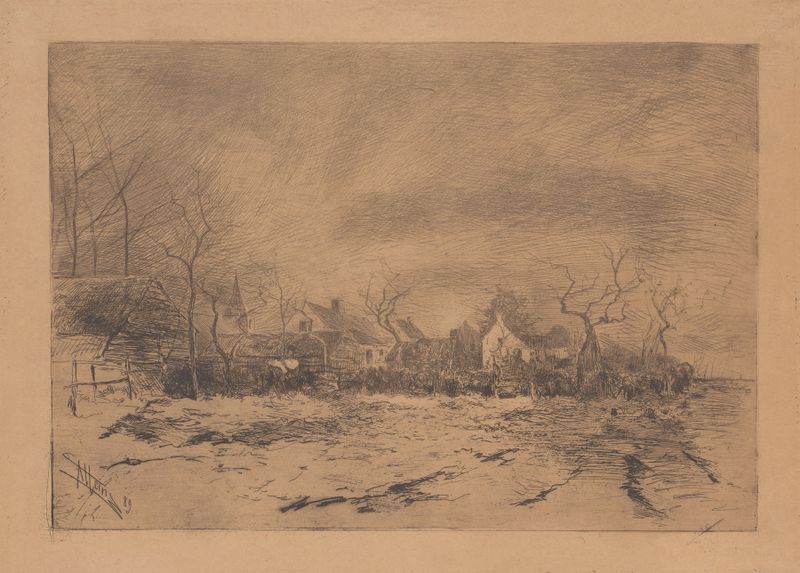
Where does light end, and longing begin? In a world of shadows and fleeting moments, the boundaries blur, revealing the depths of our hearts. Look to the center of the canvas, where a cluster of houses nestles against a backdrop of gently rolling hills. The soft, golden light bathes the scene, casting a warm glow on the rooftops that stand in quiet unison. As your gaze wanders, notice the subtle gradation of colors—muted greens and browns intertwine, evoking a sense of harmony yet hinting at an underlying melancholy.
The brushstrokes, delicate and deliberate, create a textured landscape that invites you to wander further into its depths. The emotional tension lies in the juxtaposition of the serene dwellings and the expansive, empty sky above. You can almost feel the absence that pervades the atmosphere, as if the houses are waiting for voices that have long since faded. The landscape is rich with memories, weaving a narrative of loss that resonates within the viewer, transforming the idyllic scene into a space for reflection and yearning. Armand Heins painted this work in 1888, during a period of personal and artistic exploration in the Netherlands.
At that time, the art scene was shifting, moving toward Impressionism and away from academic traditions. Heins, drawn to the beauty and simplicity of rural life, found himself grappling with themes of nostalgia and transience. This painting not only captures the essence of his environment but also mirrors his internal struggles, reflecting the broader human experience of longing and remembrance.