Stadsgezicht met gracht en toren — History & Facts
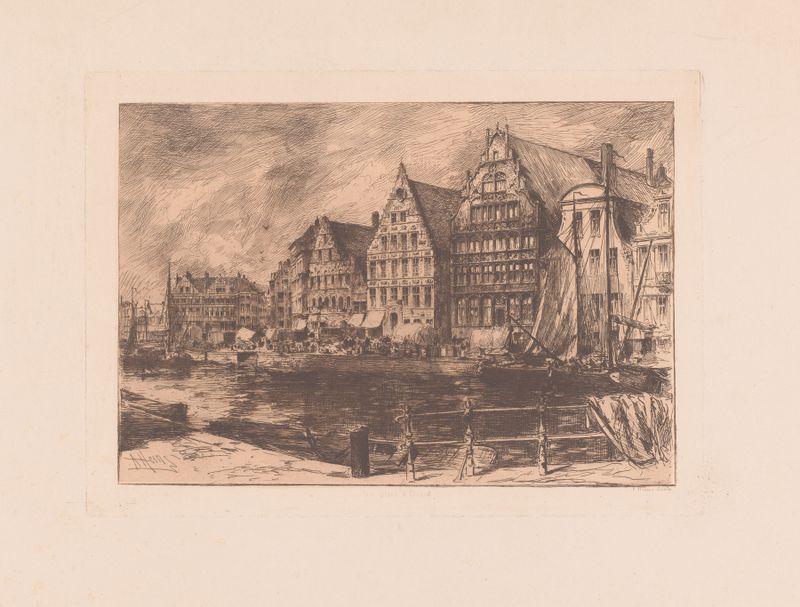
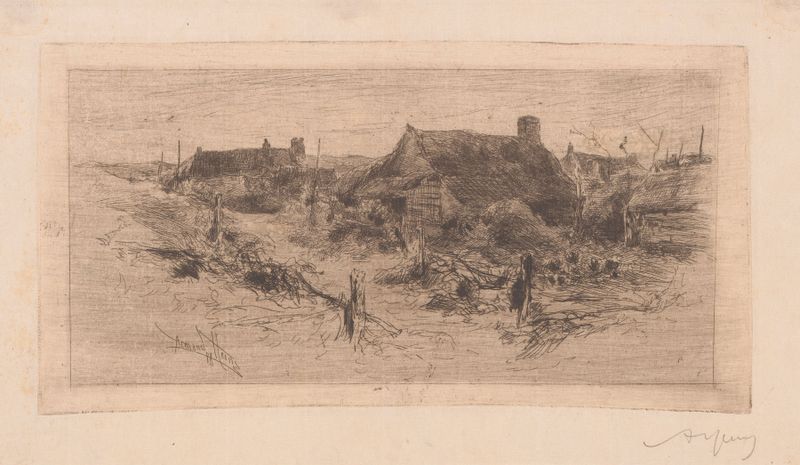
When did color learn to lie? This question echoes through the layers of Stadsgezicht met gracht en toren, revealing the complexities hidden within its vibrant hues and serene composition. Here, we are invited to ponder not just the physical scene but the emotions it evokes, capturing the essence of a bygone era in art. Look closely at the left side of the canvas, where the gnarled branches of a tree extend towards the sky, their shadows playing on the water's surface. The canal reflects a mosaic of colors, each brushstroke meticulously placed to create a sense of harmony between nature and architecture.
The tower, rising in the distance, stands as a sentinel of history, its presence dominating yet grounding the entire composition. The colors are rich and evocative, ranging from deep blues to warm earth tones, inviting the viewer to explore the interplay of light and shadow. Within this tranquil landscape lies a tension between the steadfast tower and the ephemeral nature of the water below. The juxtaposition of the solid structures against the fluid canal hints at the transient nature of life itself.
Small boats bob gently, suggesting human presence yet conveying a sense of stillness, while the soft ripples in the water whisper secrets of time passing. Each detail speaks to the duality of permanence and impermanence, urging us to reflect on our own fleeting moments. In the late 19th century, when this work was created, Armand Heins was deeply immersed in the Dutch artistic tradition, balancing realism with an emerging impressionistic flair. Living in a period of rapid social change, Heins sought to capture the beauty and tranquility of urban scenes amidst the evolving landscape of modernity.
His commitment to depicting the harmony of city life with nature mirrored the broader artistic movements of his time, as artists began to explore new ways of seeing the world around them.