
Dorpsgezicht bij avond — History & Facts
Can beauty exist without sorrow? The gentle twilight beckons, casting a serene veil over the quaint village, inviting reflections from both the heart and the mind. Look to the left at the soft hues of orange and pink that blend into the horizon, illuminating the rustic rooftops. Notice how each brushstroke captures the stillness of the evening; the cool shadows stretch across the cobblestone path, inviting the viewer to step into this tranquil moment. The composition balances earthly tones with the fading light, creating a harmony that resonates with the soul’s yearning for peace. Yet, beneath this picturesque scene lies a contrast between the fleeting beauty and the inevitable passage of time.
The fading sunlight symbolizes not only the end of the day but also the transient nature of life, urging contemplation of what is lost as darkness approaches. The way light dances on the water’s surface reflects the duality of existence, where joy mingles with melancholy in silent conversation. Adolf le Comte painted this landscape during a period when the Impressionist movement was gaining momentum, likely in the late 19th century. He was influenced by the changes in societal perspectives toward nature and light, drawing inspiration from the romanticism of his surroundings.
This piece emerged from a time of personal experimentation and exploration, as artists began to embrace the emotional resonance of their environments.
More Artworks by Adolf le Comte
Browse all →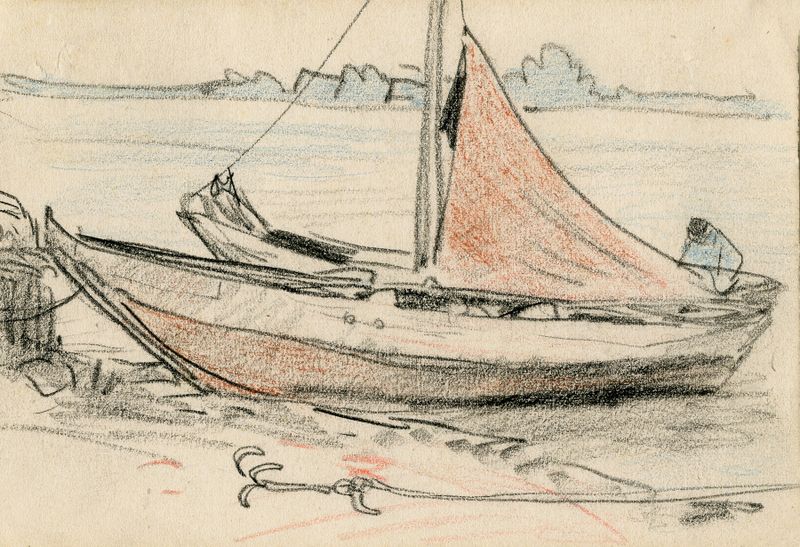
Op de oever getrokken schuit
Adolf le Comte
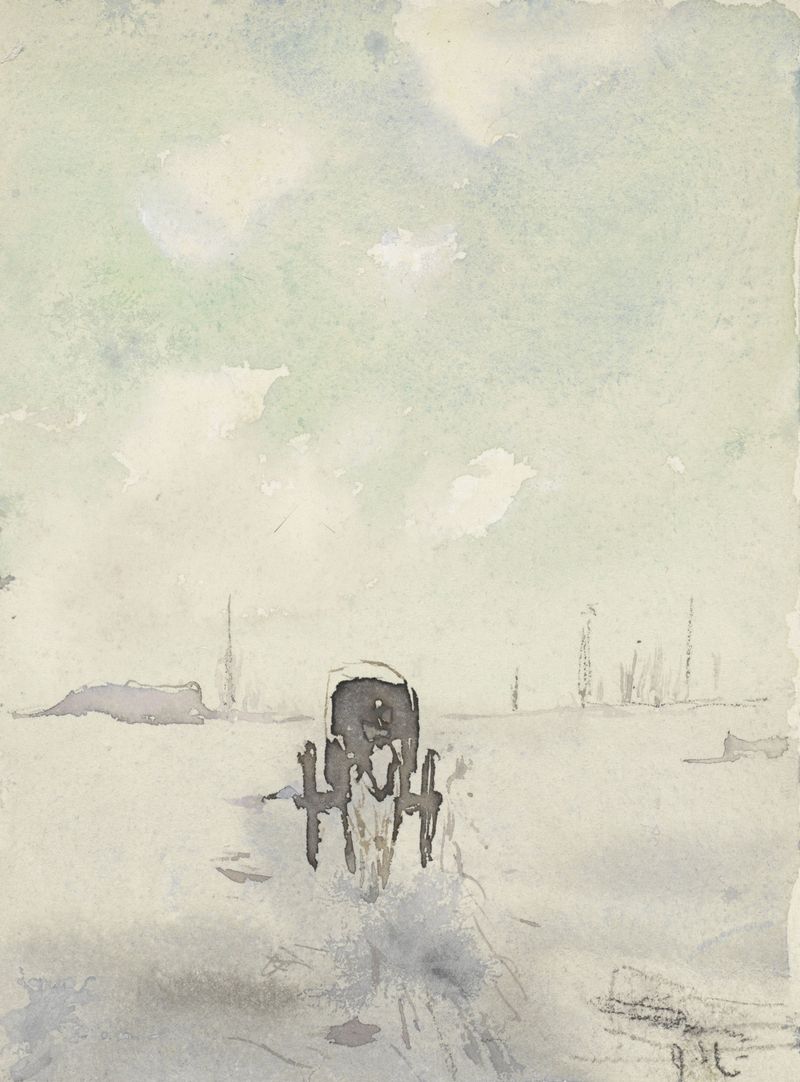
Winterlandschap met paard en wagen
Adolf le Comte
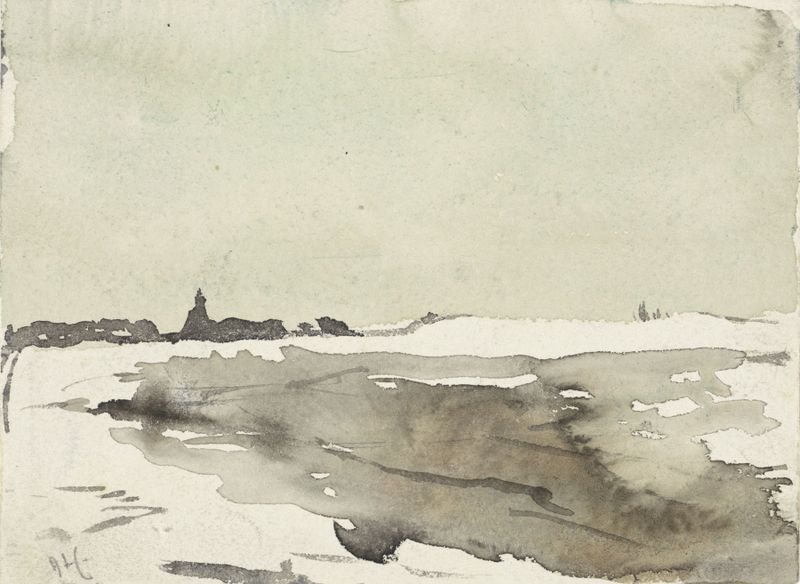
Winterlandschap met kerkje in het verschiet
Adolf le Comte
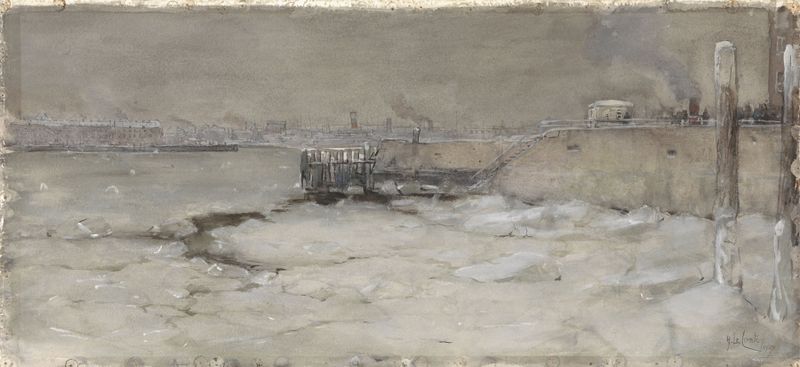
Het kruien van het ijs op de Maas te Rotterdam
Adolf le Comte
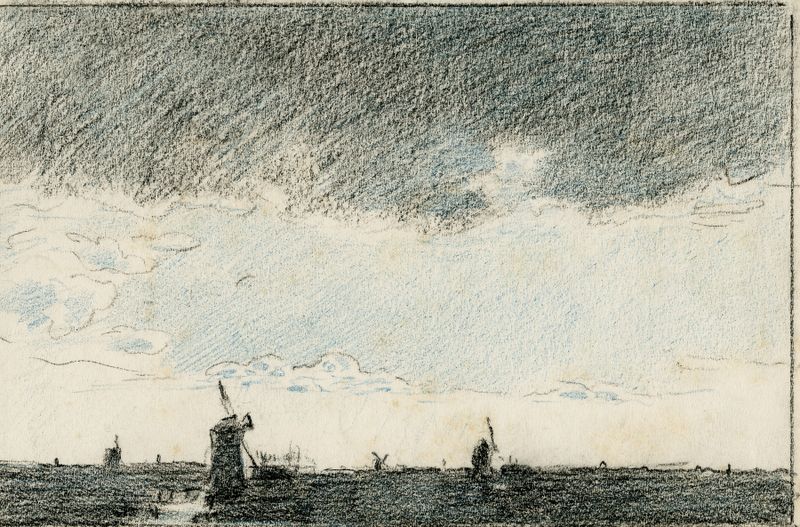
Molens in vlakte bij regen
Adolf le Comte
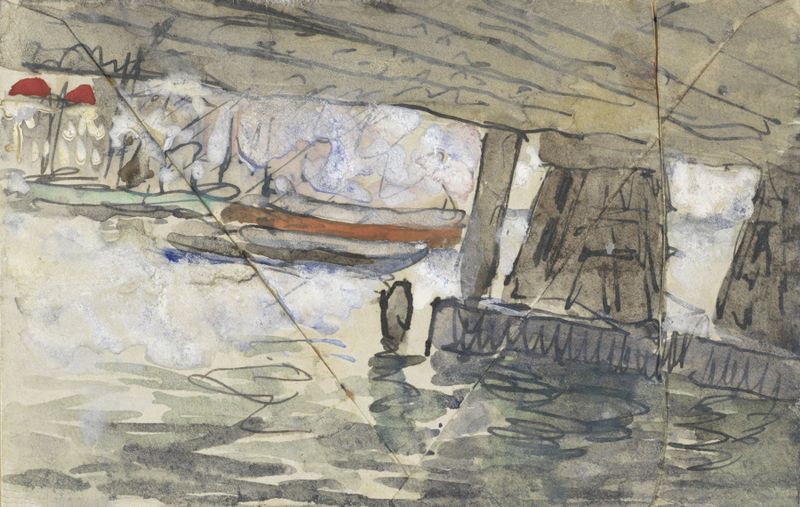
Gezicht onder een spoorviaduct te Amsterdam
Adolf le Comte
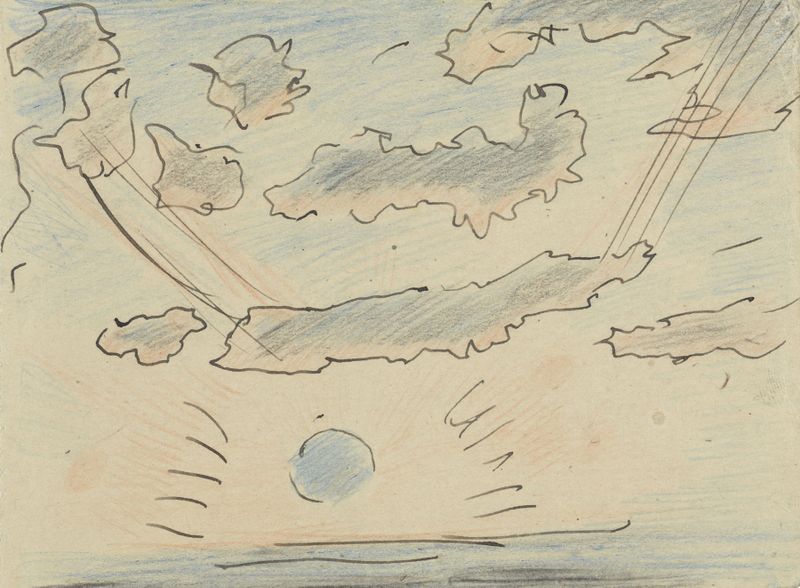
Wolkenstudie met zon
Adolf le Comte
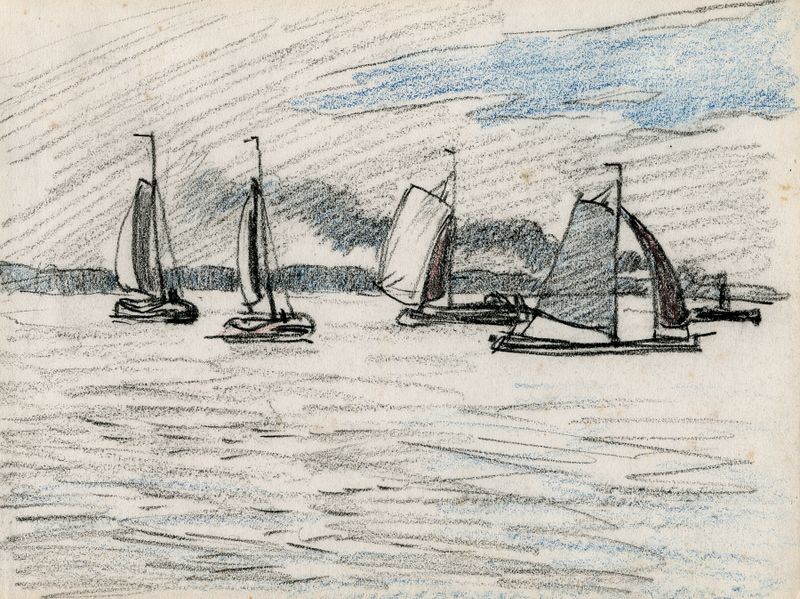
Zeilboten op watervlakte
Adolf le Comte





