
Molens in vlakte bij regen — History & Facts
The stillness of a landscape whispers its secrets, urging us to listen more closely. In the hands of the painter, balance becomes both an aesthetic choice and a profound emotional truth. Look to the horizon where the windmills stand sentinel against a backdrop of muted blues and greys. The sweeping plains unfold beneath a sky heavy with rain, and it is in this interplay of light and shadow that the painting comes alive.
The soft brushstrokes create a sense of movement within the stillness, while the earthy tones ground the viewer in the Dutch landscape, inviting a moment of quiet reflection. Beneath the surface, tensions emerge between the serene and the tumultuous. The windmills, symbols of progress and resilience, face the impending storm, embodying the delicate balance between nature's fury and human ingenuity. The juxtaposition of dark clouds and the gentler colors of the fields suggests not just a physical landscape but an emotional terrain—one where hope and despair coexist, reinforcing the theme of equilibrium amidst chaos. Adolf le Comte created this work during a period marked by both personal introspection and broader artistic shifts in the late 19th century.
Living in the Netherlands, the artist was surrounded by a rich tradition of landscape painting that celebrated the interaction of light and environment. In this context, he honed his technique, capturing the essence of the Dutch countryside while also reflecting on the transformative power of nature, forever balancing between beauty and tempest.
More Artworks by Adolf le Comte
Browse all →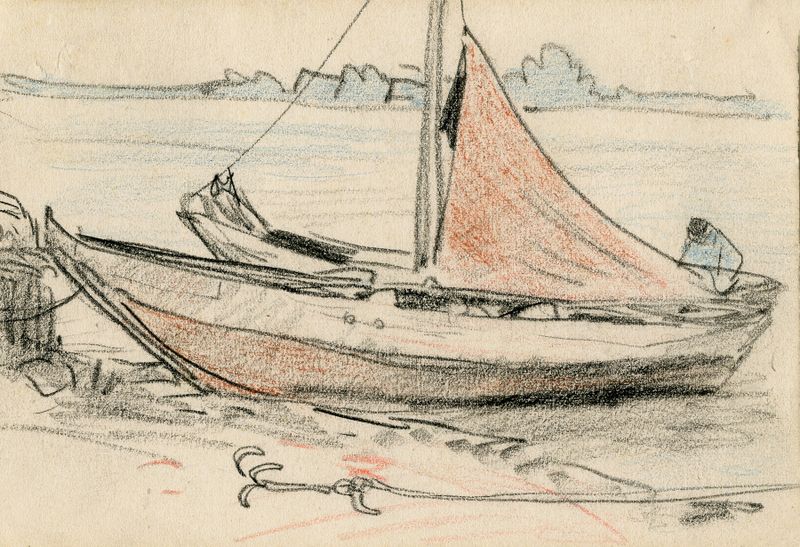
Op de oever getrokken schuit
Adolf le Comte
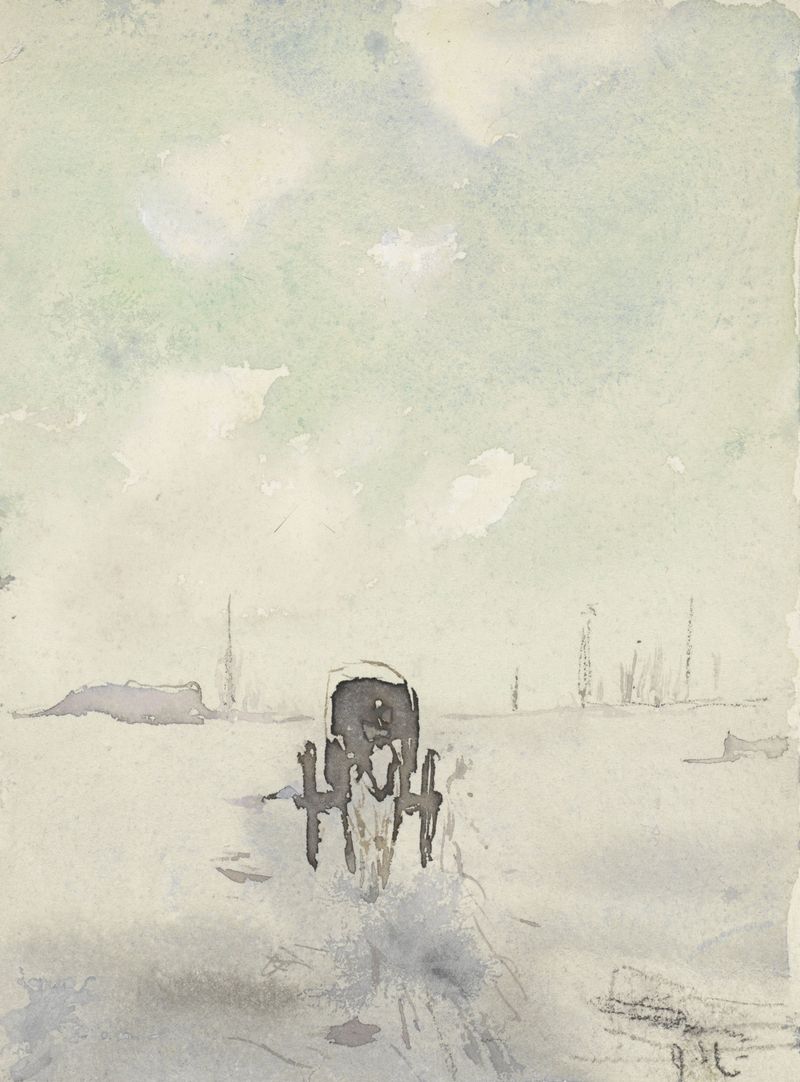
Winterlandschap met paard en wagen
Adolf le Comte
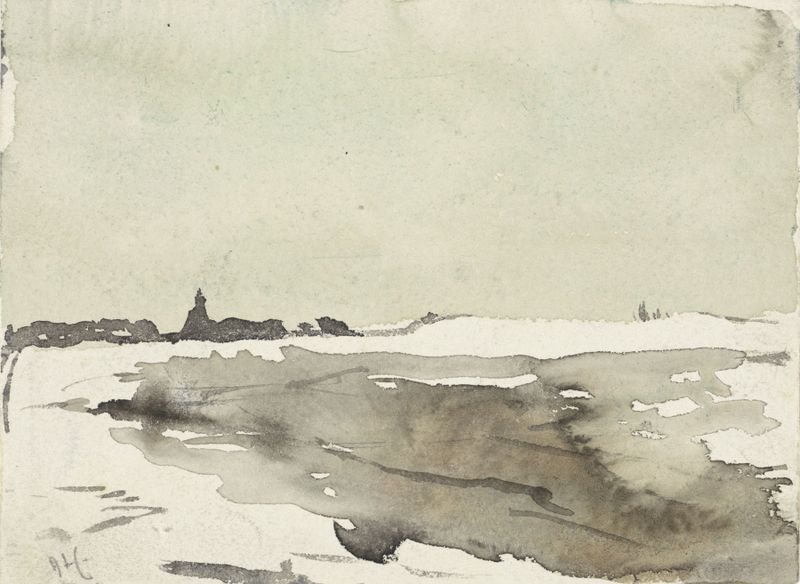
Winterlandschap met kerkje in het verschiet
Adolf le Comte
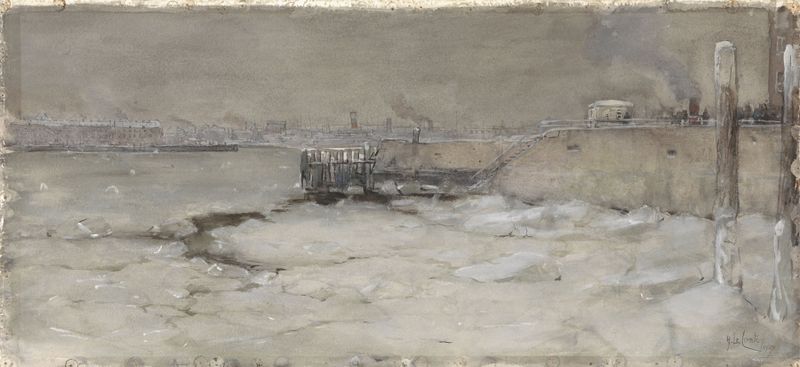
Het kruien van het ijs op de Maas te Rotterdam
Adolf le Comte
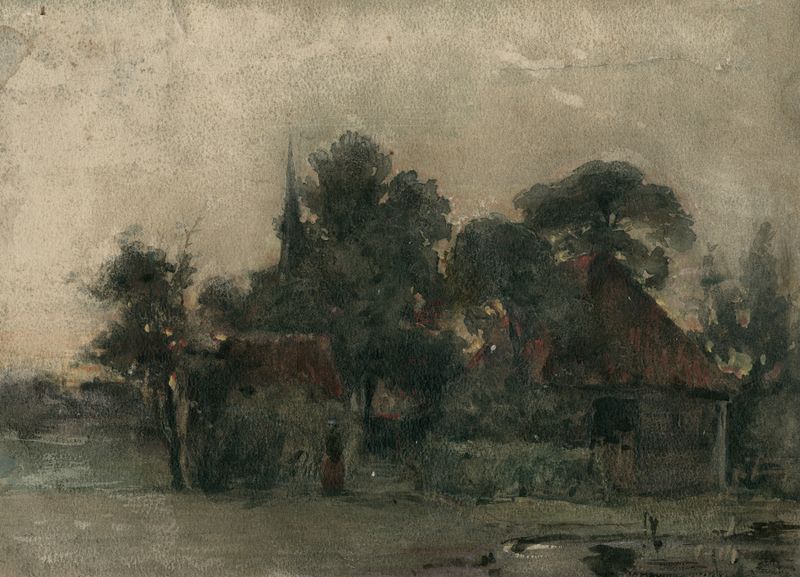
Dorpsgezicht bij avond
Adolf le Comte
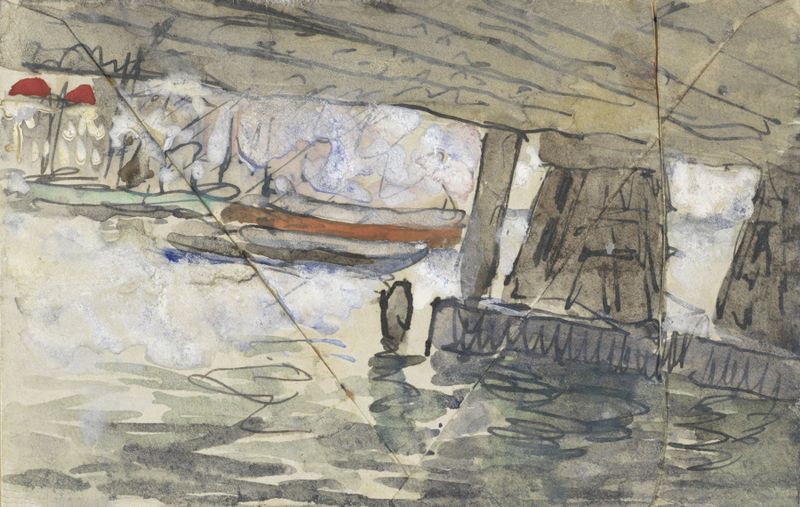
Gezicht onder een spoorviaduct te Amsterdam
Adolf le Comte
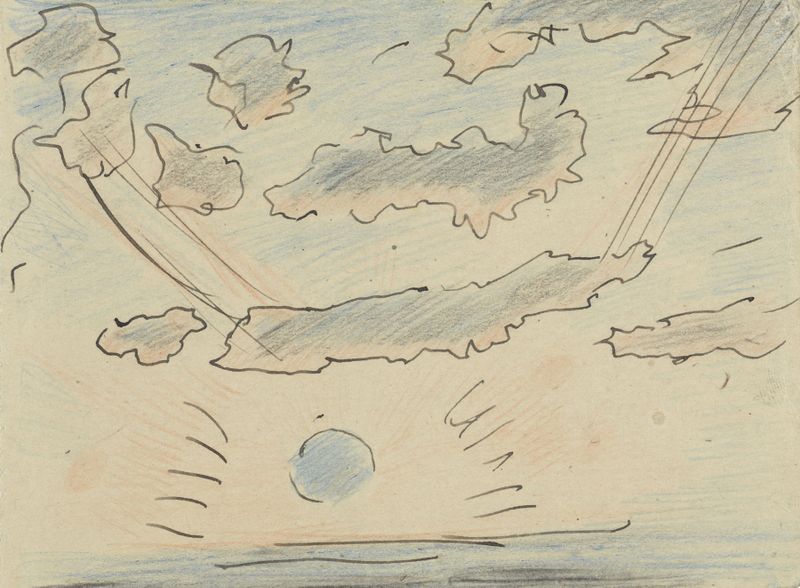
Wolkenstudie met zon
Adolf le Comte
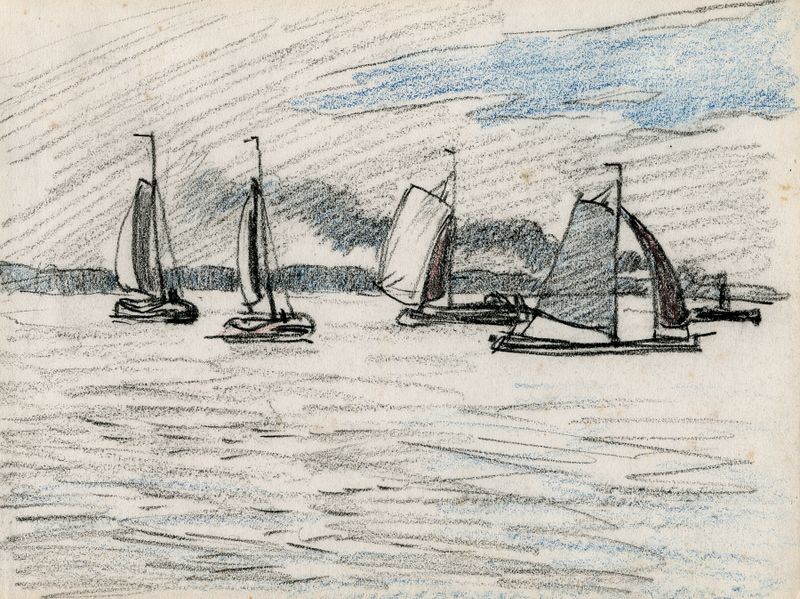
Zeilboten op watervlakte
Adolf le Comte





