
Gezicht onder een spoorviaduct te Amsterdam — History & Facts
In the bustling life of a city, where shadows intertwine with light, destinies converge beneath ancient structures. The tension of existence resonates here, caught in a moment where the ordinary intersects with the profound. Focus your gaze on the stark contrast between the dark, looming viaduct and the vibrant life unfolding beneath it. The arches create a rhythmic pattern that draws the eye, while the cool, somber tones of the cement evoke a sense of melancholy.
Amidst this gray backdrop, splashes of color from passersby bring warmth and vitality, revealing the resilience of human spirit against the coldness of urban life. Within this urban vista lies an exploration of fate. The viaduct, both a barrier and a passageway, symbolizes the paths we traverse. Notice how the figures are caught in motion, suggesting their individual journeys and the intersections of their lives—each a thread in the intricate tapestry of existence.
The juxtaposition of the rigid structure against the fluid movement of people embodies the tension between destiny and choice. In 1920, Adolf le Comte painted this piece during a transformative period in Amsterdam, a city grappling with the aftermath of World War I. Amidst a backdrop of renewed hope and change in European art, he sought to capture the essence of urban life, instilling in each brushstroke the vibrancy of humanity’s ongoing story.
More Artworks by Adolf le Comte
Browse all →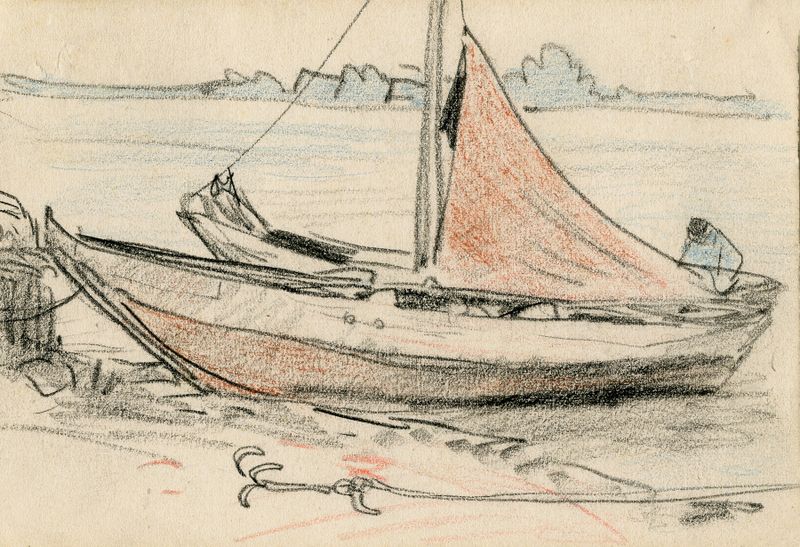
Op de oever getrokken schuit
Adolf le Comte
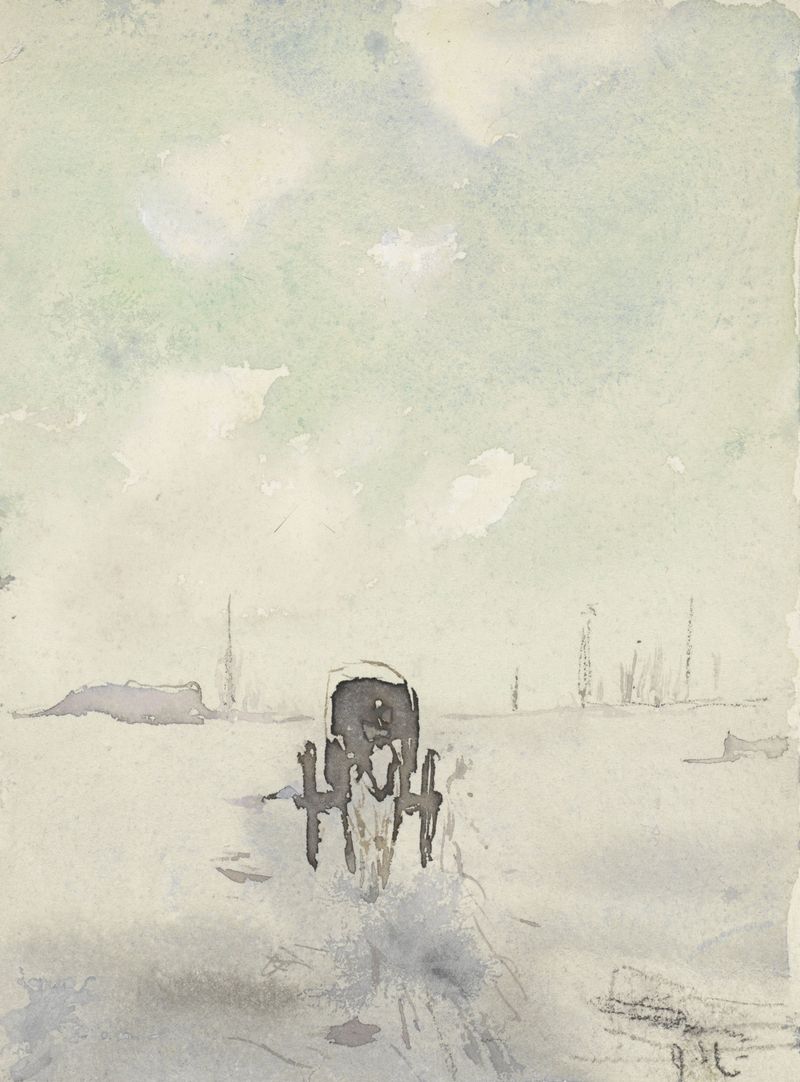
Winterlandschap met paard en wagen
Adolf le Comte
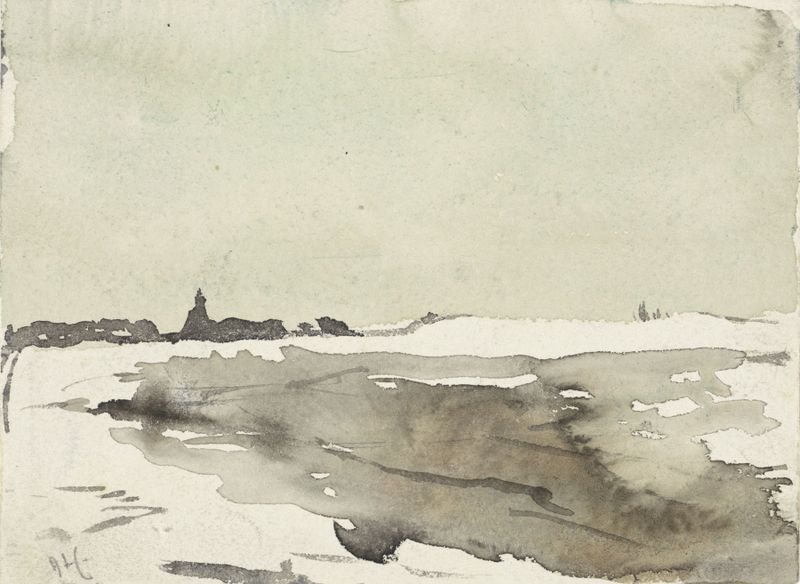
Winterlandschap met kerkje in het verschiet
Adolf le Comte
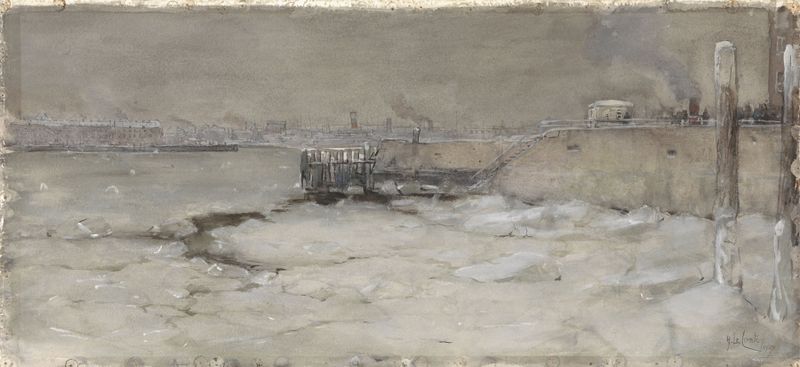
Het kruien van het ijs op de Maas te Rotterdam
Adolf le Comte
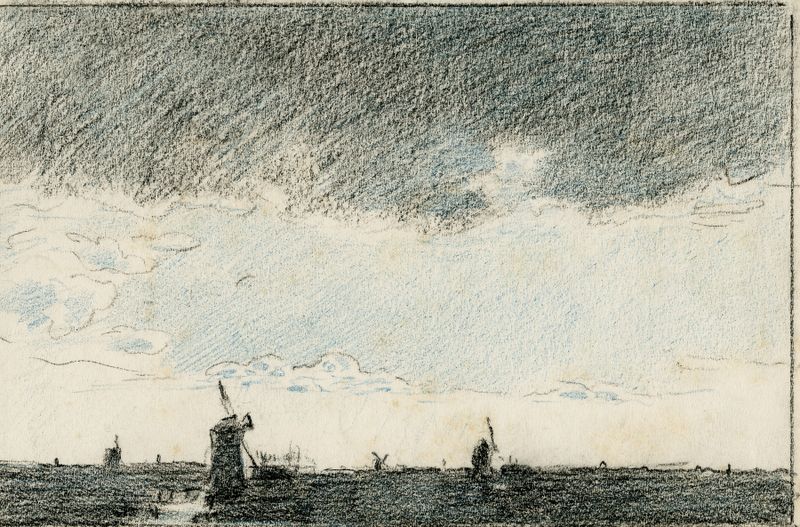
Molens in vlakte bij regen
Adolf le Comte
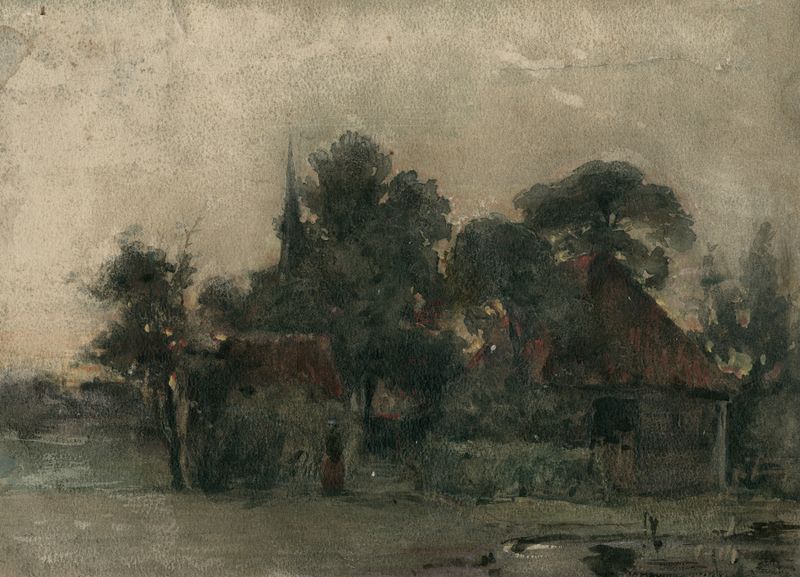
Dorpsgezicht bij avond
Adolf le Comte
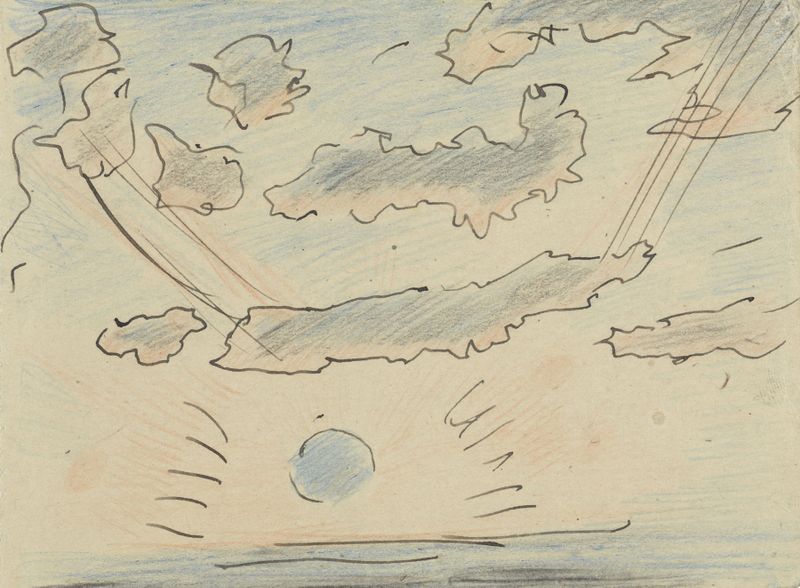
Wolkenstudie met zon
Adolf le Comte
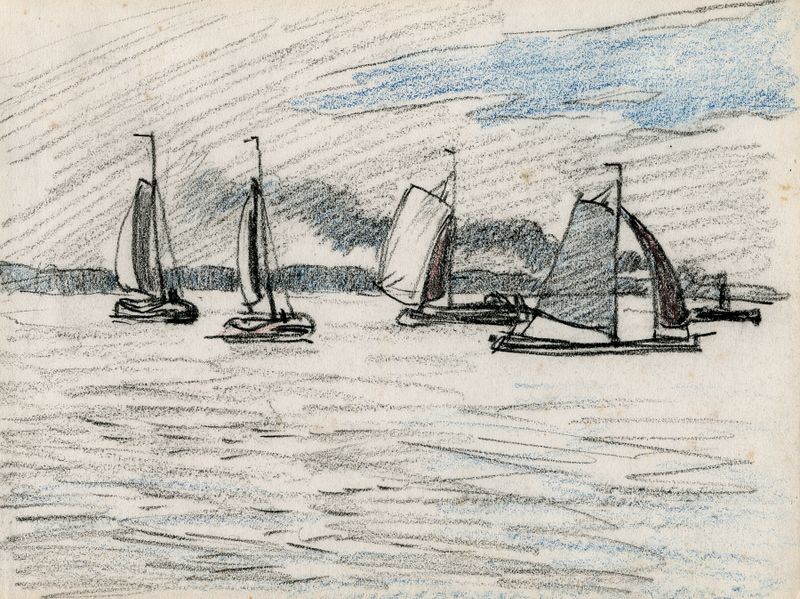
Zeilboten op watervlakte
Adolf le Comte





