
Het kruien van het ijs op de Maas te Rotterdam — History & Facts
In a world where the elements clash in a dance of longing and resolution, the ice of the Maas becomes a mirror reflecting human aspirations and struggles. Look closely at the foreground; a flurry of figures labor tirelessly against the frost, their bodies bent and intertwined in a unified effort. The muted palette of blues and grays captures the chill of the scene, while soft strokes of white suggest the delicate crystalline structure of the ice. Notice how the light glimmers on the surface, hinting at both the beauty and danger present, guiding the viewer’s gaze toward the rhythmic flow of activity amidst the stark winter landscape. As you absorb the bustling energy, observe the contrasts woven into the painting.
The tension between the vibrant human spirit and the cold, unyielding ice speaks to a deeper yearning for connection and warmth. The workers, saturated in hues of earthy browns, stand out against the icy backdrop, symbolizing resilience against nature's indifference. Perhaps this juxtaposition reflects not only the struggle against the elements but also the broader human quest for meaning and intimacy in an unforgiving world. In 1907, Adolf le Comte painted this work during a period marked by a growing interest in capturing modern life’s complexities.
Living in Rotterdam, he was deeply influenced by the industrial changes reshaping society. This piece encapsulates the transience of human effort against nature’s vastness, showcasing a moment that resonates with contemporary themes of perseverance and the interplay between man and environment.
More Artworks by Adolf le Comte
Browse all →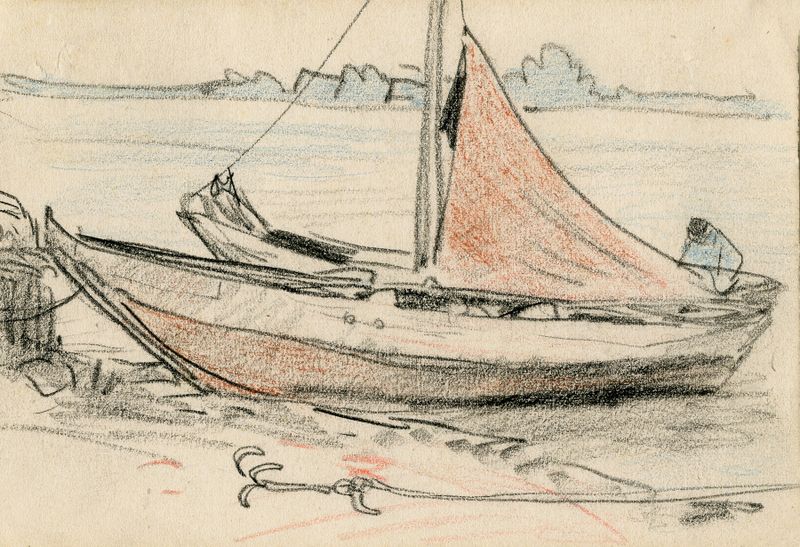
Op de oever getrokken schuit
Adolf le Comte
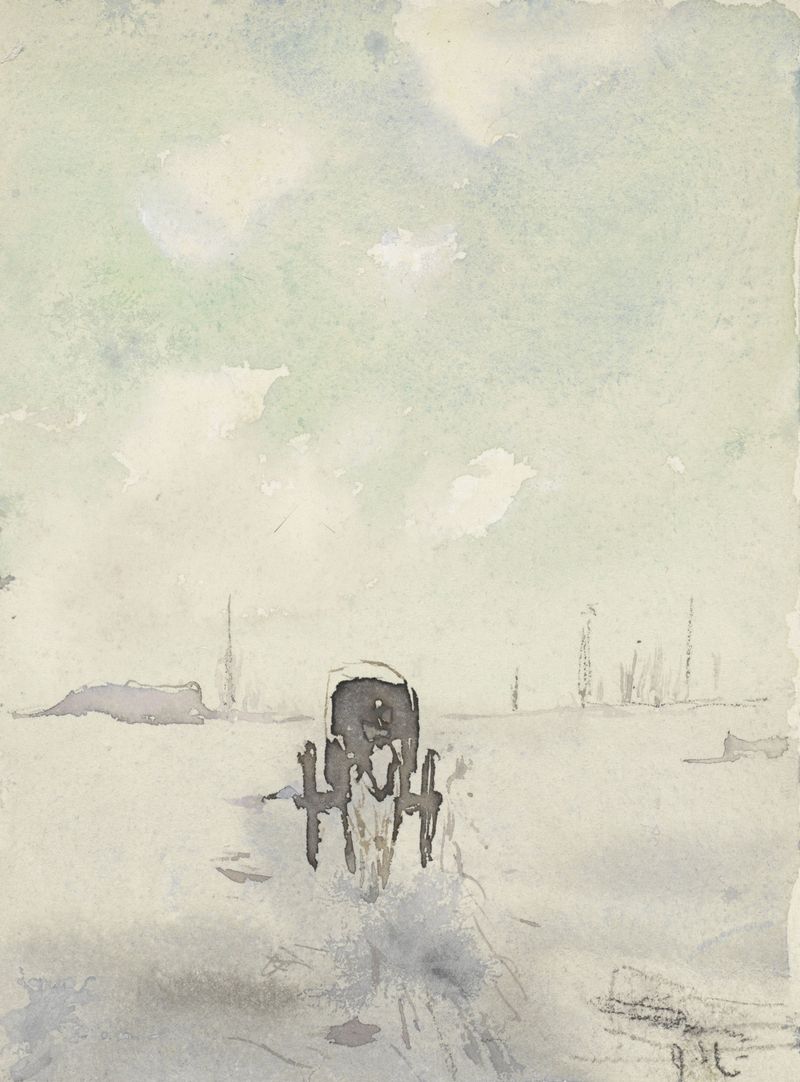
Winterlandschap met paard en wagen
Adolf le Comte
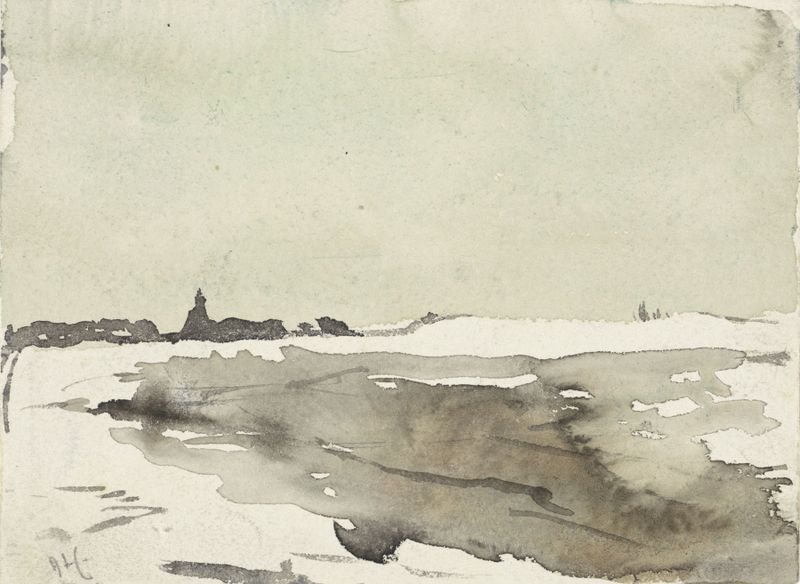
Winterlandschap met kerkje in het verschiet
Adolf le Comte
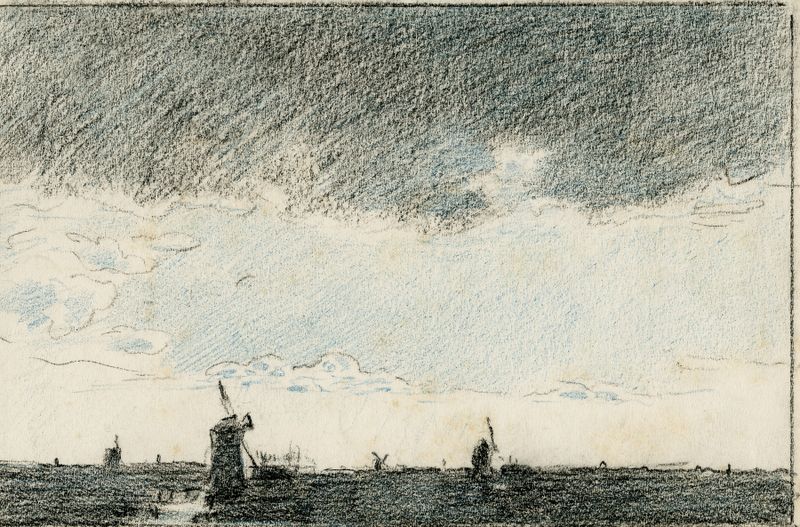
Molens in vlakte bij regen
Adolf le Comte
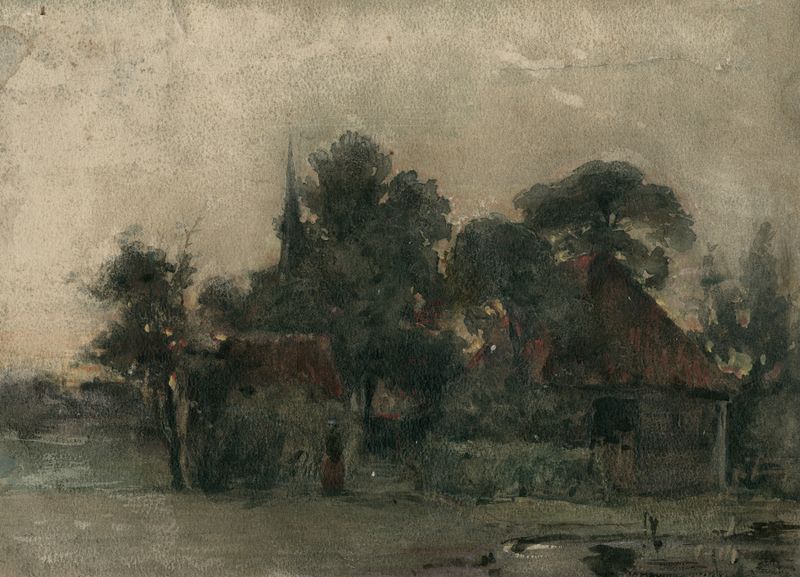
Dorpsgezicht bij avond
Adolf le Comte
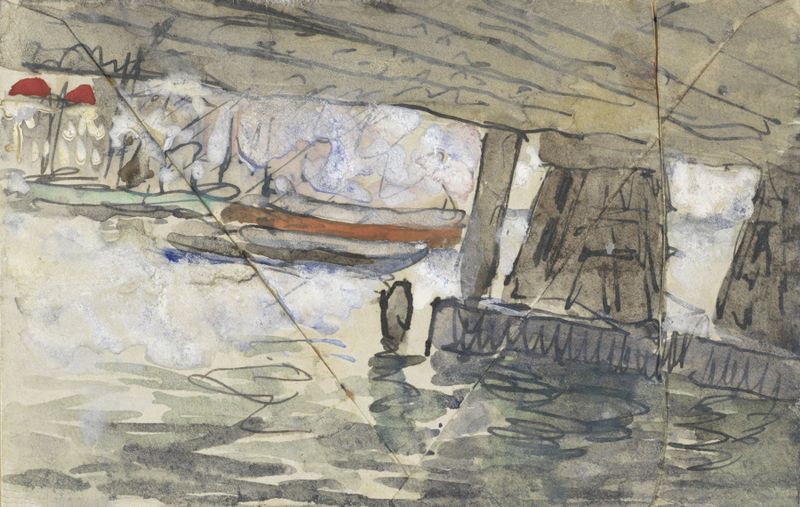
Gezicht onder een spoorviaduct te Amsterdam
Adolf le Comte
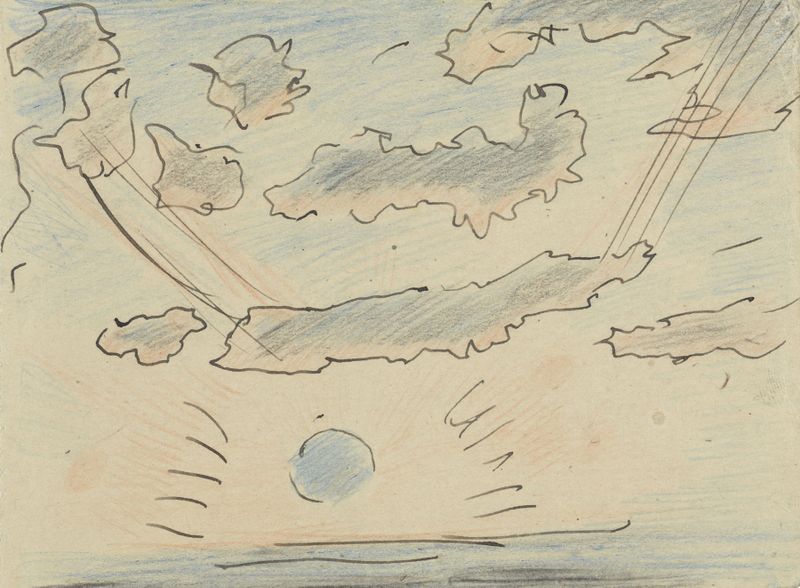
Wolkenstudie met zon
Adolf le Comte
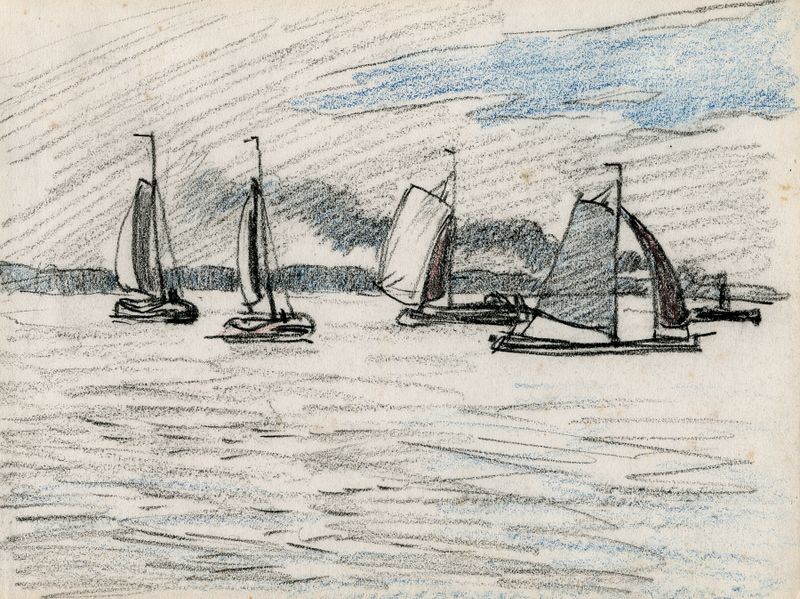
Zeilboten op watervlakte
Adolf le Comte





