
Dorpskerk — History & Facts
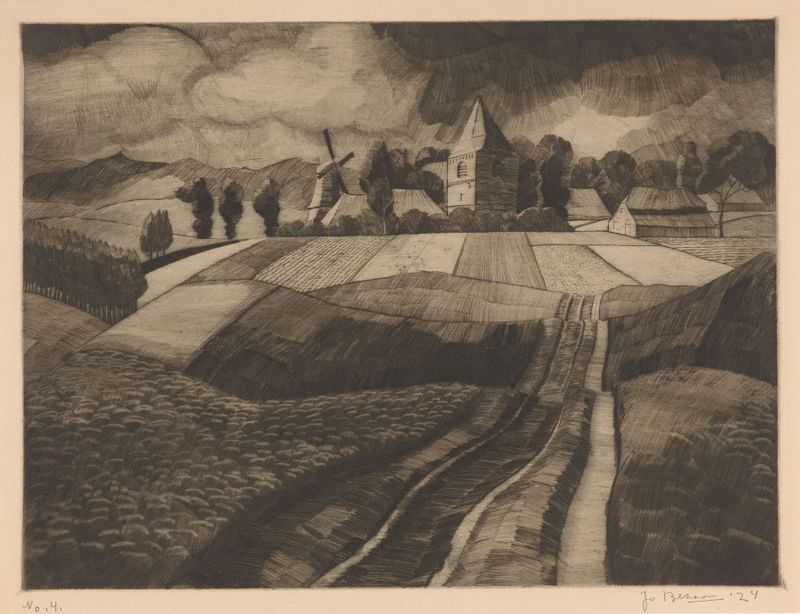
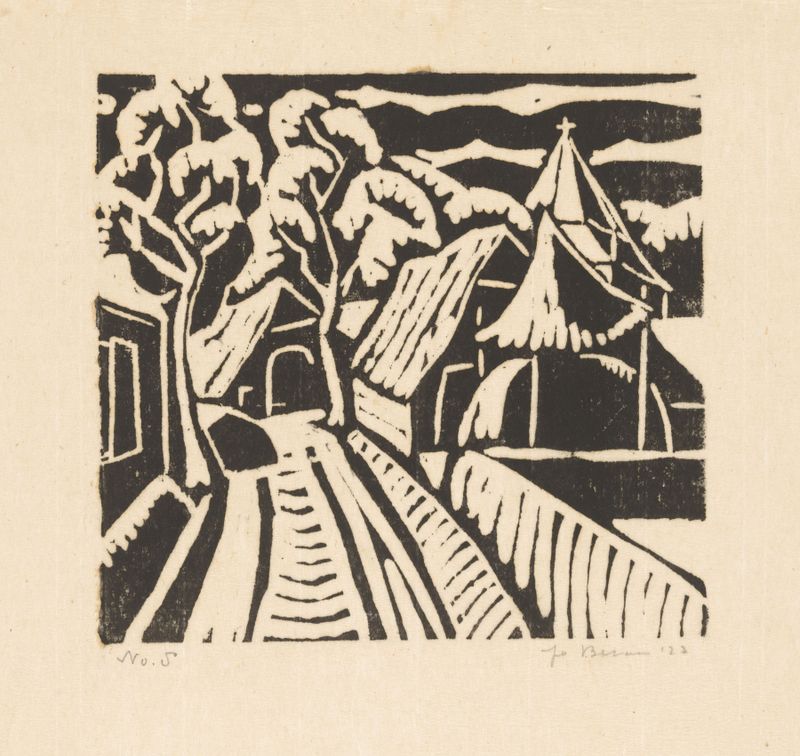
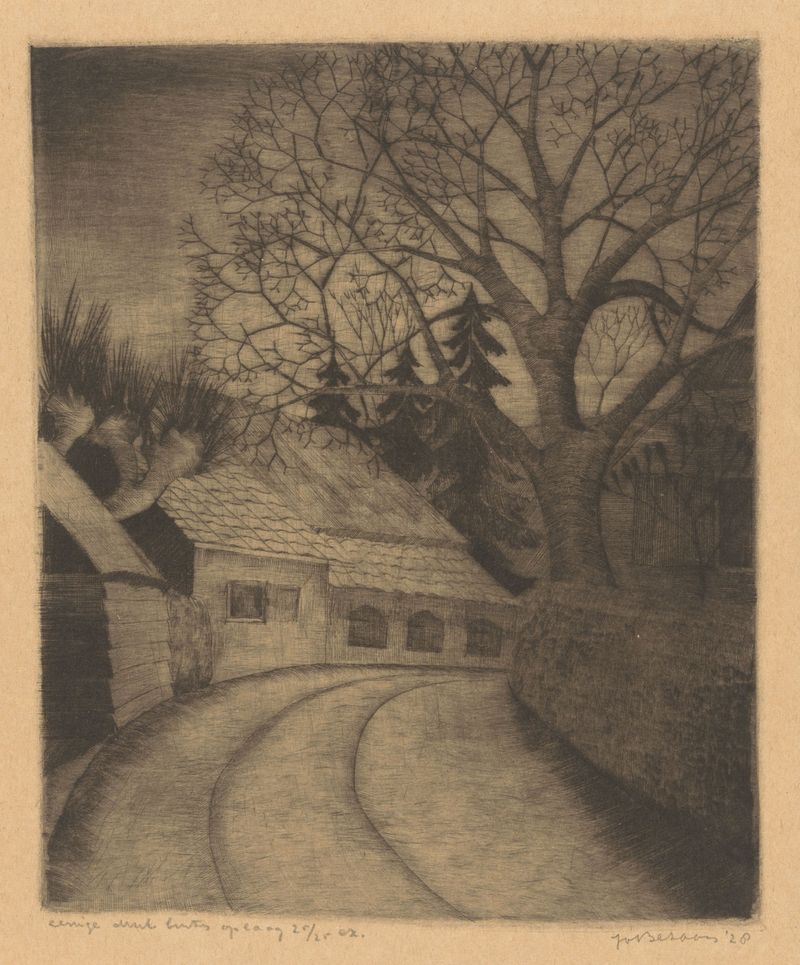
It speaks to the weight of history, a legacy etched in the bones of a village and its church. Beneath the stoic façade of Dorpskerk, a story unfolds, begging to be heard. Look to the towering steeple, its pointed apex reaching for the heavens, while bright, muted greens embrace the structure, blending nature with devotion. Notice how the light filters through the weathered stones and dapples the ground, capturing the passage of time in fleeting moments.
The textures of the walls, rough and uneven, suggest countless prayers whispered into the ether, each stroke of paint a testament to resilience and community. Amidst the tranquil exterior lies a tension between permanence and transience. The weathered façade hints at centuries of worship and the stories held within, juxtaposed with the soft encroachment of nature, reminding viewers of inevitability and change. The shadows cast by surrounding trees speak of the lives that have come and gone, their essence lingering silently in the air, inviting reflection on the fragility of human existence amidst steadfast constructs. In 1924, Jo Bezaan painted this piece during a period of artistic exploration in the Netherlands, where traditional forms began to blend with modernist influences.
Life was in flux, as the country sought to redefine itself post-World War I, much like the church depicted—grounded in history yet gazing toward an uncertain future. This work symbolizes not only architectural legacy but also the emotional landscapes of community and memory in a rapidly changing world.
More Artworks by Jo Bezaan
Browse all →
More Architecture Art
Browse all →
The statue of Liberty
Frédéric Auguste Bartholdi

View of Houses in Delft, Known as ‘The Little Street’
Johannes Vermeer

View of Houses in Delft, Known as ‘The Little Street’
Johannes Vermeer

The Cathedral in Rouen. The portal, Grey Weather
Claude Monet

The yellow house
Vincent van Gogh

The Church in Auvers-sur-Oise, View from the Chevet
Vincent van Gogh