
[…] Dorum stimme alli guete Schwyzer Jo — History & Facts
A sense of caricatured menace runs through every panel of Otto Plattner’s […] Dorum stimme alli guete Schwyzer Jo, where the exaggerated forms and acid humor draw the viewer into a political cartoon that is as much a warning as a story. The eye is caught first by the bold use of red—spilling, staining, and swelling—until it dominates the page, a visual shorthand for Moscow’s influence and the specter of communism. Each frame unfolds with theatrical clarity: a sinister figure injects a limp character before the scene shifts to a marionette-like march, then to a grotesque feast where the swelling red figure bullies aside the Swiss matron, commandeering her bowl.
The onlookers, rendered in stark black and white, become a silent Greek chorus, their alarm and impotence underscoring the cartoon’s message. The sequence is both comic and chilling, the distortion of bodies and faces amplifying the sense of threat and absurdity. Created in 1938, this work belongs to a turbulent moment when political satire was a weapon wielded in posters, pamphlets, and newspapers across Europe. In Switzerland, artists like Plattner harnessed the visual language of caricature to warn against foreign ideologies and defend national identity, often targeting the perceived dangers of communism with biting humor.
Such works were typically commissioned by political groups or civic organizations, intended to sway public opinion in the fevered atmosphere before World War II. The hand-lettered dialect and local references root this poster firmly in Swiss soil, while its self-scanned survival in a digital collection today is a reminder of how history keeps certain images alive—not for their fame, but for their power to provoke and persuade. The longer you look, the more the cartoon’s uneasy laughter lingers.
More Artworks by Otto Plattner
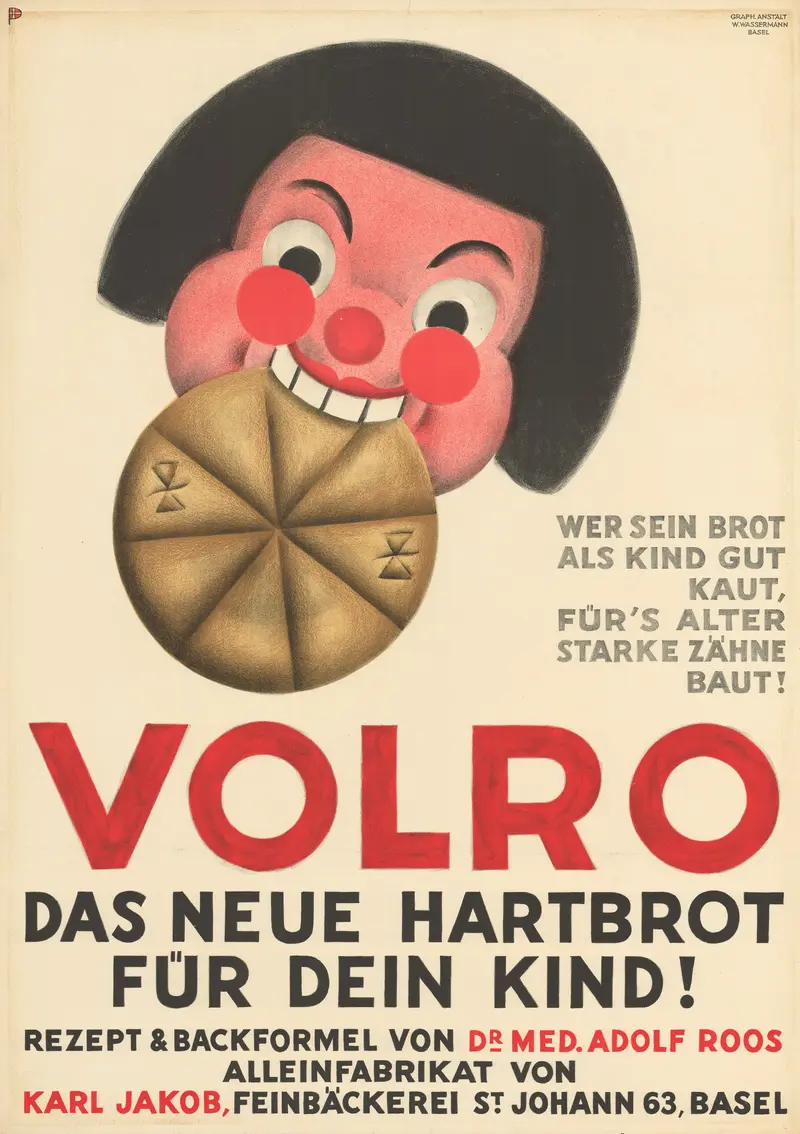
Volro – Das neue Hartbrot für dein Kind
Otto Plattner
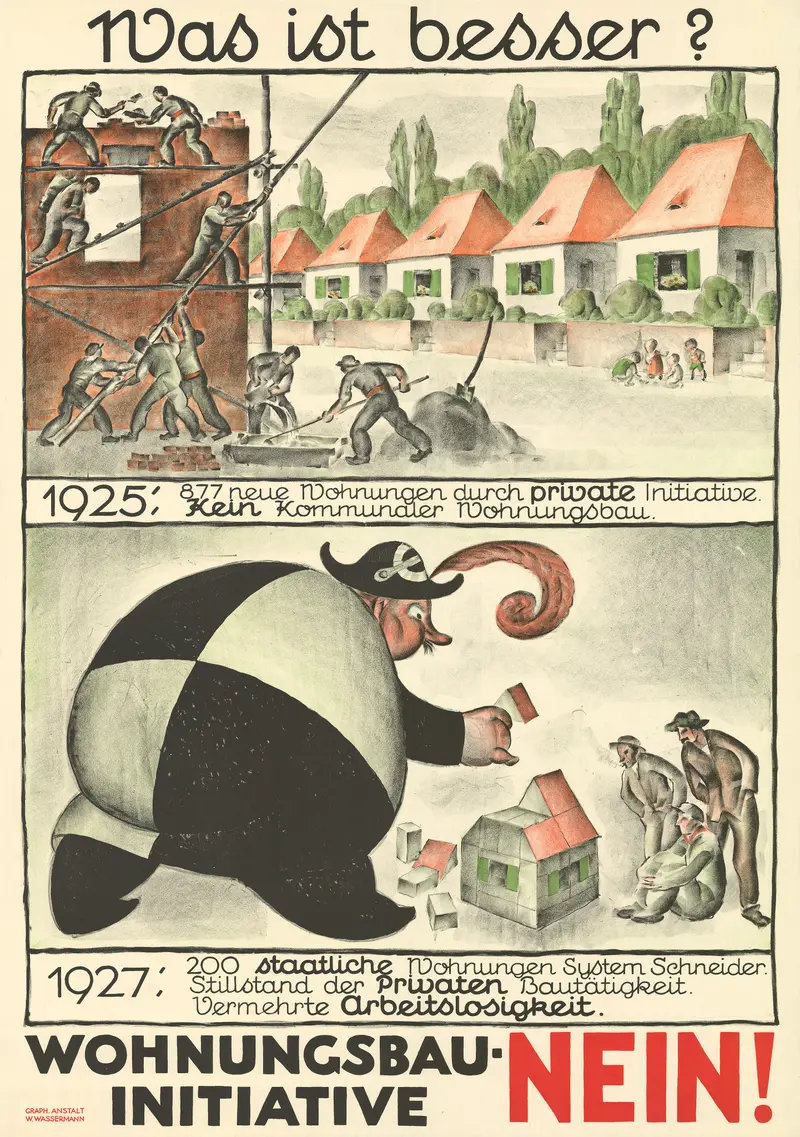
Was ist besser? – Wohnungsbau-Initiative Nein!
Otto Plattner
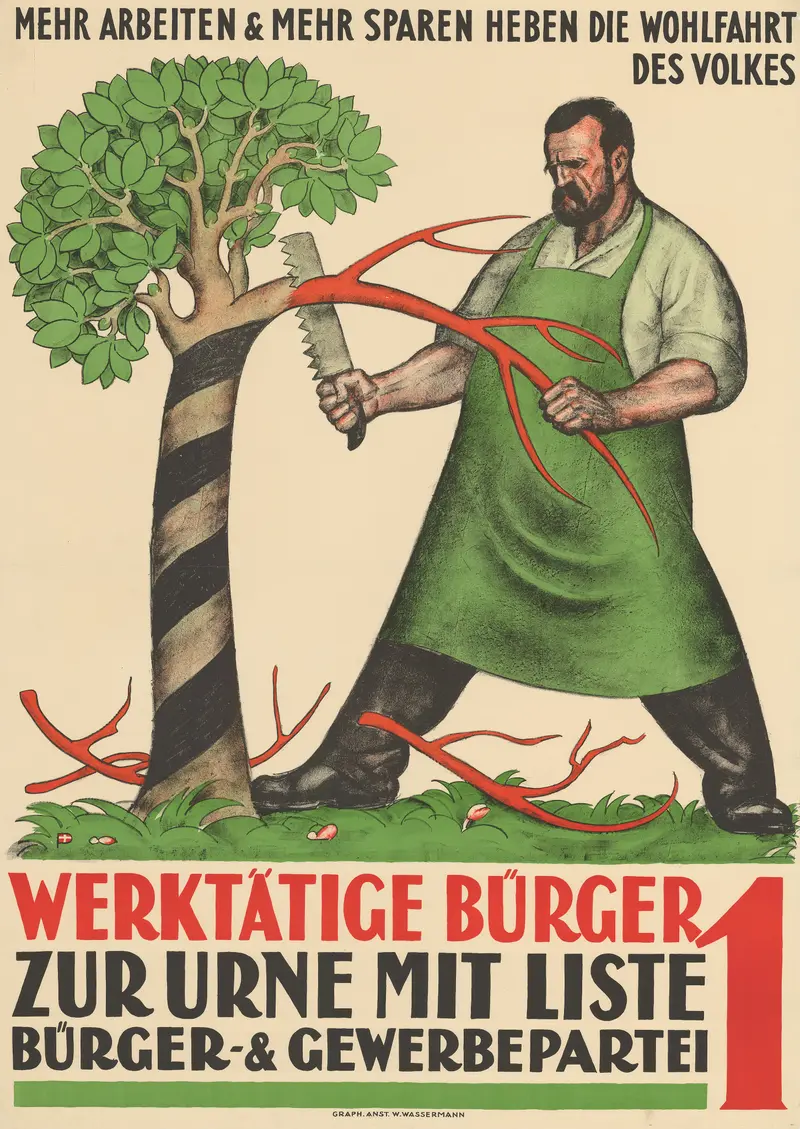
Werktätige Bürger – Zur Urne mit Liste 1 – Bürger- & Gewerbepartei
Otto Plattner
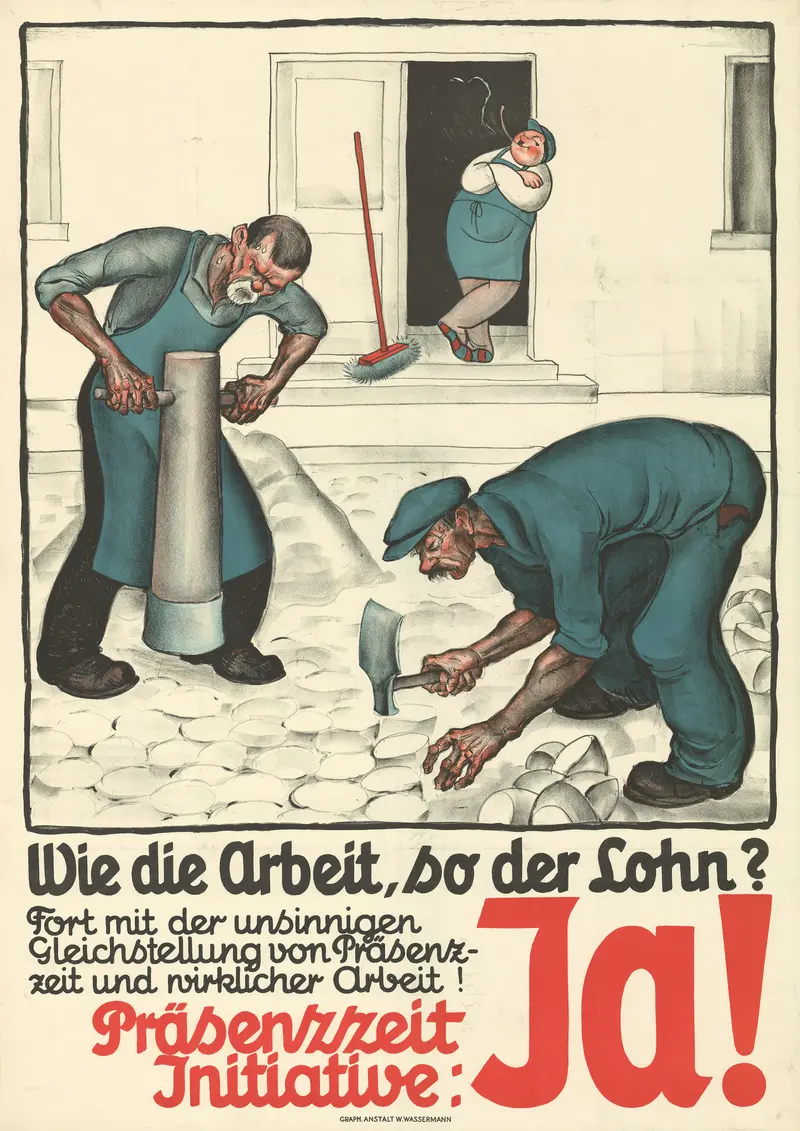
Wie die Arbeit, so der Lohn? Präsenzzeit-Initiative: Ja!
Otto Plattner

Zu den eigenen Lasten soll die Stadt auch noch die der Vororte tragen? – Wiedervereinigung Nein
Otto Plattner
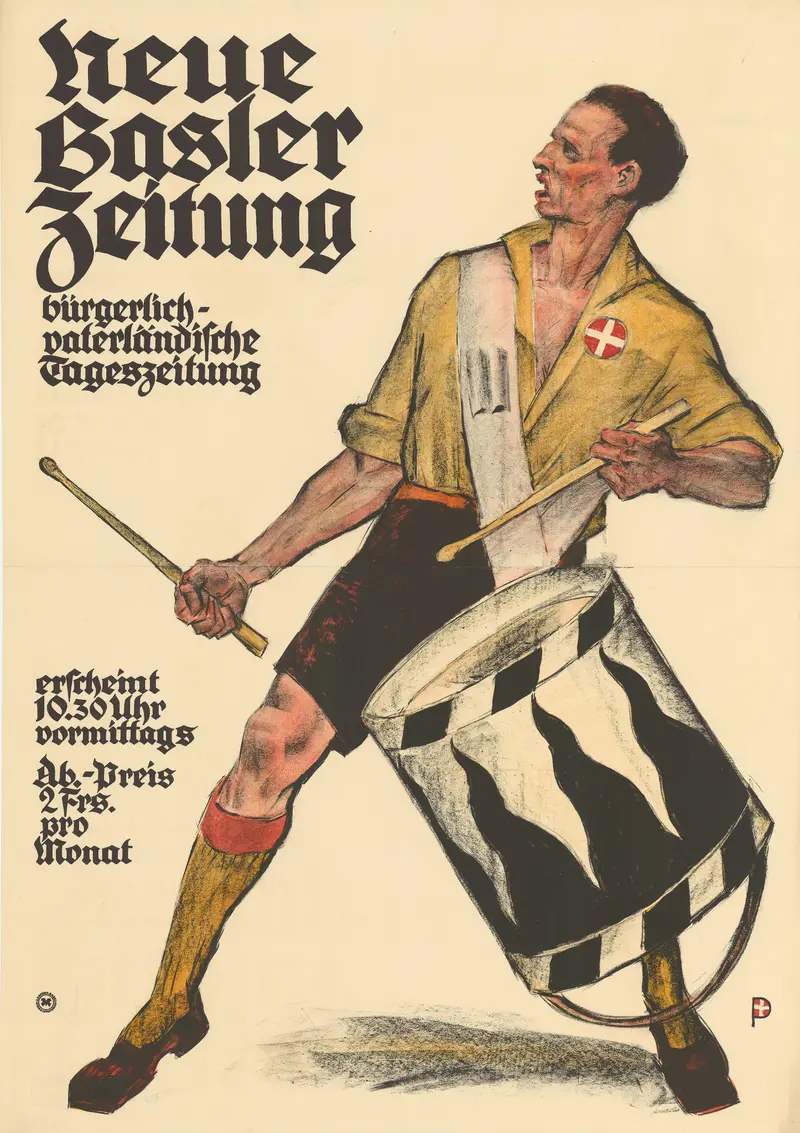
Neue Basler Zeitung
Otto Plattner
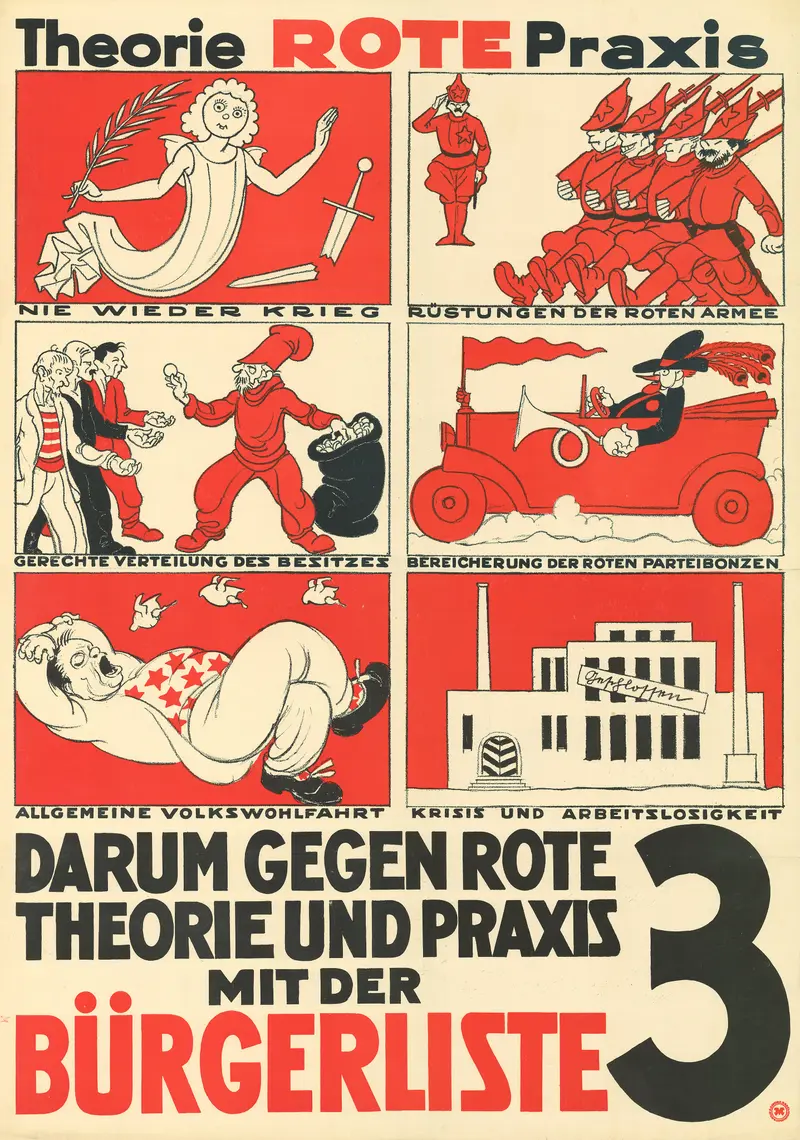
Gegen rote Theorie und Praxis – Bürgerliste 3
Otto Plattner
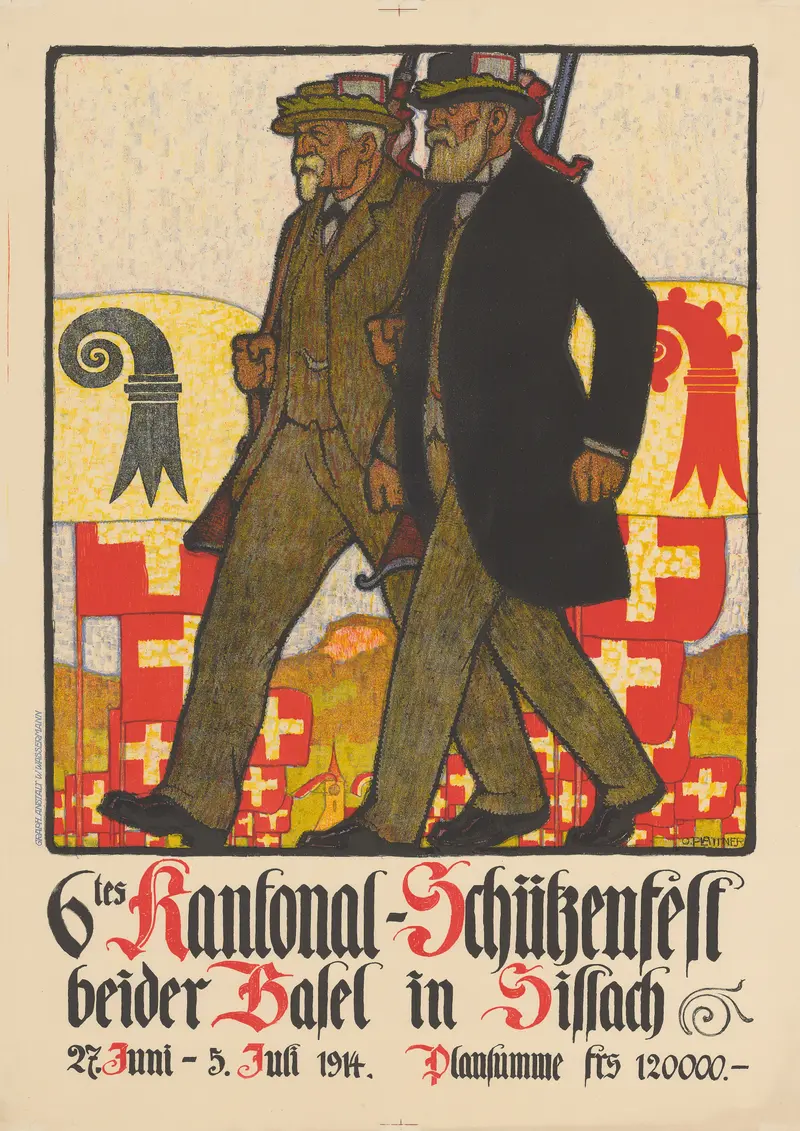
6tes Kantonal-Schützenfest beider Basel in Sissach
Otto Plattner
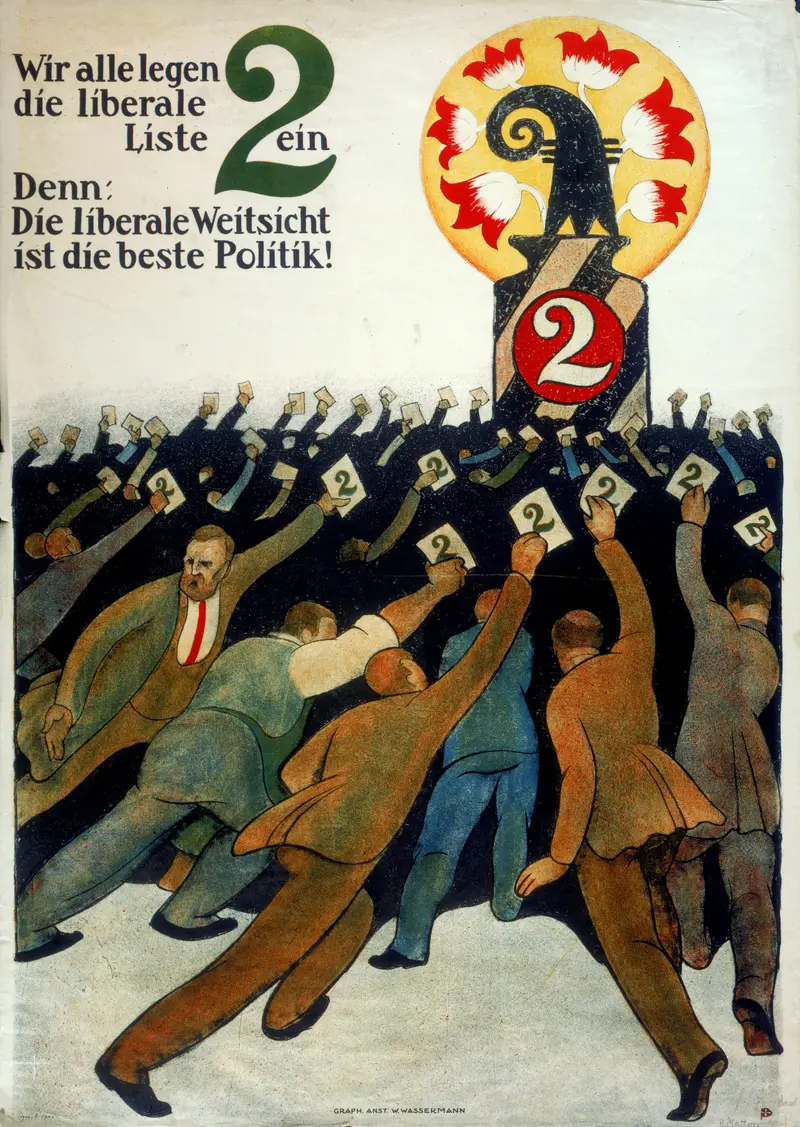
CH-NB Poster Collection SNL POL 370
Otto Plattner
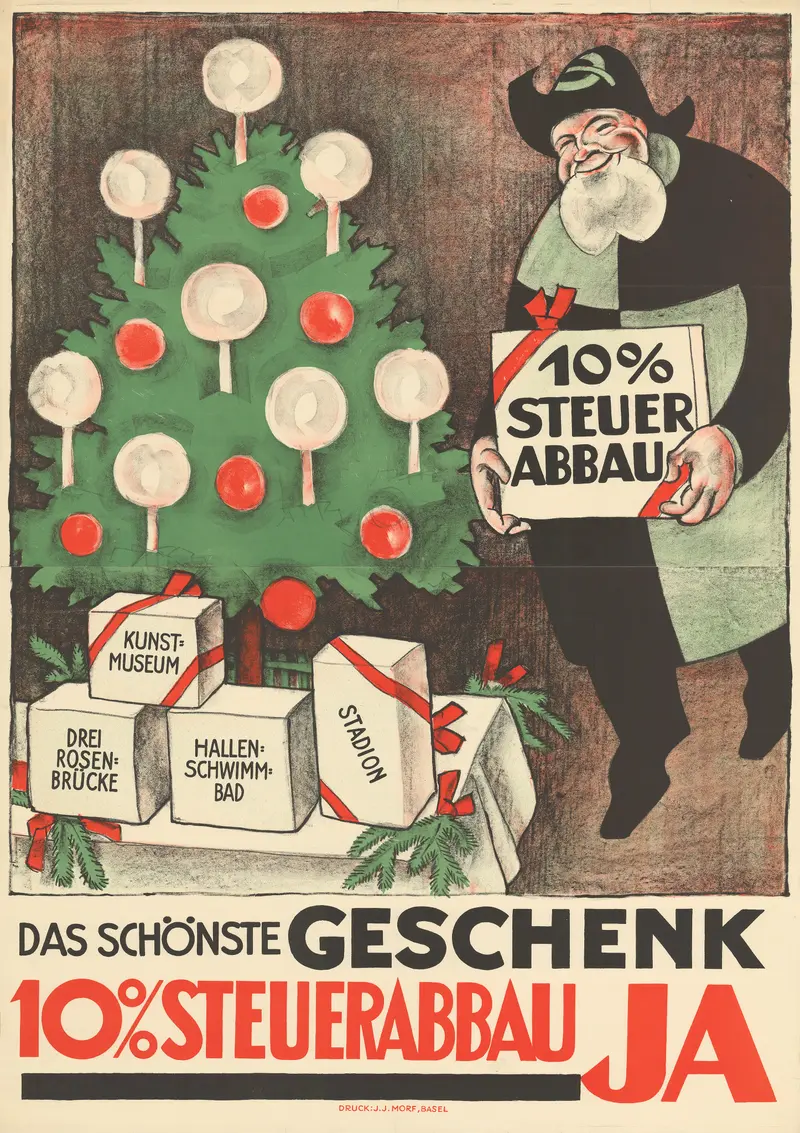
Das schönste Geschenk – 10% Steuerabbau – Ja
Otto Plattner





