
Dr. Horatio C. Wood — History & Facts
In Dr. Horatio C. Wood, Thomas Eakins presents a striking portrait of the physician.
The painting features a somber color palette dominated by deep browns and muted greens. Dr. Wood is depicted seated, dressed in a dark suit, with a thoughtful expression that suggests his intellectual depth.
The background is subtly rendered, allowing the viewer to focus on the figure's face and posture. Eakins employs oil on canvas to create this work, which measures approximately 76 x 61 cm. The artist's technique is characterized by a careful attention to detail and a realistic portrayal of his subject. The brushwork is smooth, contributing to the lifelike quality of Dr.
Wood's features. The use of light and shadow enhances the three-dimensionality of the figure. Thomas Eakins was a prominent American realist painter known for his commitment to depicting the human figure with accuracy. Dr.
Horatio C. Wood was painted in the 1890s, during a time when Eakins was exploring the intersection of art and science. An interesting fact about this work is that Dr.
Wood was a notable figure in the field of medicine, particularly known for his contributions to neurology. Eakins' choice to portray him reflects the artist's interest in the intellectual pursuits of his time.
More Artworks by Thomas Eakins

Portrait Of Dr. Samuel D. Gross (The Gross Clinic)
Thomas Eakins
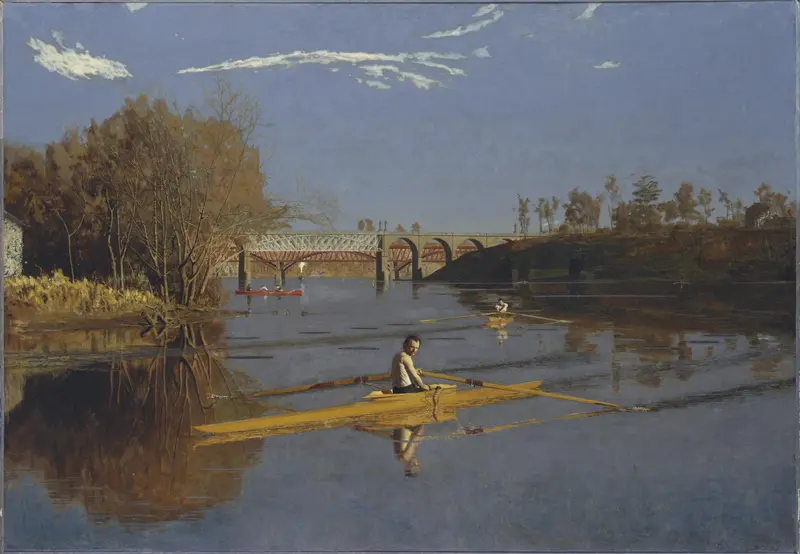
The Champion Single Sculls (Max Schmitt in a Single Scull)
Thomas Eakins
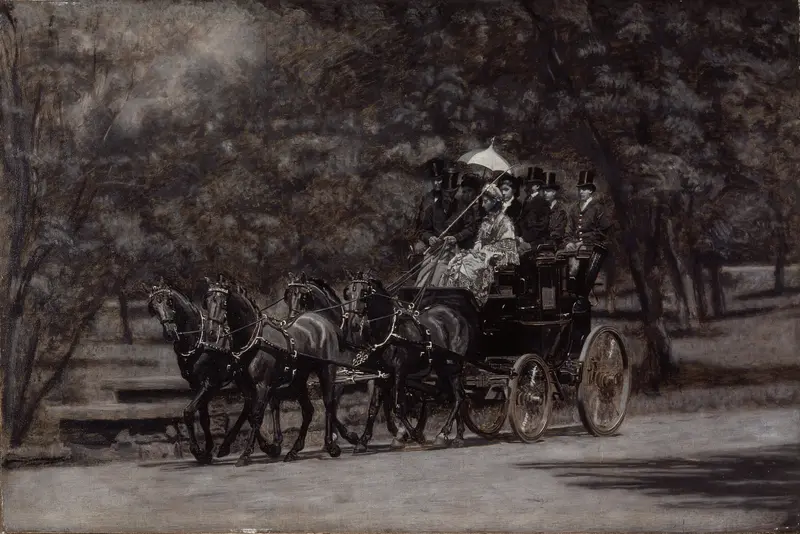
The Fairman Rogers Four-In-Hand (A May Morning in the Park)
Thomas Eakins
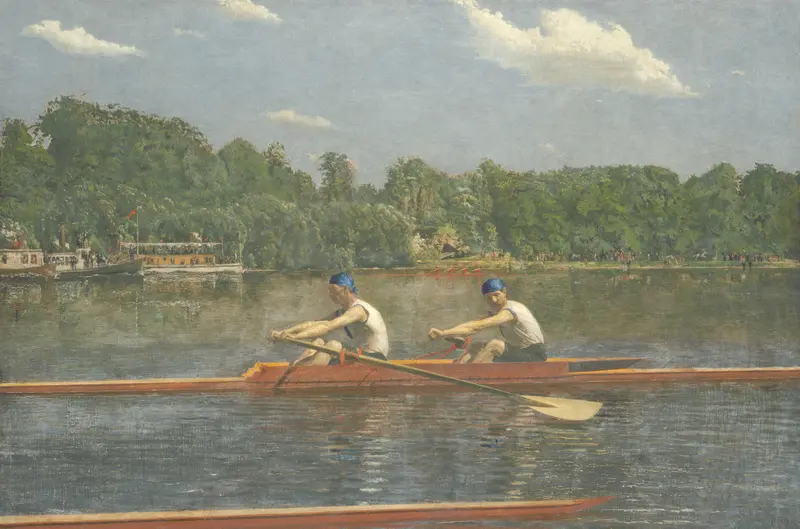
The Biglin Brothers Racing
Thomas Eakins

The Oarsmen (The Schreiber Brothers)
Thomas Eakins
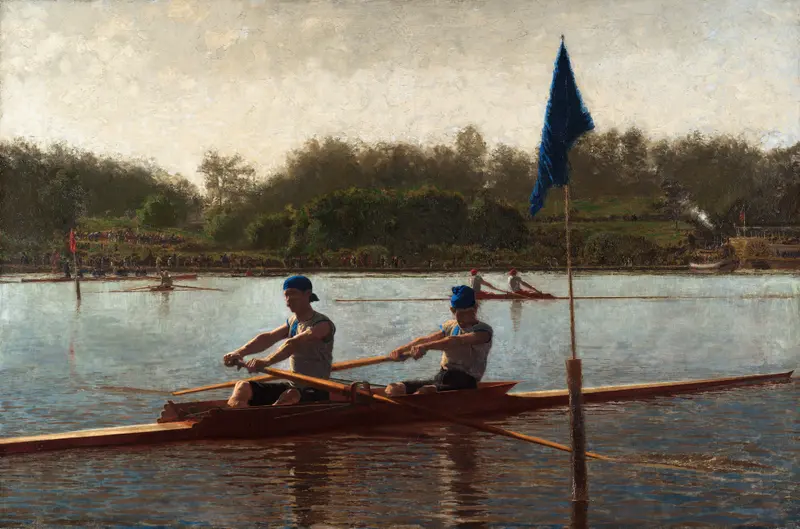
The Biglin Brothers Turning the Stake
Thomas Eakins
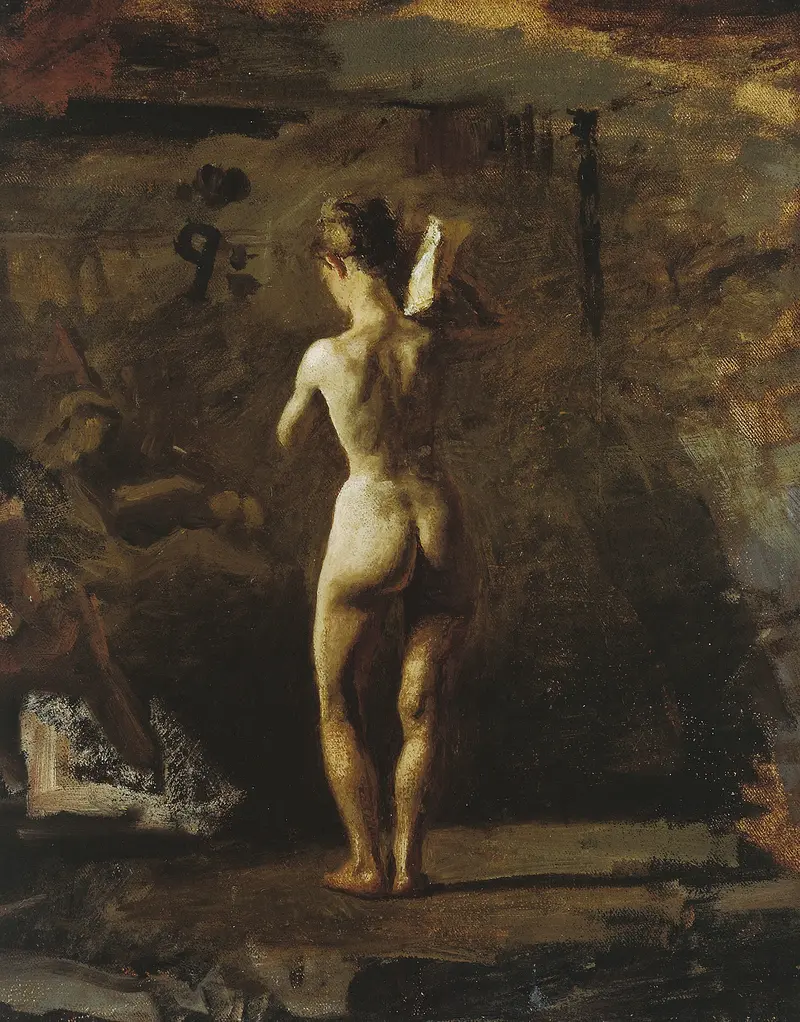
Study for "William Rush Carving His Allegorical Figure of the Schuylkill River"
Thomas Eakins
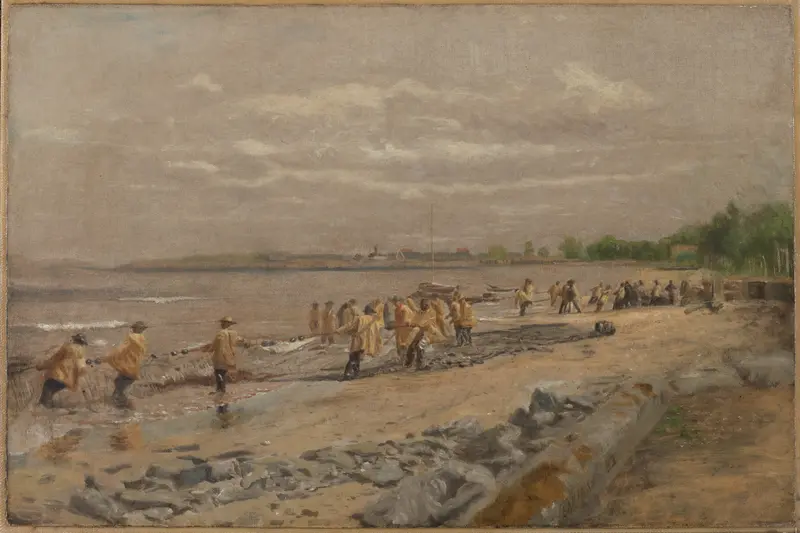
Hauling the Seine
Thomas Eakins
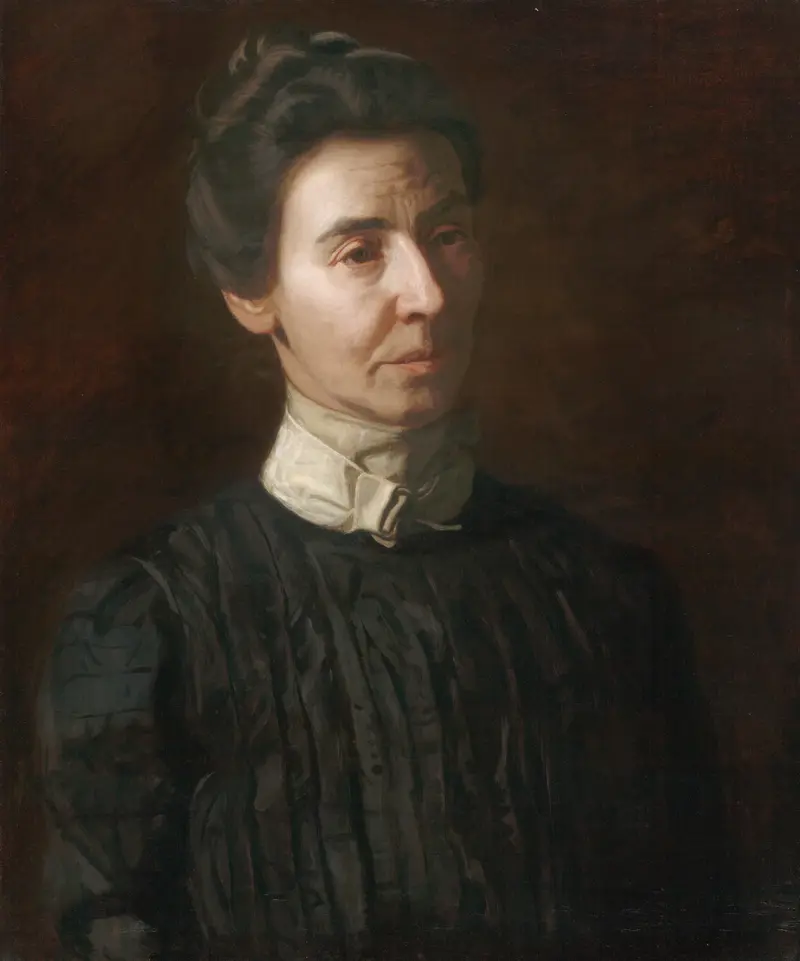
Portrait of Mary Adeline Williams
Thomas Eakins
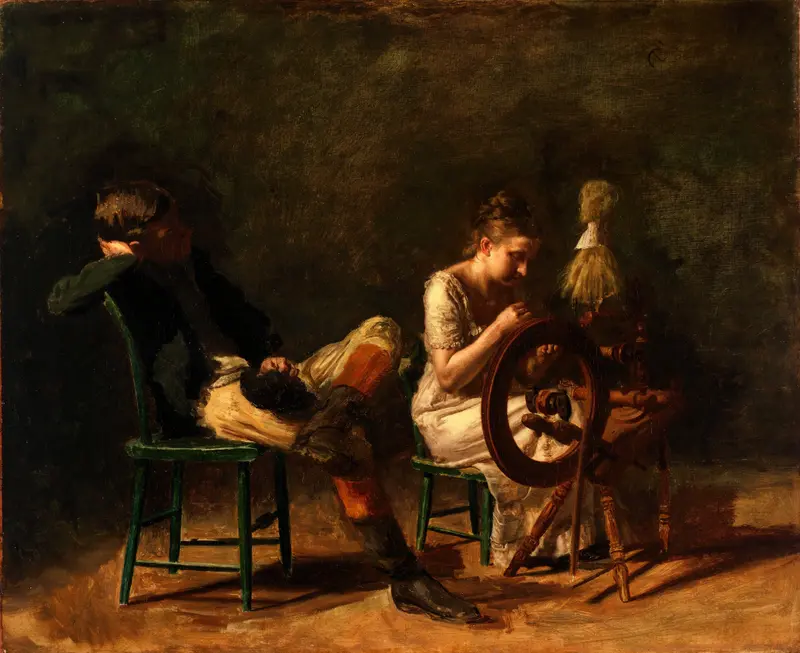
The Courtship
Thomas Eakins





