
Drawing the Eel — History & Facts
This intimate dance between vibrant hues and tranquil tones invites a deep reflection on life’s subtleties. In the early 1650s, a quiet moment was captured, revealing the serene beauty of nature and the interplay of existence. Focus on the foreground, where the gentle curve of the water reflects a delicate harmony of greens and browns. Notice how the eel lies in the artist's careful grasp, its slick, iridescent skin capturing dappled light.
The meticulous attention to detail in the textures, from the smoothness of the fish to the roughness of the surrounding landscape, draws the viewer into a contemplative space, where each stroke whispers the artist's reverence for nature. This painting weaves together themes of life and stillness, exposing the contrast between the fleeting nature of the eel and the persistent calm of its surroundings. The calm waters serve as a mirror reflecting deeper truths about existence, while the eel itself represents both nourishment and survival. Each element is imbued with significance, creating a dialogue between activity and serenity, evoking a meditative state in the viewer. During this period, the artist was deeply rooted in the Dutch Golden Age, a time characterized by its rich exploration of landscapes and still lifes.
While crafting Drawing the Eel, he was likely influenced by the burgeoning interest in the natural world, as his contemporaries sought to elevate the ordinary to moments of beauty and contemplation. This work reflects a personal connection to nature, embodying both the artist's technical prowess and emotional depth.
More Artworks by Salomon van Ruysdael
Browse all →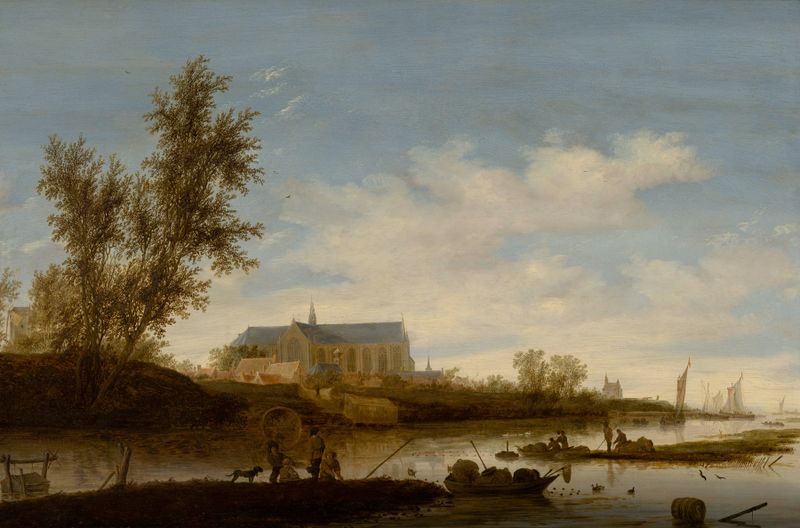
River landscape with fishermen in the foreground, the Laurenskerk in Alkmaar beyond
Salomon van Ruysdael

River Landscape with a View of Naarden
Salomon van Ruysdael
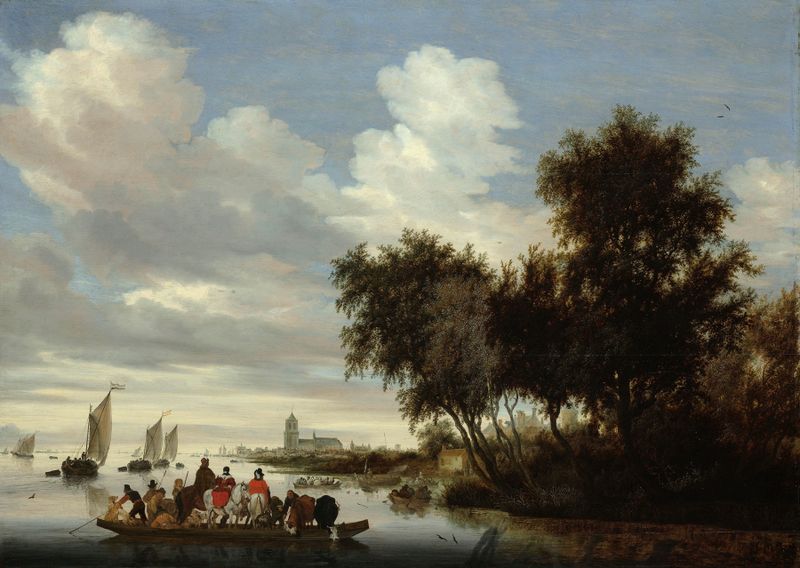
River Landscape with Ferry
Salomon van Ruysdael
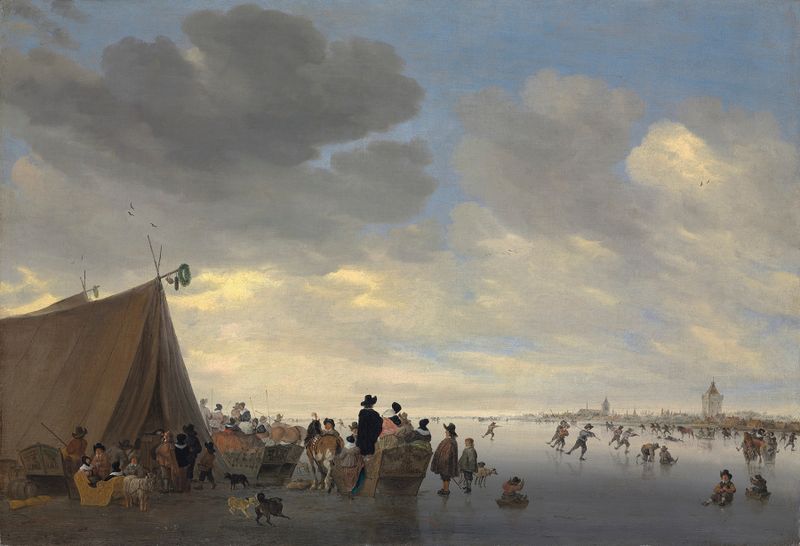
Skaters on the frozen river Lek, the town of Vianen beyond
Salomon van Ruysdael
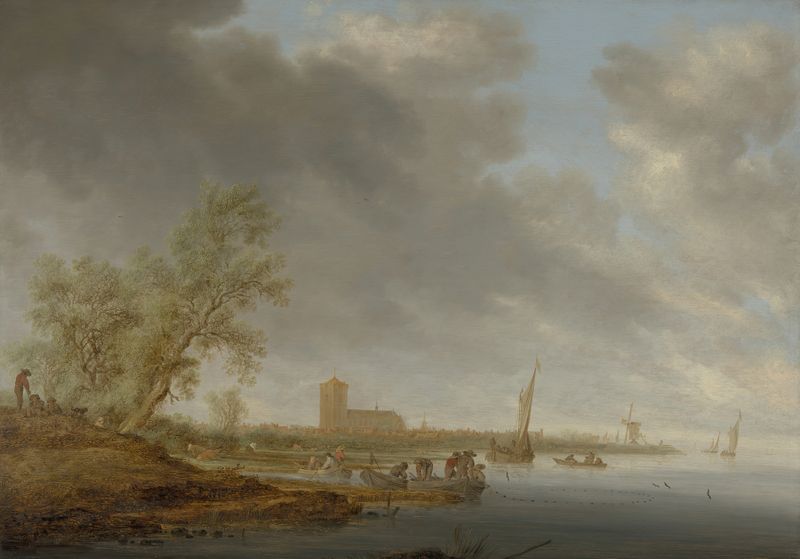
River Landscape with a View of Naarden
Salomon van Ruysdael
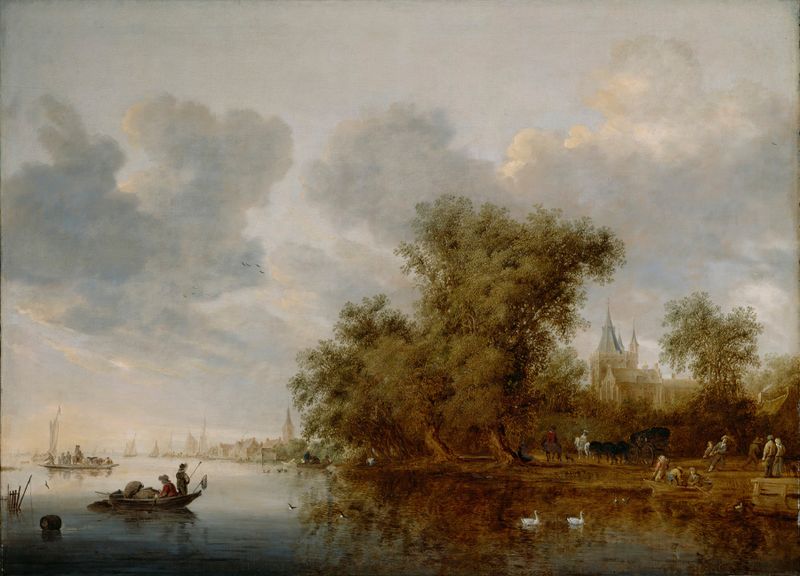
River Landscape
Salomon van Ruysdael
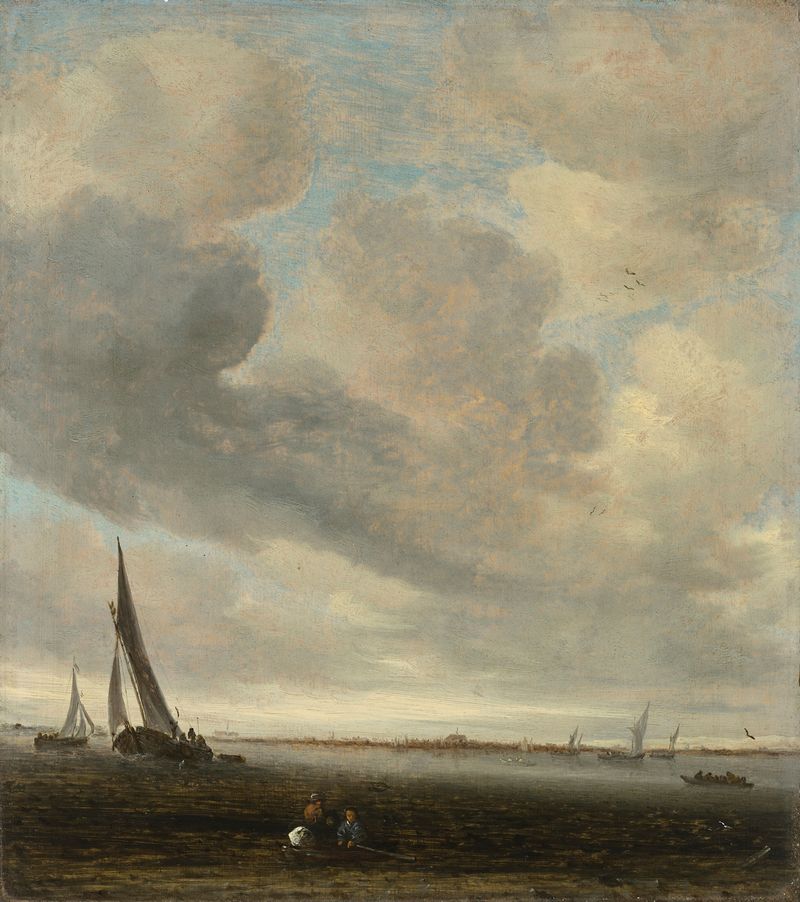
An estuary scene with a distant view of Haarlem
Salomon van Ruysdael
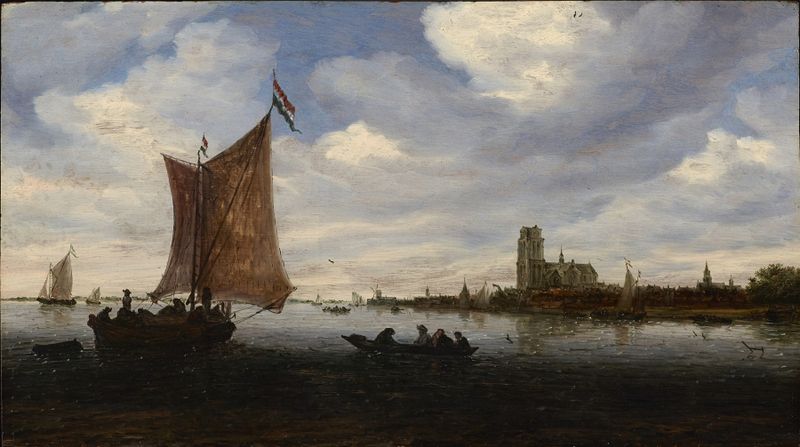
View of Dordrecht
Salomon van Ruysdael
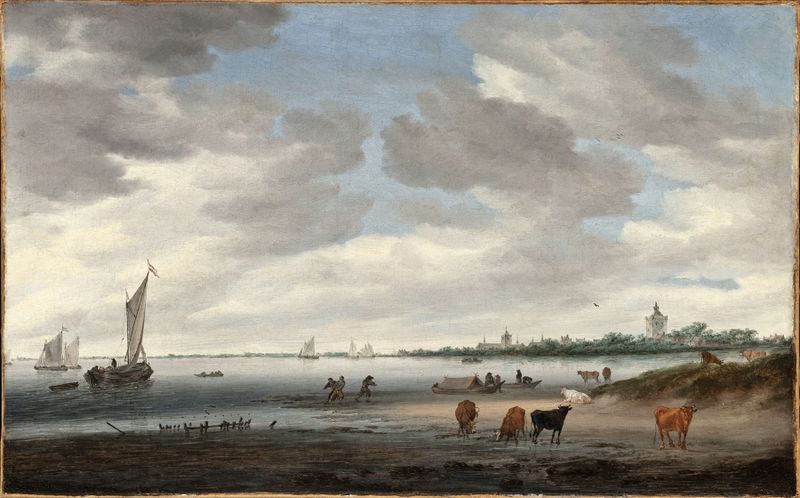
View of the River Lek and the Town of Vianen
Salomon van Ruysdael
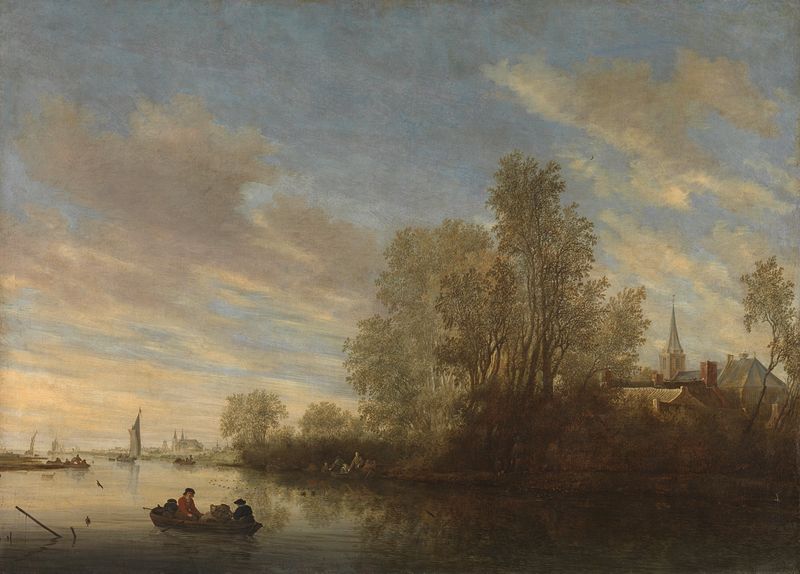
River View near Deventer
Salomon van Ruysdael





