
Drei Weiden hinter einem Lattenzaun — History & Facts
What if beauty was never meant to be finished? In the delicate strokes of Kampmann, we glimpse a world where nature breathes, unfurling in constant motion across the canvas. Look to the left at the three willows, their sweeping branches a dance of green against the muted backdrop. The fence, starkly vertical, serves as both a division and an invitation into the scene, creating a tension between the wild and the cultivated. Light filters through the leaves, casting intricate shadows on the weathered wood, while soft hues evoke the gentle passage of time, suggesting a moment caught between stillness and growth. Beneath the surface of this pastoral setting lies a profound exploration of contrast.
The stiffness of the fence stands resolutely against the fluid elegance of the willows, symbolizing the struggle between civilization and nature. The varying shades of green depict not just foliage but the spectrum of life itself, hinting at the transience of beauty and the inevitability of change. Each brushstroke seems to pulse with life, inviting contemplation of what lies beyond the frame. In 1884, Kampmann painted this work during a time when artists were increasingly drawn to capturing the essence of nature.
Living in Germany, he found inspiration in the romantic ideals of the era, which celebrated the emotive power of landscapes. This piece reflects his desire to weave movement and vitality into the fabric of everyday scenes, a testament to the evolving narrative of the Impressionist movement.
More Artworks by Gustav Kampmann
Browse all →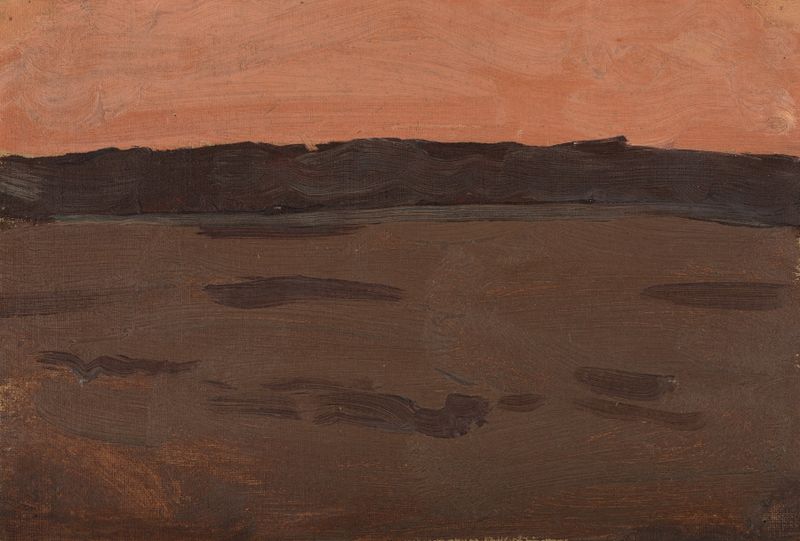
Abendstimmung
Gustav Kampmann

Eisenbahn am Abend
Gustav Kampmann

Nach Sonnenuntergang im Winter
Gustav Kampmann

Blick von der Hornisgrinde
Gustav Kampmann

Hügelige Landschaft mit Baumreihe
Gustav Kampmann
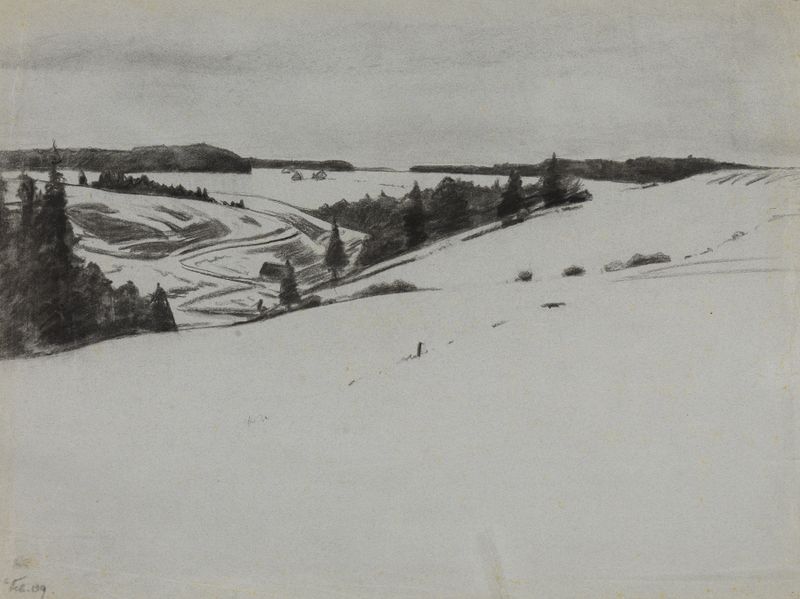
Schneelandschaft bei Königsfeld
Gustav Kampmann
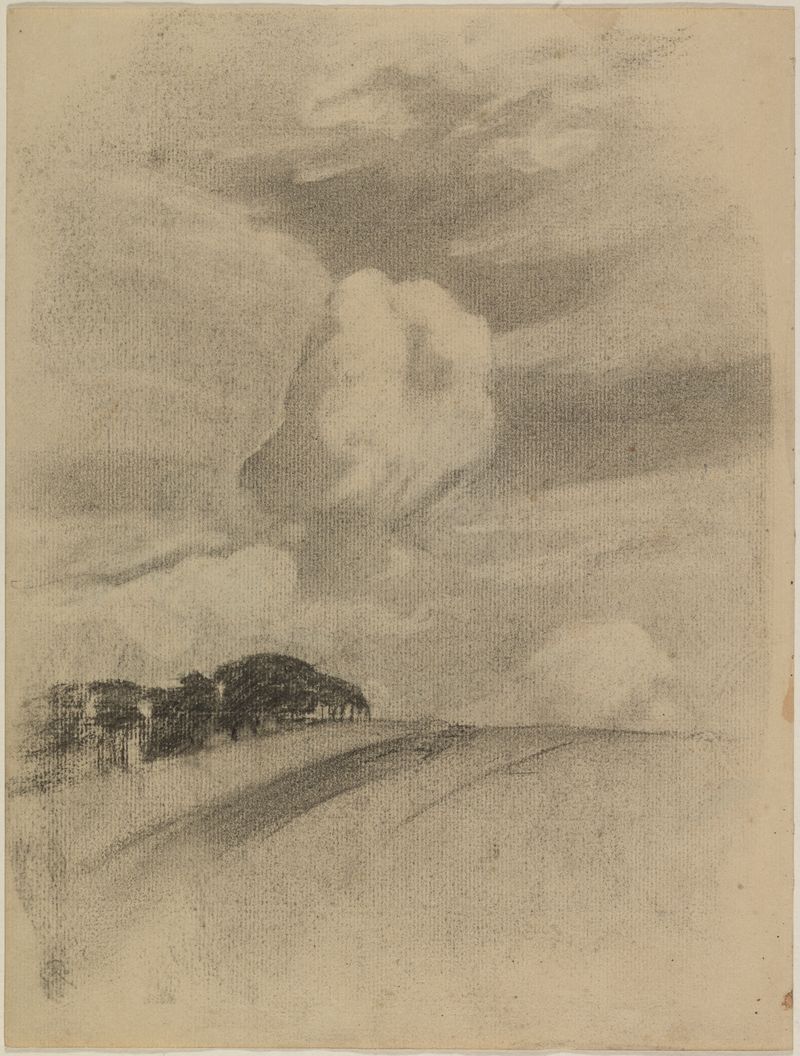
Landschaftsstudie
Gustav Kampmann
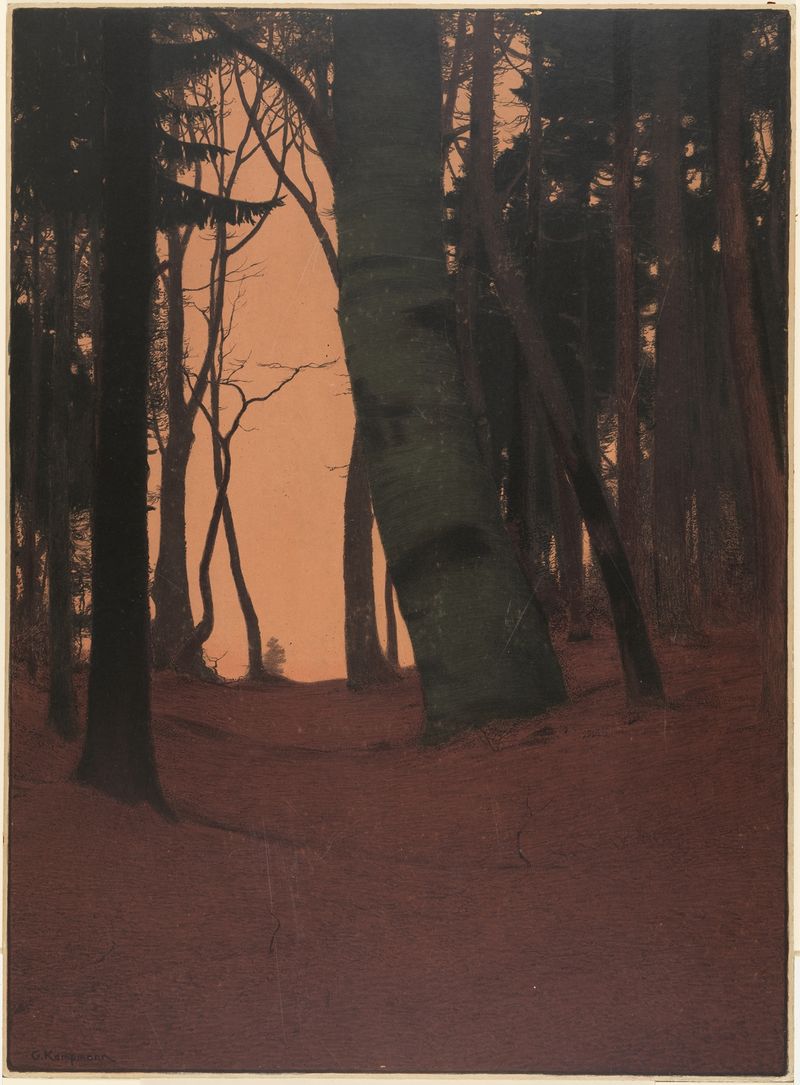
Abend im Wald
Gustav Kampmann

Drei alte Weiden bei Langenpreising
Gustav Kampmann
Baumstamm bei Obersteinbach
Gustav Kampmann





