Drie geiten — History & Facts
In the tranquil embrace of nature, the stillness reveals the awe that exists between man and beast, whispering secrets of existence lost in time. Focus on the gentle curve of the landscape that cradles three goats, their forms almost sculptural against the backdrop of a softly painted sky. Notice how the light dances across the goats' coats, accentuating their textures and creating a harmonious dialogue with the lush greenery surrounding them. Each stroke evokes a sense of softness, as if the artist sought to capture the very essence of pastoral life in a single moment. In the subtle contrasts of color and form, deeper meanings unfold.
The goats, symbols of vitality and untamed spirit, stand as witnesses to the serenity of their environment, embodying a tranquil coexistence that stirs contemplation. The expansive horizon hints at freedom while suggesting that such peace is both fleeting and precious — a reminder of nature's ephemeral beauty and the delicate balance of life. Painted in the midst of the Dutch Golden Age, Berchem created this work between 1648 and 1652, a time when landscapes flourished in artistic significance. In an era marked by exploration and an appreciation for the natural world, he captured the essence of rural life, reflecting both personal and collective experiences.
This period allowed Berchem to hone his distinctive style, merging realism with idealized beauty, forever leaving a mark on the trajectory of landscape painting.
More Artworks by Nicolaes Pietersz Berchem
Browse all →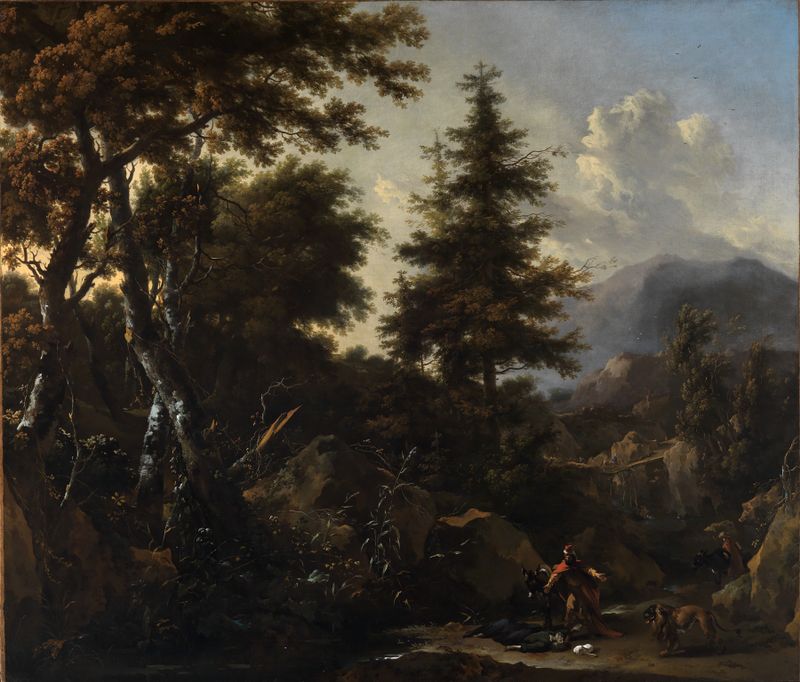
Schlucht im Bergwald mit alttestamentlicher Staffage
Nicolaes Pietersz Berchem
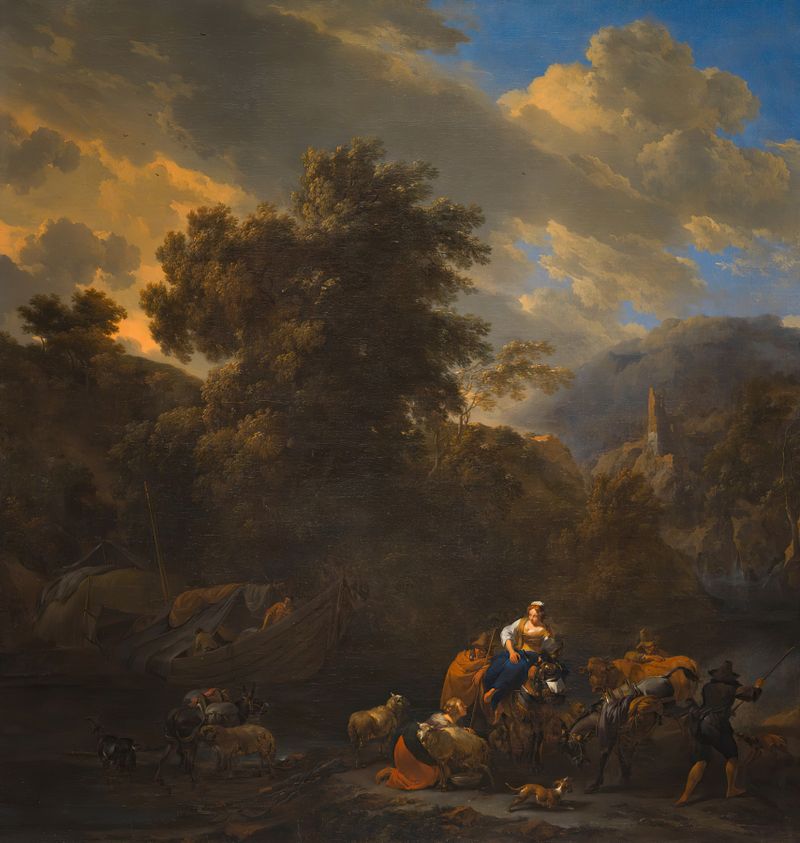
Italianate Landscape with Figures and Pack Animals on the Banks of a River
Nicolaes Pietersz Berchem
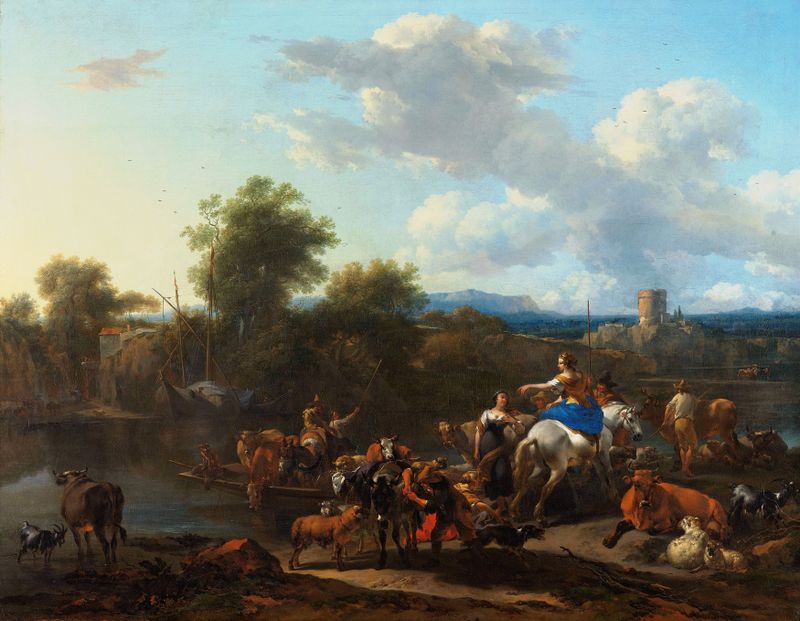
The Cattle Ferry
Nicolaes Pietersz Berchem
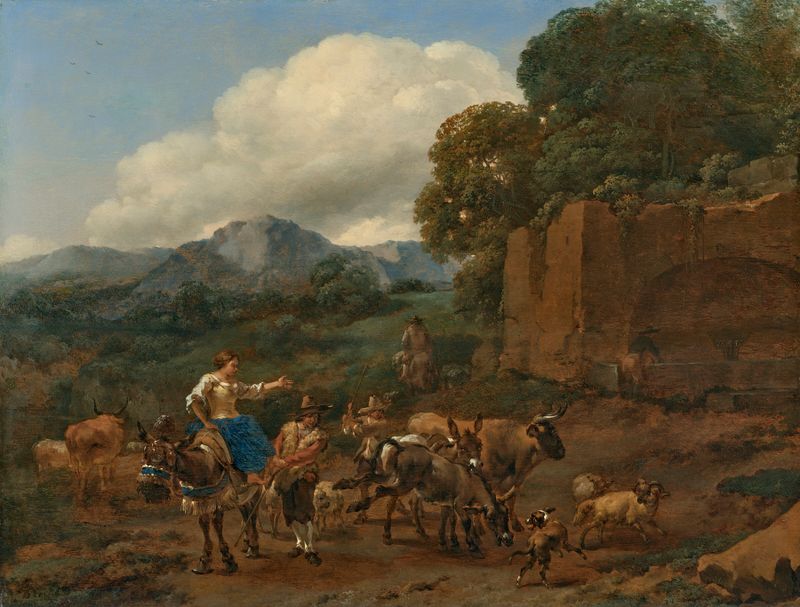
An Italianate landscape with a shepherdess on a mule and a shepherd, herding cattle, sheep, donkeys and dogs on a mountain track next to ruins
Nicolaes Pietersz Berchem
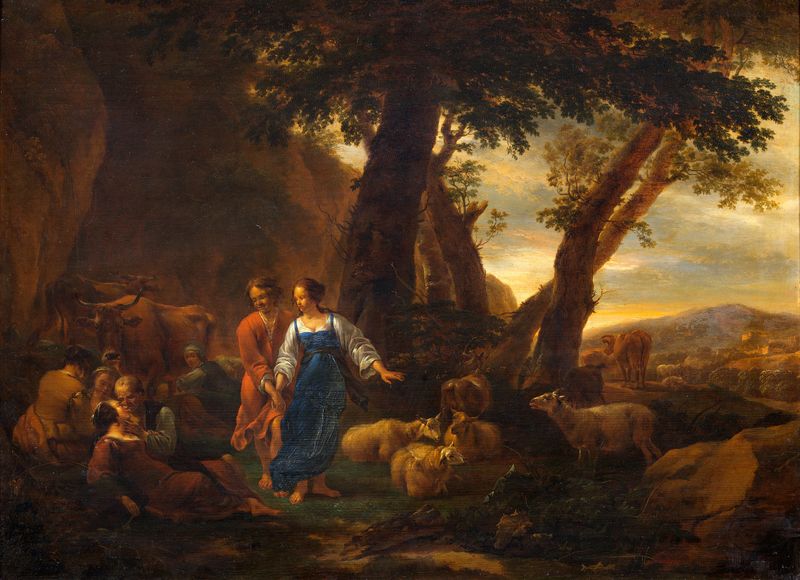
Landscape with Peasants and Cattle
Nicolaes Pietersz Berchem
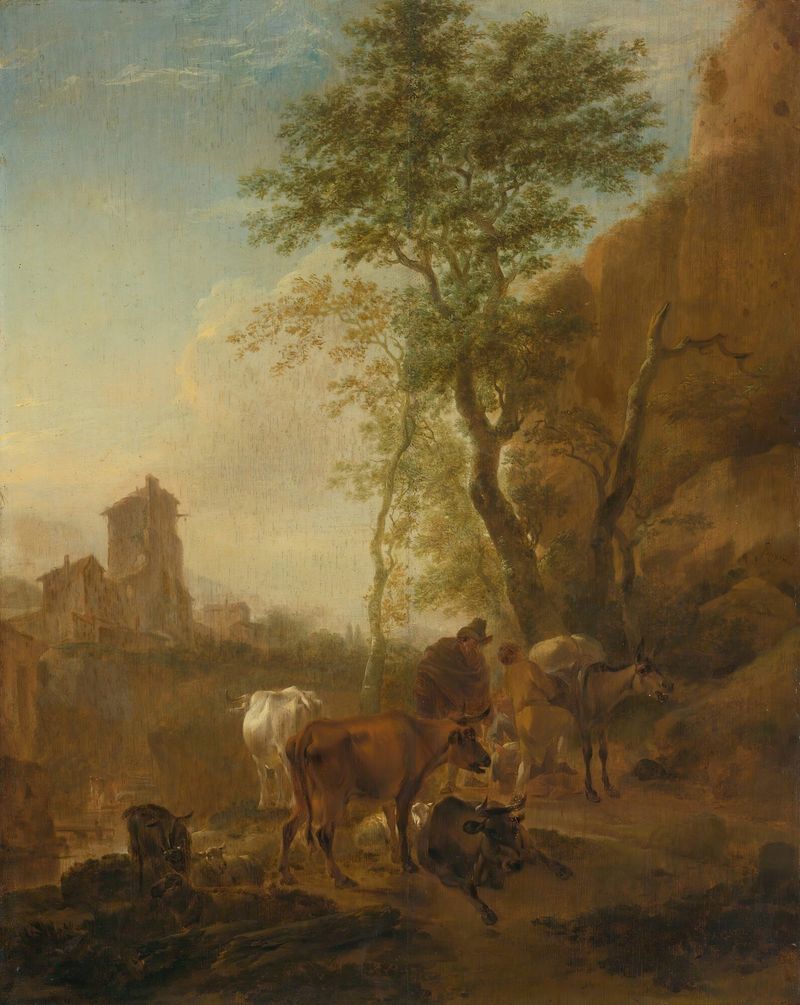
Italianate Landscape With Cows
Nicolaes Pietersz Berchem
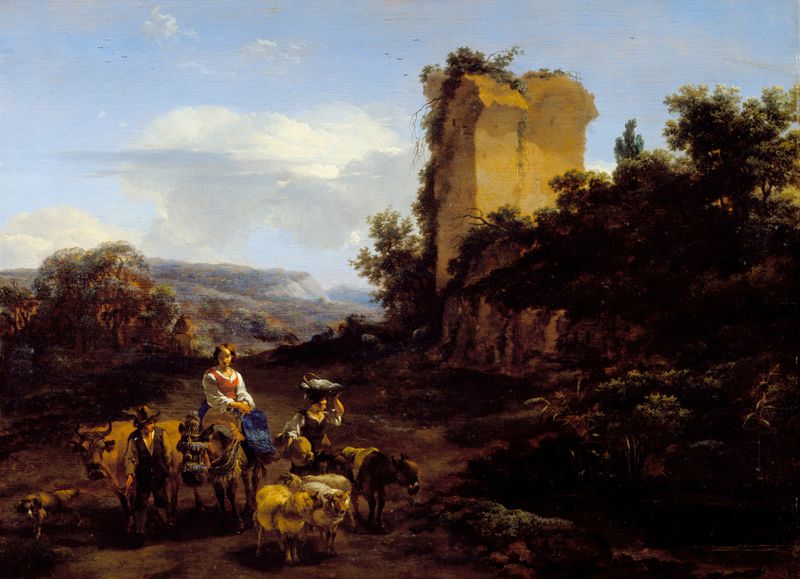
Landscape with Ruins and Travelers
Nicolaes Pietersz Berchem
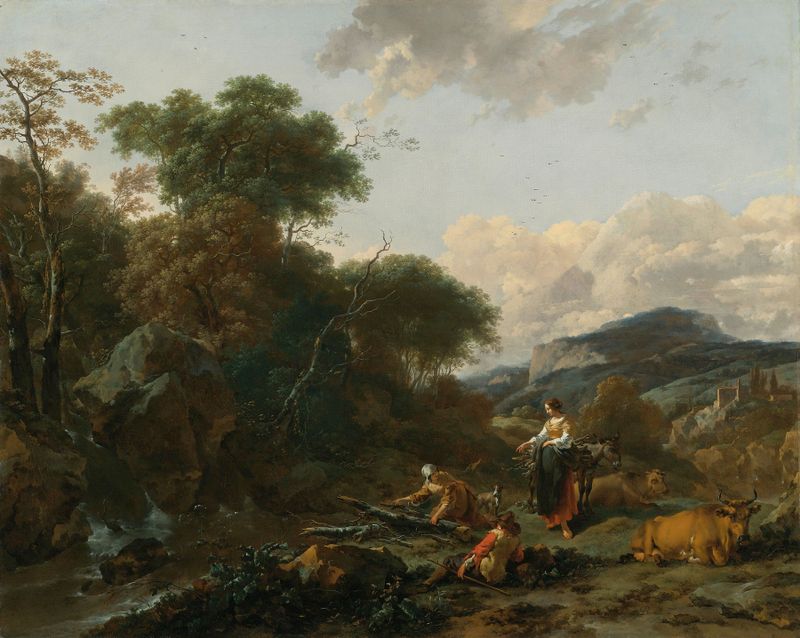
A Landscape With Figures
Nicolaes Pietersz Berchem
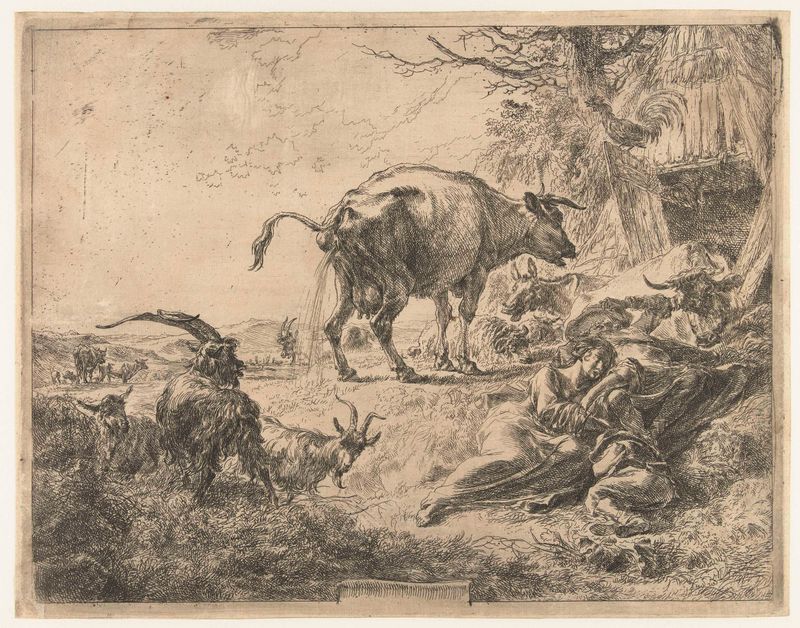
Slapende herdersfamilie en rustend vee
Nicolaes Pietersz Berchem
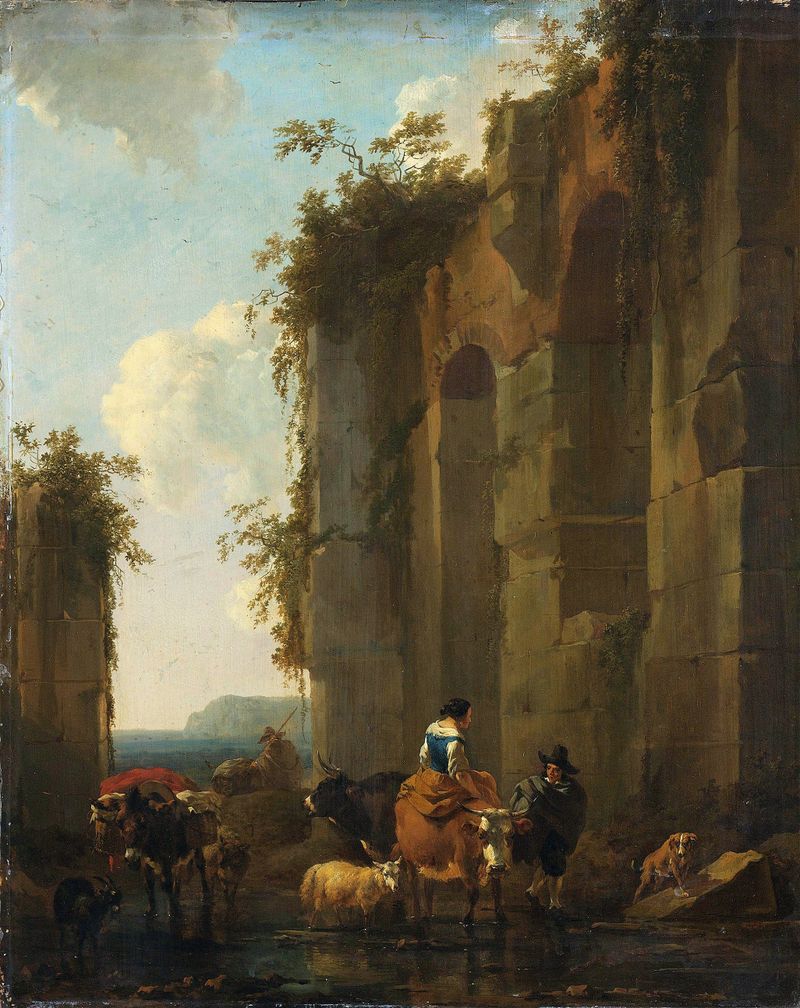
Ruins in Italy
Nicolaes Pietersz Berchem