Drie paarden — History & Facts
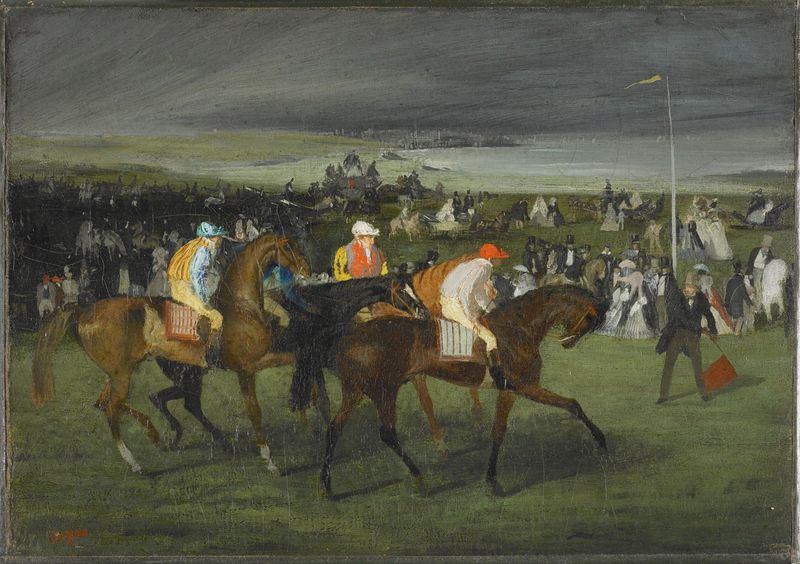
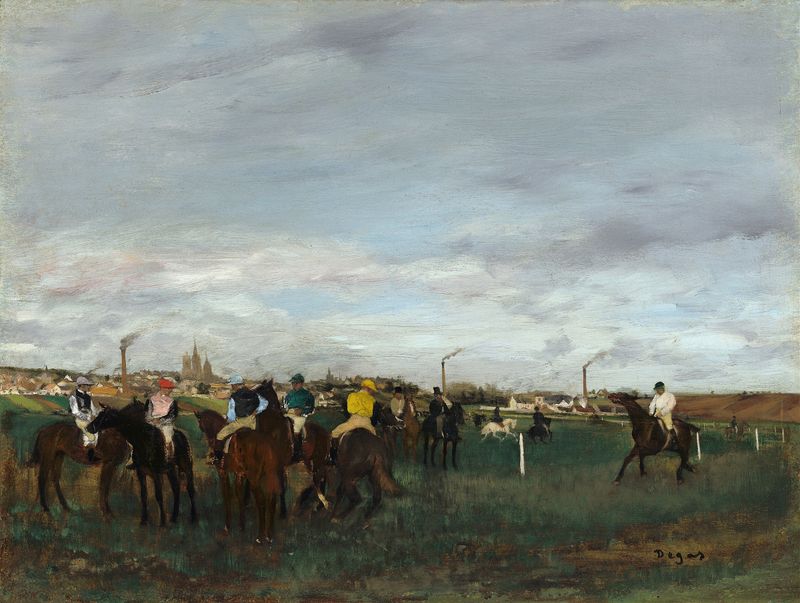
Can beauty exist without sorrow? In the quiet interplay of light and shadow, the horses seem to carry a weight of untold stories, echoing both grace and melancholy. Focus on the luminous coat of the horse to the left, its sleek form perfectly captured in a moment of pause. The artist’s deft brushwork reveals a subtle play of textures, from the glistening mane to the soft earth beneath. Notice how the warm hues of ochre and gold interlace with cooler greens and blues in the background, creating a harmonious symphony that draws the eye across the canvas, while the trio of horses forms a stable yet dynamic composition, their bodies curving and leaning into one another. Hidden within this seemingly serene gathering lies a profound contrast between freedom and restraint.
The horses stand poised in a moment of tranquility, yet their alert postures suggest a readiness to spring into action, evoking the tension between wildness and domestication. Consider the gentle nudge of the horse in the center, its connection to the others hinting at camaraderie but also at the complex bonds that tie beings to one another, laden with unspoken emotions and history. Created between 1677 and 1682, this work emerged during a time of artistic evolution in the Dutch Golden Age, when Berchem was influenced by the pastoral scenes and landscape traditions of his contemporaries. Living in Amsterdam, he sought to capture the enchanting beauty of nature alongside its inherent tensions, reflecting the world around him—full of prosperity yet poised on the brink of change.
This piece stands as a testament to his ability to encapsulate both the ephemeral beauty of life and the deeper emotional resonances that underlie it.
More Artworks by Nicolaes Pietersz Berchem
Browse all →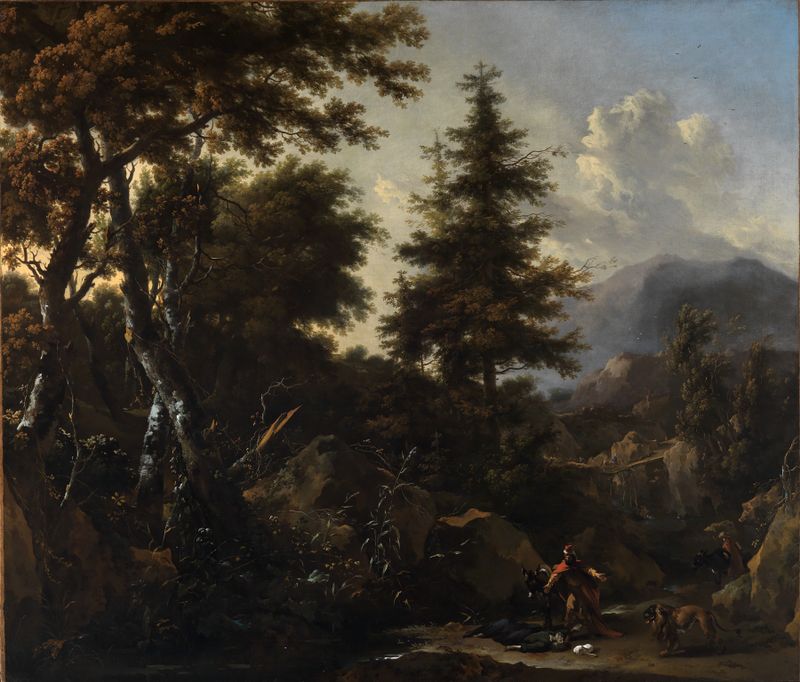
Schlucht im Bergwald mit alttestamentlicher Staffage
Nicolaes Pietersz Berchem
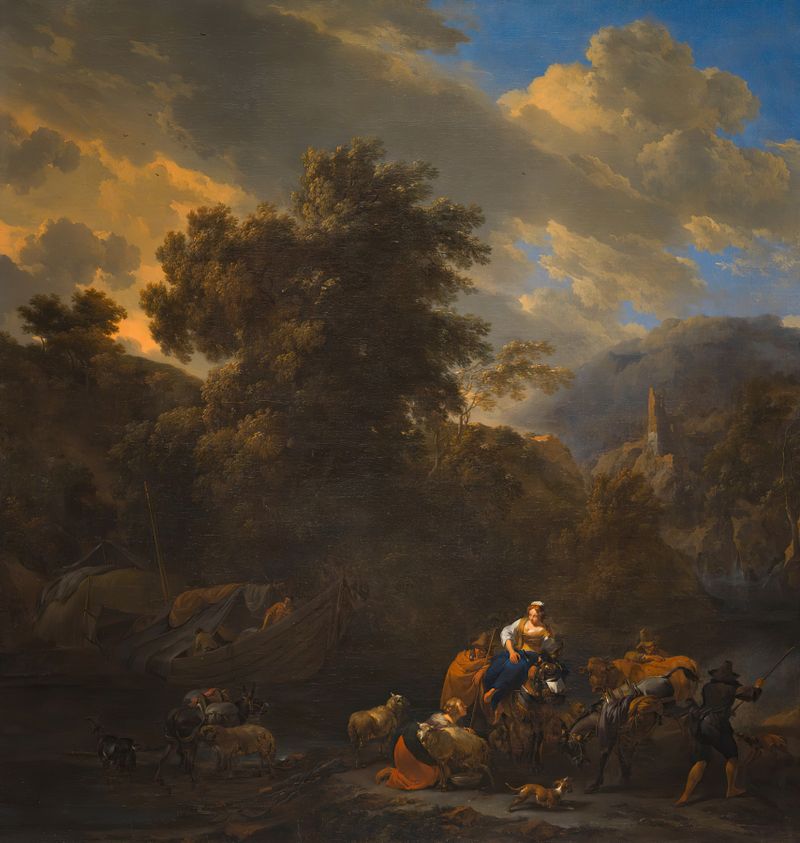
Italianate Landscape with Figures and Pack Animals on the Banks of a River
Nicolaes Pietersz Berchem
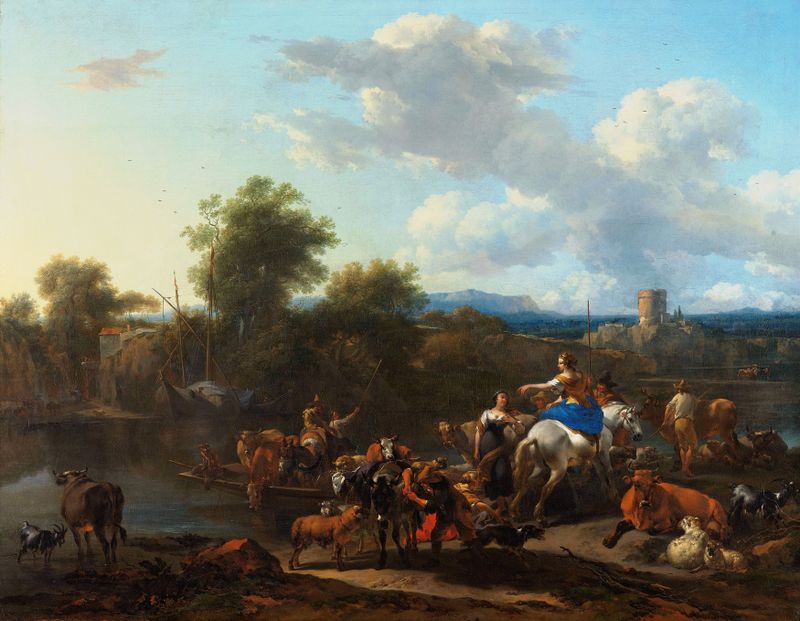
The Cattle Ferry
Nicolaes Pietersz Berchem
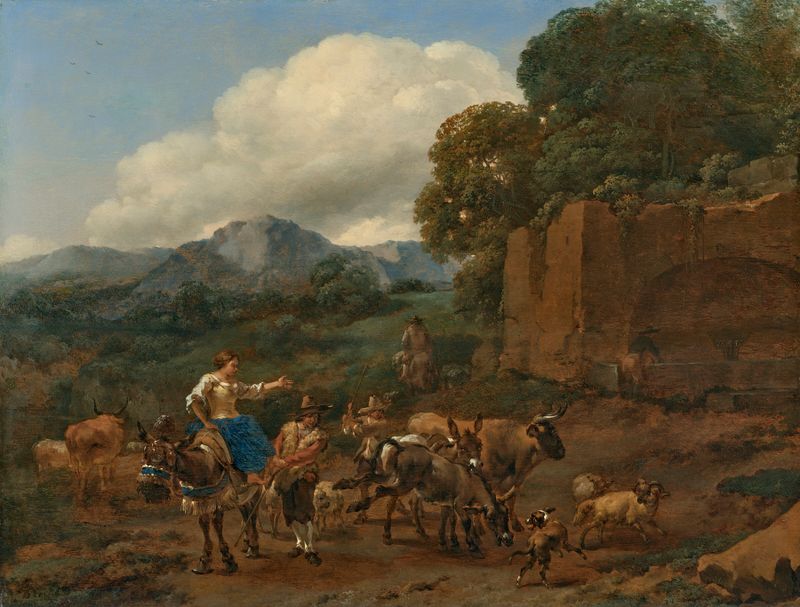
An Italianate landscape with a shepherdess on a mule and a shepherd, herding cattle, sheep, donkeys and dogs on a mountain track next to ruins
Nicolaes Pietersz Berchem
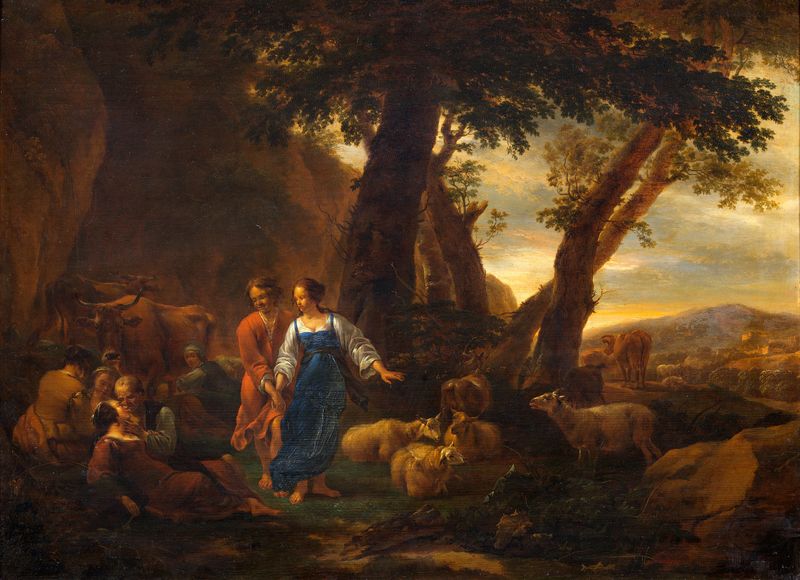
Landscape with Peasants and Cattle
Nicolaes Pietersz Berchem
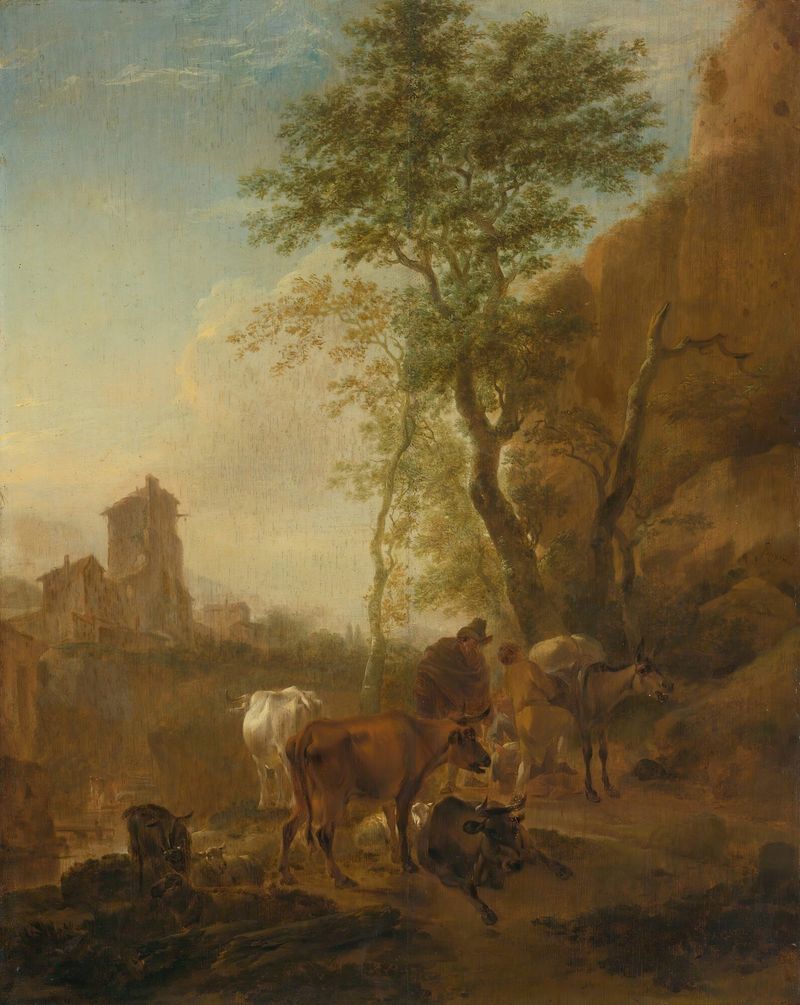
Italianate Landscape With Cows
Nicolaes Pietersz Berchem
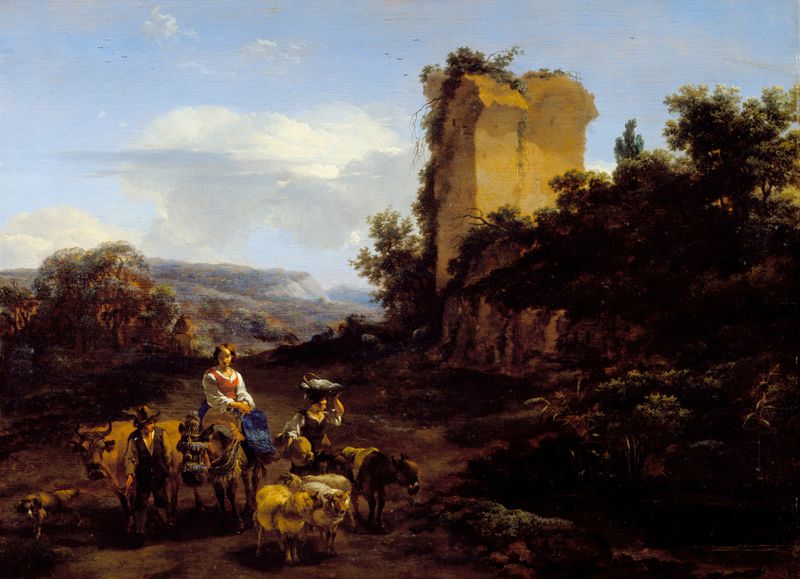
Landscape with Ruins and Travelers
Nicolaes Pietersz Berchem
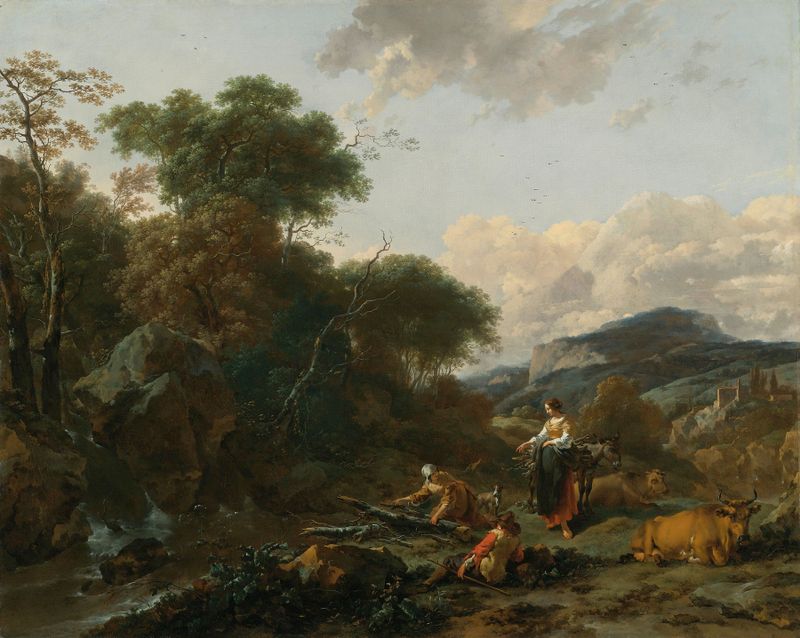
A Landscape With Figures
Nicolaes Pietersz Berchem
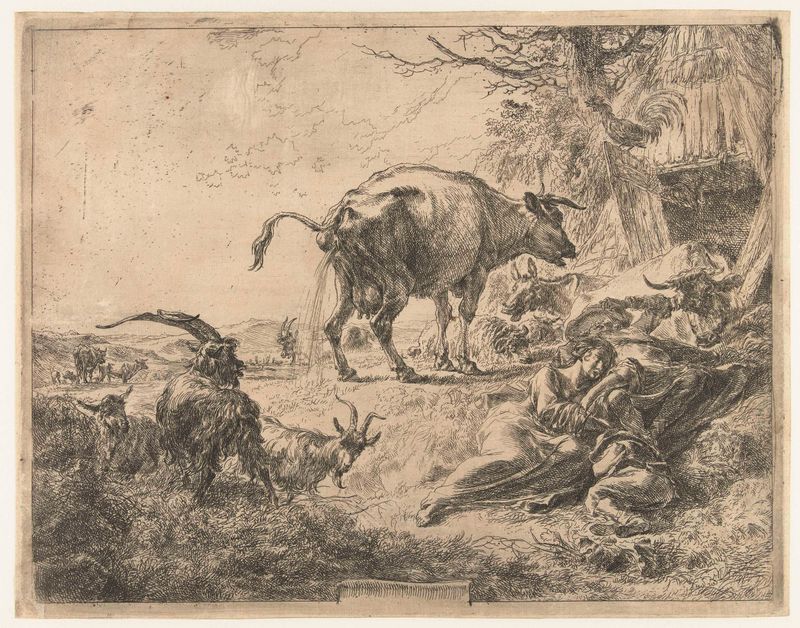
Slapende herdersfamilie en rustend vee
Nicolaes Pietersz Berchem
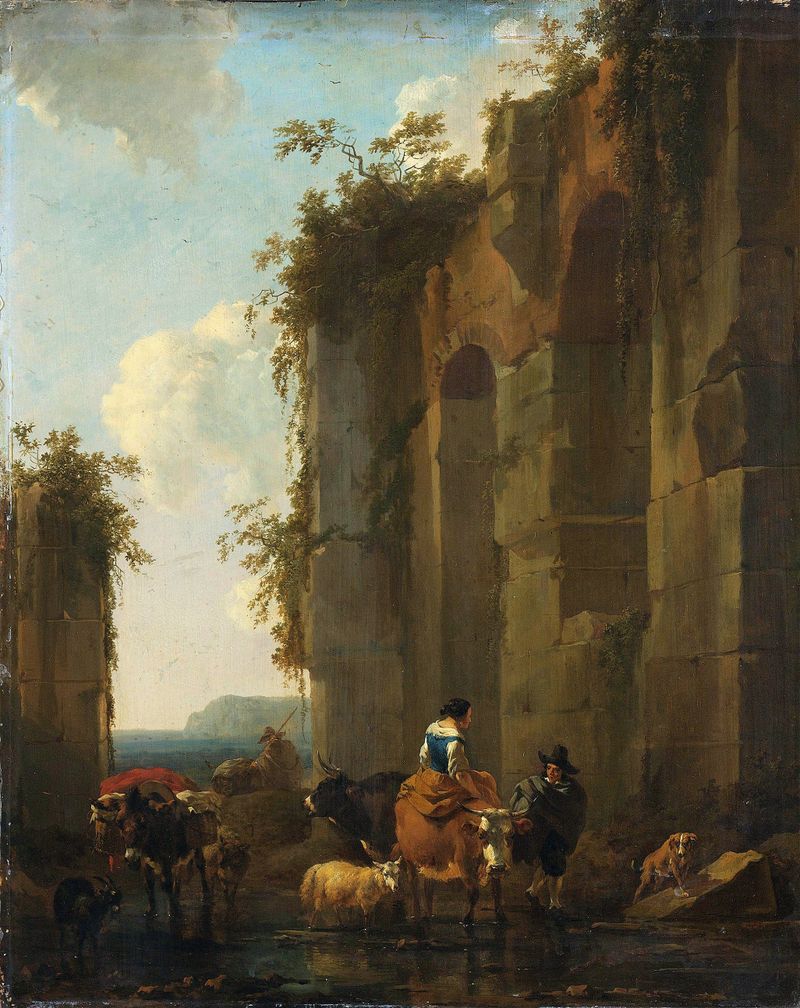
Ruins in Italy
Nicolaes Pietersz Berchem