
Drie vrouwen in een badhuis — History & Facts
What if beauty was never meant to be finished? In Drie vrouwen in een badhuis, light and shadow interweave to reveal the complexities of intimacy and vulnerability. The interplay of soft contours and stark contrasts invites reflection on how we perceive the human form, wrapped in the delicate play of illumination. Look to the left at the figure reclined against the wall, her silhouette gently illuminated, contrasting against the darker, more subdued hues surrounding her. Notice the soft curves of her body rendered with meticulous care, calling attention to the texture of the skin as it catches the light.
As you shift your gaze to the other two women, their expressions reveal layered emotions; one gazes outward, seemingly lost in thought, while the other reaches out, perhaps in affection or a silent plea for connection, encapsulating the narrative fluidity of the scene. Underneath the surface of the bathing ritual lies a deeper exploration of societal norms and the female experience. The intimate gathering in this private space speaks to the camaraderie among women, yet the shadows lurking in the corners hint at societal constraints and expectations. The careful arrangement of the figures suggests an unvoiced tension between freedom and restraint, beauty and the passage of time, inviting viewers to ponder the realities that exist behind the serene facade. Hans Sebald Beham painted this work in 1548 in Nuremberg, a time marked by the rise of the Northern Renaissance and an increasing interest in the depiction of everyday life.
As a printmaker and painter, he was influenced by the shifts in societal roles and artistic expressions of his time, navigating the complexities of both the male gaze and the authentic representation of femininity. This moment encapsulates a rich dialogue on the nature of beauty, vulnerability, and the shadows that linger beneath the surface.
More Artworks by Hans Sebald Beham
Browse all →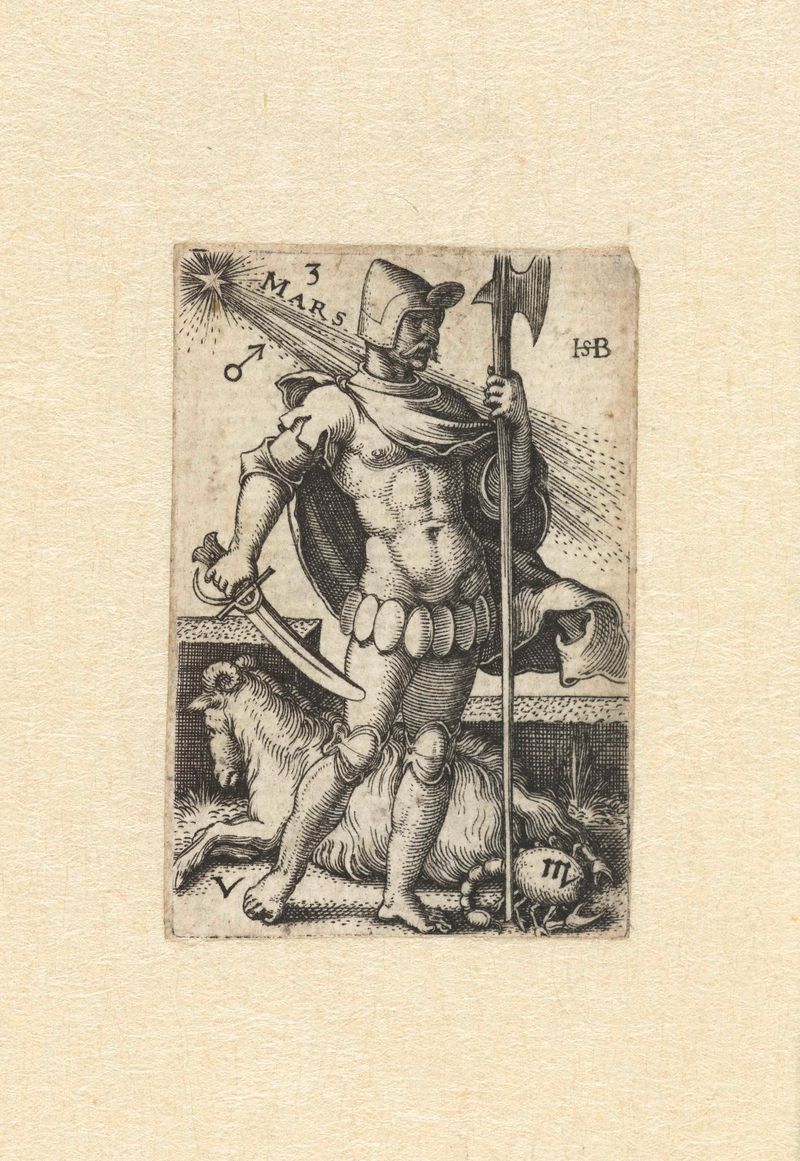
Mars met sterrenbeelden Ram en Schorpioen
Hans Sebald Beham

Achilles in gevecht met Hector
Hans Sebald Beham
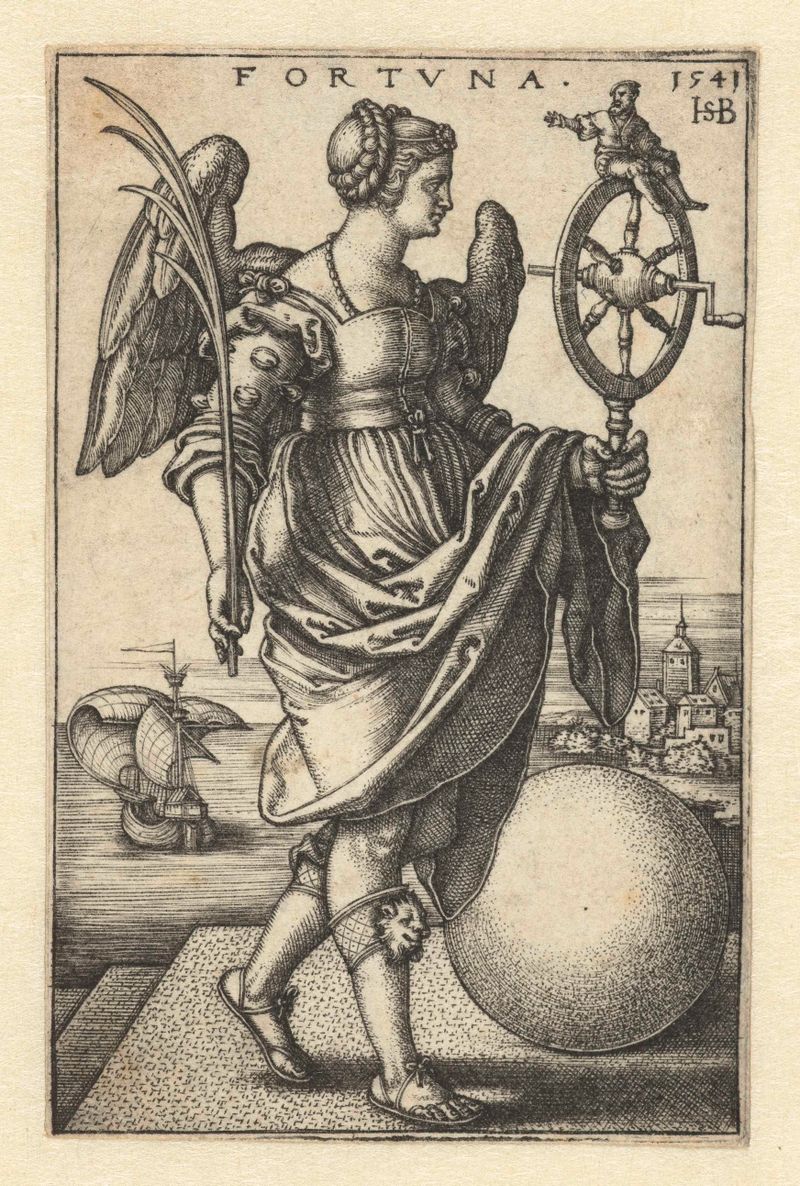
Fortuna
Hans Sebald Beham

Hercules worstelt met Antaeus
Hans Sebald Beham

Twee muzikanten met schalmey en doedelzak
Hans Sebald Beham

Voorzichtigheid (Prudentia)
Hans Sebald Beham

Hercules in gevecht met de Trojanen
Hans Sebald Beham
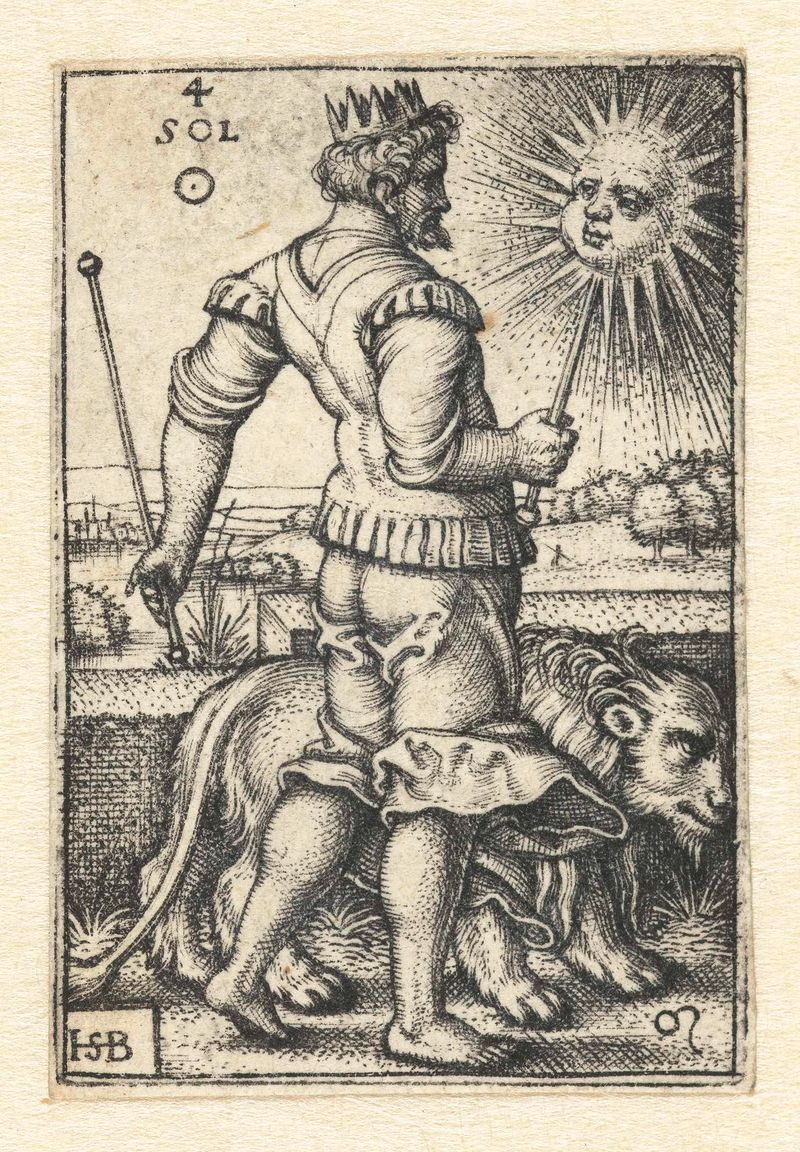
Apollo (Sol) met sterrenbeeld Leeuw
Hans Sebald Beham
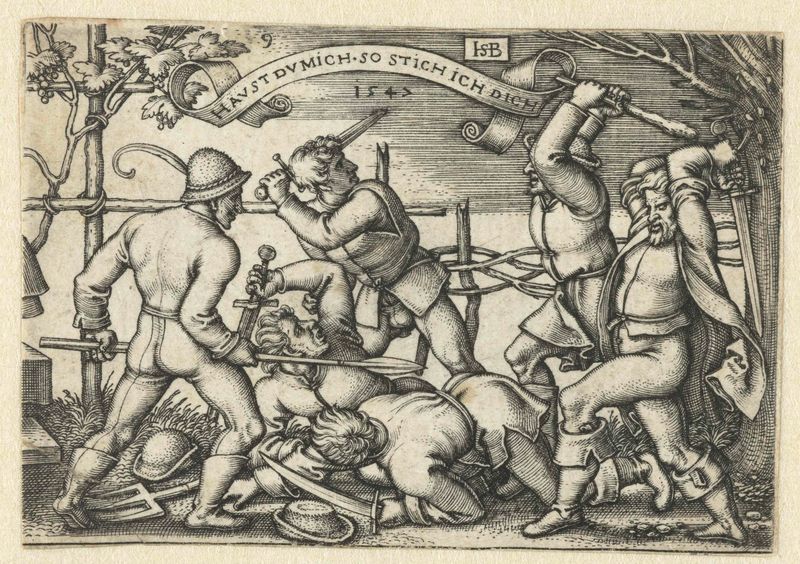
Vechtende boeren met zwaarden
Hans Sebald Beham
Hercules in gevecht met centaurs
Hans Sebald Beham





