Driearmig fragment van een hang- of wandkandelaar — History & Facts
This illusion of light and form invites us into a world suspended between reality and imagination, where the everyday becomes extraordinary. Look closely at the intricate craftsmanship of the three-armed candelabrum, its graceful curves and ornate details drawing the eye. Notice how the delicate play of shadows dances across its surface, revealing subtle textures and glimmers of metallic sheen. Each arm extends like a gentle embrace, cradling the potential light that once flickered atop them, while the muted palette suggests a quiet elegance that transcends time. The candelabrum embodies contrasts: light and dark, warmth and chill, permanence and transience.
Each crevice whispers stories of gatherings long past, while its ornamental flourishes signal a celebration of artistry amidst the mundane. The very act of lighting a candle becomes a ritual of transformation, as the flickering flame conjures an ephemeral beauty, a reminder that even the most solid structures hold the shadows of uncertainty. This artwork was likely created between 1750 and 1850, a period marked by burgeoning craftsmanship and the rise of decorative arts. The identity of its creator remains unknown, yet this piece reflects the broader trends of the time, where artisans sought to merge functionality with aesthetic pleasure.
The world was in flux, and as societies evolved, so too did the art that adorned their spaces—exemplifying a delicate balance between utility and exquisite design.
More Artworks by Unknown Artist
Browse all →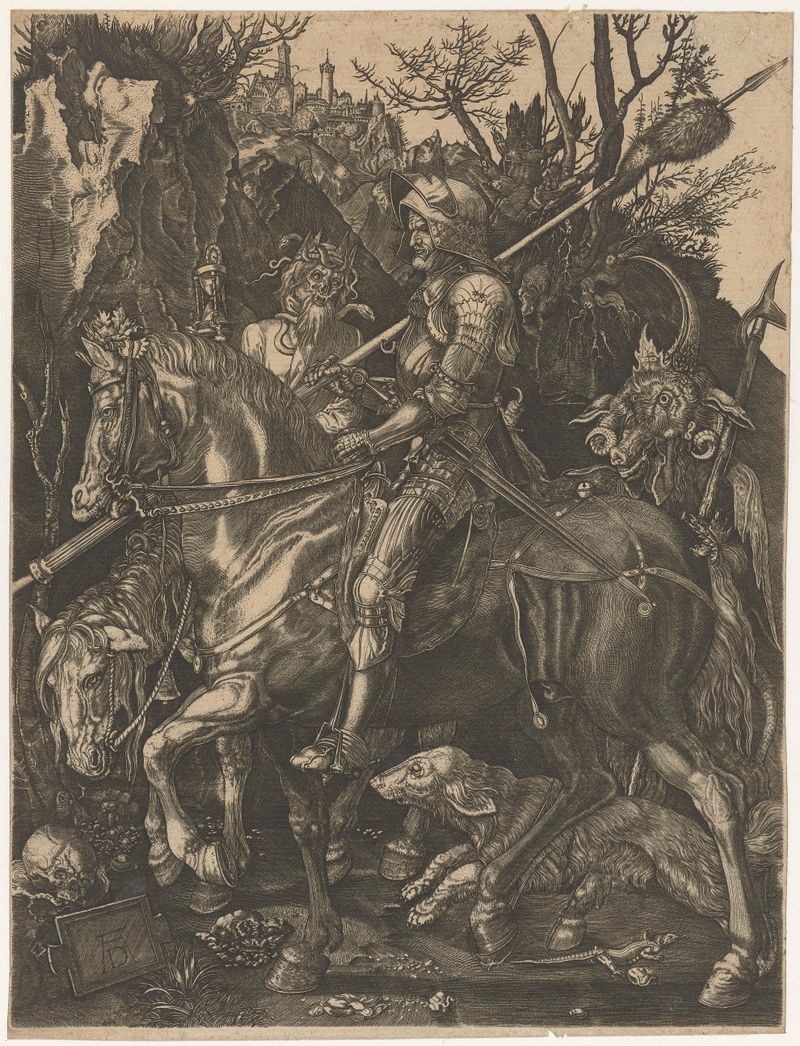
Ridder, Dood en Duivel
Unknown Artist
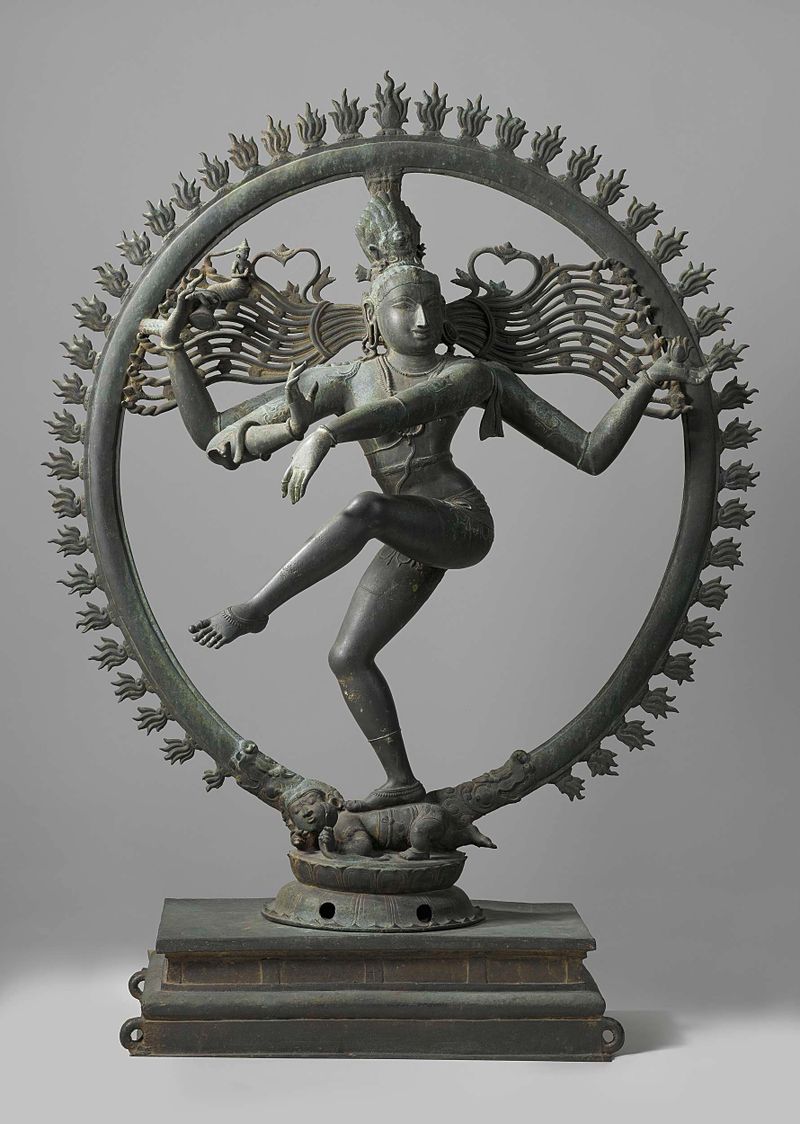
Shiva Nataraja
Unknown Artist
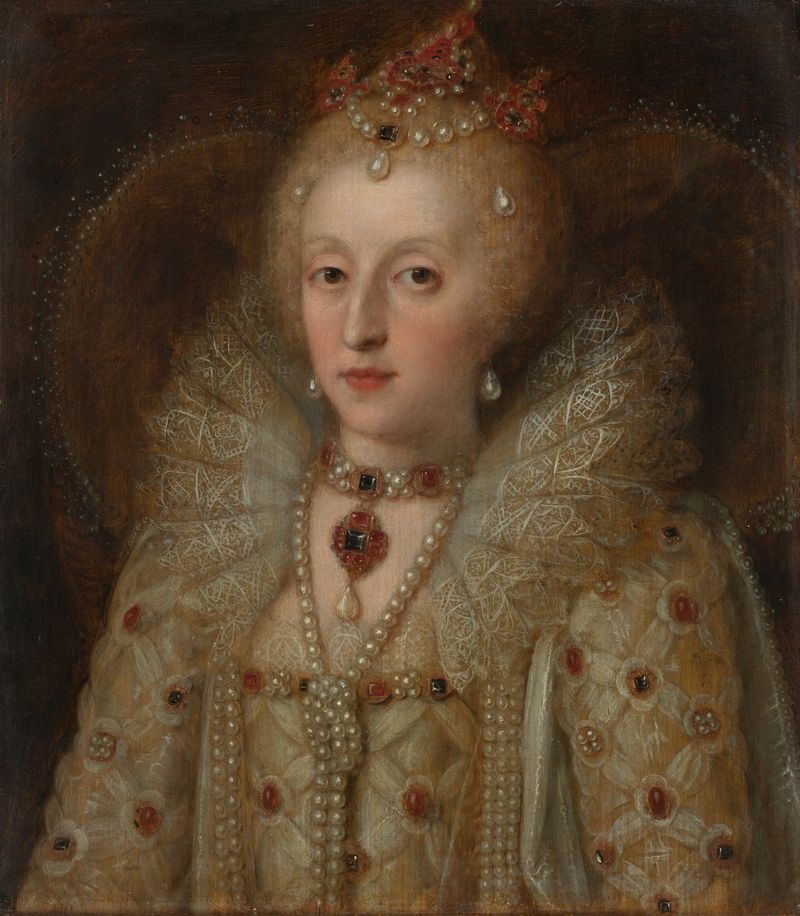
Portrait of Elizabeth I, Queen of England
Unknown Artist
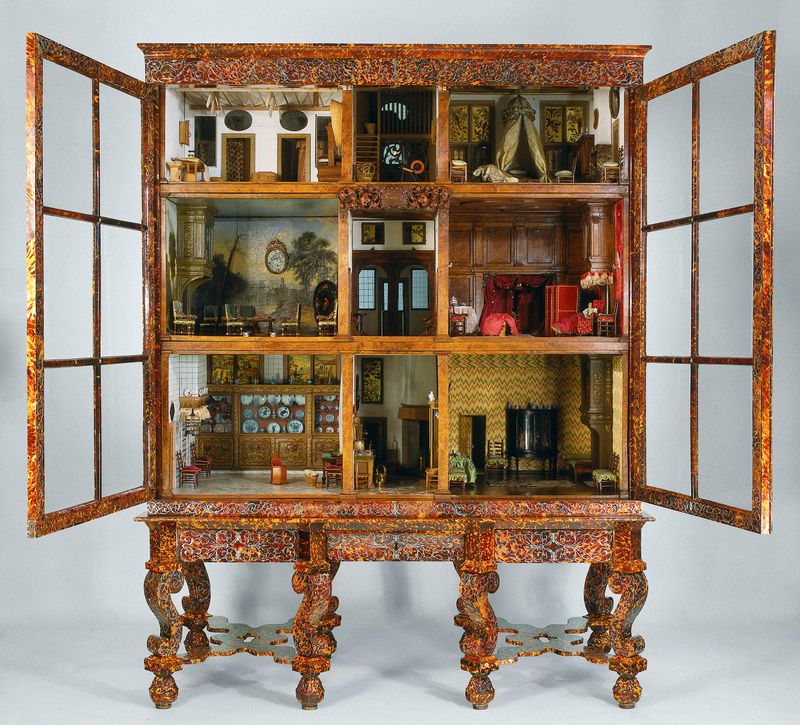
Dolls’ house of Petronella Oortman
Unknown Artist
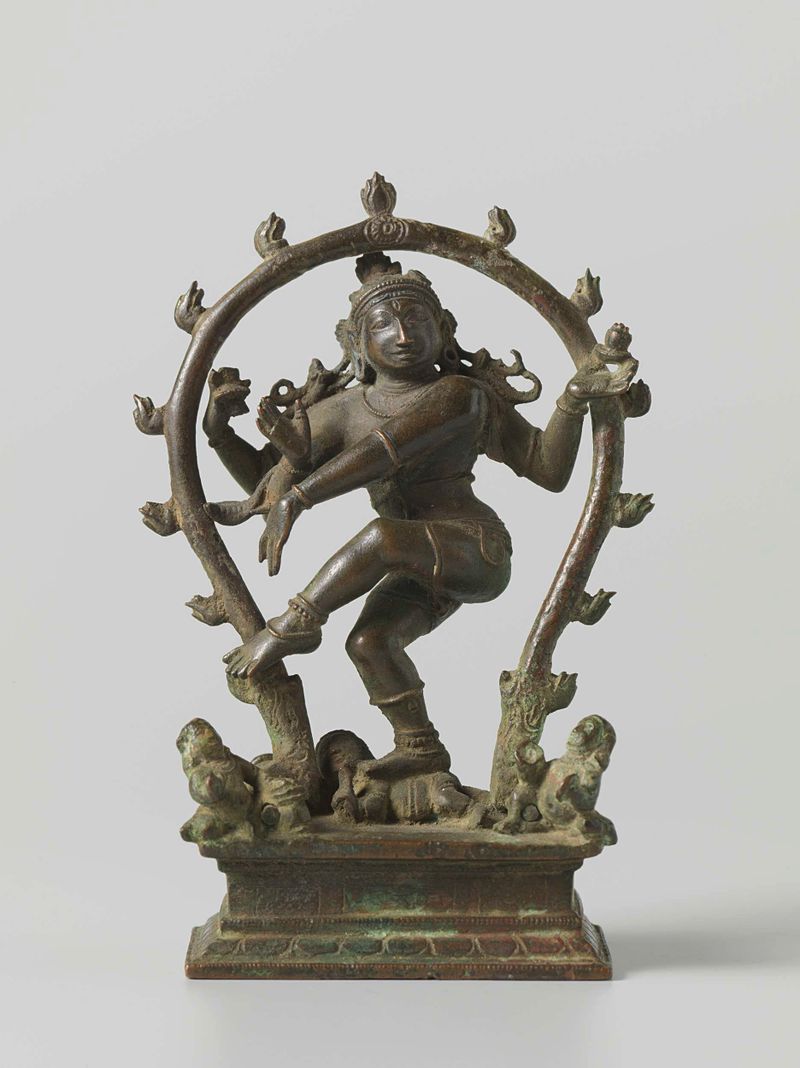
Shiva Nataraja
Unknown Artist

The Tale of Genji
Unknown Artist

The Tale of Genji
Unknown Artist

Cong
Unknown Artist
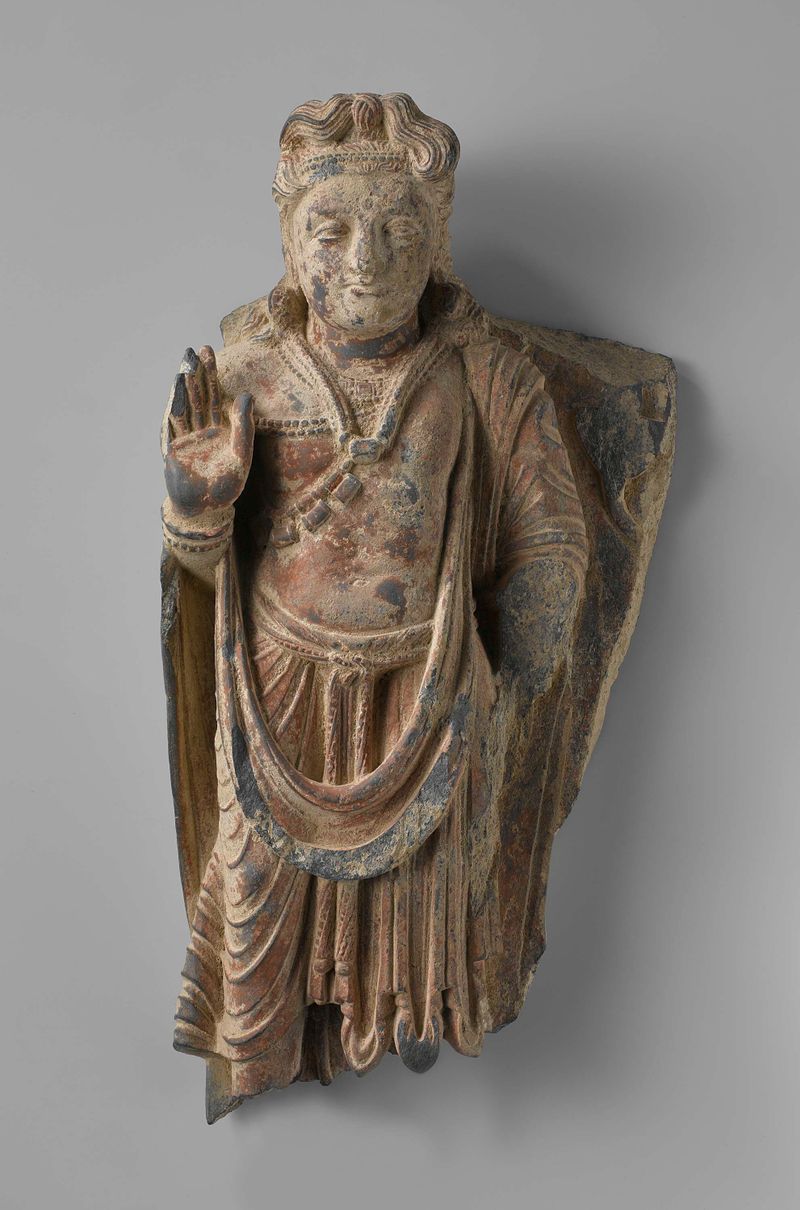
The bodhisattva Maitreya
Unknown Artist

Teabowl with a 'hare's fur' glaze
Unknown Artist