Dürrenroth — History & Facts
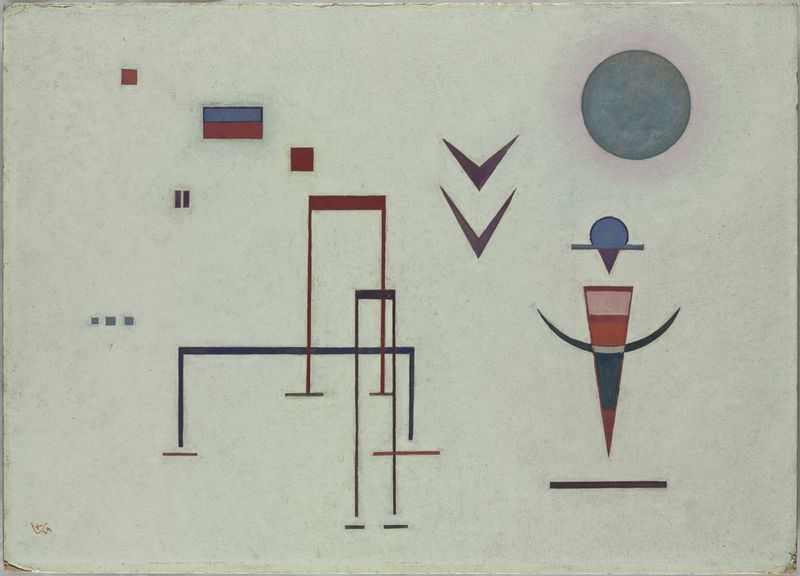
In the realm of artistry, the essence of legacy often speaks in hushed tones, waiting to be unearthed in the careful interplay of hues. Begin by focusing on the gentle transitions of color within the piece. Notice how soft pastels blend seamlessly, creating an ethereal atmosphere that invites introspection. The composition, with its balanced asymmetry, draws the eye from one corner to another, revealing layers that speak of both fragility and strength.
Pay attention to the subtle interplay of light and shadow, as they illuminate different textures, suggesting a narrative beneath the surface. Delve deeper into the emotional breadth of the work — the contrasts between vibrancy and muted tones evoke a sense of melancholy and nostalgia, emphasizing the passage of time. Each brushstroke carries the weight of memory, suggesting a dialogue between the seen and the unseen. Look closely at the edges where colors meet; they hint at the unresolved tensions of existence, an exploration of what it means to leave a mark in the world. During the time this piece was created, Weibel was navigating a landscape of artistic evolution, marked by a move towards abstraction and experimentation.
Working in the early to mid-20th century, he was influenced by the shifting tides of modern art, contributing to a legacy that intertwines emotional depth with visual intrigue. The absence of a definitive date only adds to the intrigue, allowing viewers to project their own interpretations onto a canvas that speaks of time's often-elusive nature.
More Artworks by Jakob Samuel Weibel
Browse all →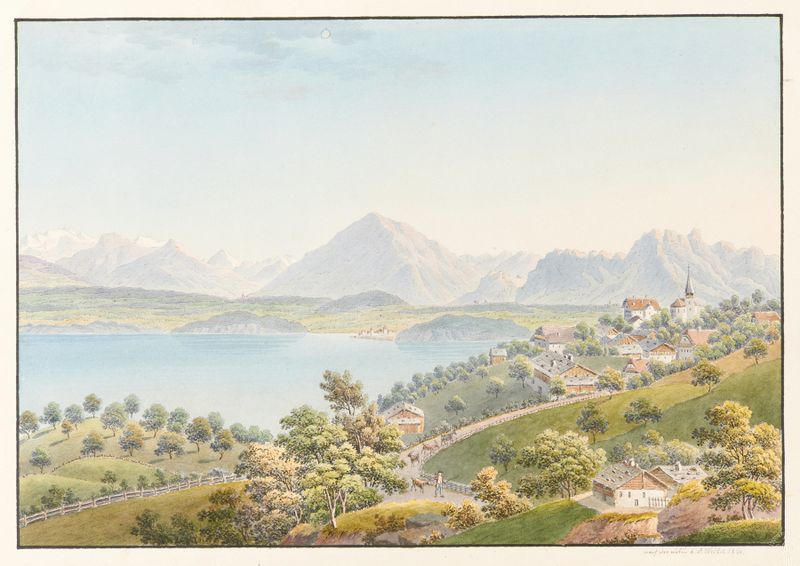
Vue dessiné depuis le Village de Sigriswil, audessus du Lac de Thoune
Jakob Samuel Weibel
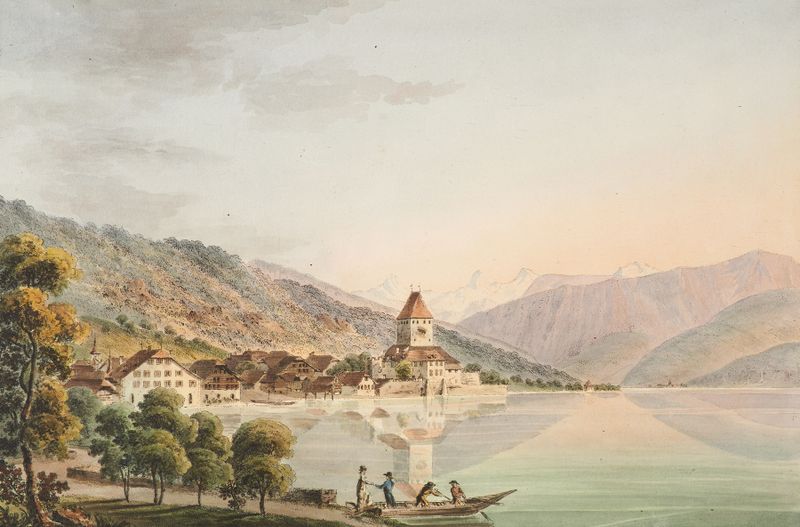
Vûe du Chateau d’Oberhofen au Lac de Thoune
Jakob Samuel Weibel
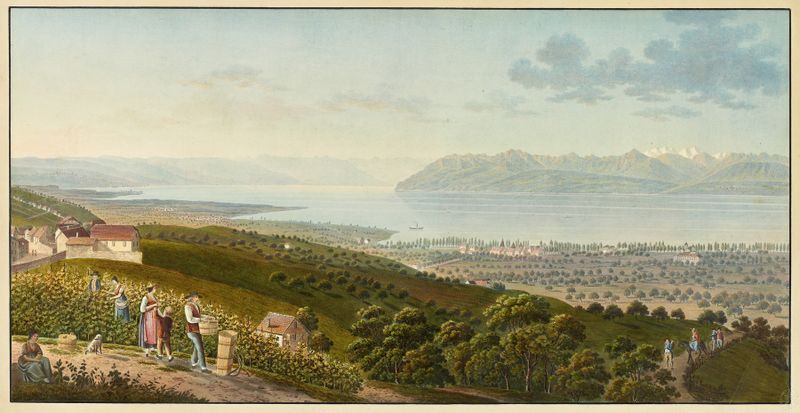
Vue genérale du Lac de Geneve
Jakob Samuel Weibel
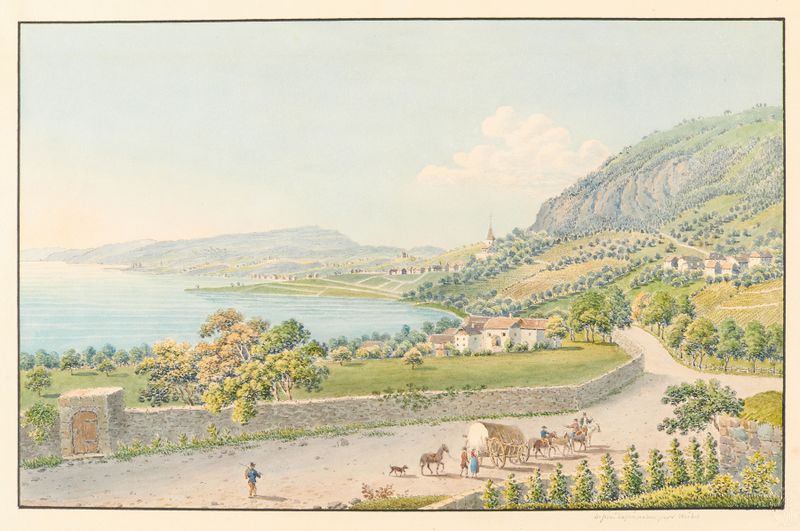
Vue des environs de Montreux et de Clarens
Jakob Samuel Weibel
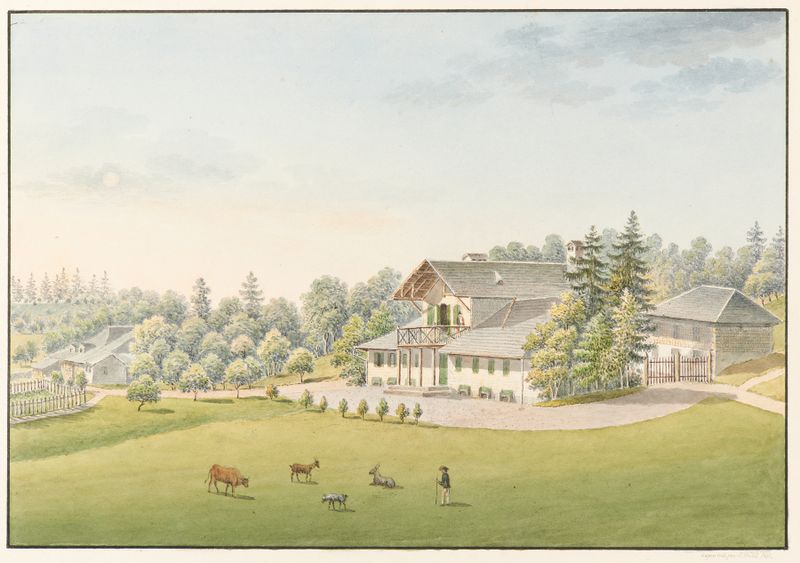
Vue du nouveau Châlet de Vernand
Jakob Samuel Weibel
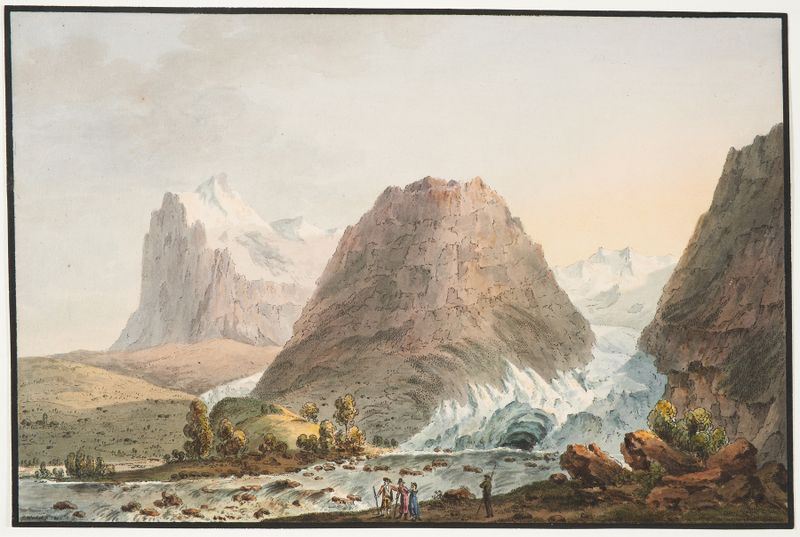
Vûe des Glacieres de Grindelwald
Jakob Samuel Weibel
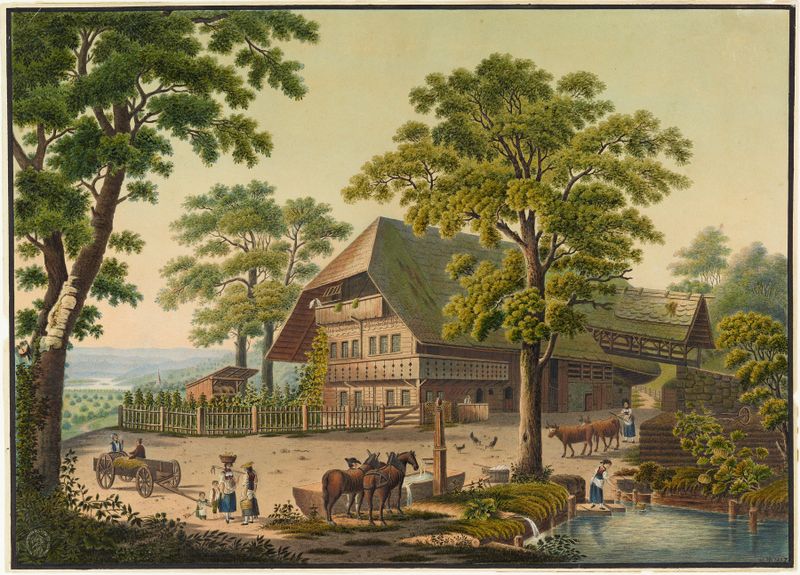
Maison de paysan près Wichtrach
Jakob Samuel Weibel
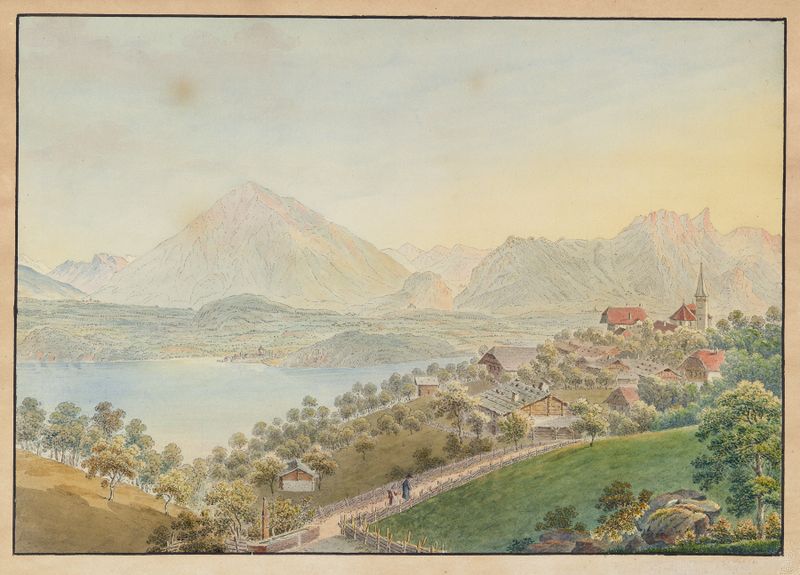
Ansicht von Sigriswil mit Niesen und Thunersee
Jakob Samuel Weibel
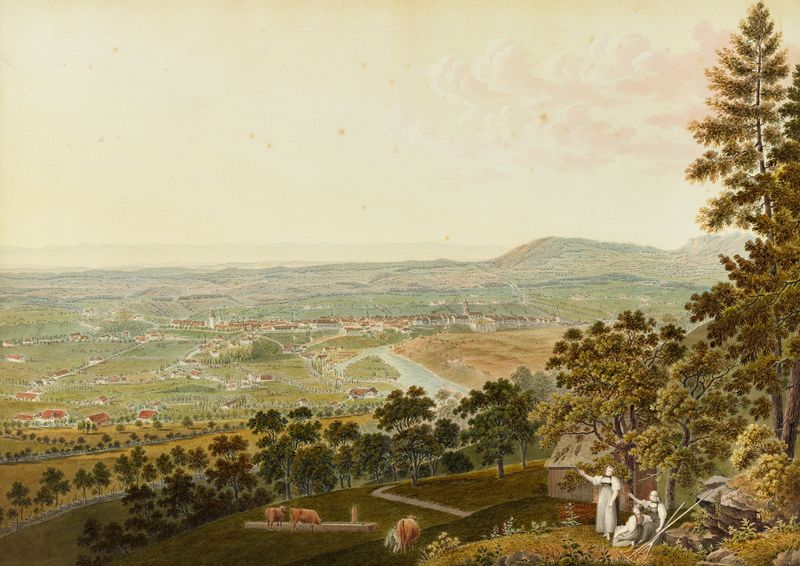
Ansicht Berns und der Aare vom Gurten aus
Jakob Samuel Weibel

Lausanne Ville capitale du Canton de Vaud
Jakob Samuel Weibel