
Drum of the cupola of Sigismund Chapel — History & Facts
Where does light end, and longing begin? The interplay of illumination and shadow in Drum of the cupola of Sigismund Chapel evokes a profound sense of nostalgia, inviting the viewer to ponder the passage of time and the memories etched within sacred spaces. Look to the center of the composition, where the cupola’s intricate details draw the eye. Notice how the light gracefully cascades from above, illuminating the delicate brushwork and rich colors of the frescoed figures. The architectural symmetry guides your gaze, creating a harmonious rhythm that balances both grandeur and intimacy.
The warm tones meld seamlessly, reflecting the artist's sensitivity to the play of light and its ability to breathe life into the past. Beneath the surface of this ethereal beauty lies a tension between the permanence of the chapel's structure and the ephemeral nature of human experience. The figures depicted seem to float, caught between realms of reality and memory, suggesting a yearning for the divine. The juxtaposition of the robust architectural elements with the fragility of the human forms speaks to the relentless passage of time, where moments of joy and sorrow reverberate through history. In 1915, Leon Wyczółkowski was deeply engaged in capturing the essence of Polish heritage and spirituality through his art.
Living in a tumultuous period marked by World War I and the upheaval of national identity, he channeled his experiences into a profound exploration of cultural significance. Drum of the cupola of Sigismund Chapel reflects not only his personal journey but also a larger narrative of remembrance and connection to one's roots.
More Artworks by Leon Wyczółkowski
Browse all →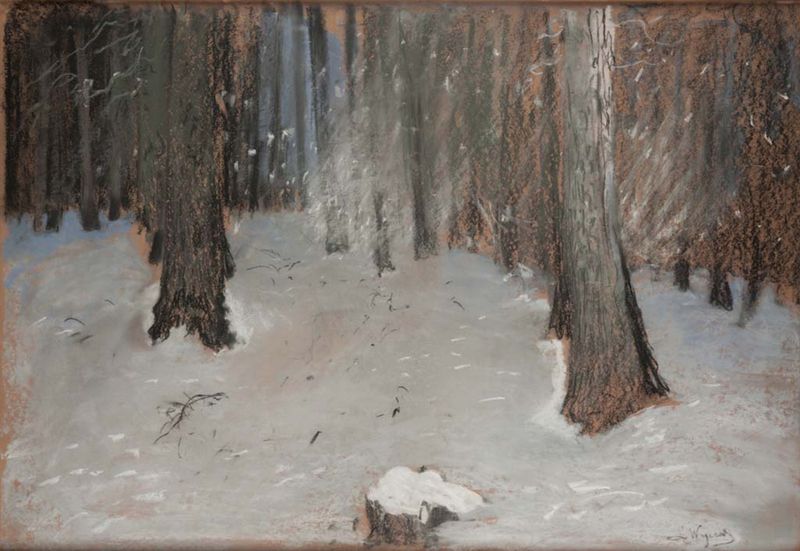
Las zimą
Leon Wyczółkowski
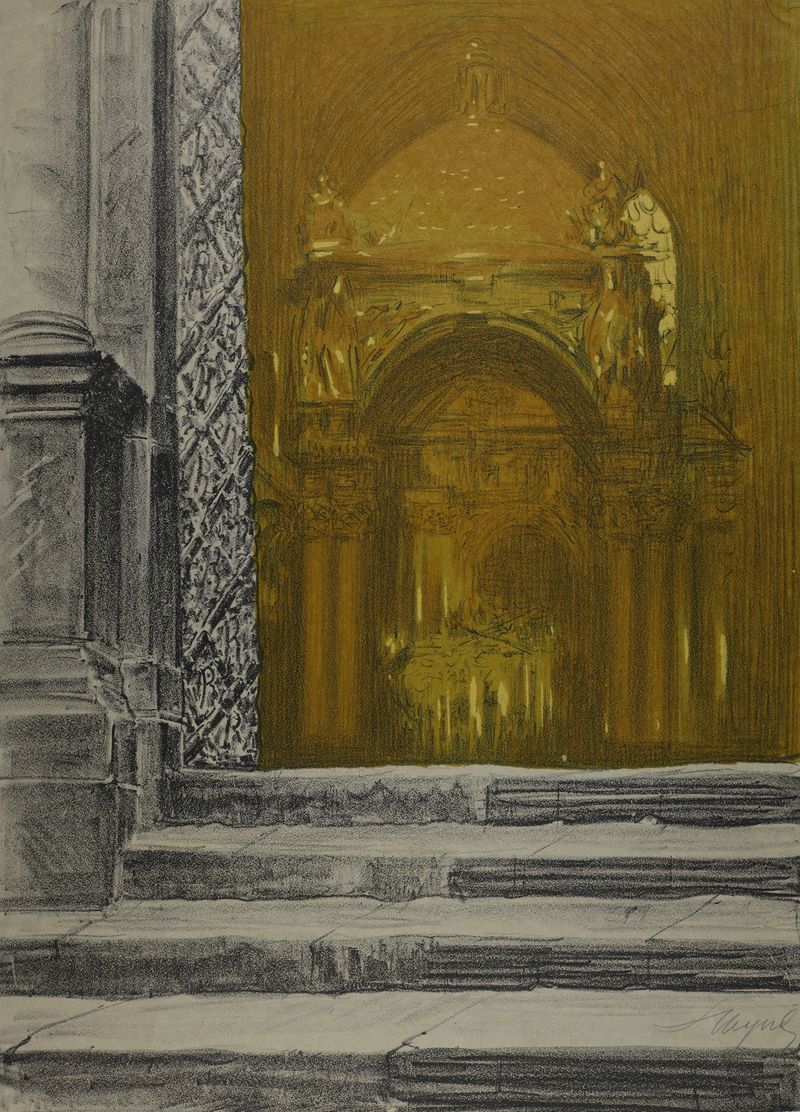
Saint Stanislaus
Leon Wyczółkowski
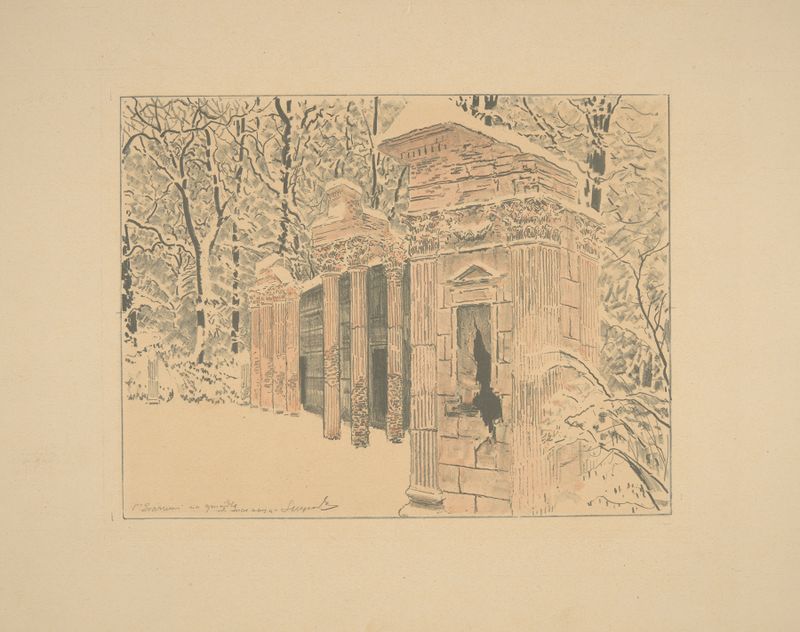
Amfiteatr w Łazienkach pod śniegiem (strona prawa)
Leon Wyczółkowski
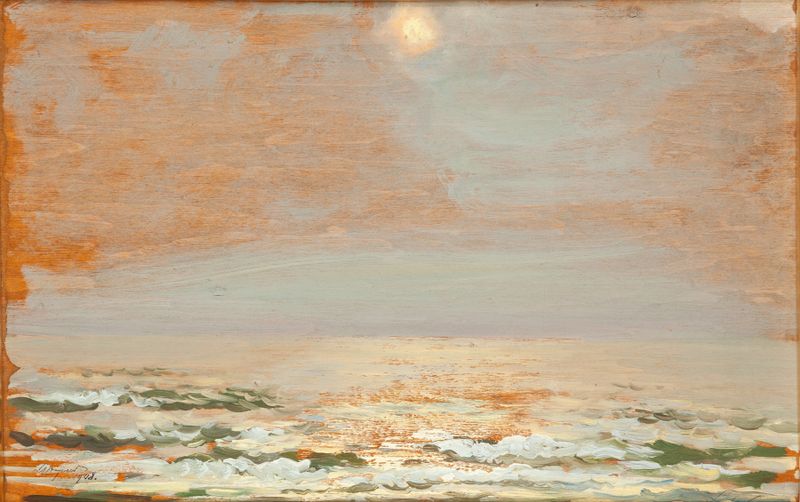
Sea at Połąga IV
Leon Wyczółkowski
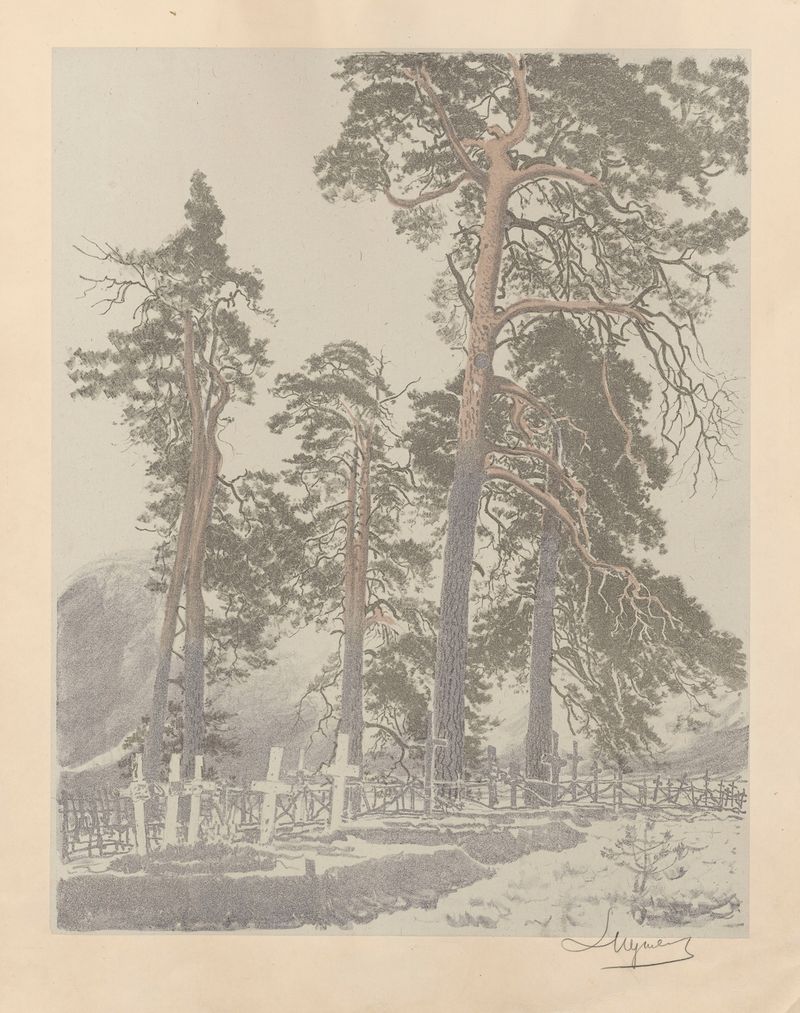
Cemetery in Vowchick
Leon Wyczółkowski
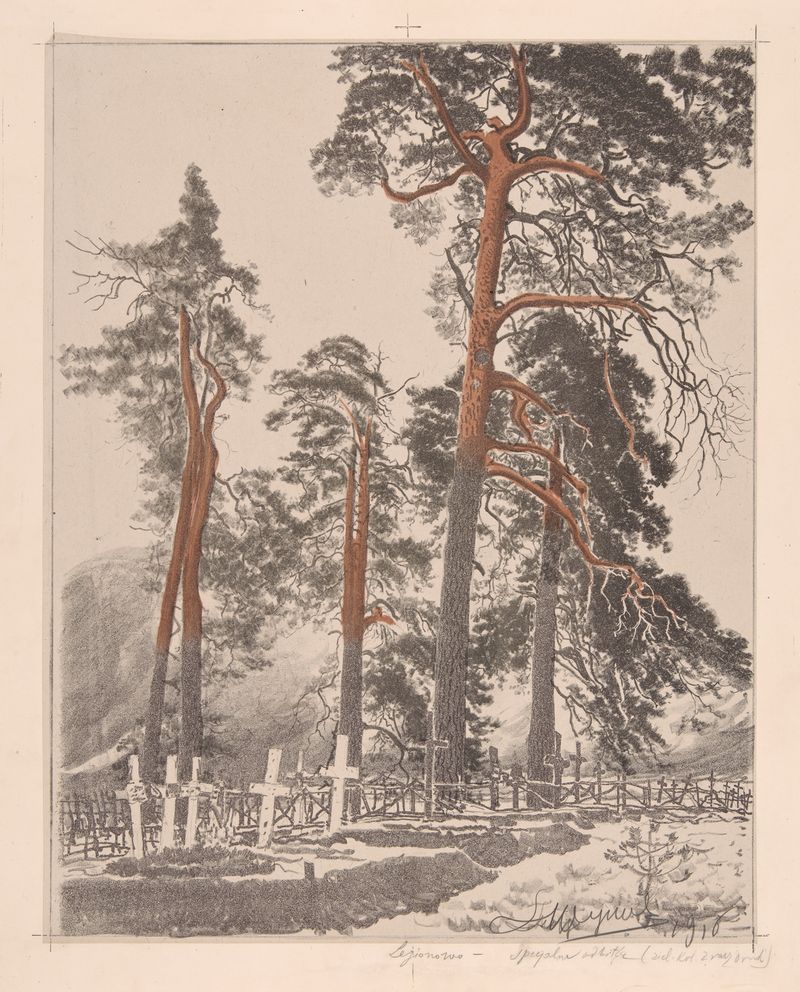
The Wołczecko cemetery
Leon Wyczółkowski
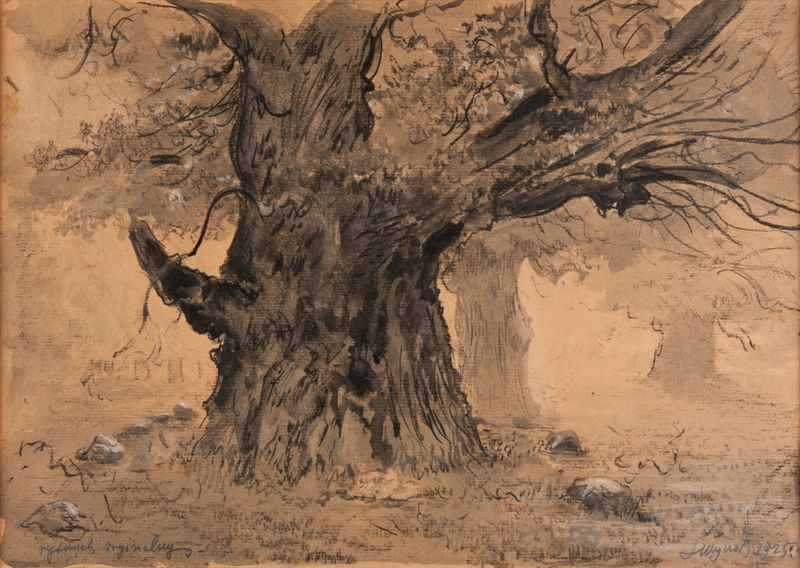
Rogalin Oaks
Leon Wyczółkowski
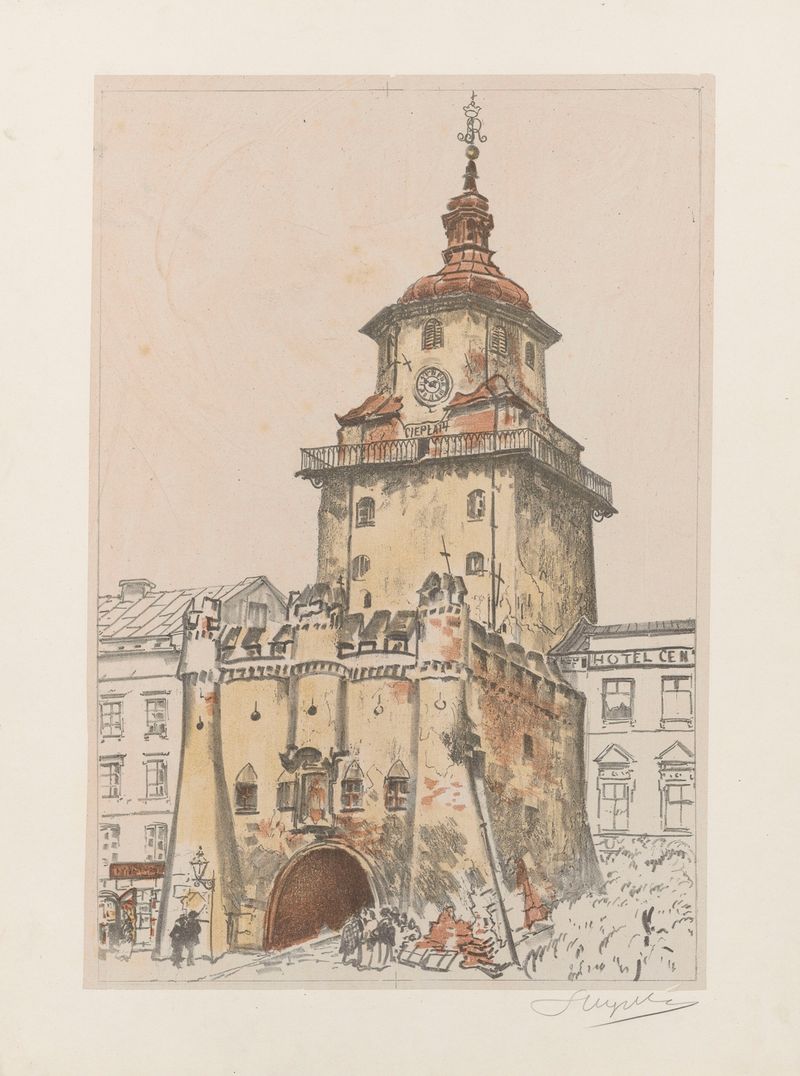
The Krakow Gate in Lublin, in summer
Leon Wyczółkowski
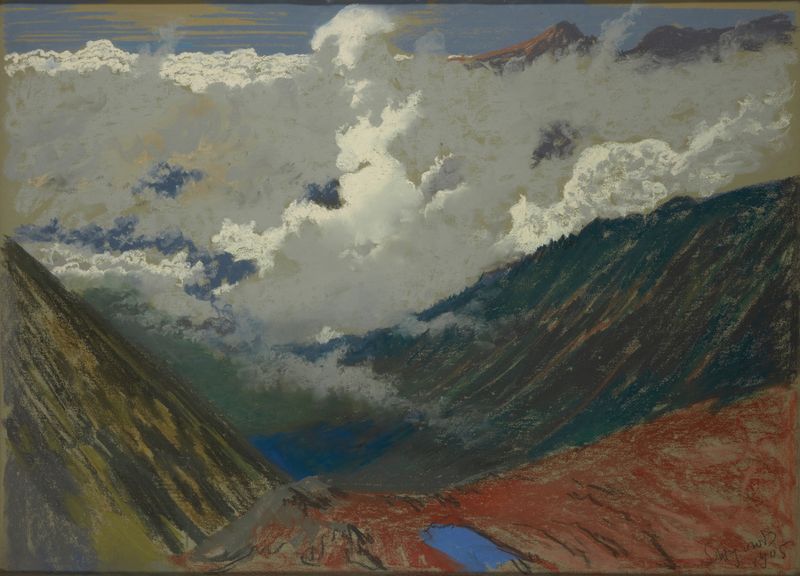
U Wrót Chałubińskiego
Leon Wyczółkowski
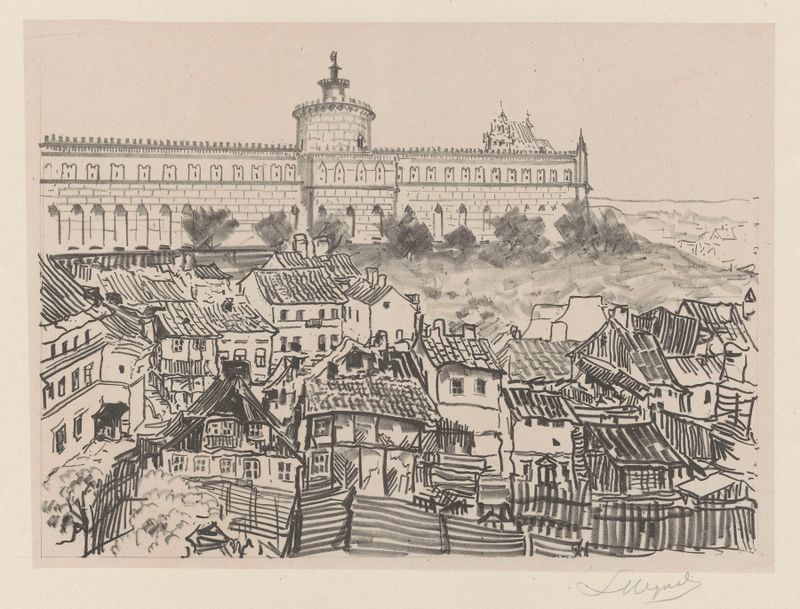
Castle and the Jewish quarter
Leon Wyczółkowski
More Religious Art
Browse all →
The Return of the Prodigal Son
Rembrandt van Rijn

The Garden of Earthly Delights
El Bosco

Count Orgaz’ funeral
El Greco

The Hundred Guilder Print: the central piece with Christ preaching, the plate arched
Rembrandt van Rijn

The Descent from the Cross
Rogier van der Weyden

The return of the prodigal son
Rembrandt van Rijn