Duinlandschap met zandafgraving onder stormachtige lucht — History & Analysis
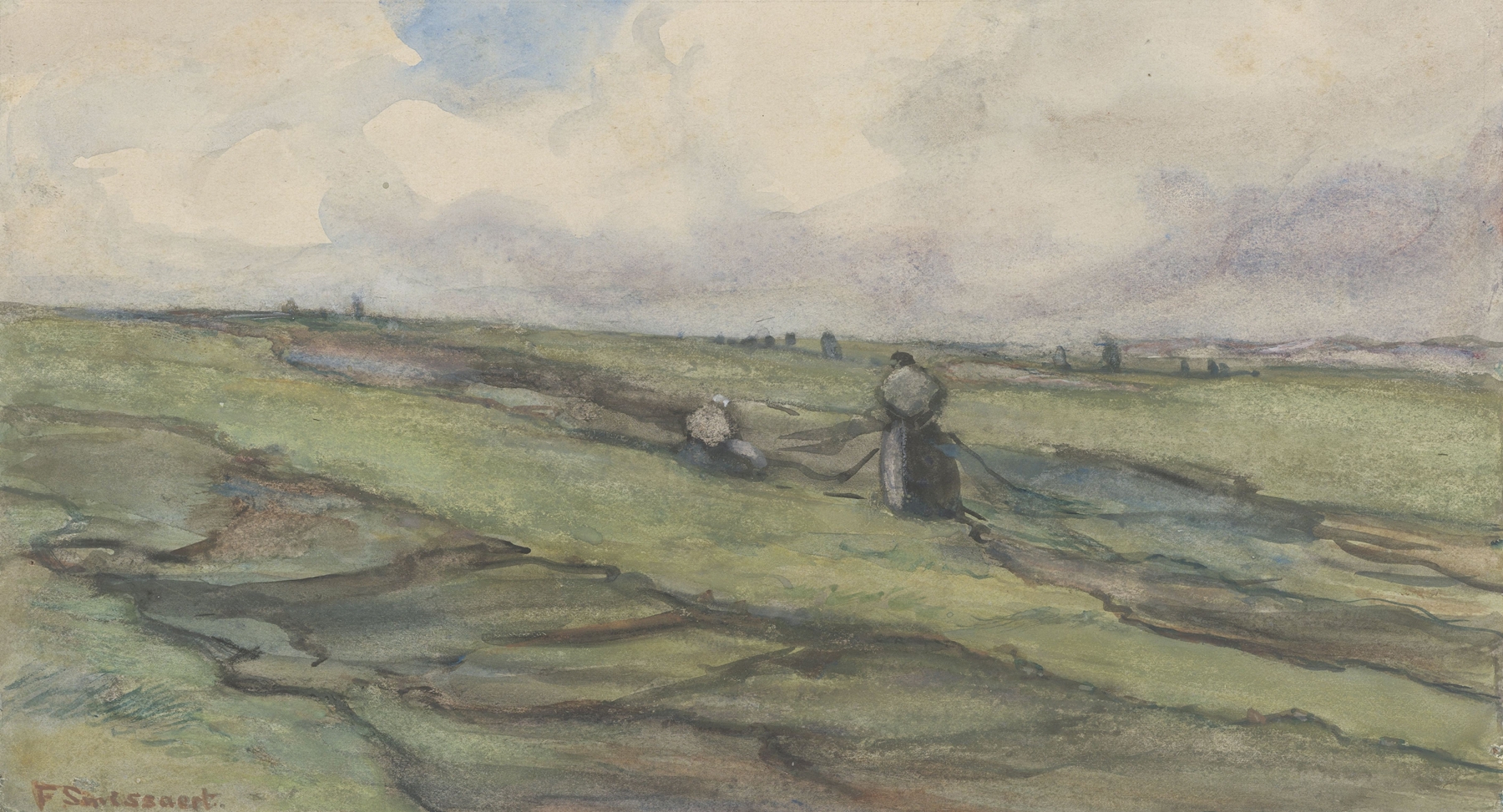
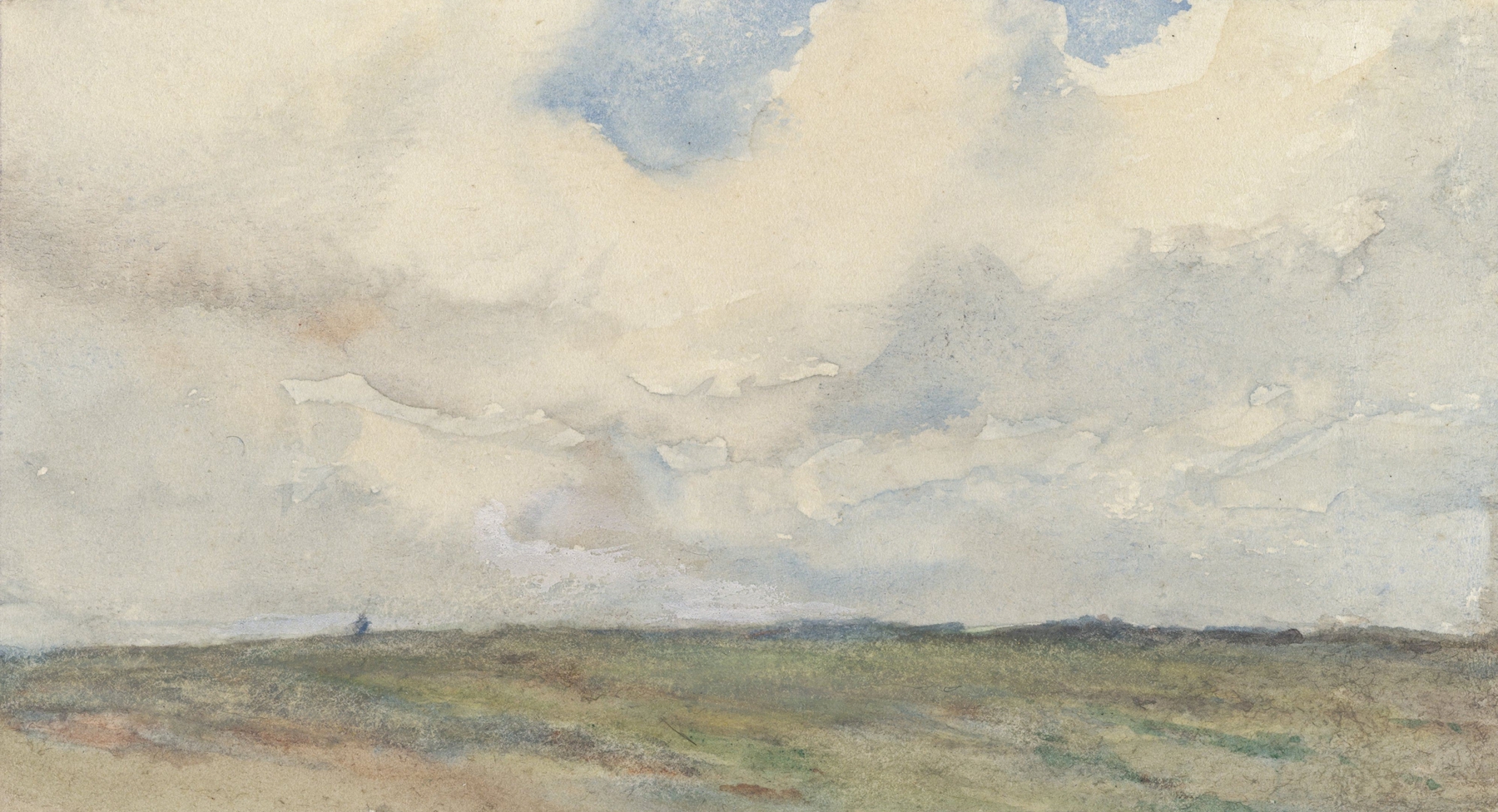
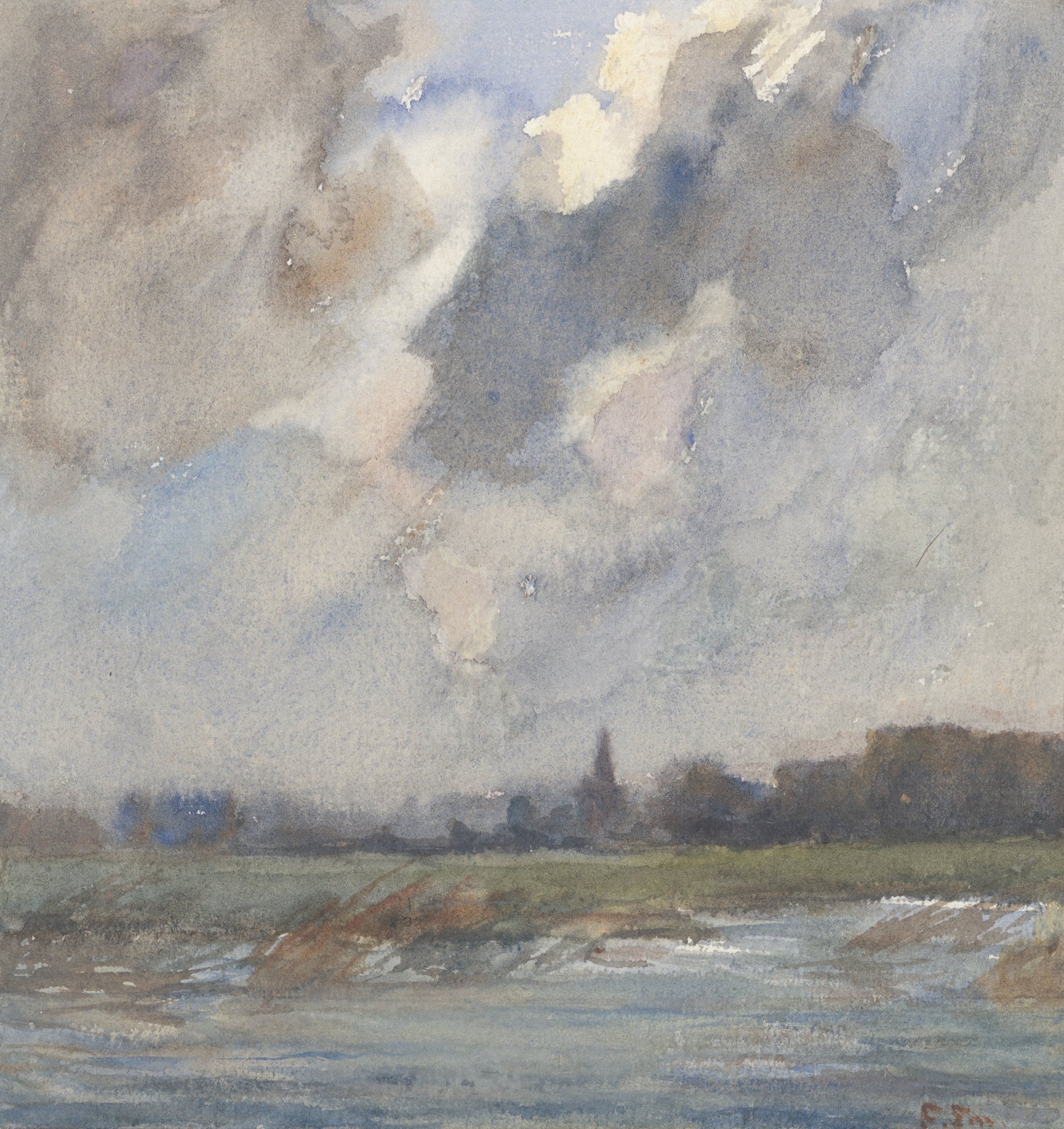
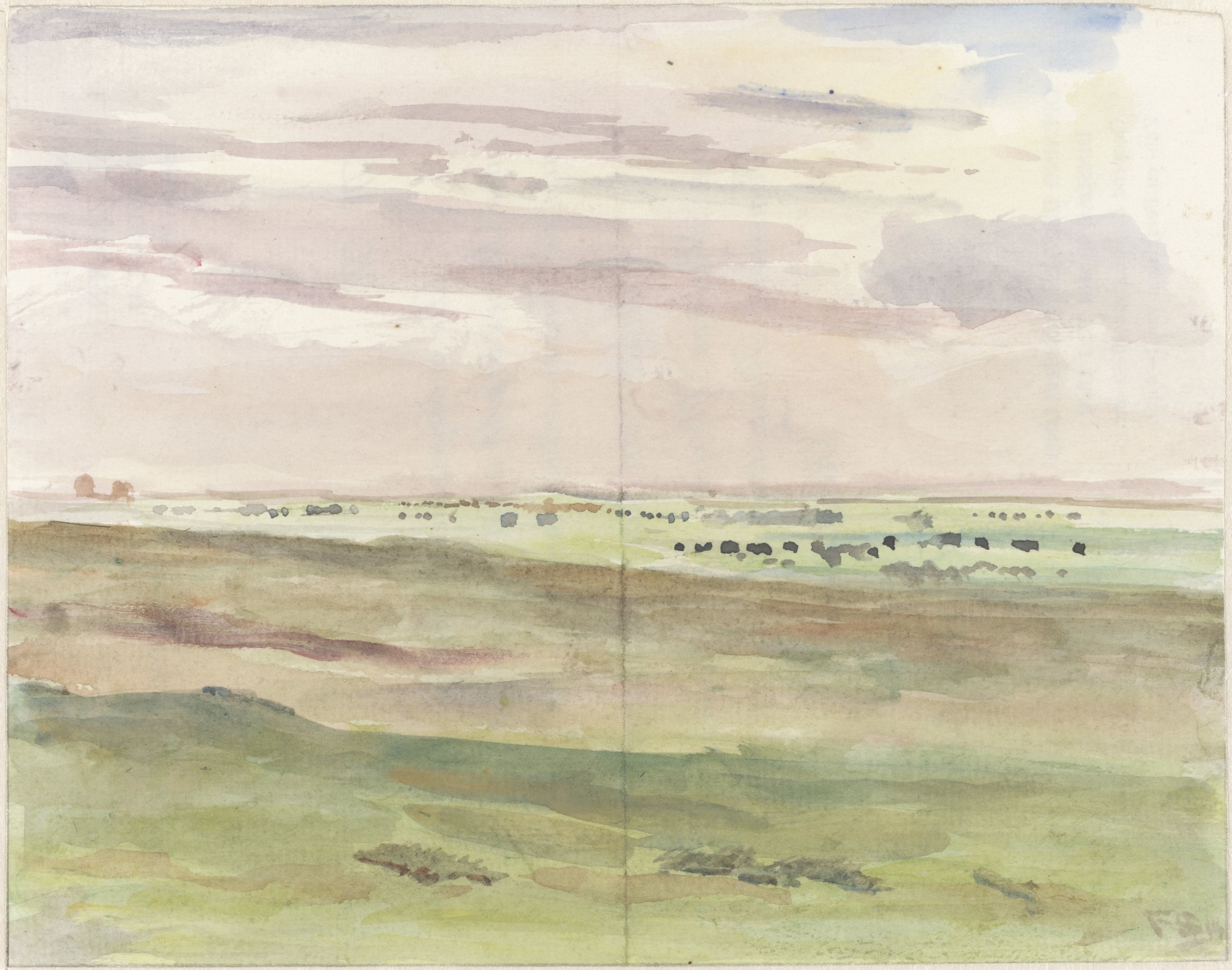
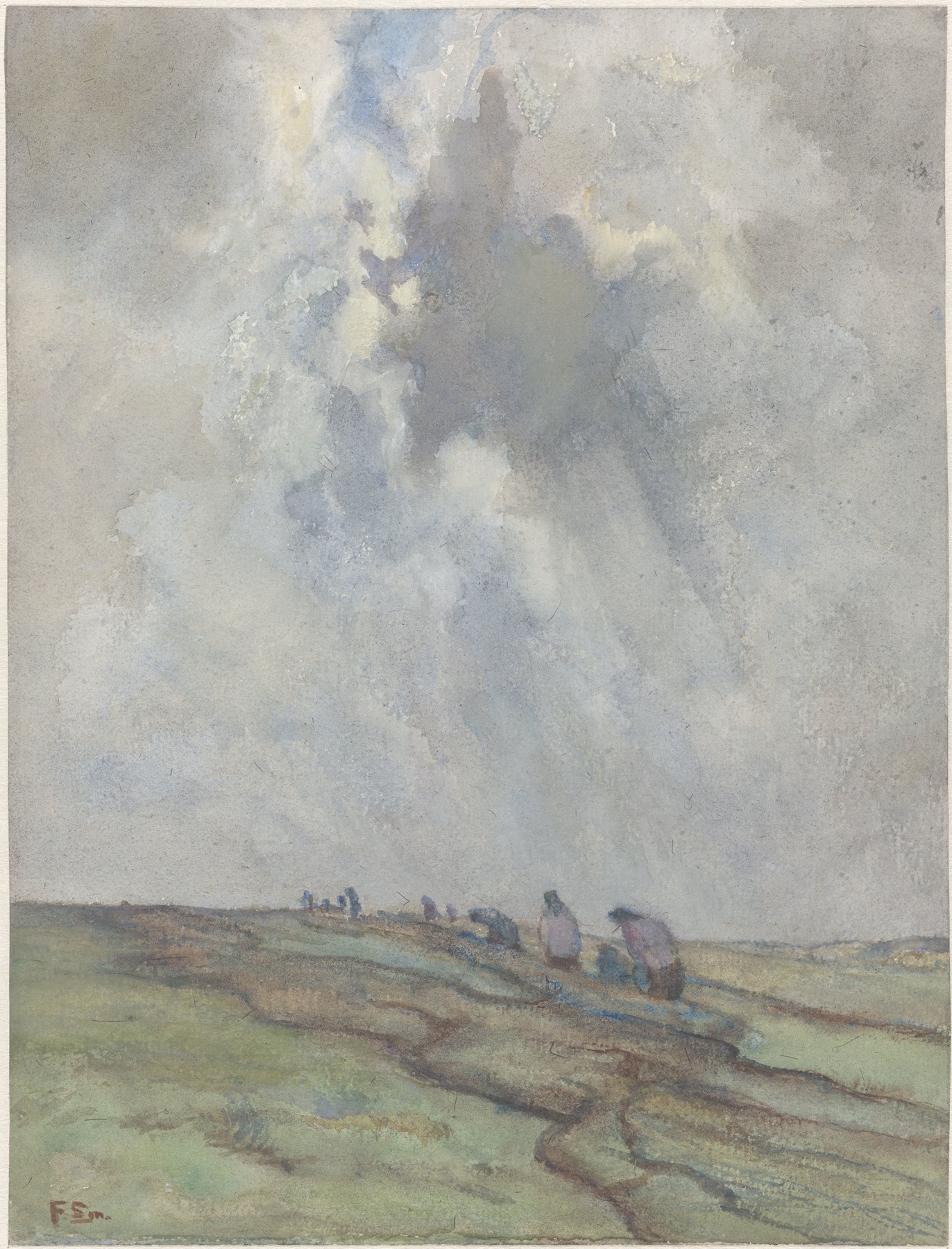
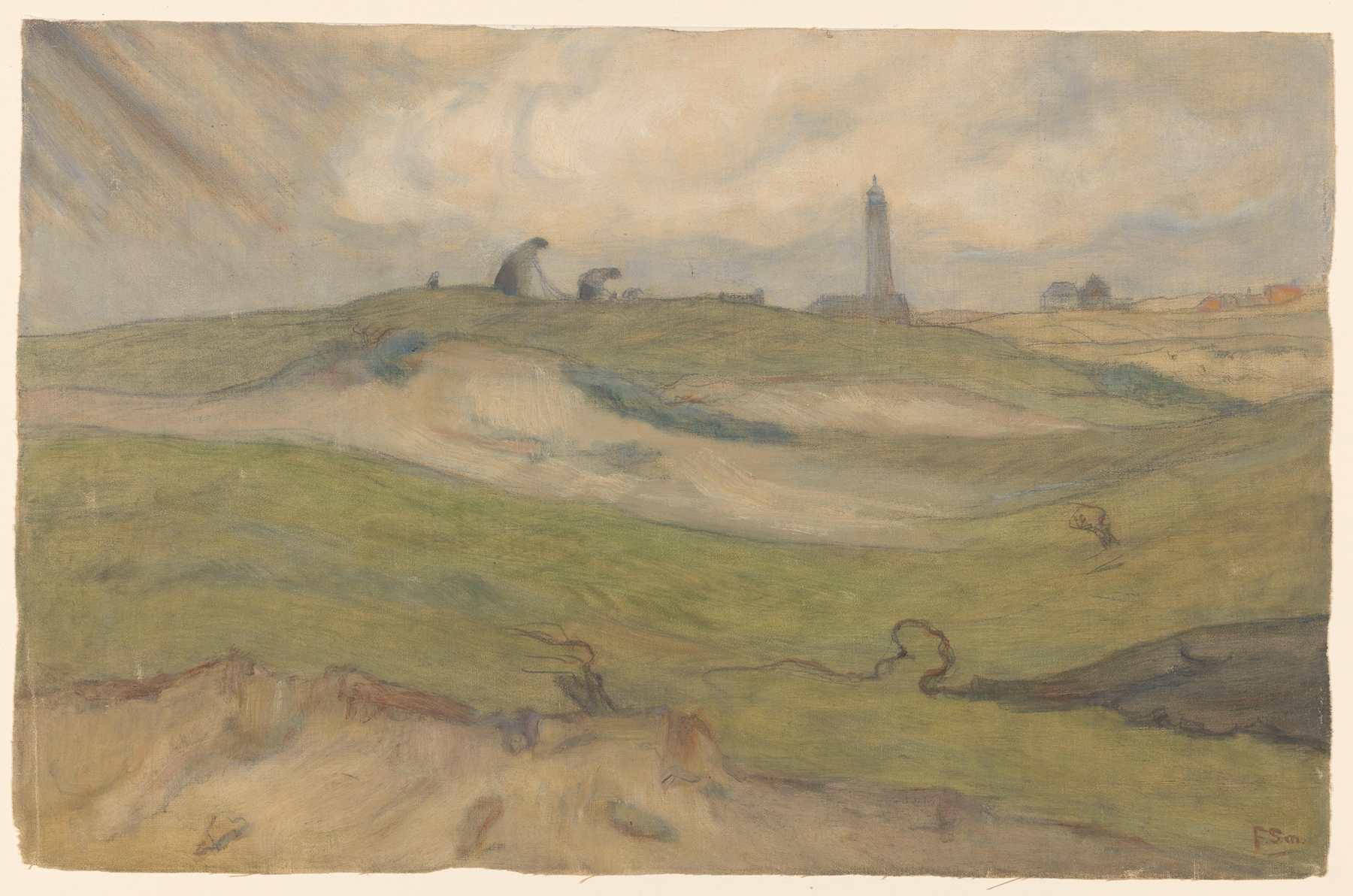
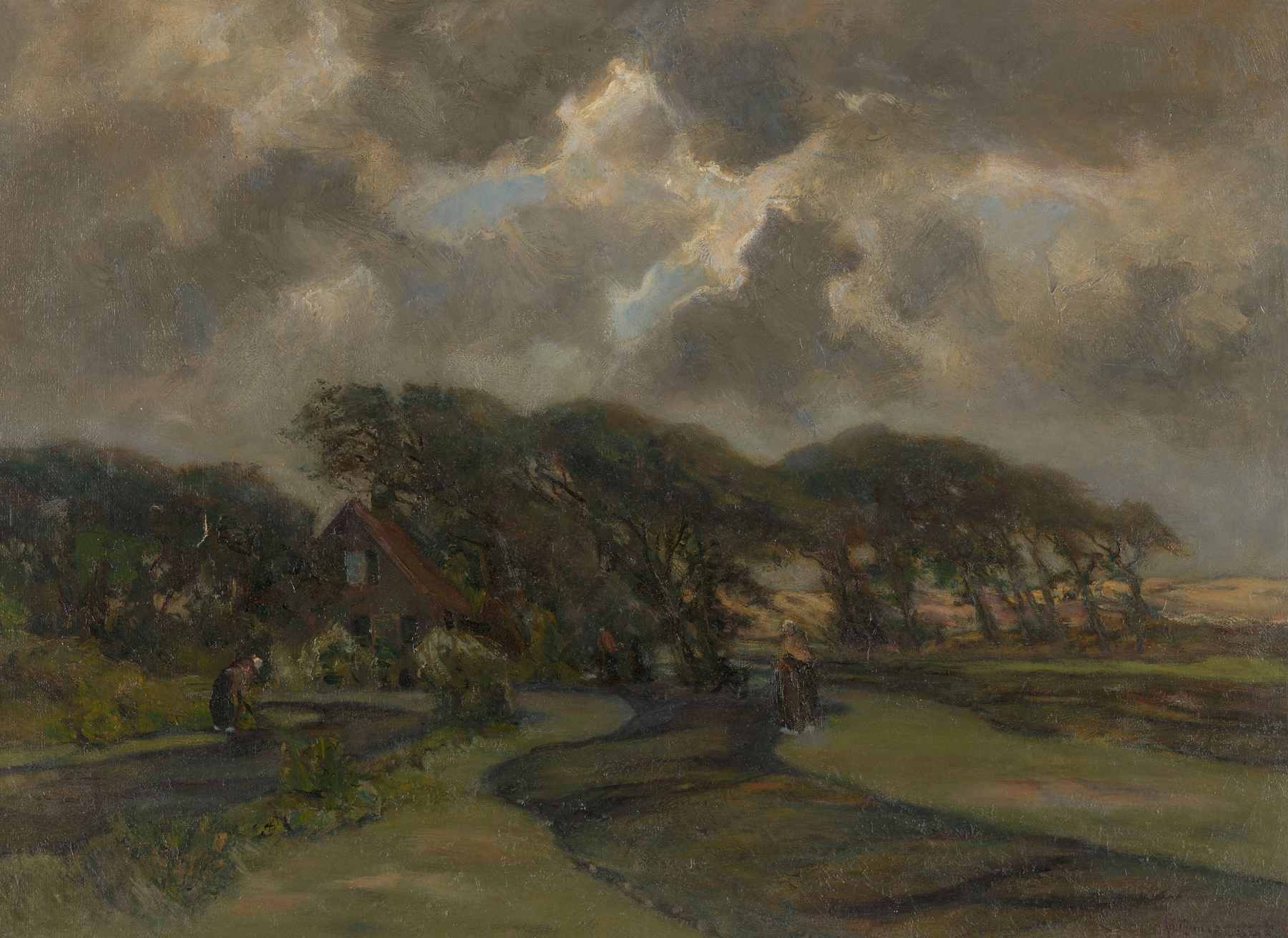
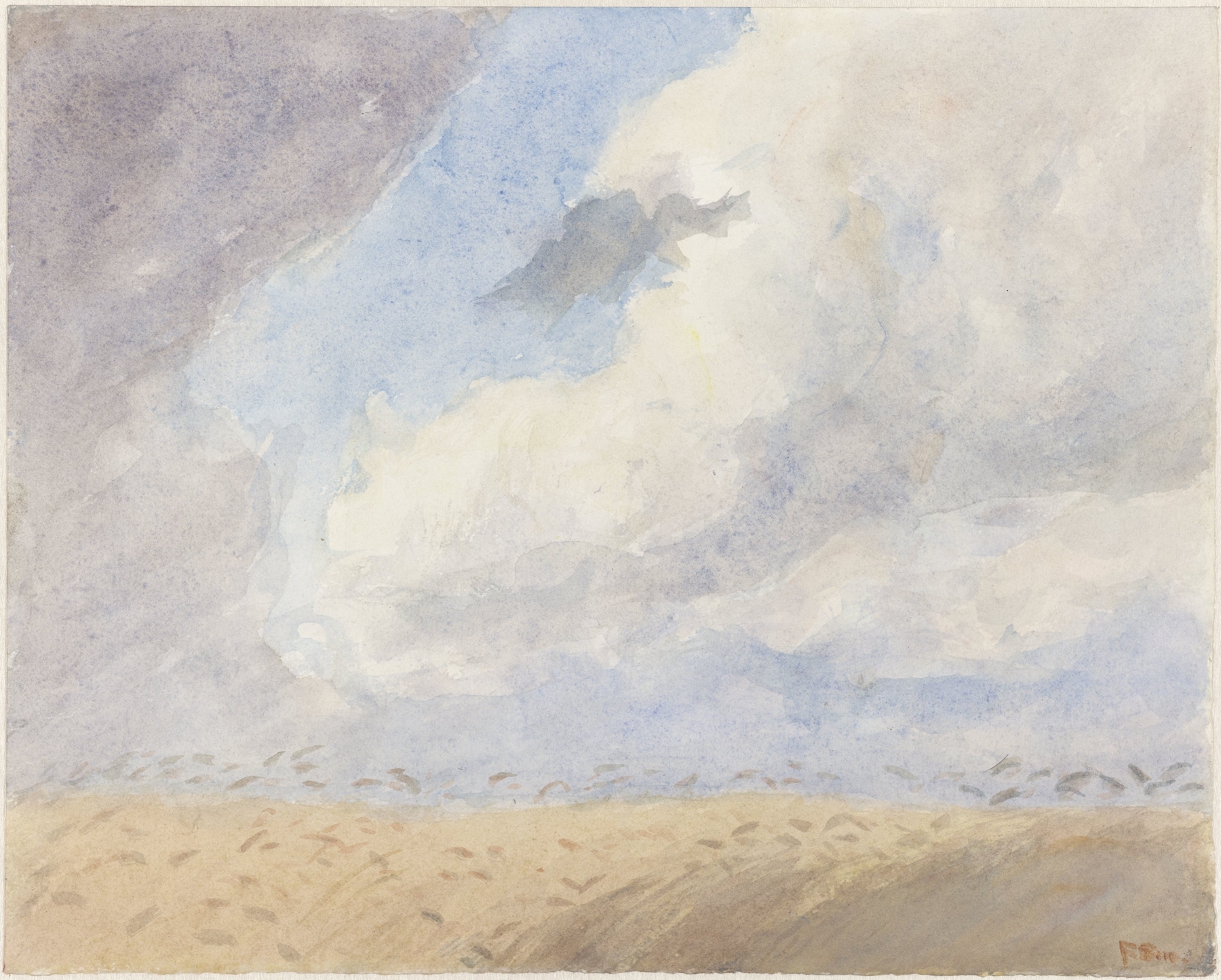
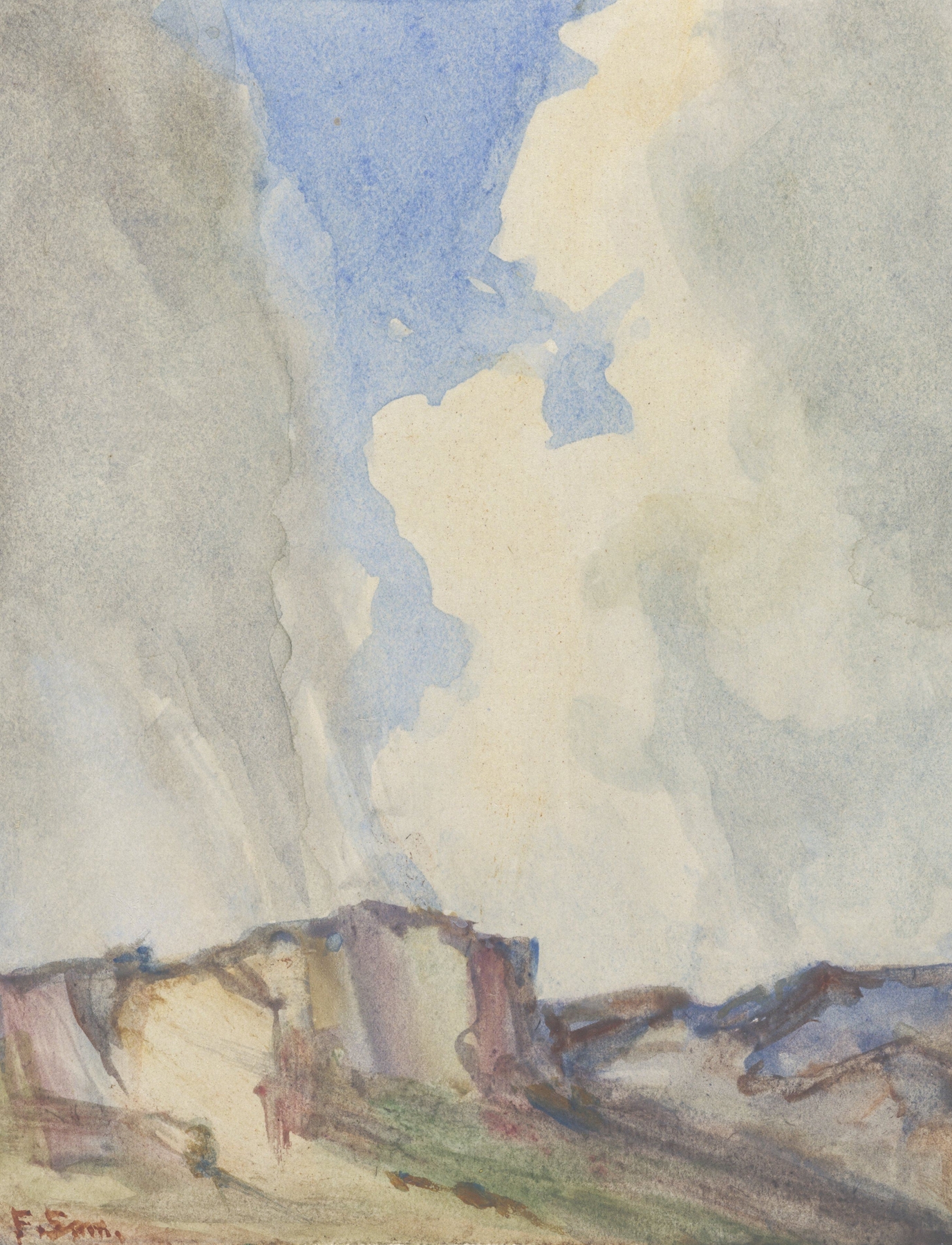
“Under the brush, chaos becomes grace.” In *Duinlandschap met zandafgraving onder stormachtige lucht*, the tumult of nature invites viewers to contemplate the interplay between reality and illusion. Begin your exploration by gazing at the vibrant horizon, where stormy clouds swirl with an intensity that seems almost palpable. Notice how the artist’s brushstrokes imbue the sky with kinetic energy, drawing the eye upward before cascading down toward the rugged landscape. The rich, earthy tones of the sand dunes contrast with the tempestuous blues and grays above, creating a striking balance that invites closer inspection. Each stroke reveals Smissaert's skilled technique, where texture breathes life into the scene, and the shadows hint at the weight of impending rain. Beneath the surface lies a tension between movement and stillness, chaos and serenity. The encroaching storm represents nature's raw power, yet the tranquil dunes stand unwavering, evoking resilience in the face of turmoil. Tiny figures, almost lost within the expansive landscape, embody humanity's fragility against the vastness of nature. This duality—between the tumult of the sky and the solidity of the earth—whispers of the complex relationship humans share with the environment, suggesting both a warning and a sense of peace. Frans Smissaert painted this work during a time of personal reflection amidst the changing landscapes of early 20th-century art. Between 1872 and 1944, he witnessed the evolution of impressionism, merging it with his unique vision of the Dutch landscape. As he explored the emotional depths of natural scenes, societal upheaval hinted at the fragility of existence, echoing through the layers of paint in this evocative piece.