
Dunes — History & Facts
Where does light end, and longing begin? In the delicate interplay between shadow and brilliance, we find a landscape that resonates with both the preciousness of existence and the ephemeral nature of dreams. Look to the horizon line, where soft shades of beige meld into gentle blues—the sky and sand intertwined in an embrace of tranquility. Notice how the artist applies a dappled texture to the surface, a technique that whispers of wind-swept dunes and shifting sands. Each brushstroke captures not just the landscape, but the very essence of time passing, as light dances across the undulating forms, creating a sense of both stillness and movement. Within this serene vista lies an emotional tension.
The light illuminates the dunes, hinting at a promise of exploration and discovery, while the shadows suggest the mysteries that lie beyond the visible horizon. This contrast invites contemplation, evoking feelings of longing and a desire to understand the unseen depths of life. The viewer is left to ponder what lies beneath the surface, as if the very landscape is a mirror reflecting our innermost yearnings. In 1877, Ensor painted this piece during a period of burgeoning innovation in the art world, as Impressionism began to reshape artistic norms.
Living in Belgium, he was influenced by the changing tides of modernity, yet he remained tied to a sense of local landscape—a moment of personal introspection amidst the transformative cultural landscape. This painting acts as a bridge between his early explorations and the richer, more complex visions that would define his later works.
More Artworks by James Ensor
Browse all →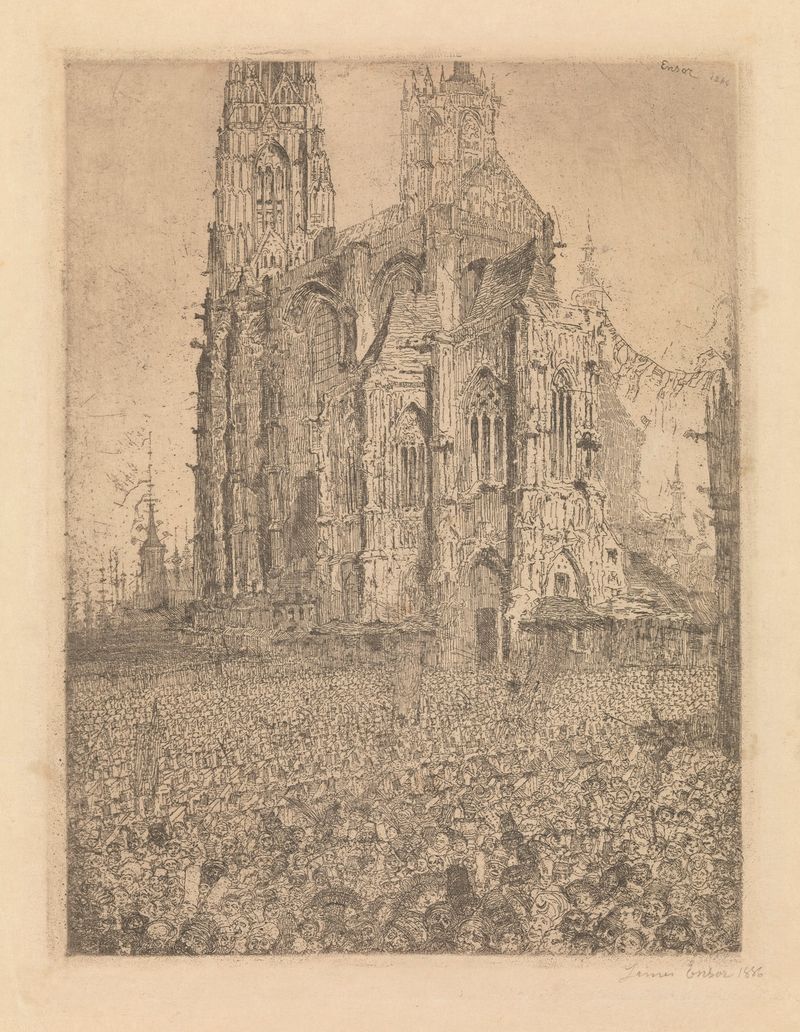
The Cathedral
James Ensor
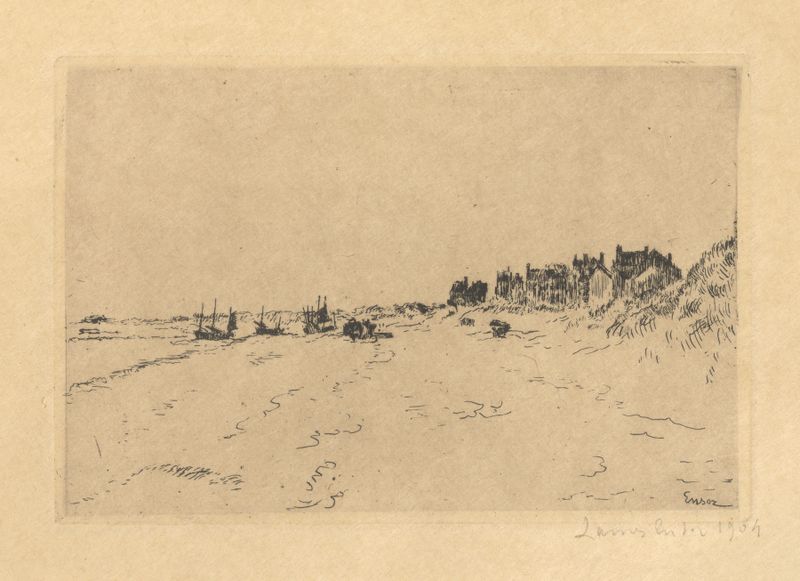
Het strand van De Panne
James Ensor
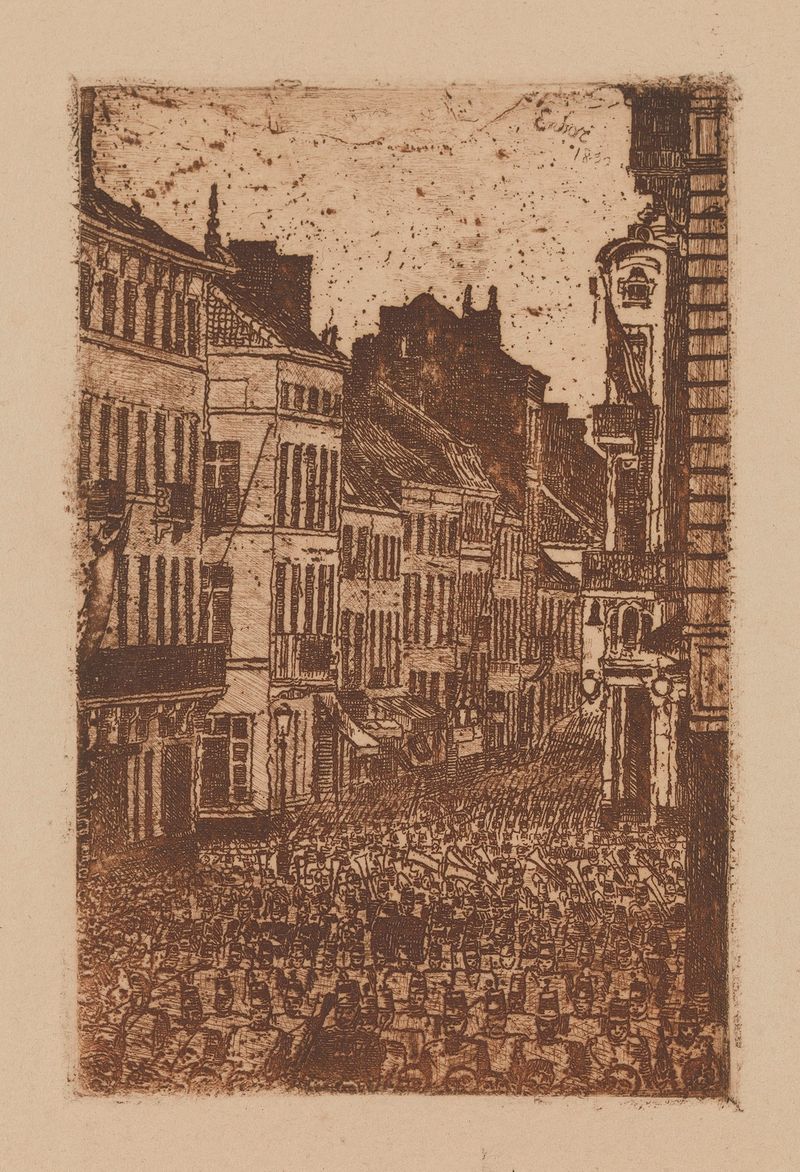
The Music in the rue de Flandre, Ostend
James Ensor
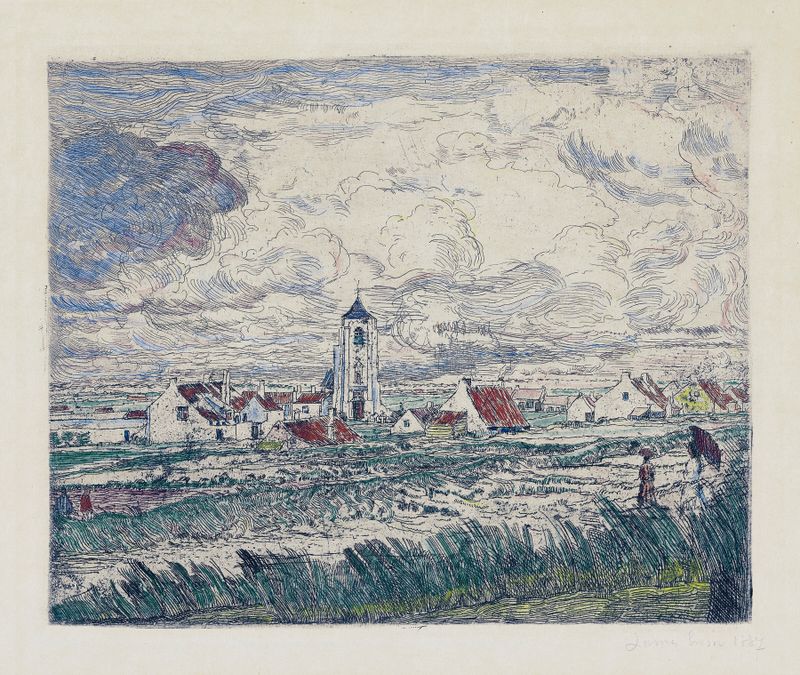
Grande vue de Mariakerke
James Ensor
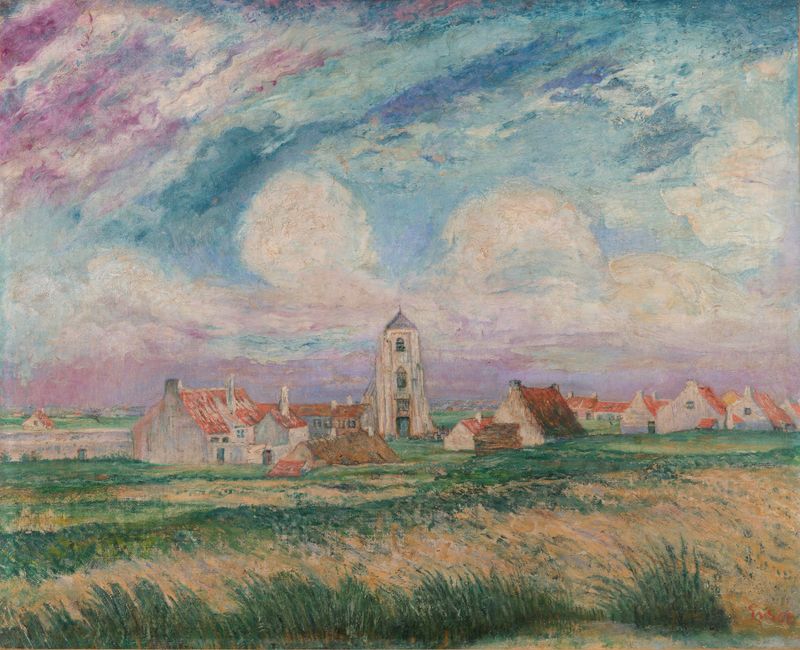
View of Mariakerke
James Ensor
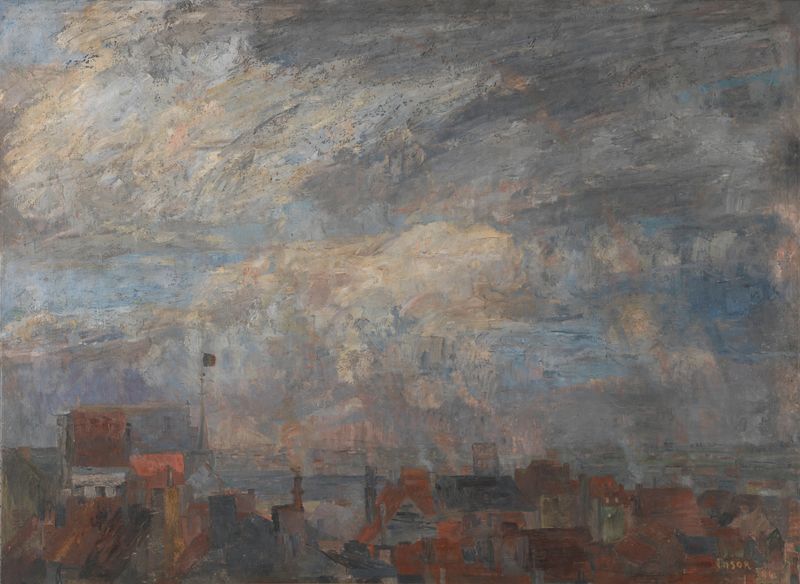
The Rooftops of Ostend
James Ensor
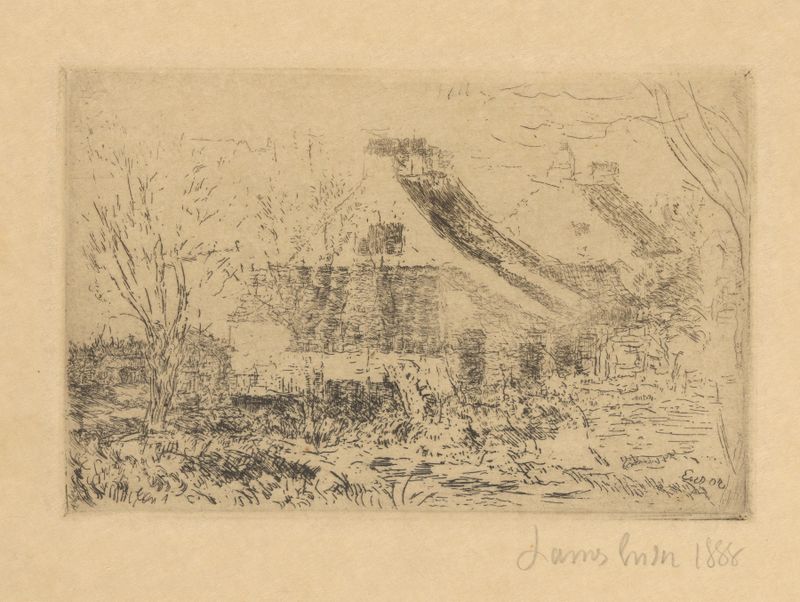
Huisjes in Mariakerke
James Ensor
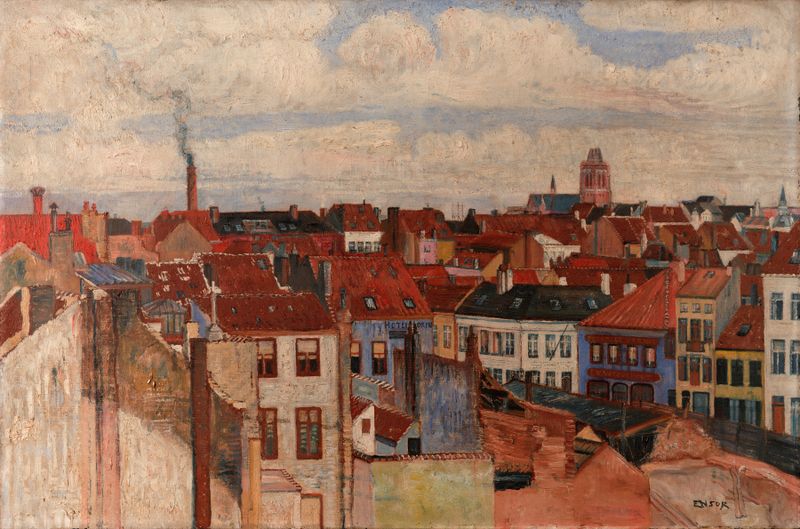
The rooftops of Ostend
James Ensor
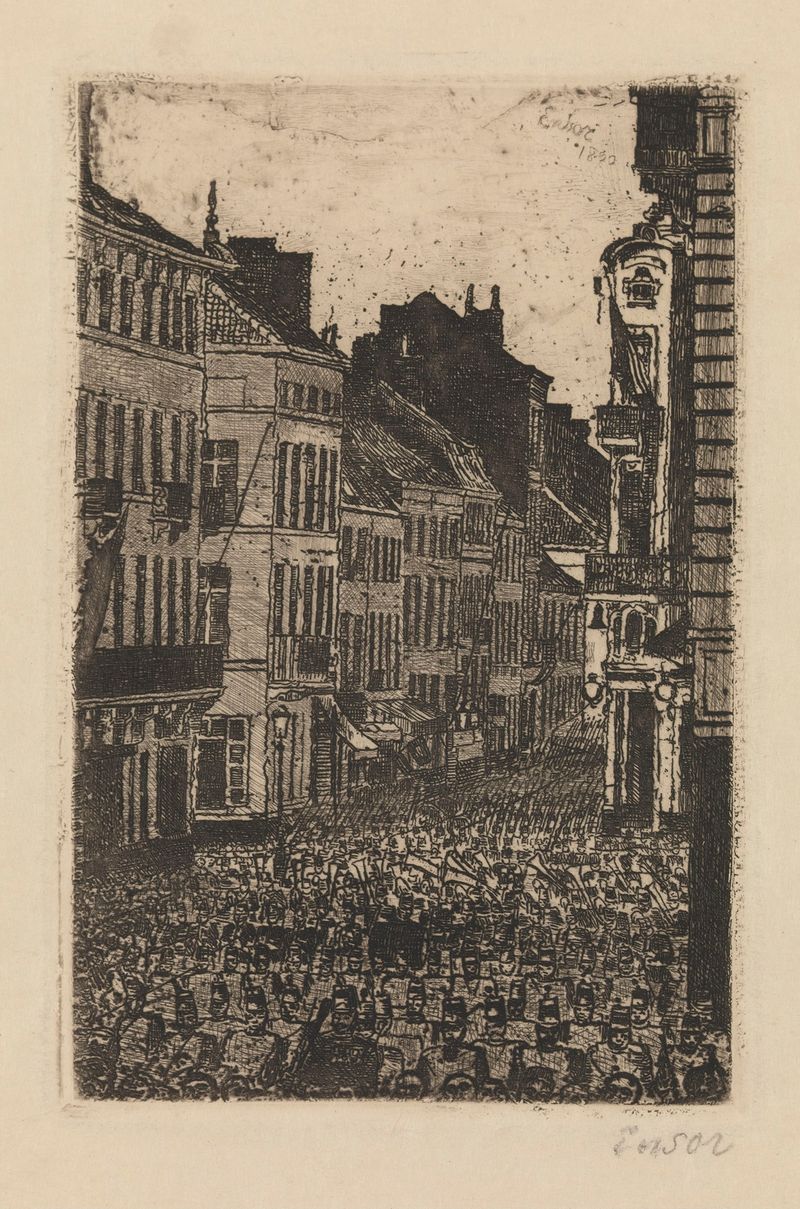
The Music in the rue de Flandre, Ostend
James Ensor
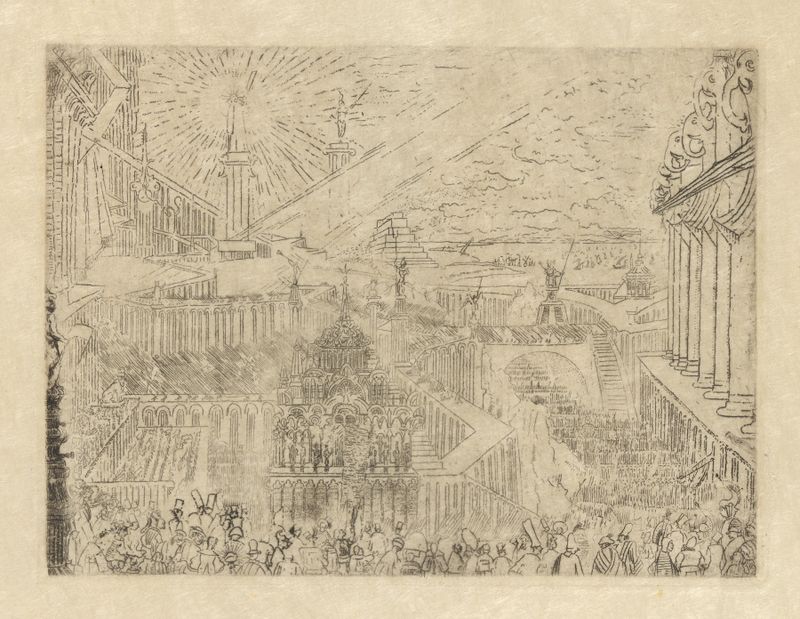
Verovering van een vreemde stad
James Ensor





