
Dunvalanree — History & Facts
Who listens when art speaks of silence? In the quietude of Dunvalanree, the essence of transformation unfolds, revealing the delicate interplay between stillness and the passage of time. Look to the left where the gentle brushstrokes convey a lush expanse of greenery, the vibrant hues of emerald and moss intertwining. The foreground's rolling hills rise gracefully, inviting your gaze upward to the soft gray sky that hints at an impending change. Notice how the light interacts—faintly illuminating the edges of the landscape while casting shadows that deepen the scene’s emotional depth, evoking a sense of anticipation. As you explore further, consider the subtle contrasts within the composition.
The tranquil landscape juxtaposes the looming clouds, creating a tension between serenity and the promise of a storm. This duality speaks to the transformative nature of both the land and the human experience, reminding us that beauty often exists in the midst of uncertainty. The soft lines and muted palette imbue the piece with a contemplative quality, encouraging introspection about the cycles of life and nature. In 1910, David Young Cameron was residing in Scotland, a time when he was deeply influenced by the lush landscapes around him.
This period marked a shift in his artistic focus towards more evocative interpretations of nature, as he sought to capture not just the visual but the emotional resonance of the Scottish countryside. Dunvalanree reflects this transformative vision, merging his mastery of technique with an urgent need to convey the profound silence that envelops our world.
More Artworks by David Young Cameron
Browse all →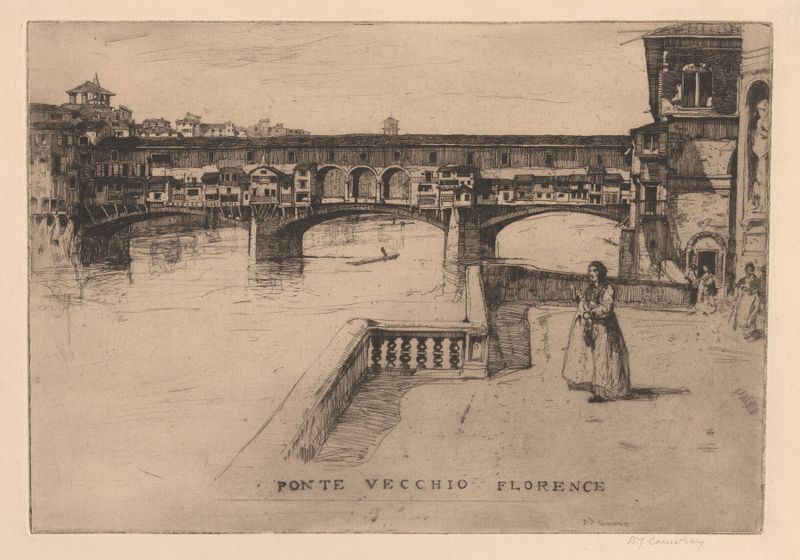
Ponte Vecchio
David Young Cameron

The Deanery, Winchester
David Young Cameron
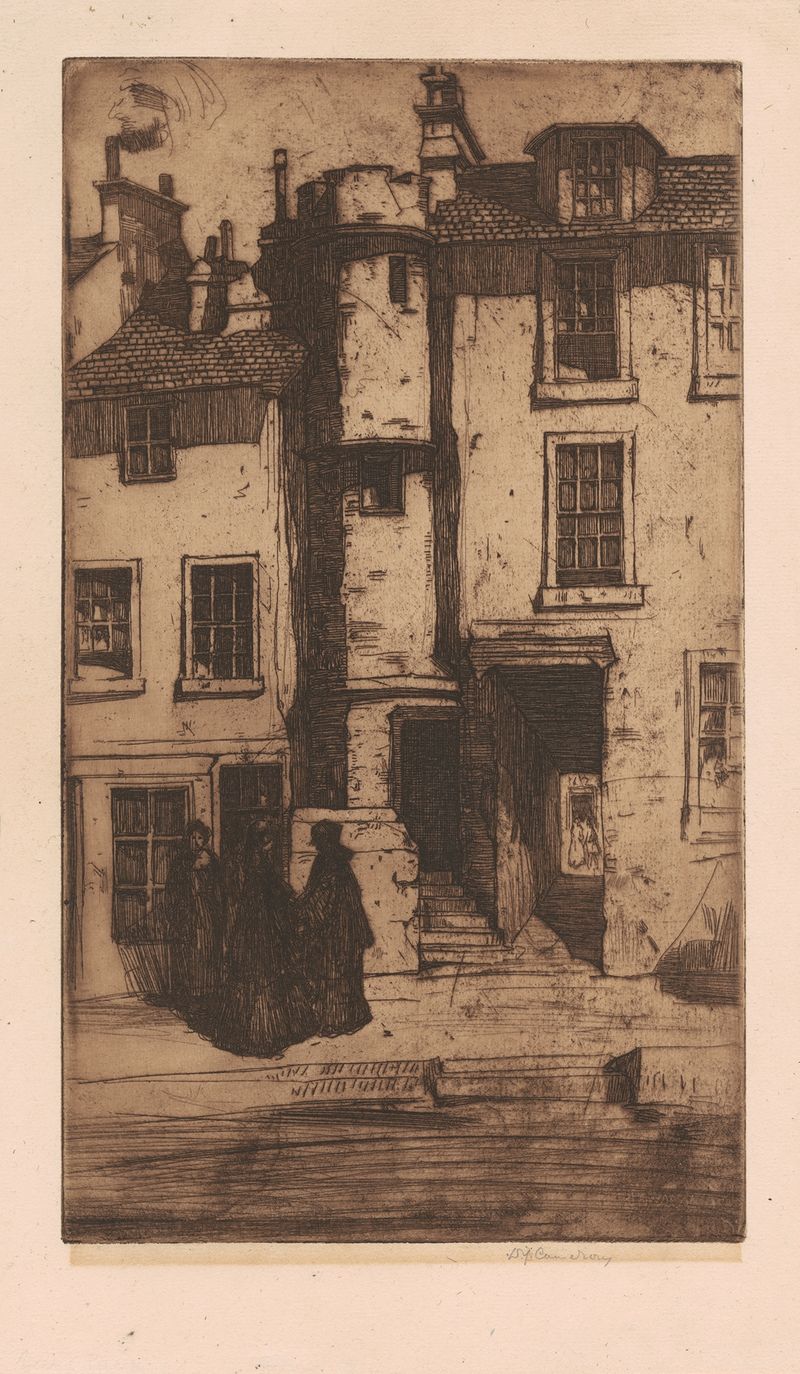
Old Houses, Stirling
David Young Cameron
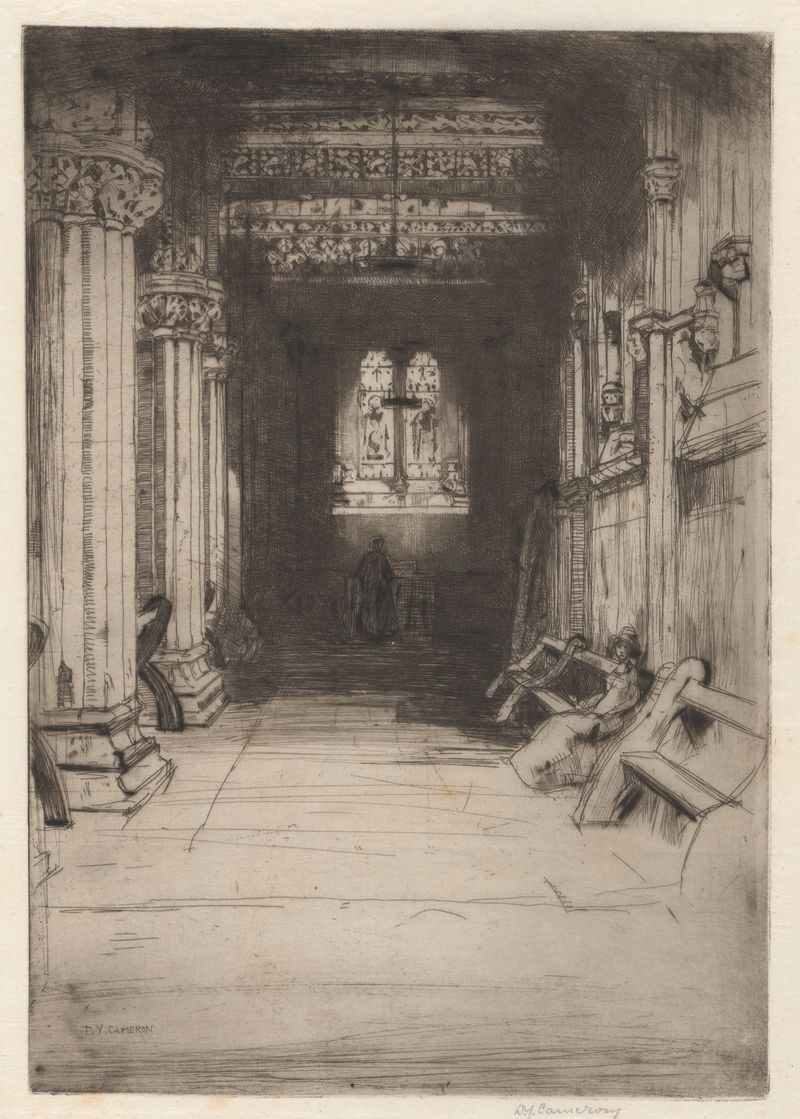
Rosslyn Chapel
David Young Cameron

The Old Museum, Beauvais
David Young Cameron
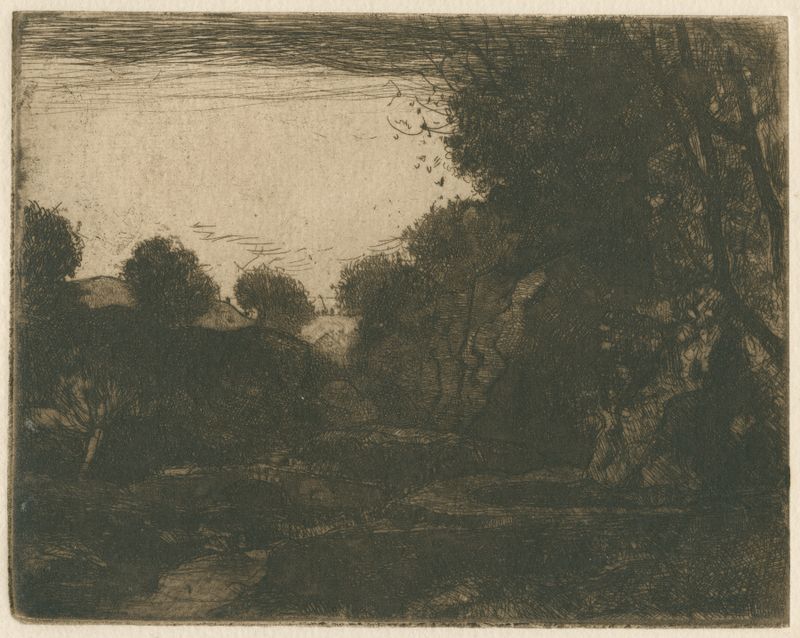
On the Bradford
David Young Cameron

The Smithy
David Young Cameron
Castle Moyle
David Young Cameron
Downing Street
David Young Cameron

Glasgow Cathedral
David Young Cameron





