
Duomo di Milano — History & Facts
Could beauty survive in a century of chaos? This question lingers in the air as we confront the delicate lines and intricate details that define the architectural grandeur of a city, even as time threatens to unravel it all. Focus on the foreground, where the Duomo’s elaborate façade emerges, its gothic spires reaching toward an unseen sky. Notice how the artist employs a soft palette that juxtaposes deep blues and earthy tones, creating depth and inviting the viewer to explore each carefully rendered sculpture. The light dances across the stone, accentuating the textures of decay juxtaposed against the vitality of the living city; the brushstrokes breathe life into the stillness of a moment captured in time. Here lies the tension between majesty and deterioration.
Small cracks in the great stone reveal the passage of time, serving as a poignant reminder of mortality. The bustling streets below, almost ghostly in their representation, suggest a narrative of life that teeters on the brink of oblivion. The artist captures not just a structure, but the soul of a city that has weathered countless storms yet stands resilient, embodying a delicate balance of beauty and decay. Giuseppe Bernardino Bison created this work during a period marked by a blend of neoclassicism and romanticism, likely in the early 19th century.
Living in Italy amidst political turmoil and cultural reawakening, he imbued his depictions of architecture with a sense of nostalgia and hope. The Duomo di Milano serves as a testament to his ability to reflect the aspirations and struggles of a society in flux, immortalizing a landmark that represents both grandeur and the passage of time.
More Artworks by Giuseppe Bernardino Bison
Browse all →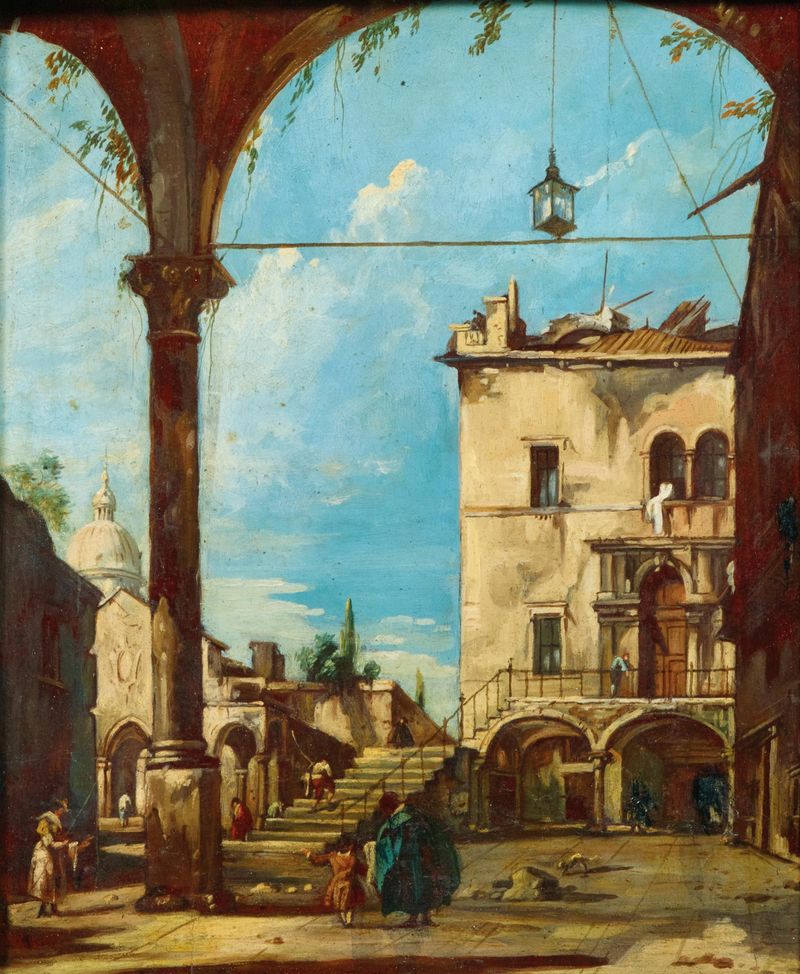
An Architectural Capriccio with Figures
Giuseppe Bernardino Bison
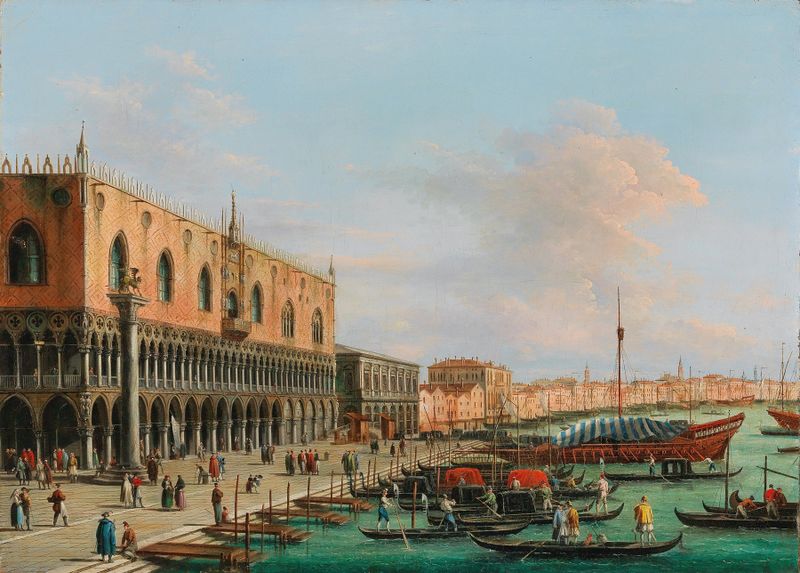
The Palazzo Ducale and the Riva degli Schiavoni, Venice
Giuseppe Bernardino Bison
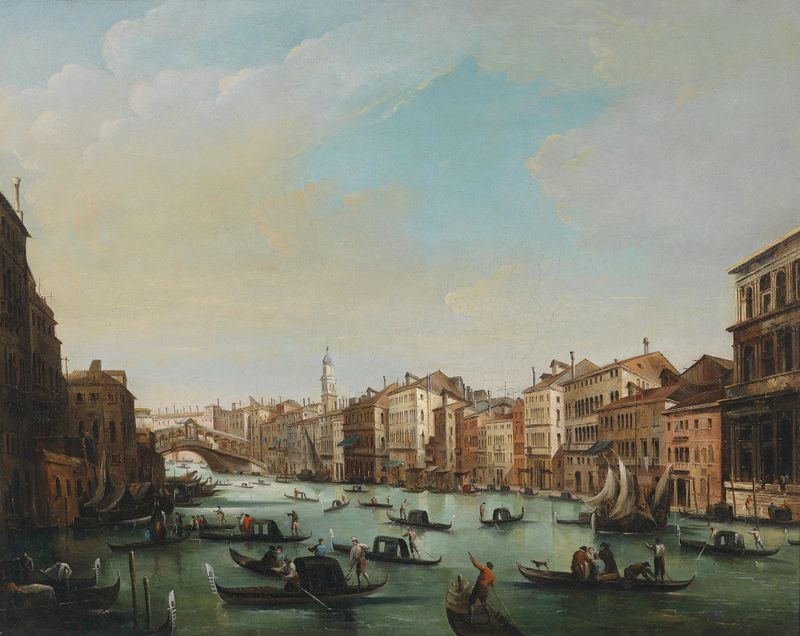
Venedig Canal Grande mit Ponte Rialto
Giuseppe Bernardino Bison
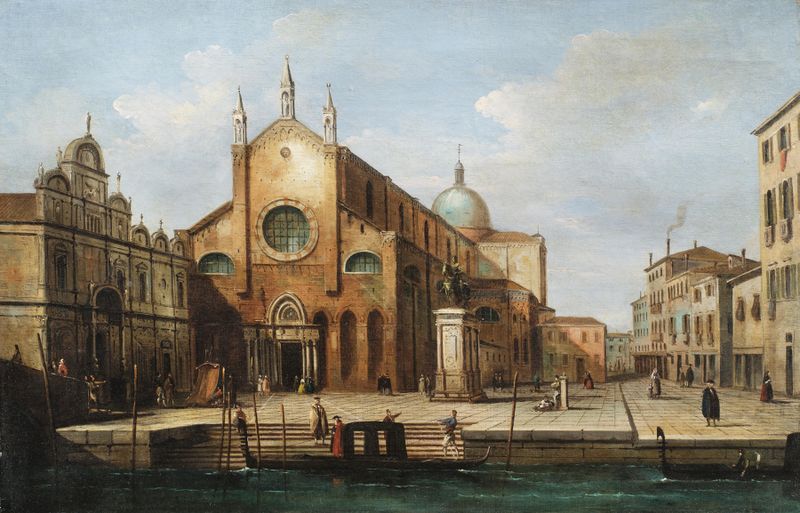
Venice, View of Campo Santi Giovanni e Paolo and the Scuola Grande di San Marco
Giuseppe Bernardino Bison
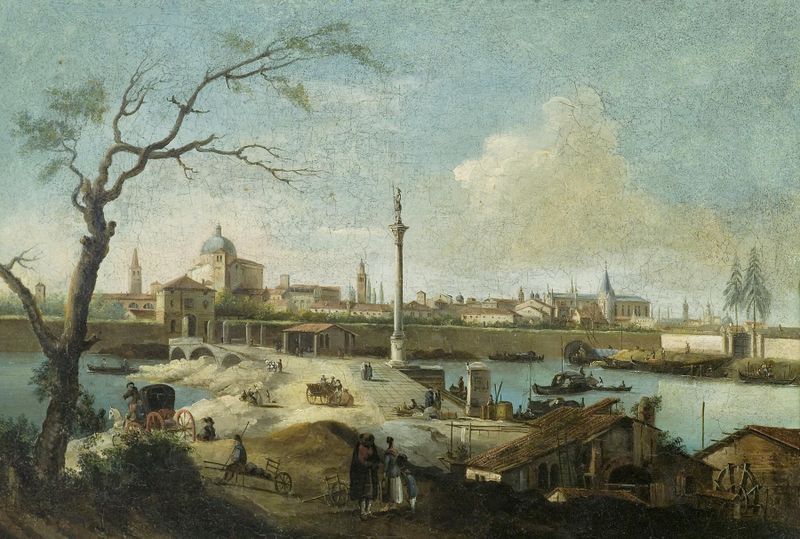
Capriccio mit der Ansicht von Padua
Giuseppe Bernardino Bison
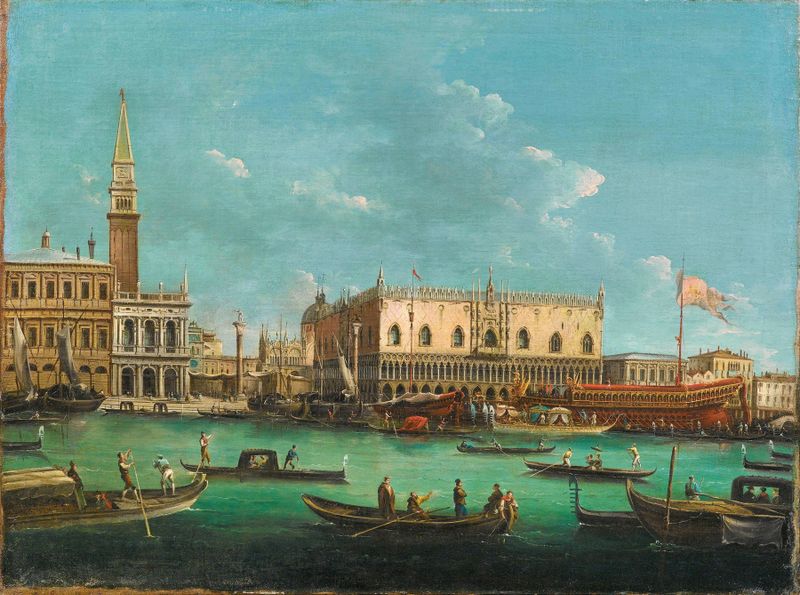
The Bucintoro at the Molo, Venice, on Ascension Day
Giuseppe Bernardino Bison
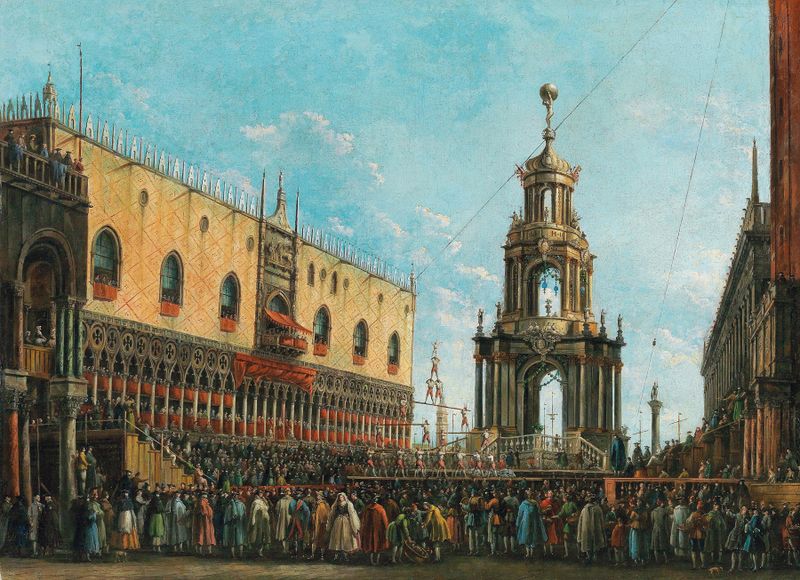
The ‘Giovedi Grasso’ Festival before the Ducal Palace in Venice
Giuseppe Bernardino Bison
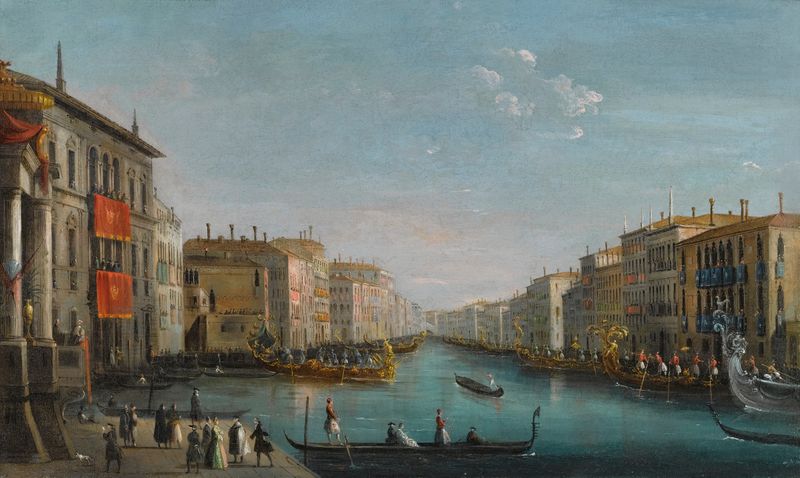
Venice, A View Of The Grand Canal From The Palazzo Balbi Looking Toward The Rialto Bridge With A Regata
Giuseppe Bernardino Bison
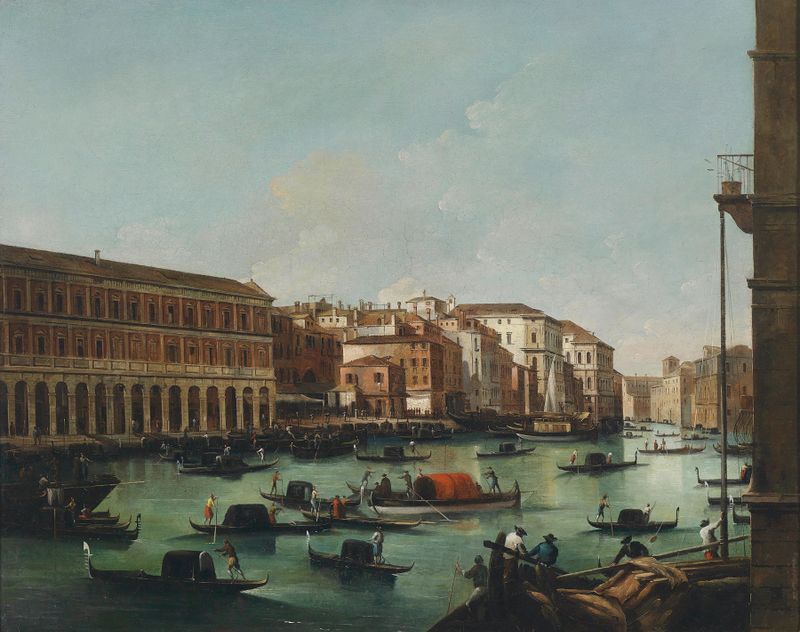
Venedig Canal Grande mit Fabbriche Nuove
Giuseppe Bernardino Bison
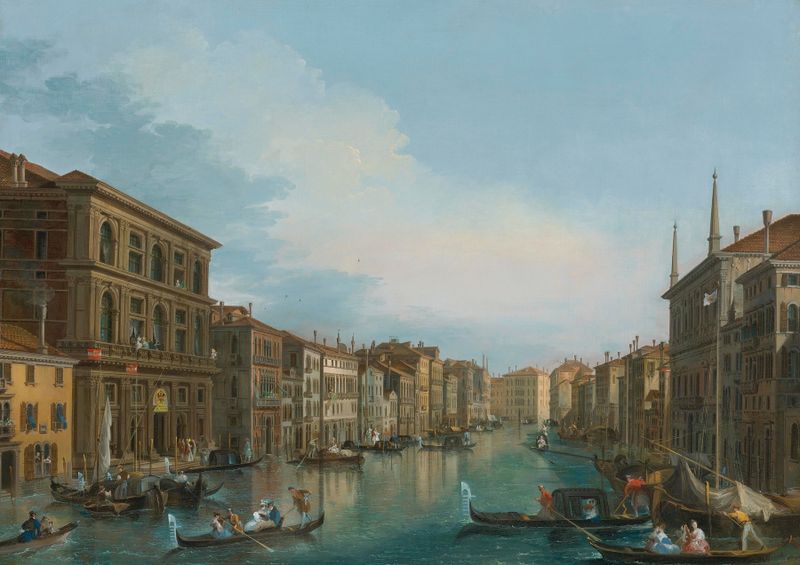
View Of The Grand Canal From The Palazzo Grimani
Giuseppe Bernardino Bison
More Architecture Art
Browse all →
The statue of Liberty
Frédéric Auguste Bartholdi

View of Houses in Delft, Known as ‘The Little Street’
Johannes Vermeer

View of Houses in Delft, Known as ‘The Little Street’
Johannes Vermeer

The Cathedral in Rouen. The portal, Grey Weather
Claude Monet

The yellow house
Vincent van Gogh

The Church in Auvers-sur-Oise, View from the Chevet
Vincent van Gogh