
Durham Cathedral — History & Facts
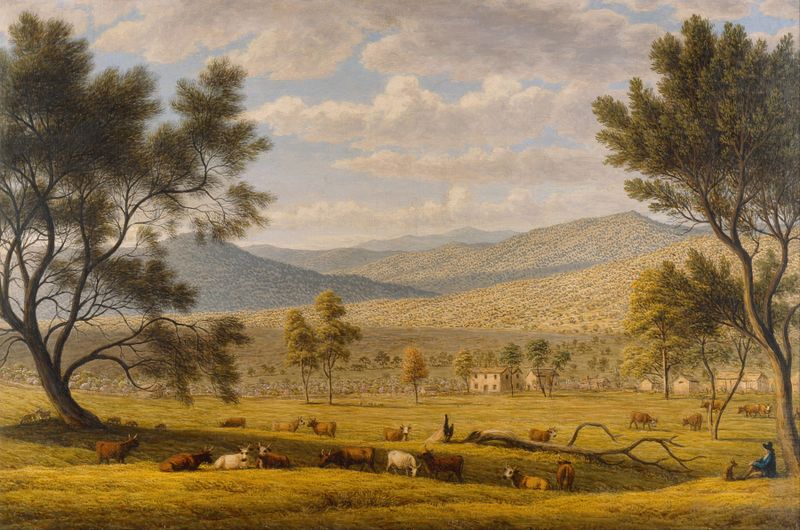
Can beauty exist without sorrow? In the hands of a master, the answer is a resounding yes, as captured in the tranquil essence of the landscape. Focus on the sweeping expanse of the canvas, where the grandeur of Durham Cathedral rises majestically against a tranquil sky. The delicate interplay of light and shadow brings the stone structure to life, inviting the viewer to explore its intricate details. Notice how the soft greens of the surrounding countryside contrast with the cathedral's steadfast gray, creating a serene yet compelling visual dialogue that embodies a perfect harmony between nature and architecture. Delve deeper into the subtleties within the scene: a lone tree bends gracefully in the foreground, its branches whispering secrets of time while casting soft shadows on the lush meadow.
The distant hills, softly painted in hues of blue and gray, evoke a sense of timelessness and contemplative solitude. This landscape transcends mere representation; it urges one to ponder the layers of history and emotion embedded in the stones of the cathedral, suggesting that even in serenity, echoes of past sorrows linger. John Glover painted this evocative piece during his years in England, likely in the early 19th century, when he was captivated by the natural beauty of the British landscape. Amidst a period of burgeoning Romanticism, his work reflected not only a deep appreciation for nature but also a growing emphasis on personal emotion and connection to place.
Glover's dedication to portraying the sublime captures a moment in time where beauty and melancholy were inextricably linked, revealing the artist’s profound sensitivity to the world around him.
More Artworks by John Glover
Browse all →
A view of the artist’s house and garden, in Mills Plains, Van Diemen’s Land
John Glover
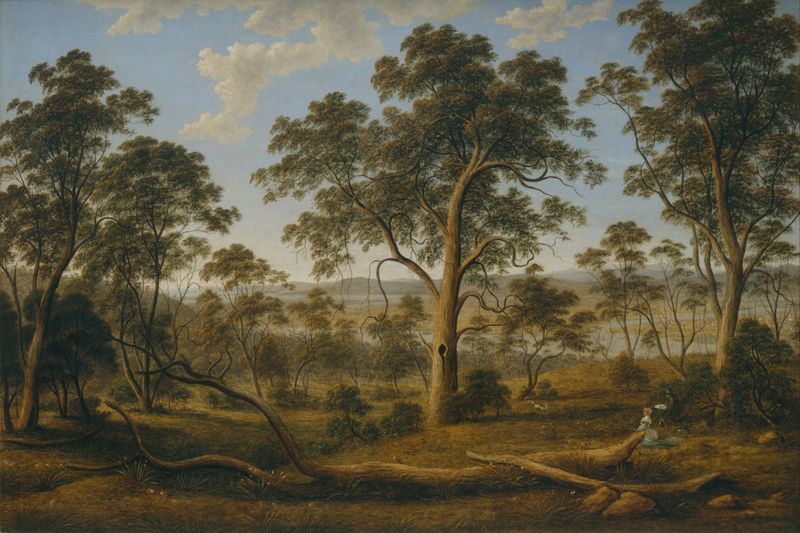
Launceston and the river Tamar
John Glover
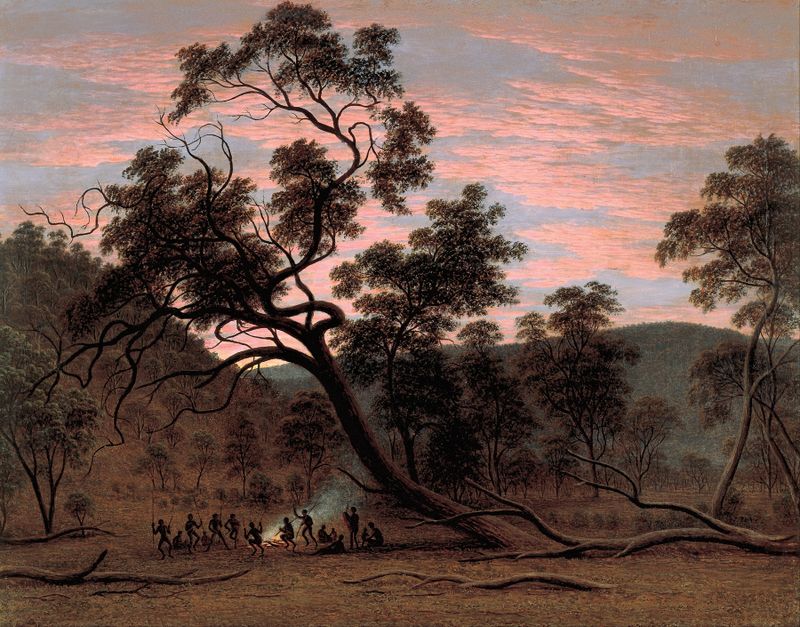
A corroboree of natives in Mills Plains
John Glover

Mount Wellington and Hobart Town from Kangaroo Point
John Glover

Mr Robinson’s house on the Derwent, Van Diemen’s Land
John Glover
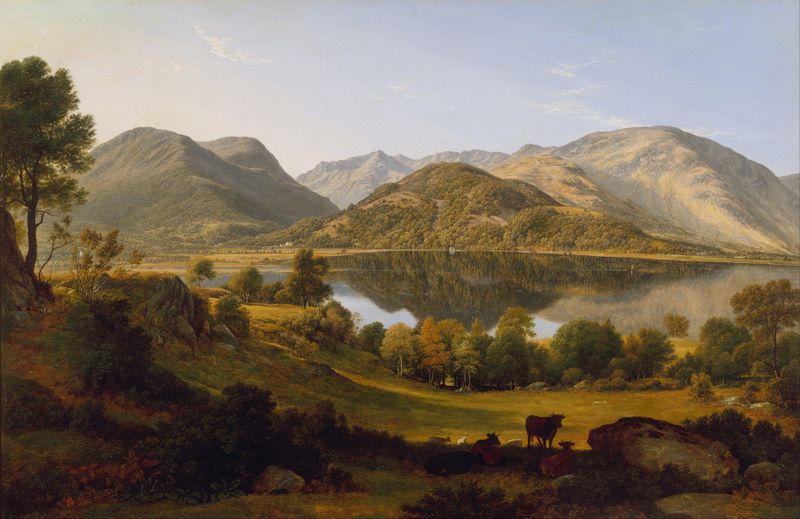
Ullswater, early morning
John Glover
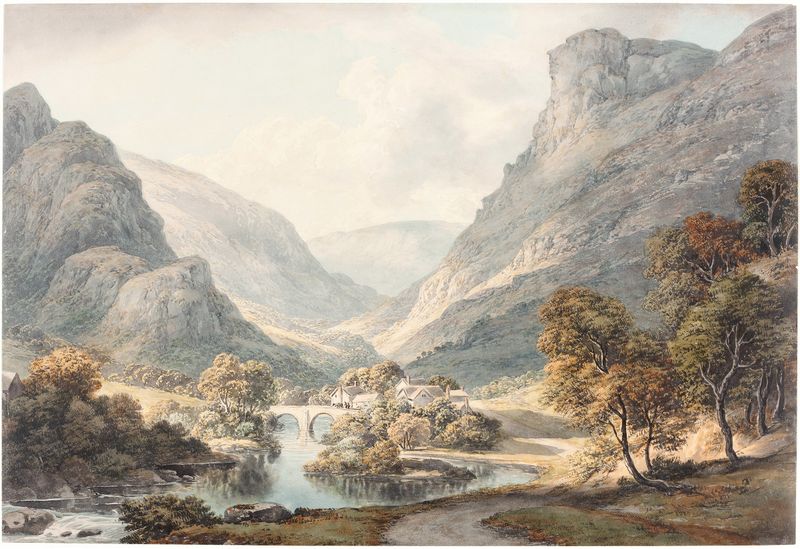
A View of Dovedale
John Glover

The bath of Diana, Van Diemen’s Land
John Glover

Landscape view in Cumberland
John Glover
Patterdale farm
John Glover
More Architecture Art
Browse all →
The statue of Liberty
Frédéric Auguste Bartholdi

View of Houses in Delft, Known as ‘The Little Street’
Johannes Vermeer

View of Houses in Delft, Known as ‘The Little Street’
Johannes Vermeer

The Cathedral in Rouen. The portal, Grey Weather
Claude Monet

The yellow house
Vincent van Gogh

The Church in Auvers-sur-Oise, View from the Chevet
Vincent van Gogh