
A corroboree of natives in Mills Plains — History & Facts
In capturing fleeting moments, artists etch legacies into existence, offering us a window into worlds that might otherwise be lost. Look to the center of the canvas, where the vibrant gathering of Indigenous figures unfolds, their bodies animated by the rhythms of a ceremonial dance. Surrounding them, the landscape breathes with rich greens and earth tones, evoking a connection between the people and their land. Notice how the sunlight filters through the trees, illuminating the figures with a warm glow, while the shadows create a delicate balance, enhancing the sense of movement and life inherent in the scene.
Each brushstroke feels purposeful, drawing the eye deeper into a narrative that celebrates culture and tradition. Beneath the surface, the painting hints at themes of connection and continuity. The gathering represents not merely a social event but an embodiment of identity and heritage, echoing the enduring bond between the Indigenous people and their ancestral lands. The figures, unified in their dance, contrast sharply with the encroaching influence of colonial expansion, suggesting a fragile harmony.
This tension between celebration and loss resonates throughout the work, inviting viewers to contemplate both the beauty and the complexities of cultural survival. In 1832, Glover painted this piece during a time of significant change in Australia, as European settlement began to reshape the continent's landscape and its peoples. Living in Tasmania, he was deeply engaged with the environment and the Indigenous cultures that inhabited it. This work reflects his commitment not only to the documentation of the land but also to the acknowledgment of its first inhabitants, making it a crucial part of his artistic legacy.
More Artworks by John Glover
Browse all →
A view of the artist’s house and garden, in Mills Plains, Van Diemen’s Land
John Glover
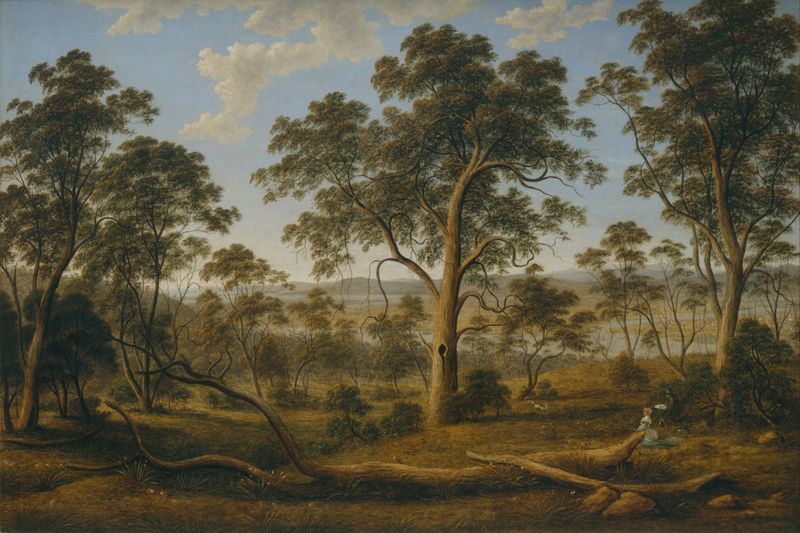
Launceston and the river Tamar
John Glover

Mount Wellington and Hobart Town from Kangaroo Point
John Glover

Mr Robinson’s house on the Derwent, Van Diemen’s Land
John Glover
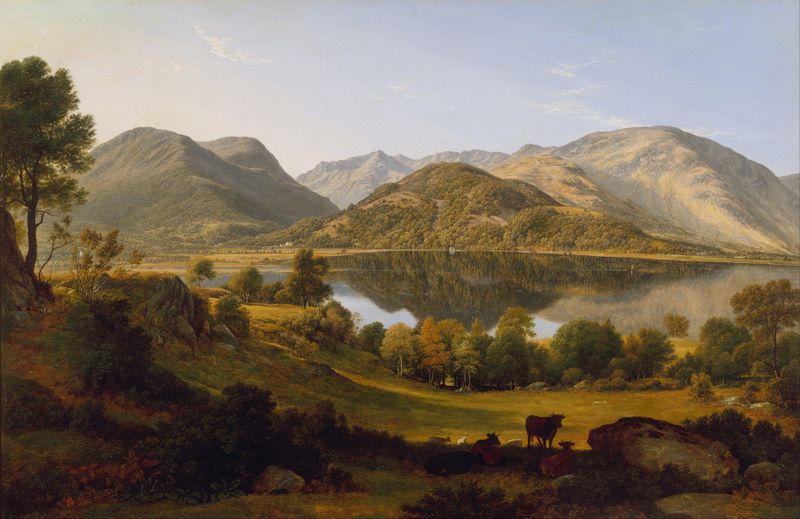
Ullswater, early morning
John Glover
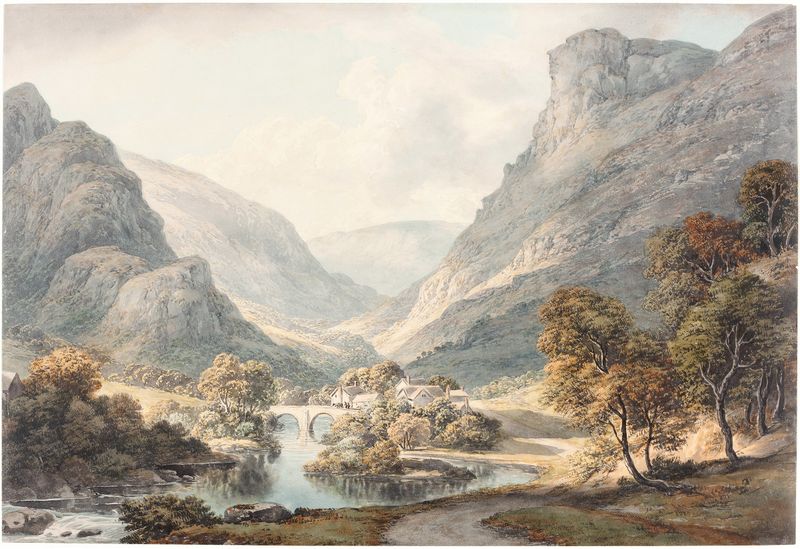
A View of Dovedale
John Glover

The bath of Diana, Van Diemen’s Land
John Glover

Landscape view in Cumberland
John Glover
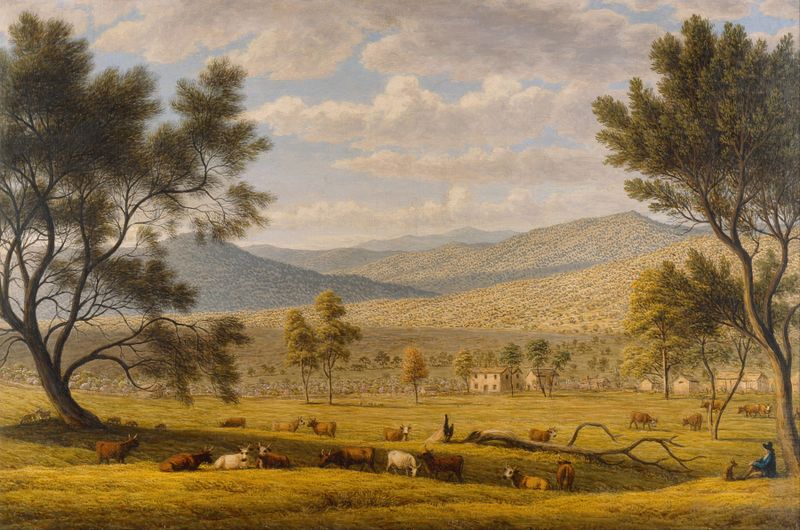
Patterdale farm
John Glover
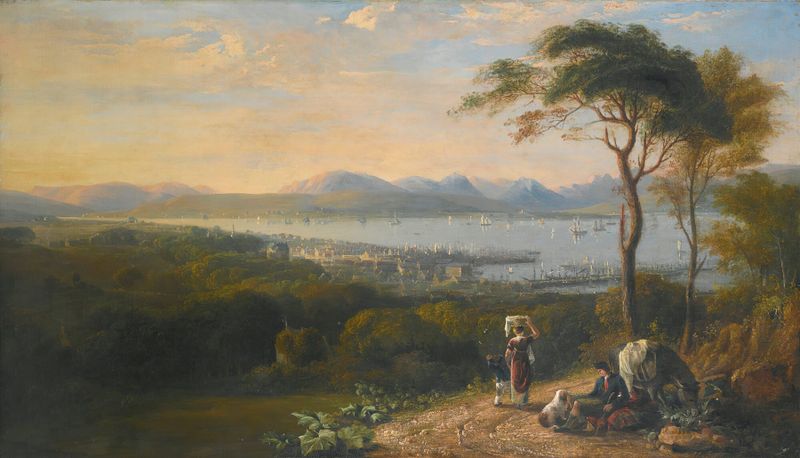
View Of Port Glasgow And Greenock On The Firth Of Clyde, The Argyll Hills Beyond
John Glover
More Historical Art
Browse all →
The Night Watch Militia Company of District II under the Command of Captain Frans Banninck Cocq
Rembrandt van Rijn
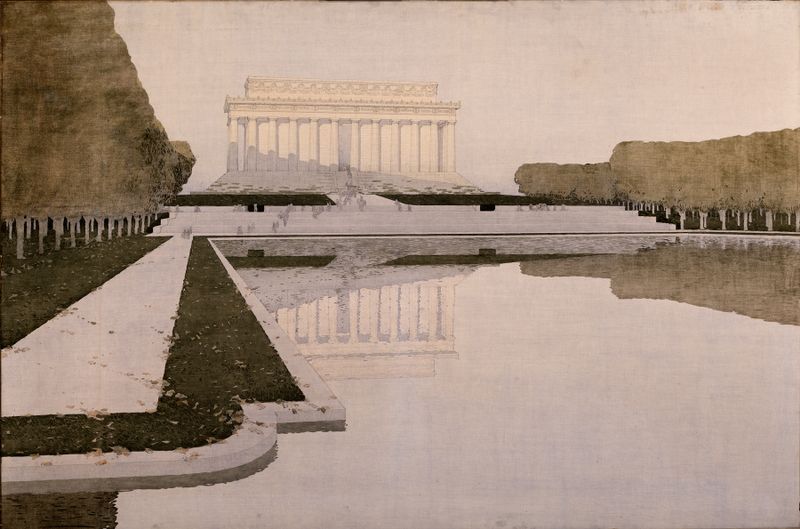
Lincoln Memorial
Henry Bacon
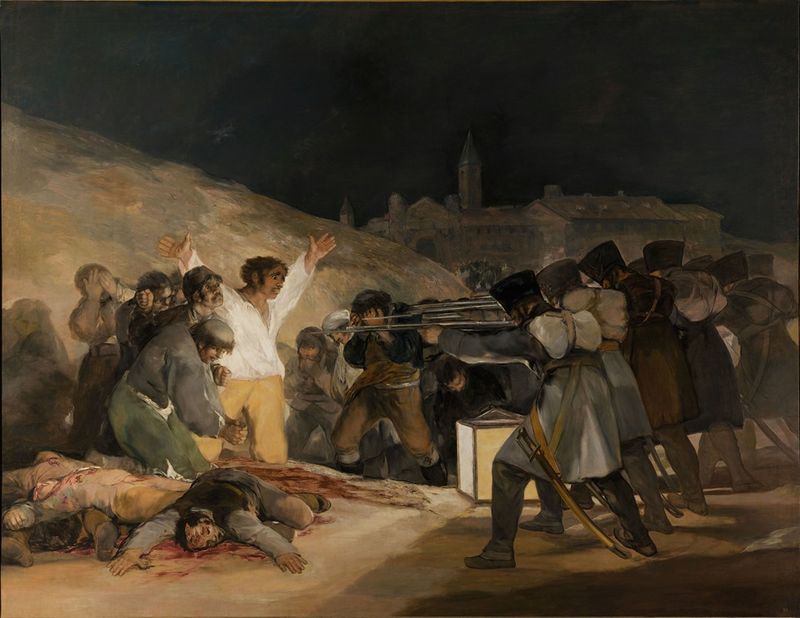
The Third of May 1808
Francisco de Goya

Isaac and Rebecca, Known as ‘The Jewish Bride’
Rembrandt van Rijn
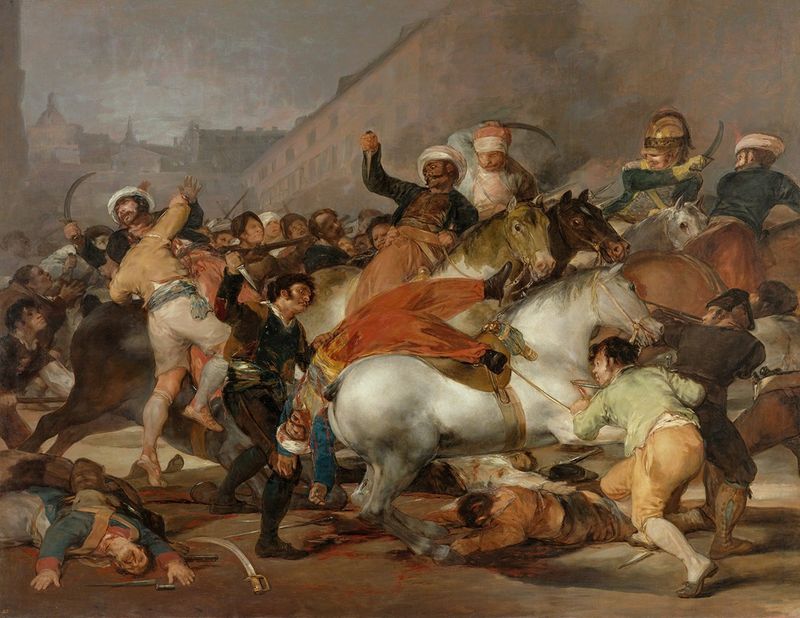
The Charge of the Mamelukes (1814)
Francisco de Goya

De vier ruiters van de apocalyps
Albrecht Dürer