Dwaze maagd met uitgedoofde olielamp in landschap — History & Facts
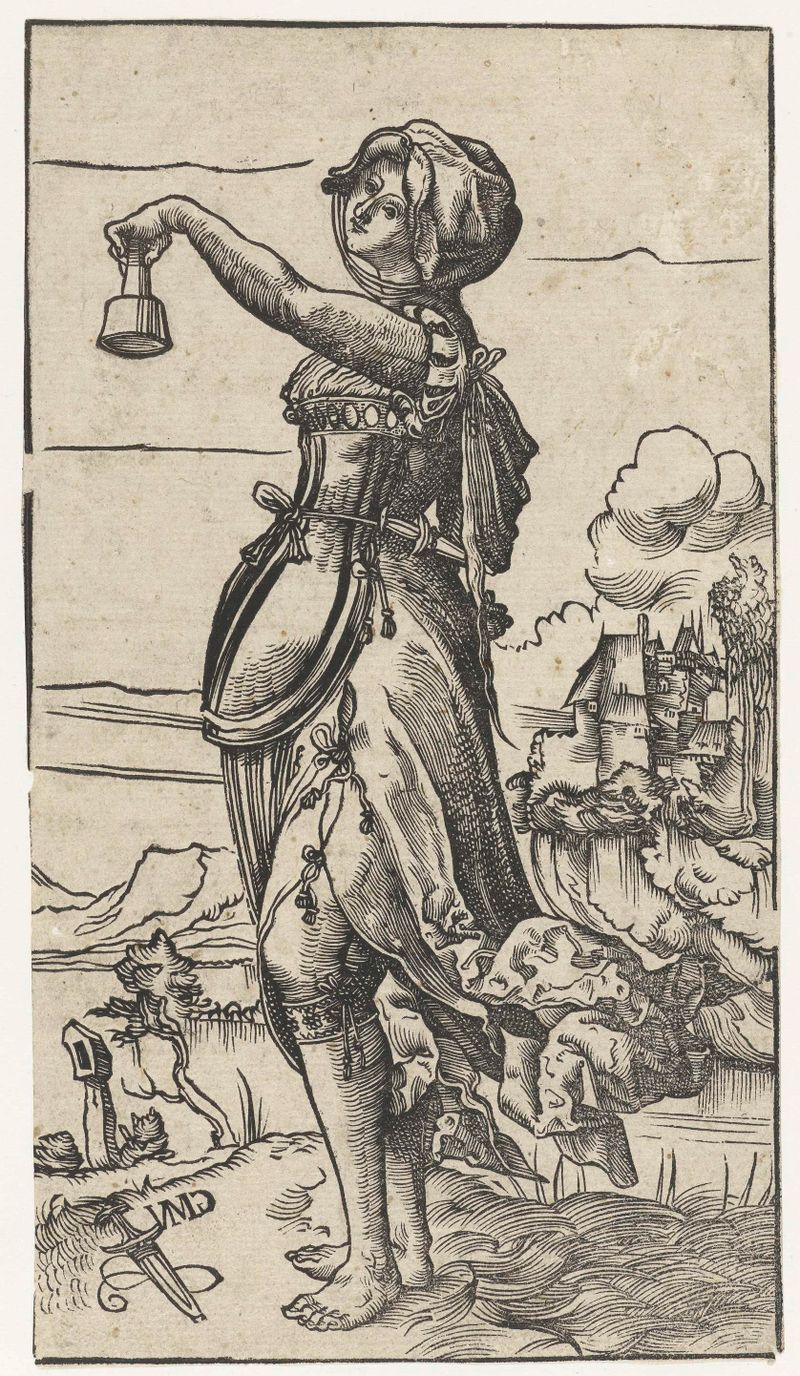
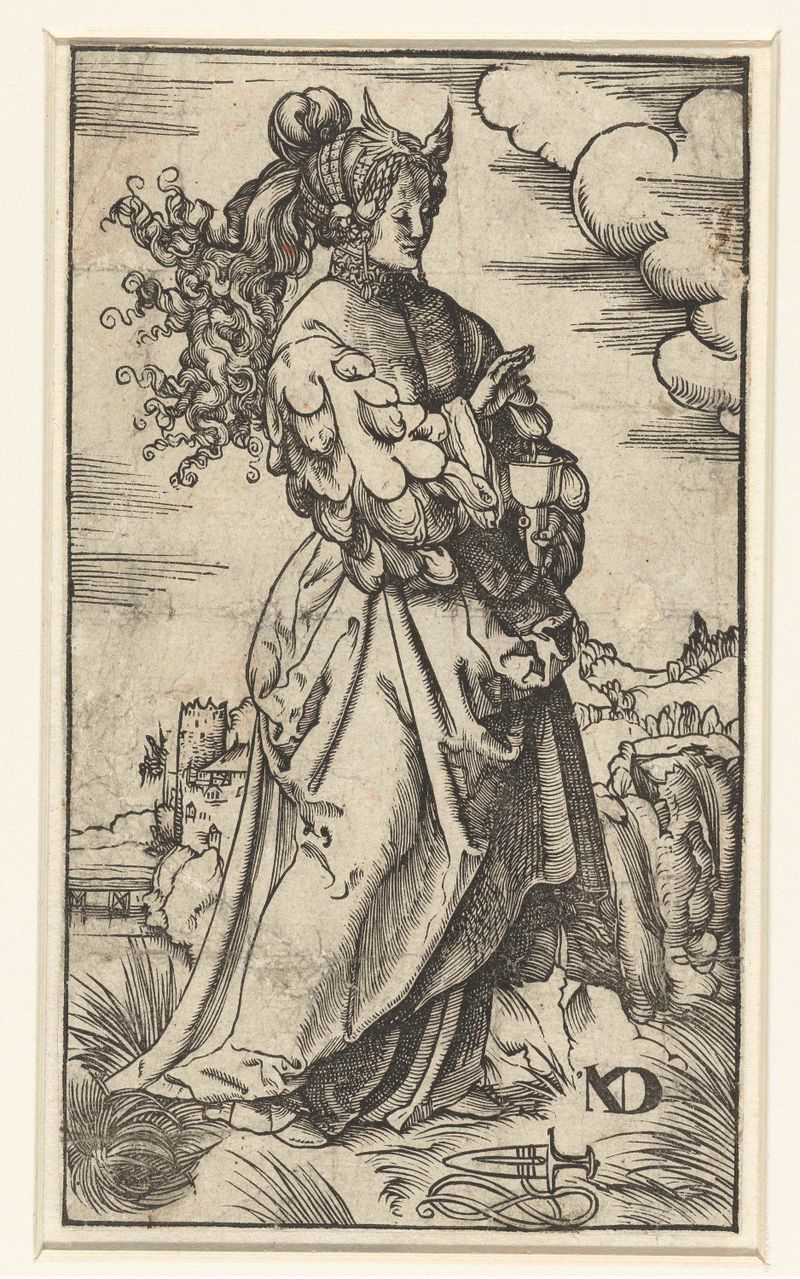
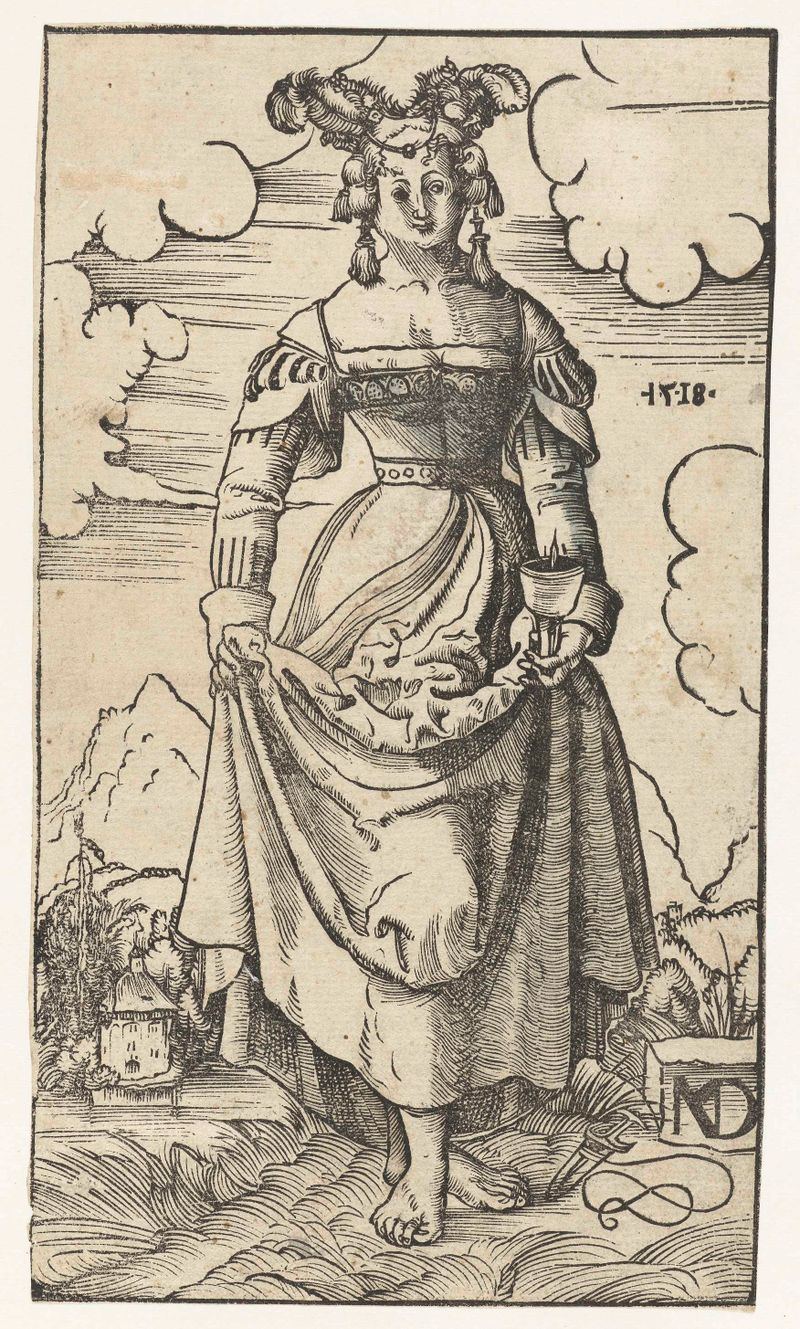
This sentiment echoes through the quiet yet striking imagery of a solitary figure amidst a vast landscape, blending memory and reality into a haunting tapestry of longing and reflection. The painting captures not just a moment but the essence of ephemeral human experience—a fleeting thought, a whisper of the past that lingers like smoke. Begin by focusing on the figure of the maiden, her delicate form standing stark against the sprawling backdrop. Look closely at her outstretched hand, which holds the extinguished oil lamp, a beacon now snuffed, symbolizing lost illumination.
Notice the muted but rich earth tones that envelop the scene, creating a sense of melancholy as they blend with the cool blues of the distant hills. The composition draws the eye inward, where the maiden’s expression invites contemplation, bridging the natural world and the intimate emotional landscape of her solitude. Beneath the surface, layers of meaning emerge—light and darkness converge in a dance of memory and forgetting. The extinguished lamp signifies a loss of guidance or enlightenment, suggesting a past filled with dreams that have dimmed over time.
The surrounding landscape, expansive and indifferent, counterpoints her isolation, hinting at the universal nature of human experience: the tension between individual memory and the vastness of existence. Created in 1518, this work emerged during a period of burgeoning artistic exploration in Europe. Niklaus Manuel Deutsch, a Swiss painter and poet, was deeply influenced by the shifting tides of Reformation thought and humanist ideals, which sought to illuminate the human condition amid societal upheaval. This painting reflects his ability to weave the personal with the historical, encapsulating a moment where inner conflict and external realities merge seamlessly on the canvas.