Wijze maagd met brandende olielamp in landschap — History & Facts
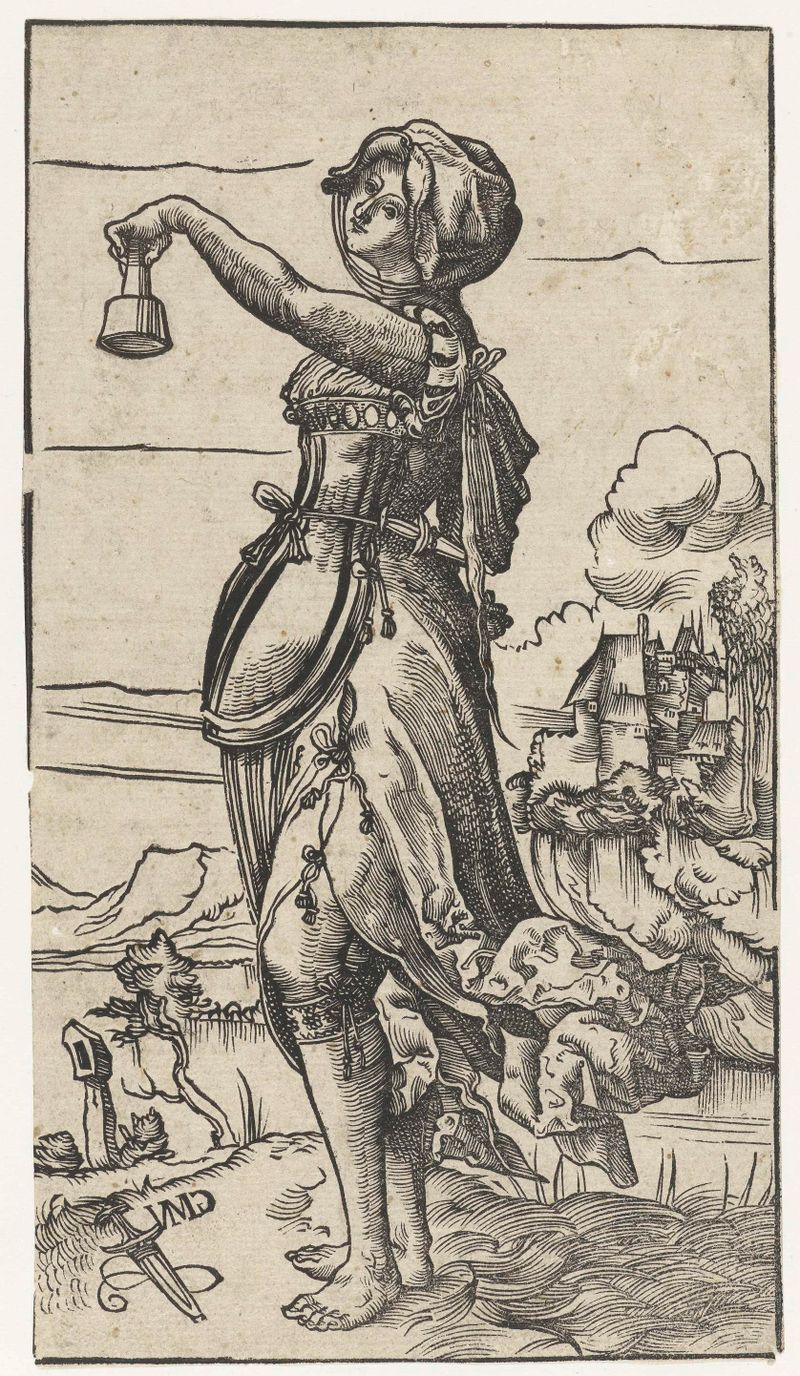
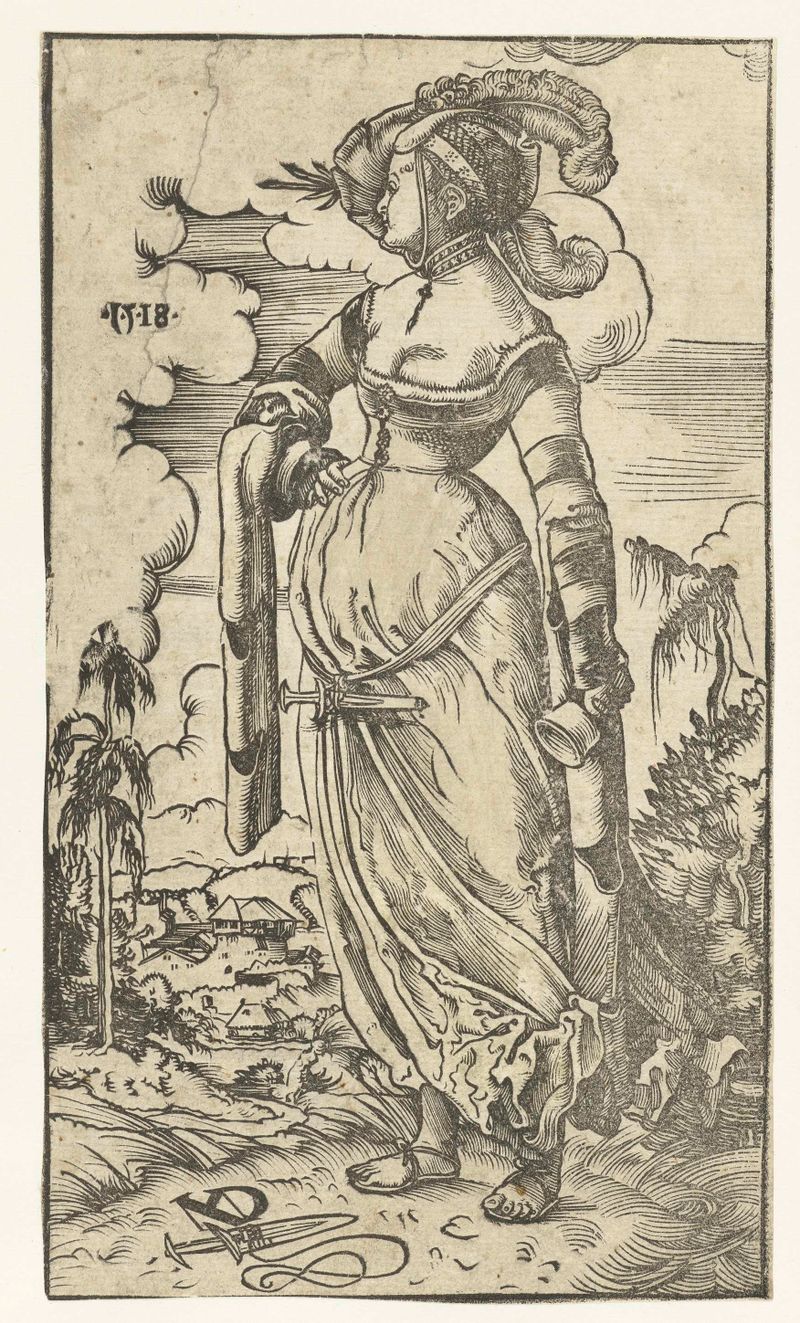
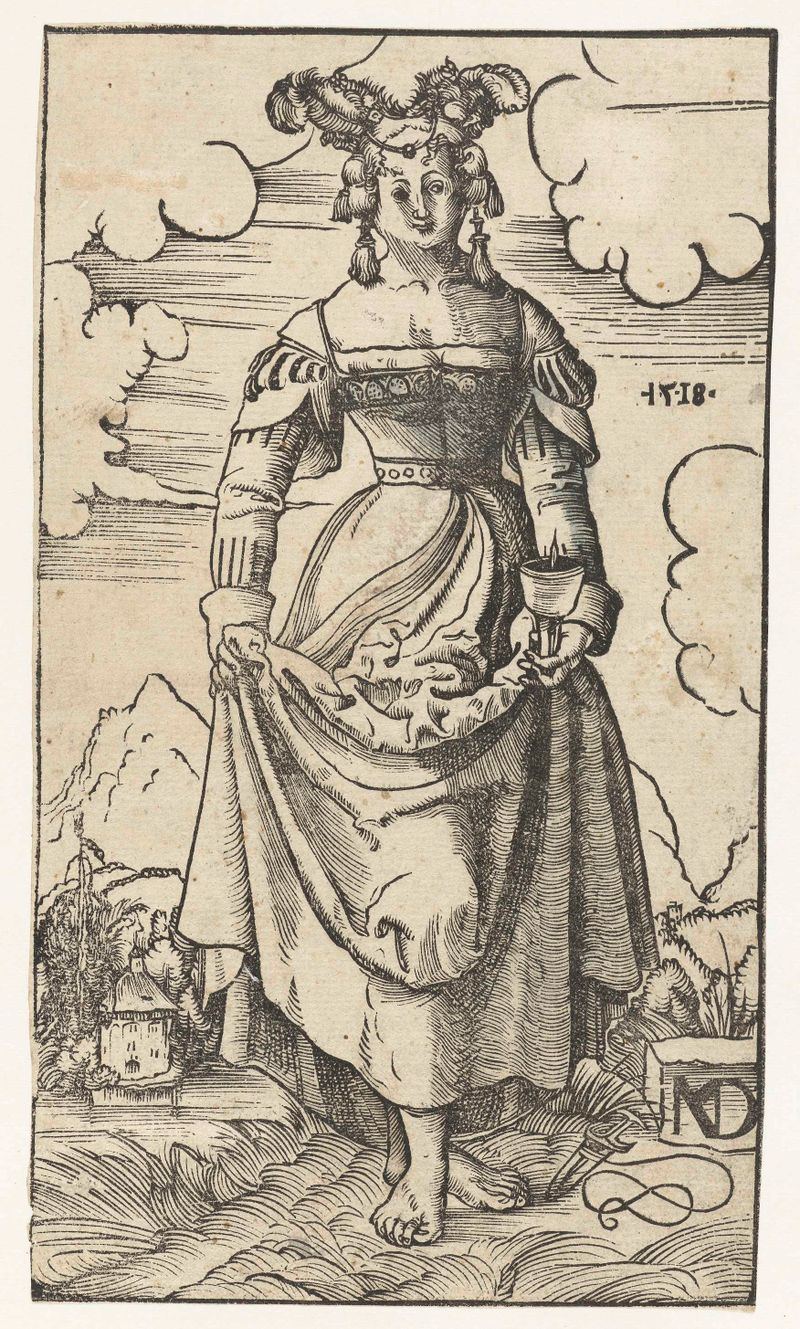
Can paint confess what words never could? In Wijze maagd met brandende olielamp in landschap, the image speaks of a profound sense of loss, echoing the silent ache that lingers in the human soul. Focus first on the solemn figure at the center, the wise maiden holding a burning oil lamp. Notice how the warm glow of the flame contrasts against the cool, muted colors of the surrounding landscape, creating a sanctuary of light amid the shadowy ambiguity of the outside world. The intricate details of her attire and the delicate brushwork invite the viewer to linger, while the sparse background enhances the loneliness of her vigil, suggesting an eternal wait for something—or someone—lost. As you absorb the scene, consider the symbolism woven throughout the composition.
The oil lamp, a beacon of wisdom and guidance, illuminates not only the maiden’s face but also the burdens she carries—perhaps memories of those who have departed. The barren landscape speaks to isolation, hinting that her insight comes at the cost of deep emotional scars. This duality of light and darkness captures the struggle between knowing and grieving, inviting reflections on the transient nature of life. In 1518, Niklaus Manuel Deutsch was navigating the intricate world of the Swiss Reformation, reflecting the spiritual and societal upheaval of his time.
As he crafted this poignant piece, he engaged with the themes of knowledge, faith, and loss, which were deeply intertwined with the human experience during a period marked by both enlightenment and suffering.