Dwaze maagd met uitgedoofde olielamp in landschap — History & Facts
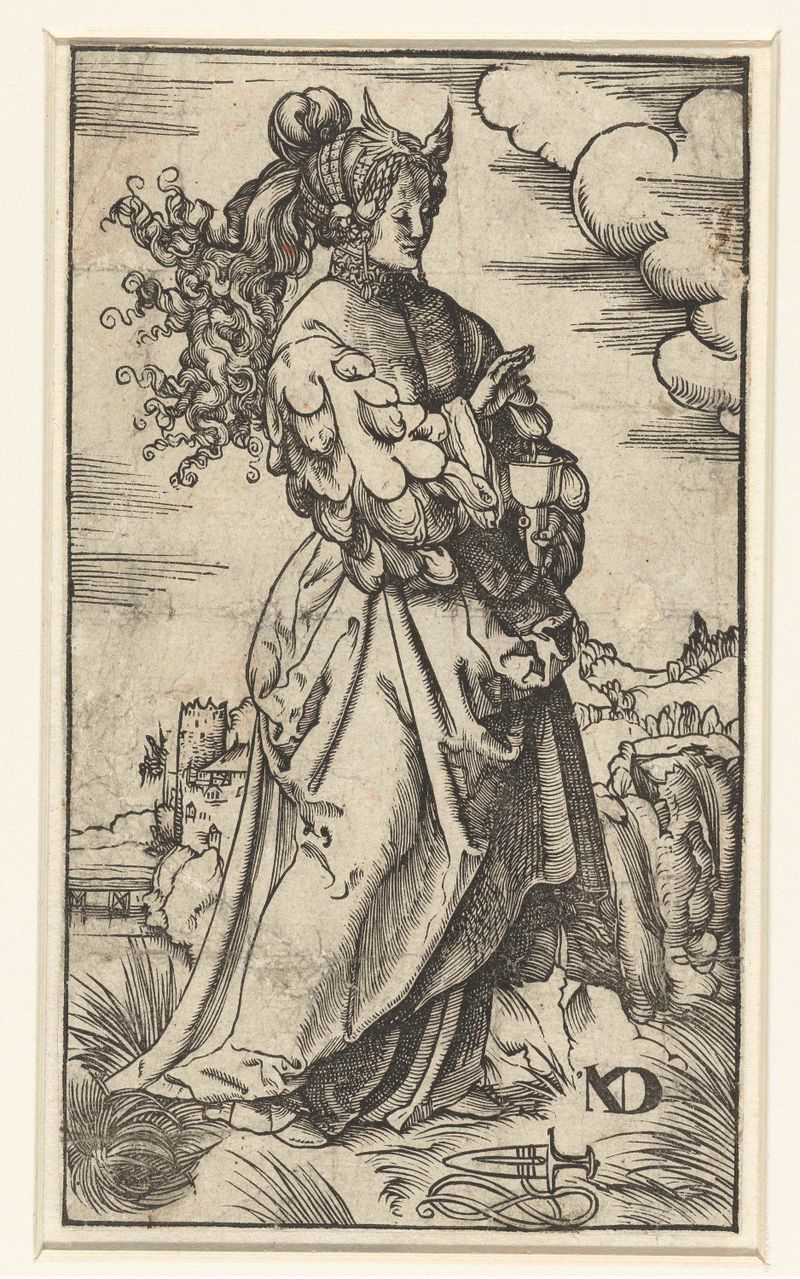
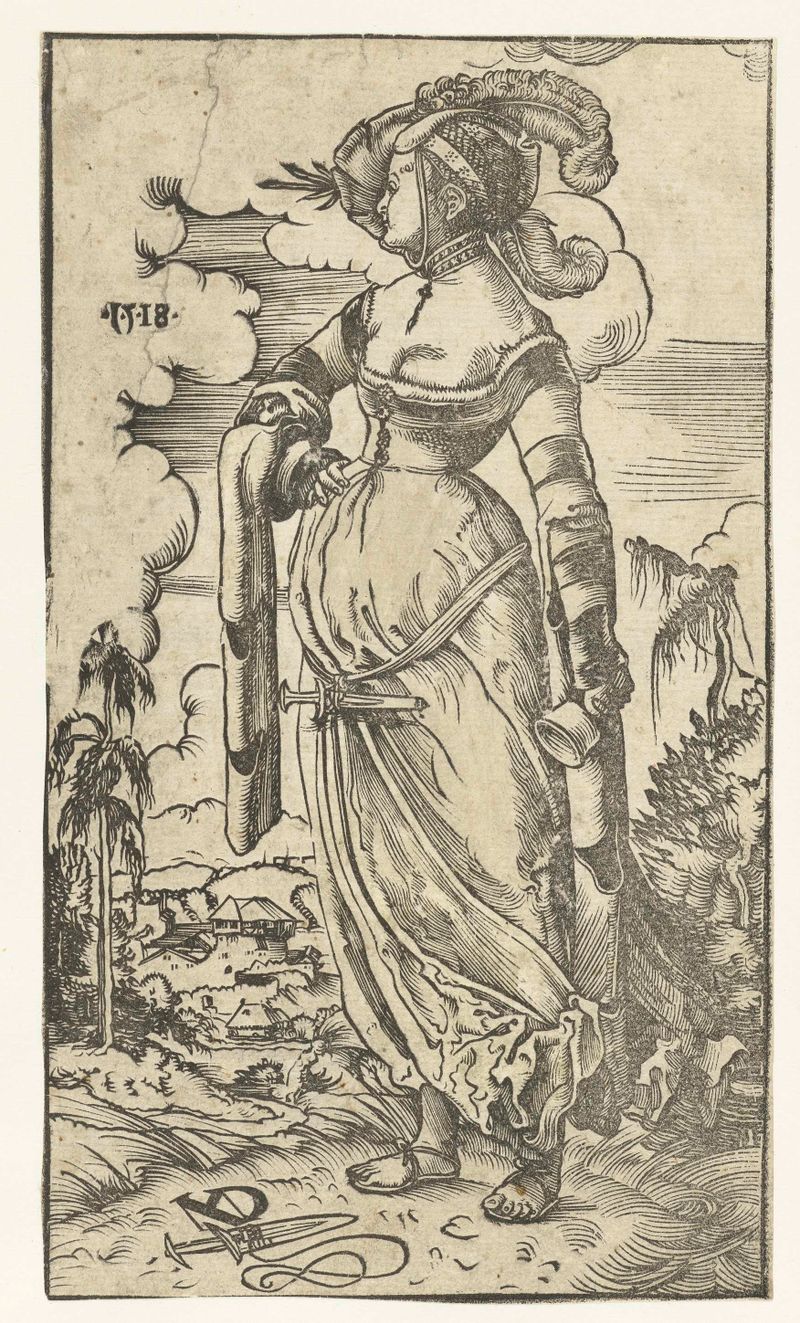
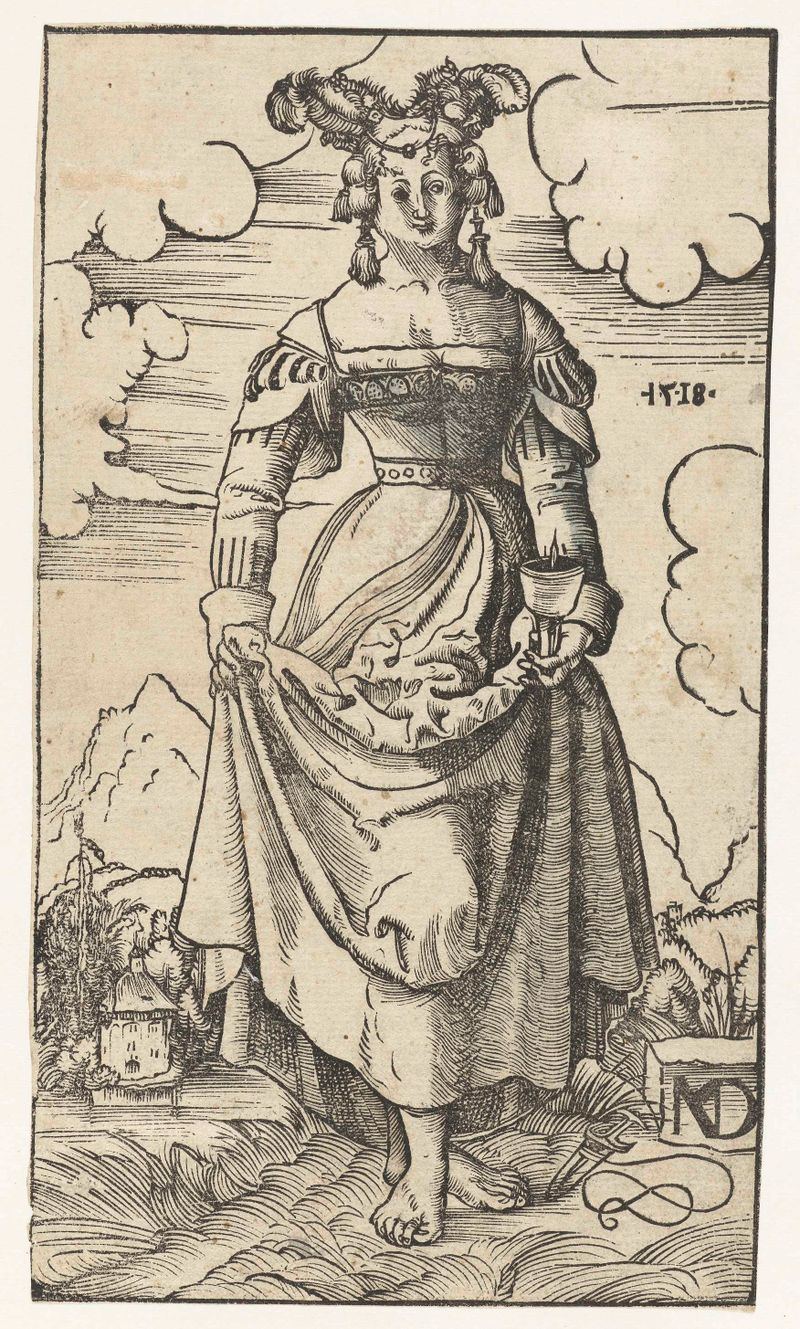
What if silence could speak through light? In the stillness of the moment, an unsettling tension lingers, urging viewers to confront their own fears illuminated by the flickering glow of an extinguished lamp. Look to the center where a solitary figure stands, draped in a garment of muted colors, a stark contrast against the vibrant landscape that sprawls behind her. The delicate brushwork captures the texture of her fading presence, as shadows envelop her in a shroud of vulnerability. Notice how the subtle interplay of dark greens and browns in the background serves to heighten the sense of isolation, while the dim light falls softly upon her features, emphasizing a haunting expression of uncertainty. Beneath the surface, this artwork unveils profound contrasts—the light of hope against the darkness of despair, and the beauty of nature juxtaposed with inner turmoil.
The extinguished lamp is a powerful symbol of lost guidance, casting a metaphorical shadow over the figure, suggesting a journey not yet taken. Each element speaks to the fear of confronting the unknown, inviting viewers to explore the depths of their own anxieties, reflecting the insecurities that lie within all of us. In 1518, Niklaus Manuel Deutsch created this piece during a time when Europe was grappling with religious upheaval and social change. Residing in Switzerland, he was deeply influenced by the emerging Reformation, which stirred the hearts and minds of many artists.
This context of uncertainty and transformation undoubtedly shaped the emotional resonance found within the work, as it mirrors the collective fear of an era in turmoil.