Wijze maagd met brandende olielamp in landschap — History & Facts
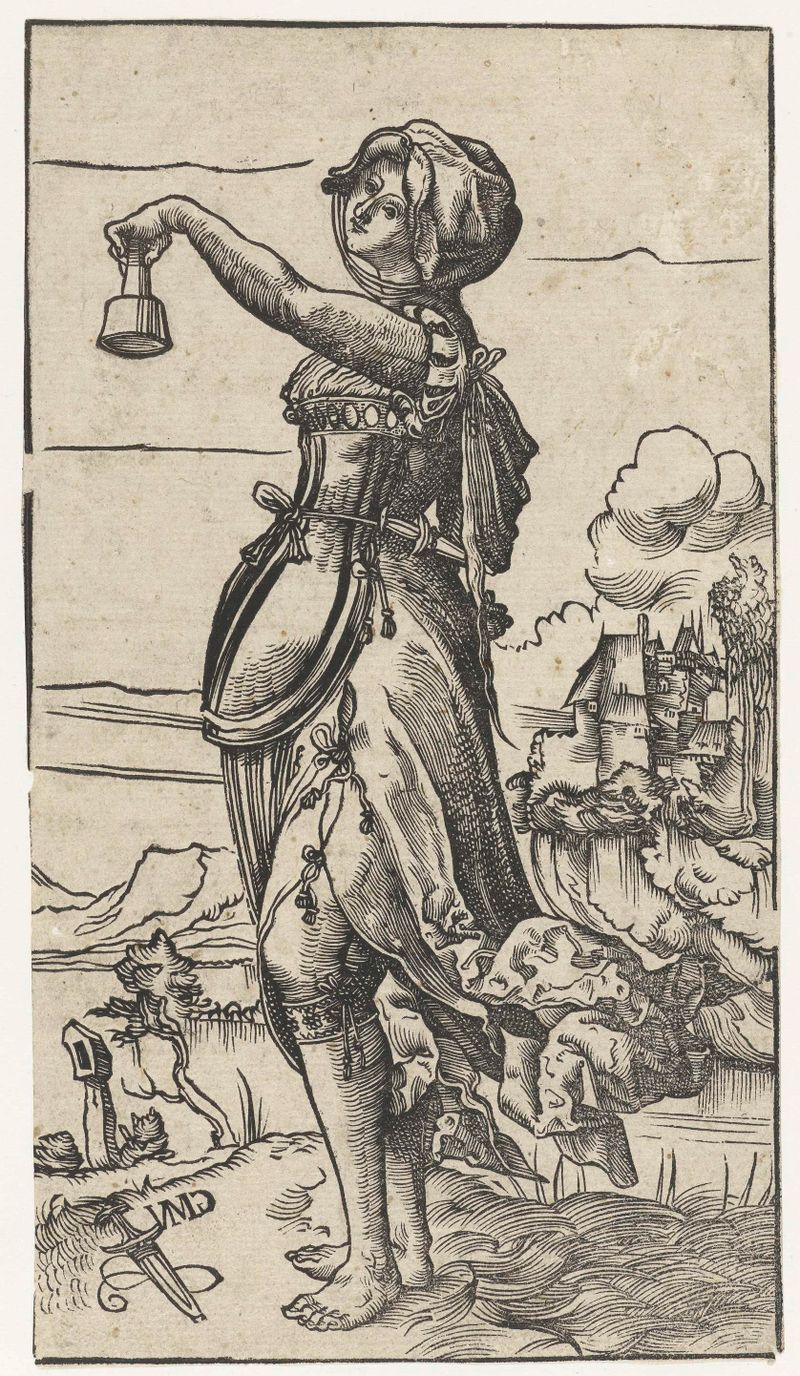
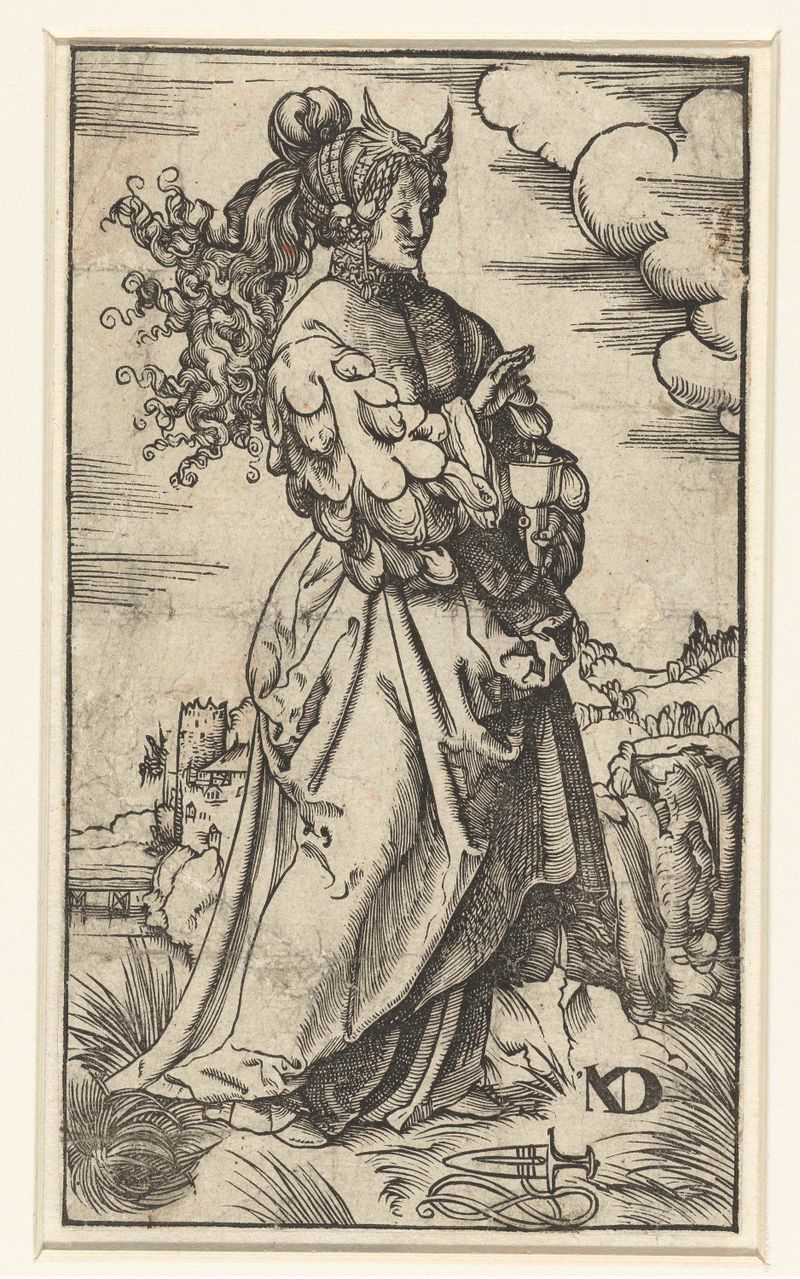
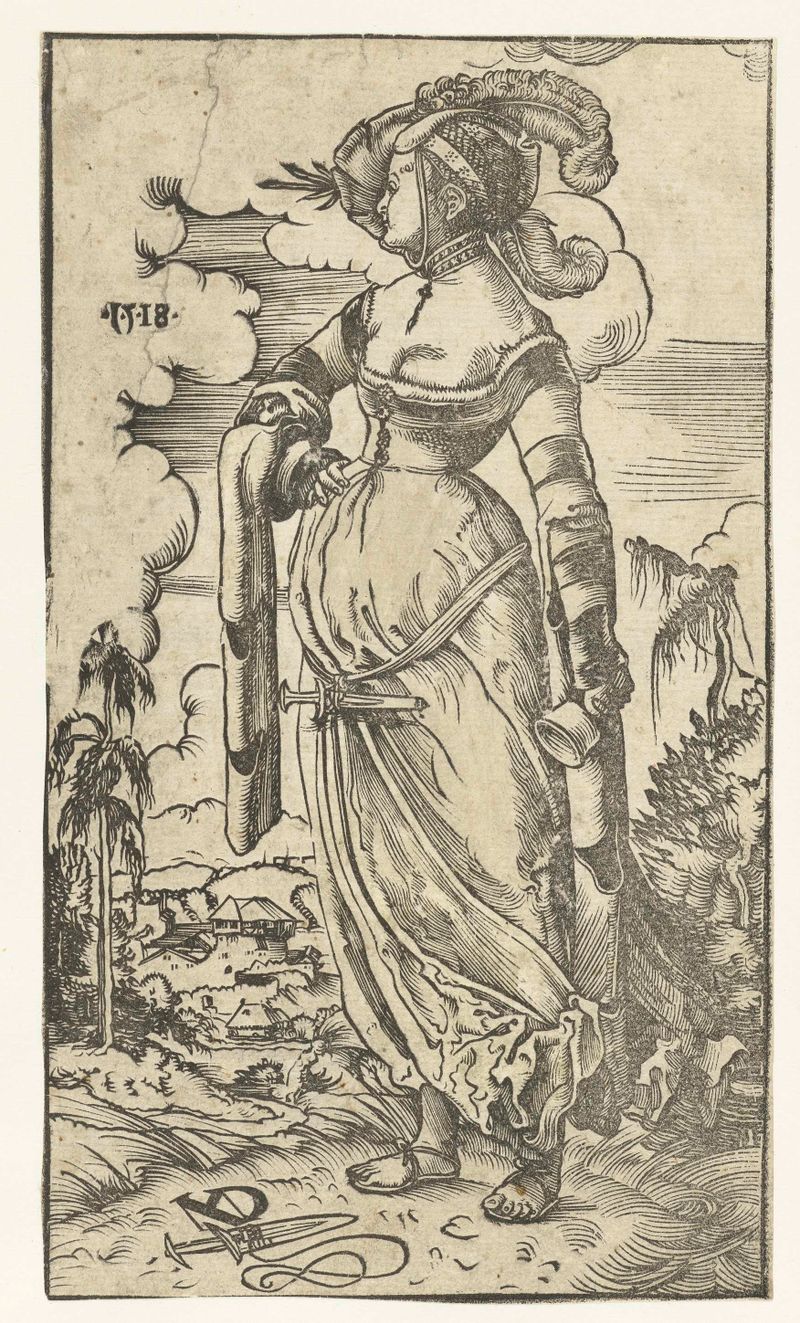
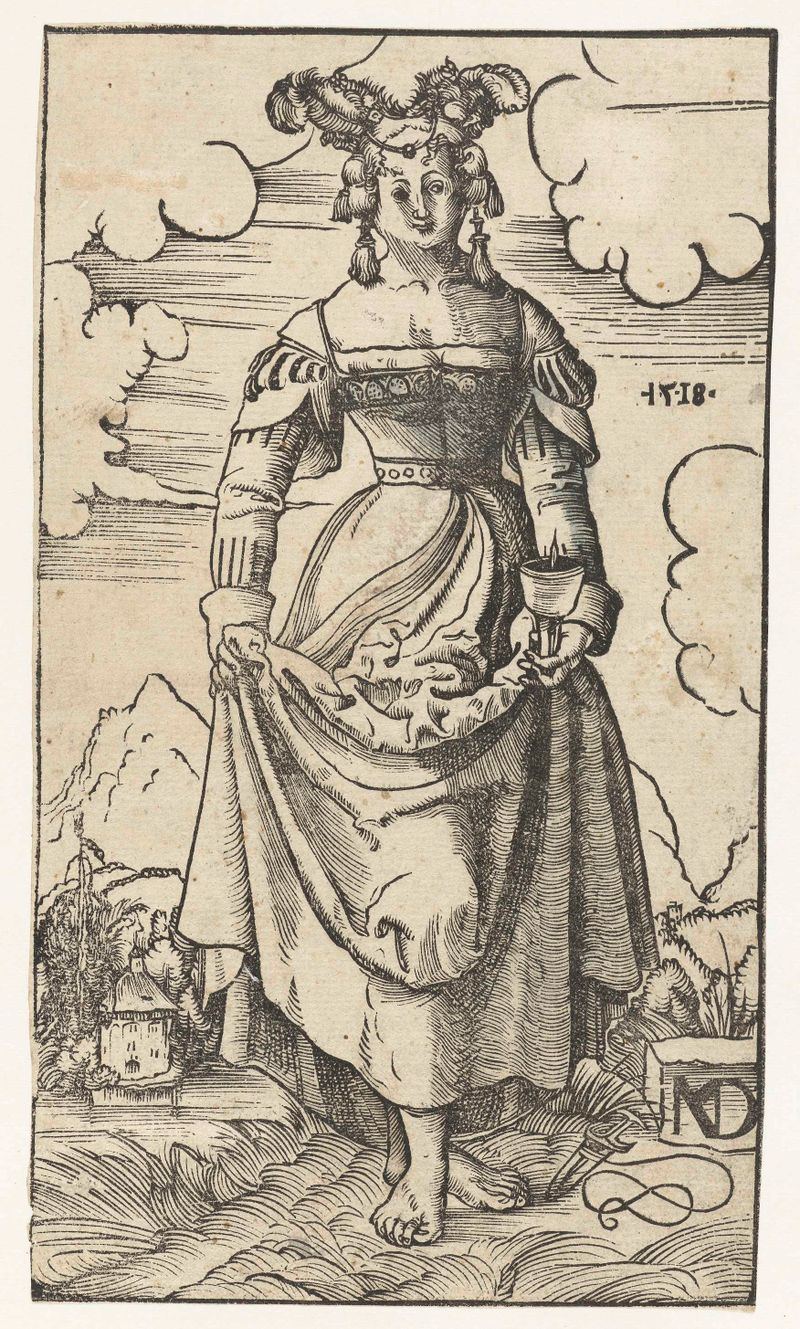
Can beauty exist without sorrow? In the delicate balance of existence, destiny intertwines joy and lament, each glimpse revealing the other. Look to the luminous figure at the center, a wise maiden cradling a burning oil lamp. The warm glow contrasts with the cool, muted hues of the surrounding landscape, guiding your eyes to her serene expression. Notice how the light dances across her features, illuminating a sense of purpose and wisdom amid the shadowy terrain.
The meticulous brushstrokes capture the textures of her garments and the intricate details of the lamp, drawing us into her quiet world. Delve deeper into the symbolism intertwined in the work. The lamp, a beacon of knowledge, signifies enlightenment while casting a stark light on the fragile beauty of life. The landscape, though tranquil, hints at the tumult that lies beyond, evoking a sense of melancholy that underscores the maiden's role as both guardian and guide.
Her gaze, filled with both hope and resignation, invites contemplation on the duality of existence, as destiny unfolds in unpredictable ways. Niklaus Manuel Deutsch painted this work in 1518 during a vibrant period of the Northern Renaissance. Residing in Switzerland, he was influenced by the humanist ideas of the time, focusing on the interplay between knowledge and spirituality. As an artist who embraced both realism and allegory, he sought to explore profound themes through vivid imagery, reflecting the complexities of the human experience amid a rapidly changing world.