
Early morning — History & Facts
What secret hides in the quiet of the canvas? In Early Morning, tranquility meets transcendence, inviting contemplation on the fleeting moments of dawn and the promise of a new day. Look to the left at the soft hues of pale blue and gold that gently blend into one another, evoking the delicate light of sunrise. The horizon stretches wide, pulling the viewer’s gaze across the expansive sky, where wisps of cloud seem to dance with the awakening light. The brushwork is both fluid and precise, creating a sense of motion that draws you into the stillness of the scene, emphasizing the ethereal quality of the early hour. In this work, contrasts emerge between light and shadow, stillness and impending activity.
The brilliance of the sky, with its luminescent warmth, speaks to hope and renewal, while the quiet landscape below, rendered in softer earth tones, hints at the stillness of slumber and reflection. This duality encapsulates the essence of morning—an invitation to awaken, yet a moment to savor the serenity before the day's bustle begins. At the time Louis Kinney Harlow painted Early Morning in 1887, he was deeply influenced by the American Impressionist movement. Living in an era marked by rapid industrial growth, Harlow sought refuge in nature's beauty, reflecting the longing for simplicity and peace.
As artists explored light and atmosphere, he too captured this remarkable transition between night and day, a celebration of nature's quiet power amid a changing world.
More Artworks by Louis Kinney Harlow
Browse all →
West Chop Light, Vineyard Sound, Mass.
Louis Kinney Harlow
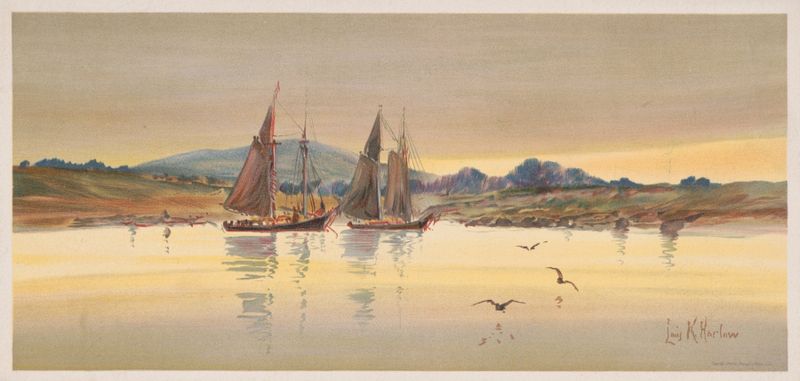
Sunset in Rockland Harbor
Louis Kinney Harlow
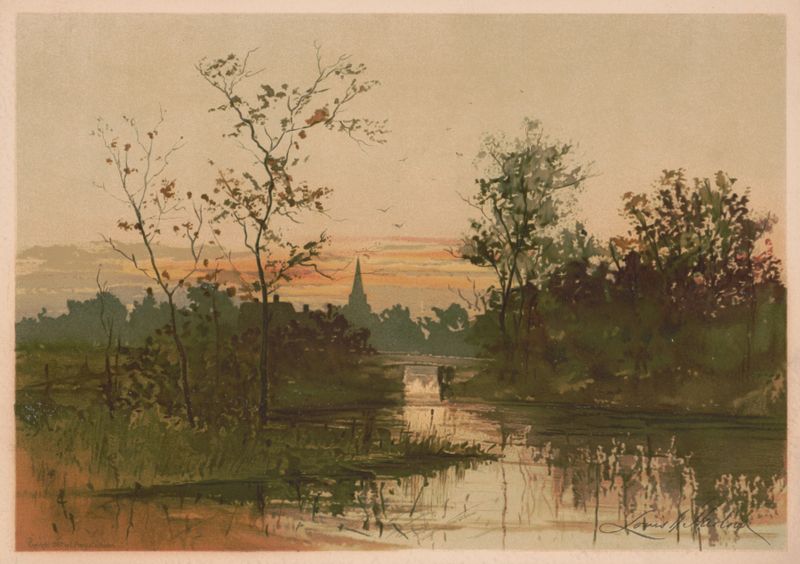
Nemasket River, Maine
Louis Kinney Harlow
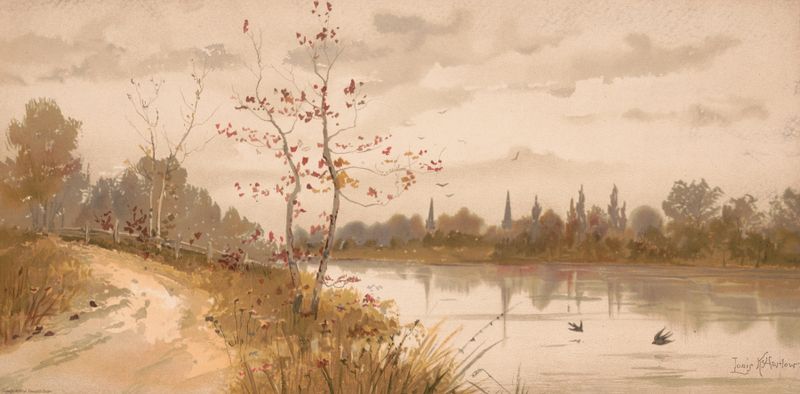
A river path
Louis Kinney Harlow

Castine, Maine
Louis Kinney Harlow

A bit of Monhegan, Maine
Louis Kinney Harlow
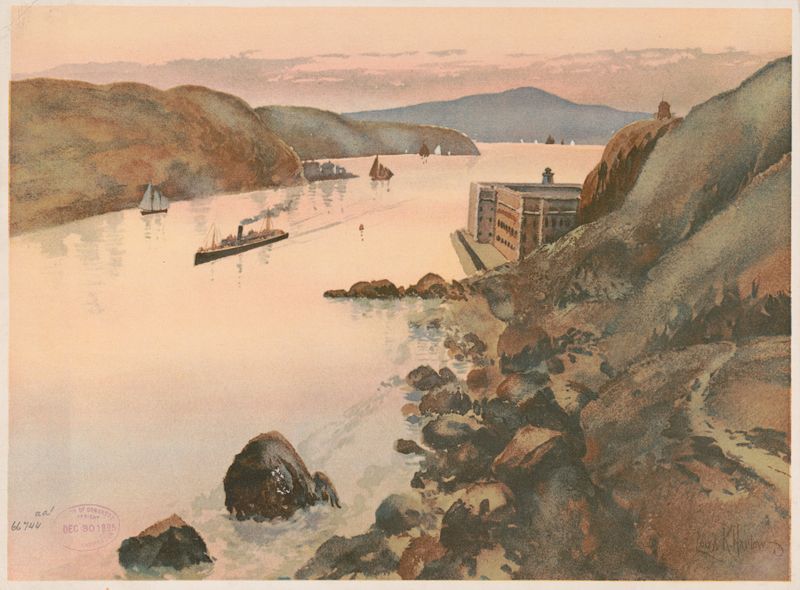
Fortifications and Golden Gate
Louis Kinney Harlow

Blue Hills, Camden, Me.
Louis Kinney Harlow

Near Boothbay Harbor, Maine coast
Louis Kinney Harlow

Evening rest
Louis Kinney Harlow





