
East View of Trevalyn Hall, Denbighshire: the property of George Boscawen Esquire — History & Facts
Can paint confess what words never could? East View of Trevalyn Hall, Denbighshire, with its sprawling landscape and architectural grandeur, whispers secrets of time and identity wrapped in illusion. Focus first on the estate, grand yet inviting, occupying the canvas' center. The soft, muted colors blend seamlessly, as verdant greens cradle the structure against a backdrop of gentle hills. Notice how the artist has rendered the sunlight, which bathes the scene in a warm embrace, illuminating the facade and drawing your eye across the meticulously detailed windows.
The mastery of perspective leads you to the horizon, where a distant sky hints at an imminent change, perhaps a storm or dawn—both literal and metaphorical. Hidden within this tranquil beauty are layers of meaning—the interplay of light and shadow hints at the transient nature of wealth and status. The carefully manicured gardens, a symbol of control over nature, contrast sharply with the untamed countryside beyond, suggesting the tension between civilization and the wild, between the constructed and the organic. Each detail, from the clouds to the foliage, captures not just a view, but a narrative of human ambition and fleeting splendor. In 1823, John Buckler painted this work while residing in England, a period marked by the Romantic movement's growing influence on landscape art.
Amidst the changing social landscape and the rise of industrialization, he sought to capture the essence of idyllic country life, preserving the aristocratic heritage of families like George Boscawen’s. This painting stands as a testament not only to Buckler's skill but also to the enduring allure of pastoral ideals amid a rapidly evolving world.
More Artworks by John Buckler
Browse all →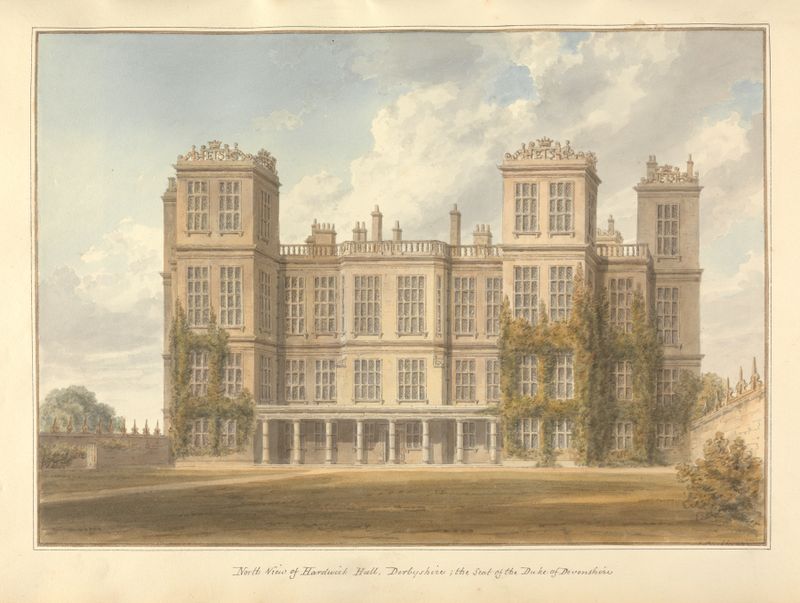
North View of Hardwick Hall, Derbyshire: the Seat of the Duke of Devonshire
John Buckler
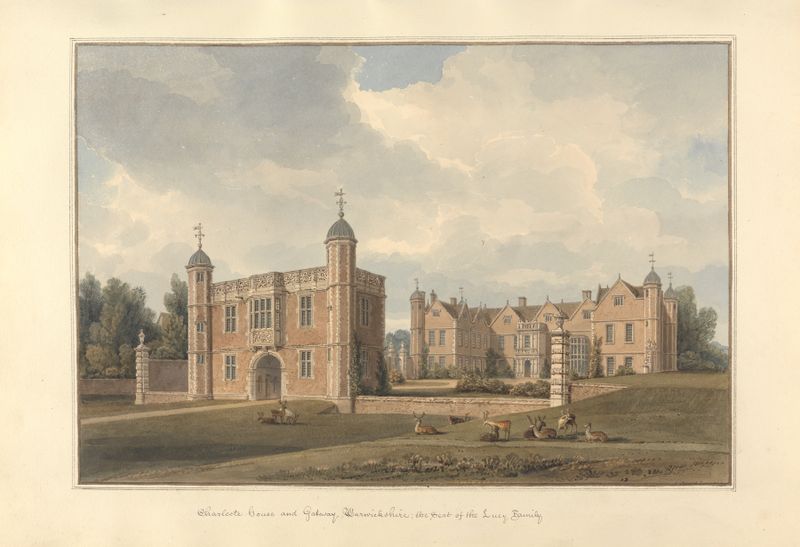
Charlcote house and Gateway, Warwickshire: the Seat of the Lucy Family
John Buckler

North East View of Holland House
John Buckler
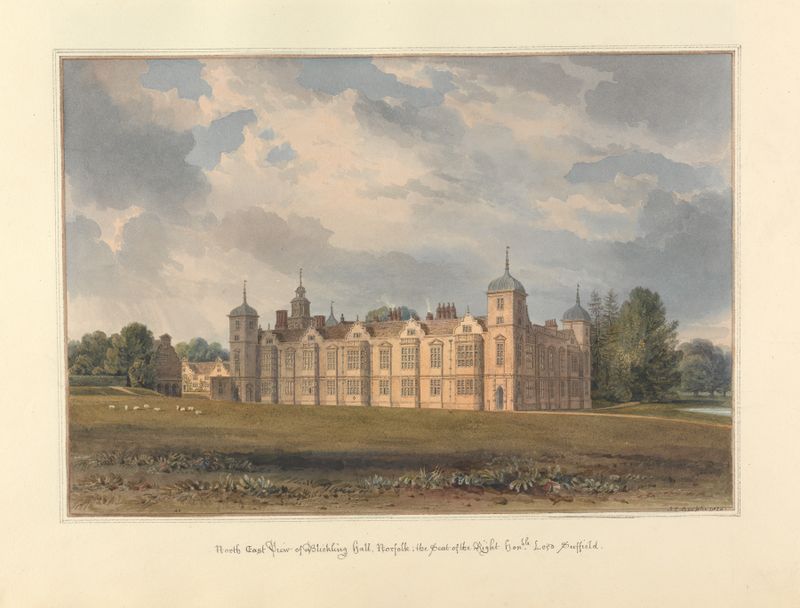
North East View of Blickling Hall, Norfolk: the Seat of the Right Hon’ble Lord Suffield
John Buckler
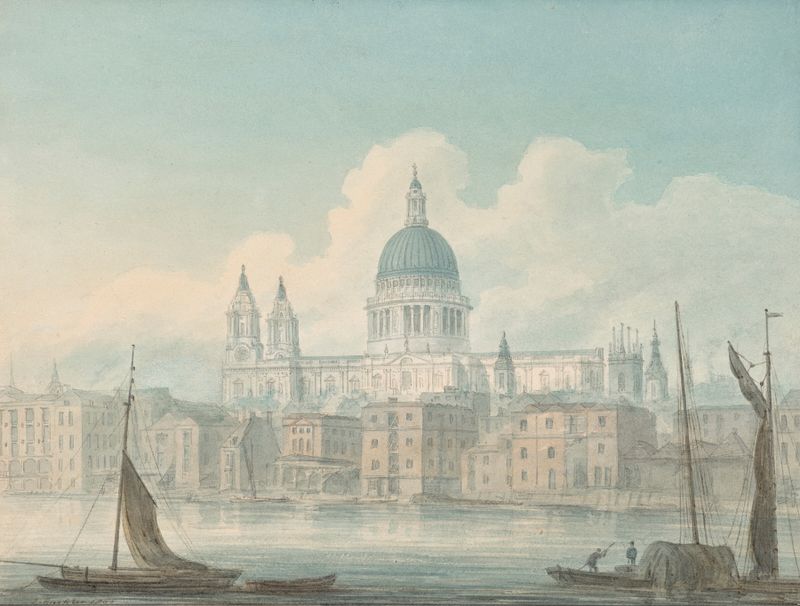
View of St Paul’s Cathedral, from the Southbank of the River Thames, London
John Buckler
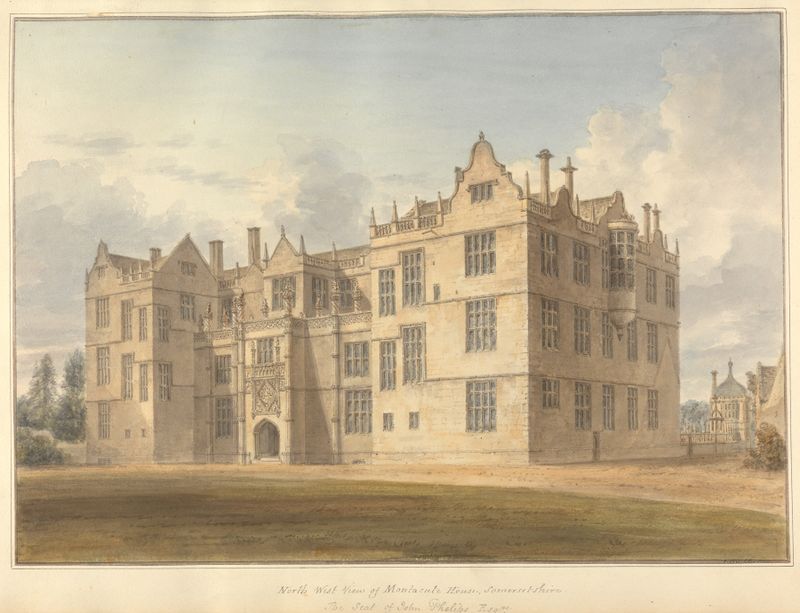
North West View of Montacute House, Somersetshire, The Seat of John Phelips Esqr.
John Buckler
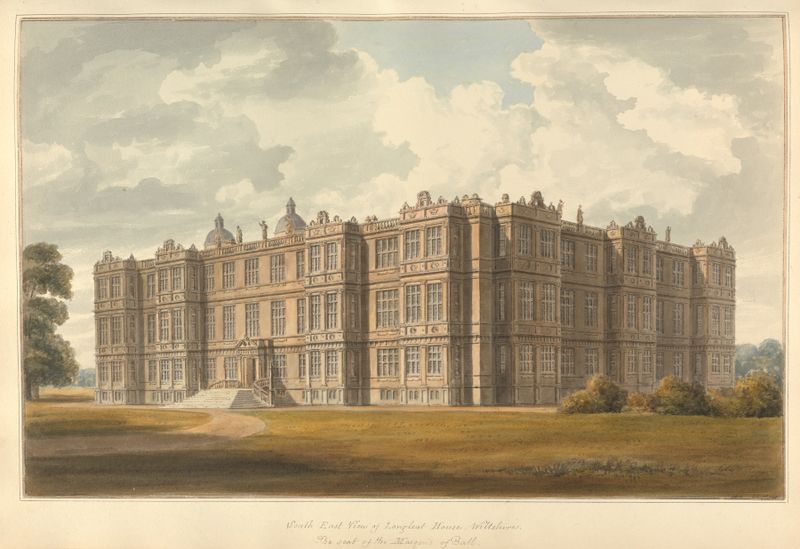
South East View of Longleat House, Wiltshire, the Seat of the Marquis of Bath
John Buckler
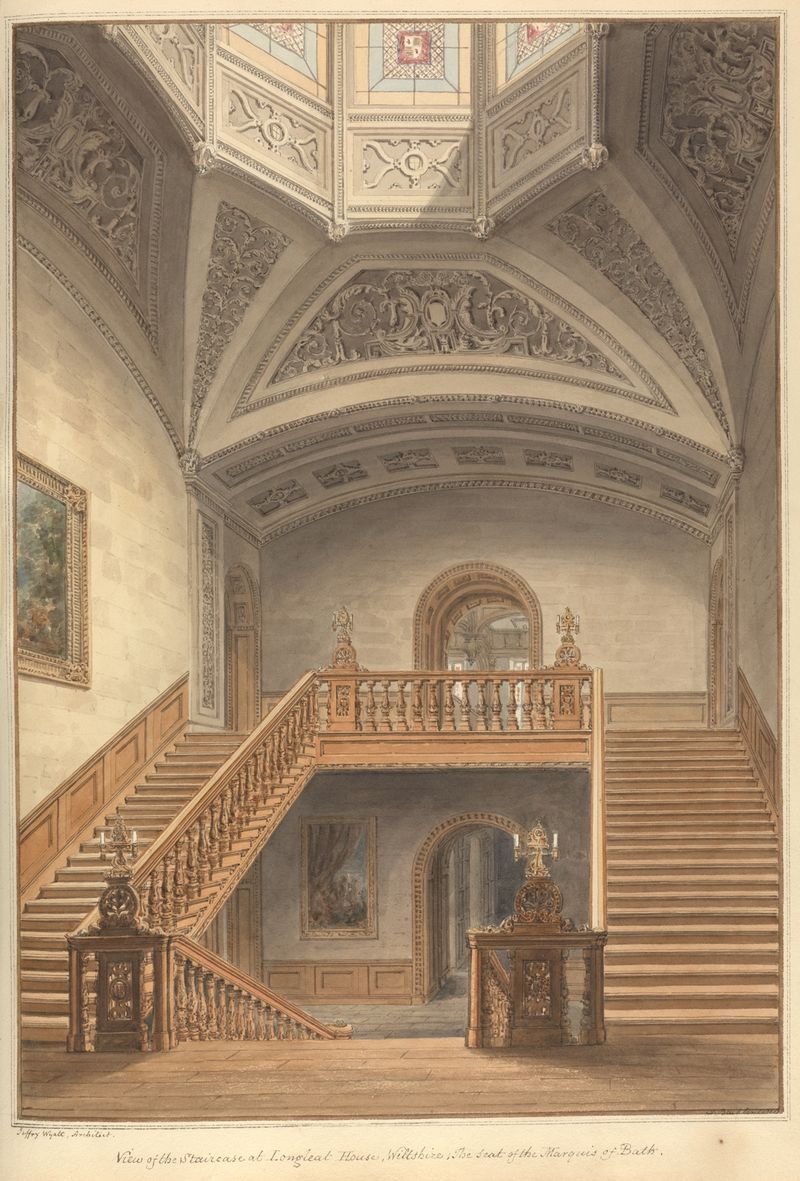
View of the Staircase at Longleat House, Wiltshire: the Seat of the Marquis of Bath
John Buckler
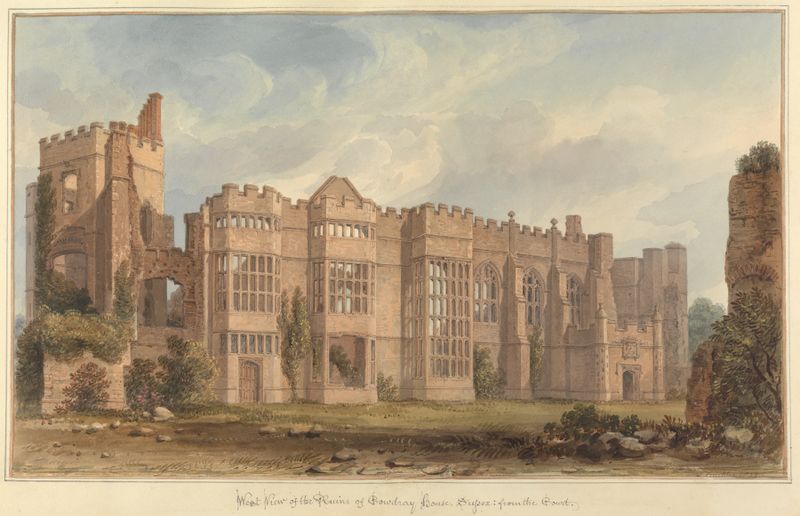
West View of the Ruins of Cowdray House, Sussex: from the Court
John Buckler
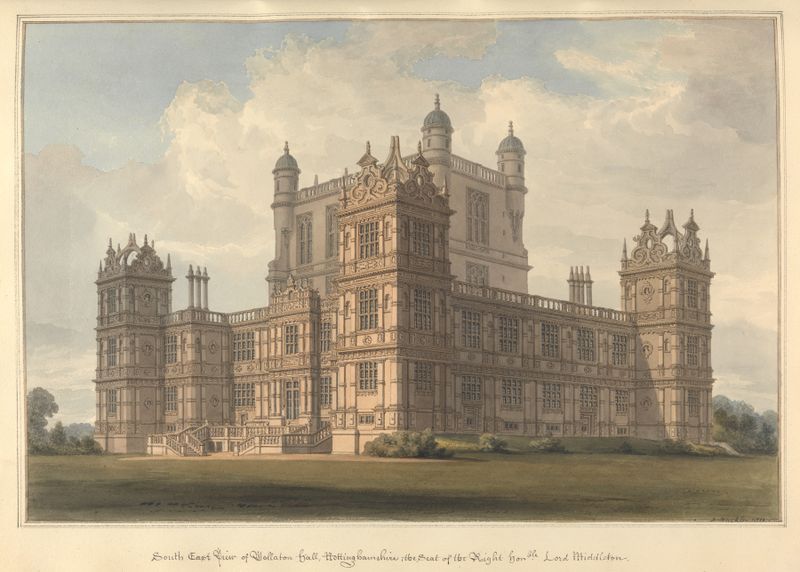
South East view of Wollaton hall, Nottinghamshire, the Seat of the Right honble. Lord Middleton
John Buckler





