
East Wall of the Oranjezaal, Huis ten Bosch, The Hague — History & Facts
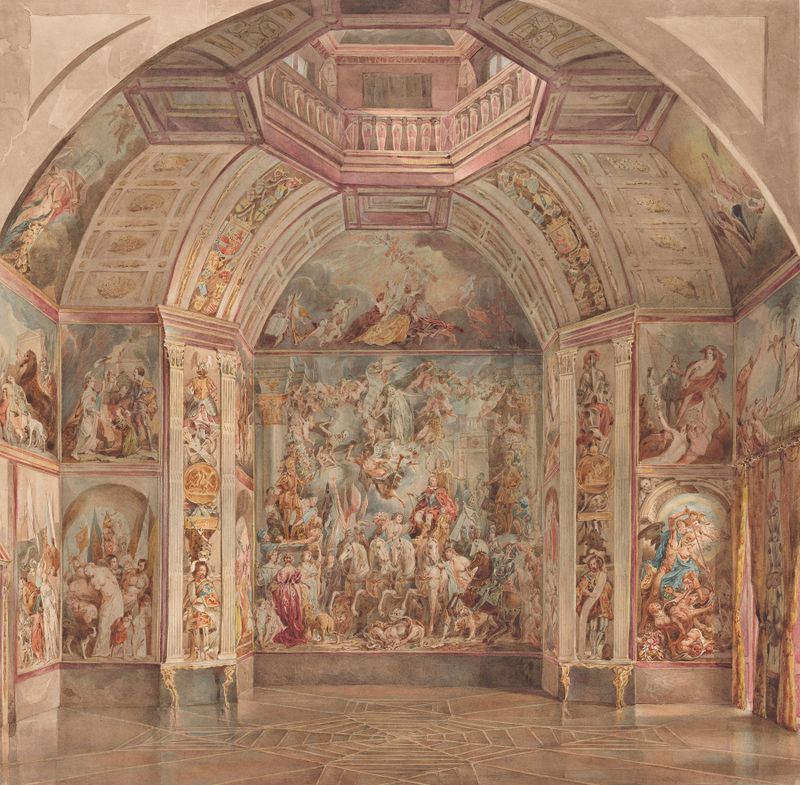
This striking sentiment encapsulates the awe-inspiring nature of the East Wall of the Oranjezaal. The vibrant mural draws the viewer into a realm where history and art entwine, beckoning us to witness the grandeur of a moment captured in time. Look to the center of the mural, where a dynamic interplay of figures and symbols radiates a sense of majesty. The light dances across the intricate patterns and regal colors, illuminating figures draped in sumptuous fabrics.
Notice how Bruining employs golden tones and rich blues to create a tapestry that not only depicts a scene but also evokes a feeling of reverence and celebration. Each element is meticulously arranged, guiding the eye across the wall in a manner that feels almost orchestral. Delve deeper into the hidden meanings woven into this artwork. The convergence of figures suggests unity, while the contrasting elements of light and shadow reflect the duality of power and humility.
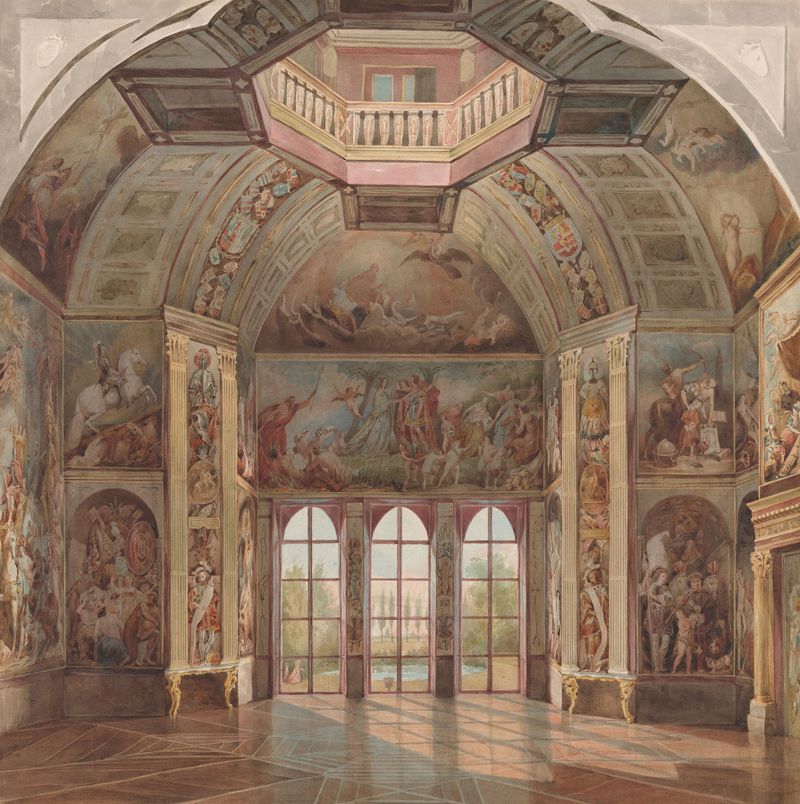
The vibrant imagery tells of triumphs and tribulations in Dutch history, inviting viewers to engage with the past and consider the lessons etched into its fabric. Here, art becomes a bridge connecting generations, reminding us of the narratives that shape our collective identity. Tieleman Cato Bruining created this monumental piece during a time of evolving artistic expression in the 17th century, specifically for the Oranjezaal of Huis ten Bosch in The Hague. The artwork emerged amidst a backdrop of political stability and cultural flourishing in the Dutch Republic, when artists began to explore more grandiose themes.
The mural reflects the aspirations of a nation, capturing both its historical pride and the artistic innovation of the era.
More Artworks by Tieleman Cato Bruining
Browse all →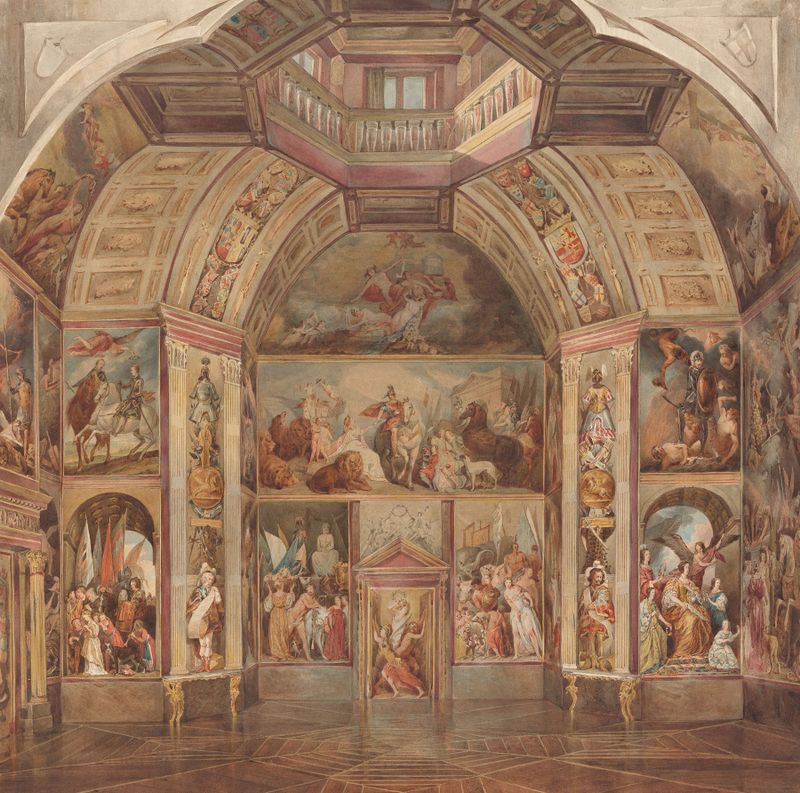
More Historical Art
Browse all →
The Night Watch Militia Company of District II under the Command of Captain Frans Banninck Cocq
Rembrandt van Rijn

Lincoln Memorial
Henry Bacon

The Third of May 1808
Francisco de Goya

Isaac and Rebecca, Known as ‘The Jewish Bride’
Rembrandt van Rijn

The Charge of the Mamelukes (1814)
Francisco de Goya

De vier ruiters van de apocalyps
Albrecht Dürer