
Ecce Homo — History & Facts
In Ecce Homo, Guido Reni presents a striking portrayal of Christ crowned with thorns. The colors are rich, with deep reds and browns contrasting against the pale skin of Christ. The figure is central, with a solemn expression that conveys suffering and dignity.
The background is dark, emphasizing the figure and creating a somber atmosphere. This painting is executed in oil on canvas, typical of the Baroque style. Reni's technique showcases his skill in chiaroscuro, using light and shadow to enhance the three-dimensionality of the figure. The brushwork is smooth, allowing for a lifelike representation of Christ's features.
The dimensions of the work are approximately 100 x 130 cm. Guido Reni was a prominent figure in the Baroque movement, known for his idealized forms and dramatic compositions. Ecce Homo reflects his ability to convey emotion through facial expressions and posture. An interesting fact about this work is that it was created during a time when Reni was influenced by the Counter-Reformation, aiming to inspire piety and devotion through art.
More Artworks by Guido Reni

Salome with the Head of Saint John the Baptist
Guido Reni
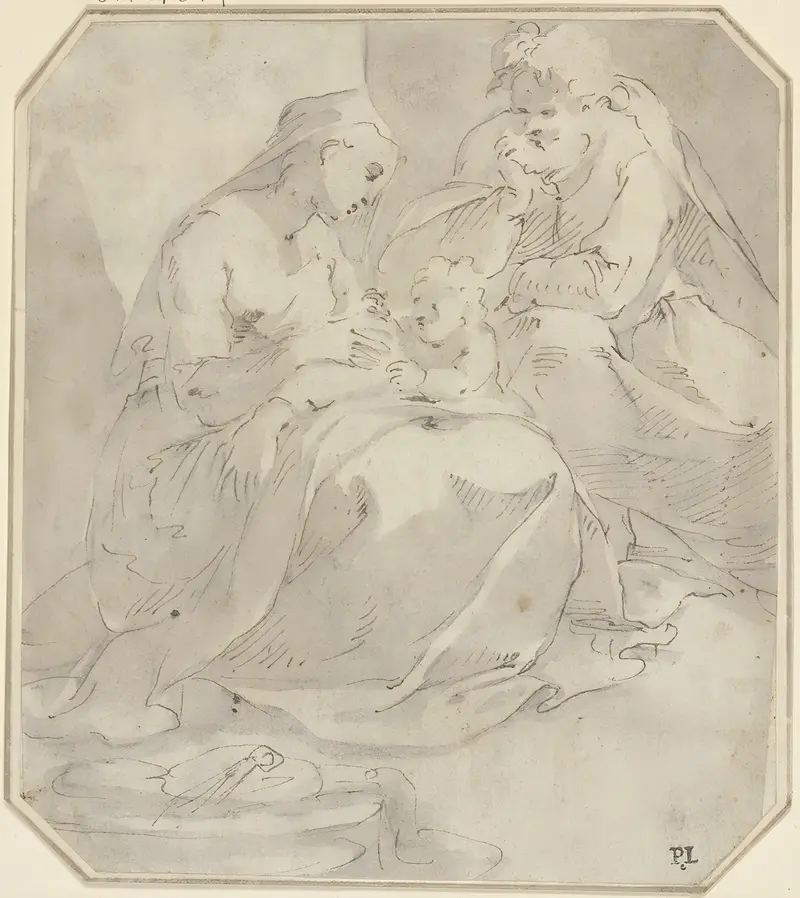
Holy family
Guido Reni
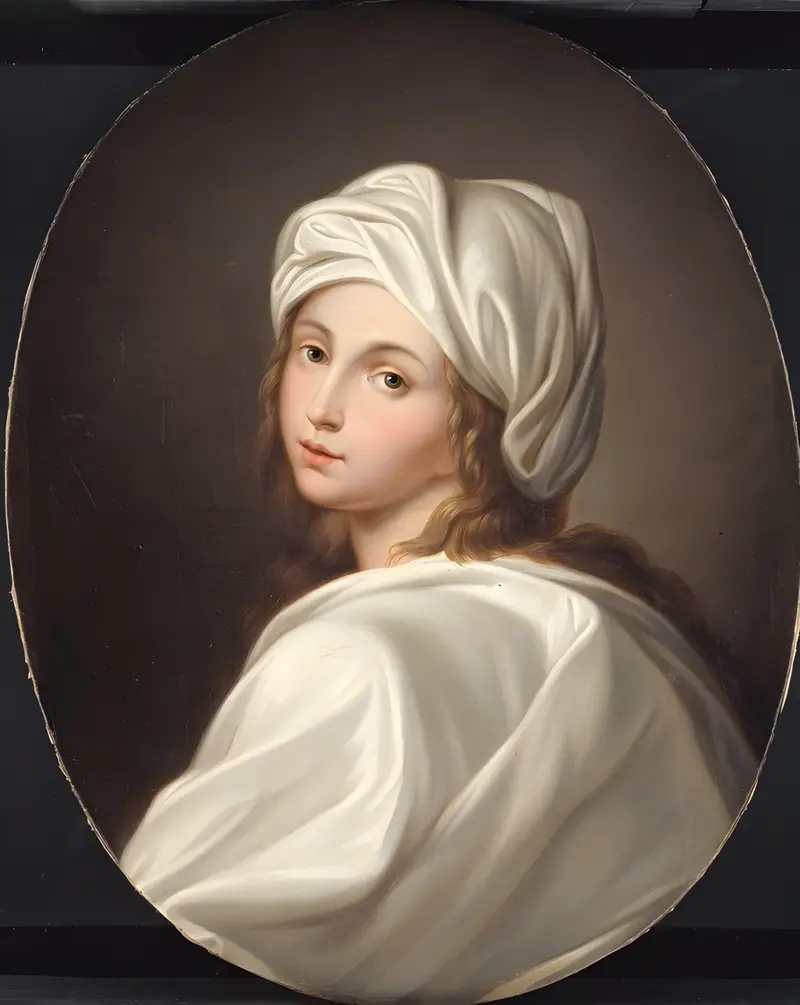
Portrait of Beatrice Cenci
Guido Reni
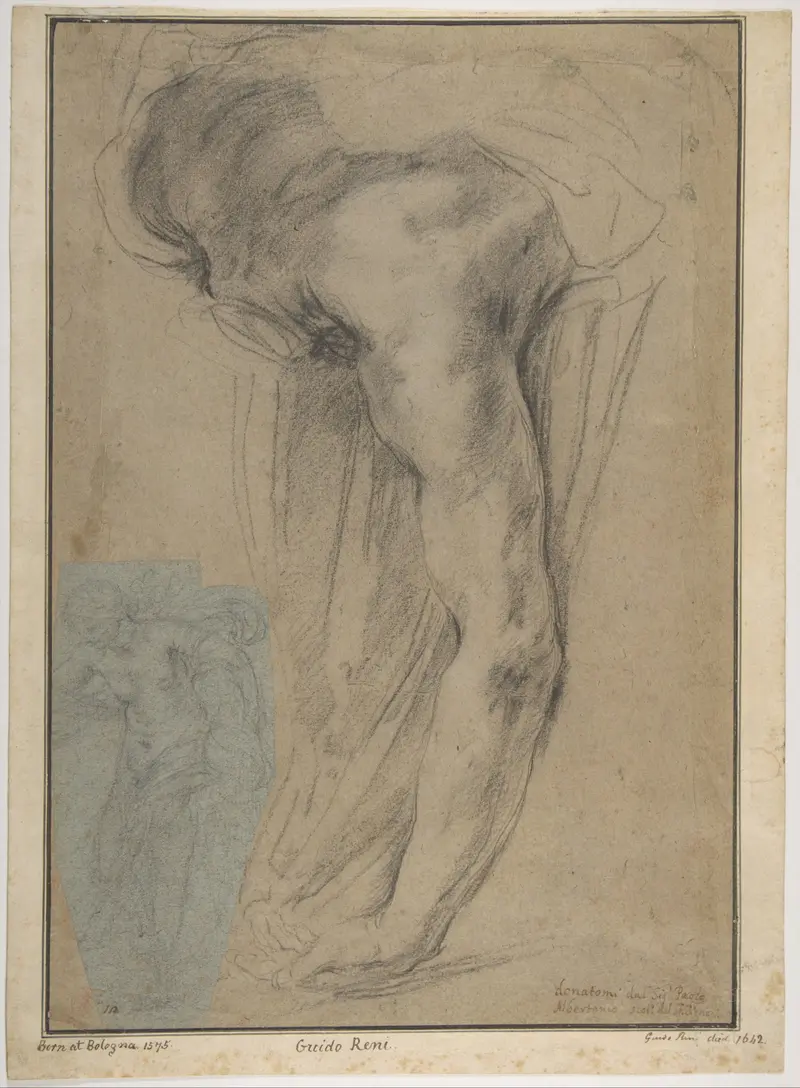
The Reclining Headless Body of Holoferne
Guido Reni
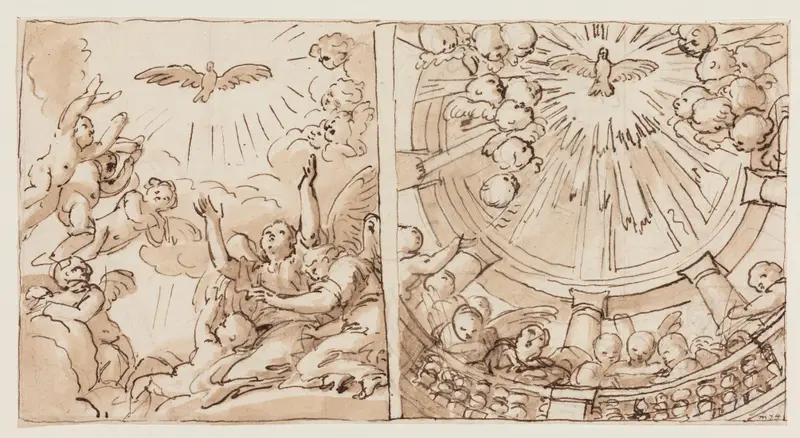
To scener med engle, der omgiver og tilbeder Helligåndsduen, der i det ene tilfælde daler ned mellem skyer, i det andet fra en kuppel, båret af søjler
Guido Reni
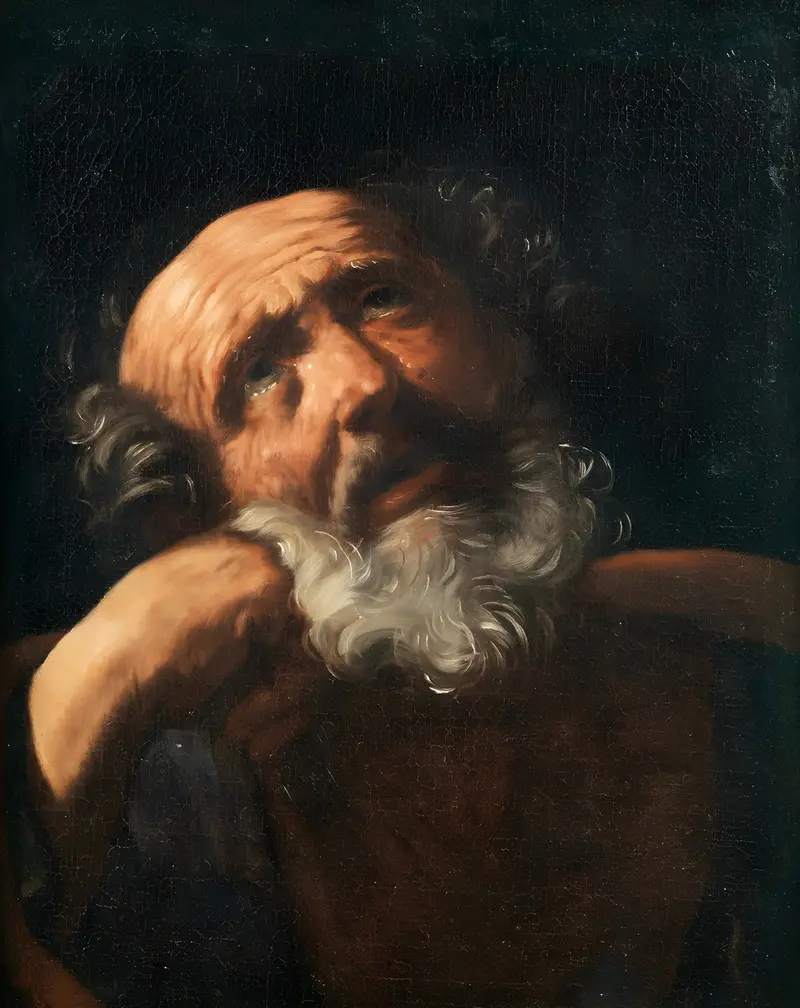
Saint Peter
Guido Reni
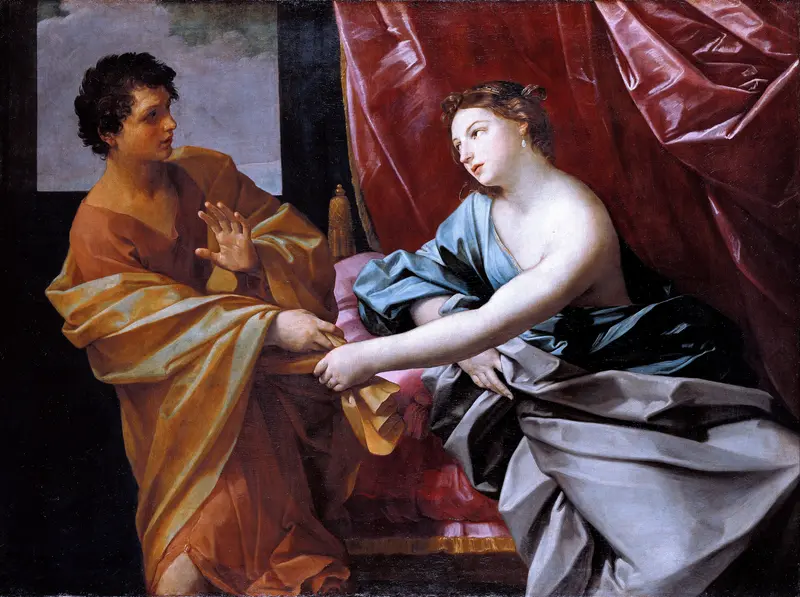
Joseph and Potiphar’s Wife
Guido Reni
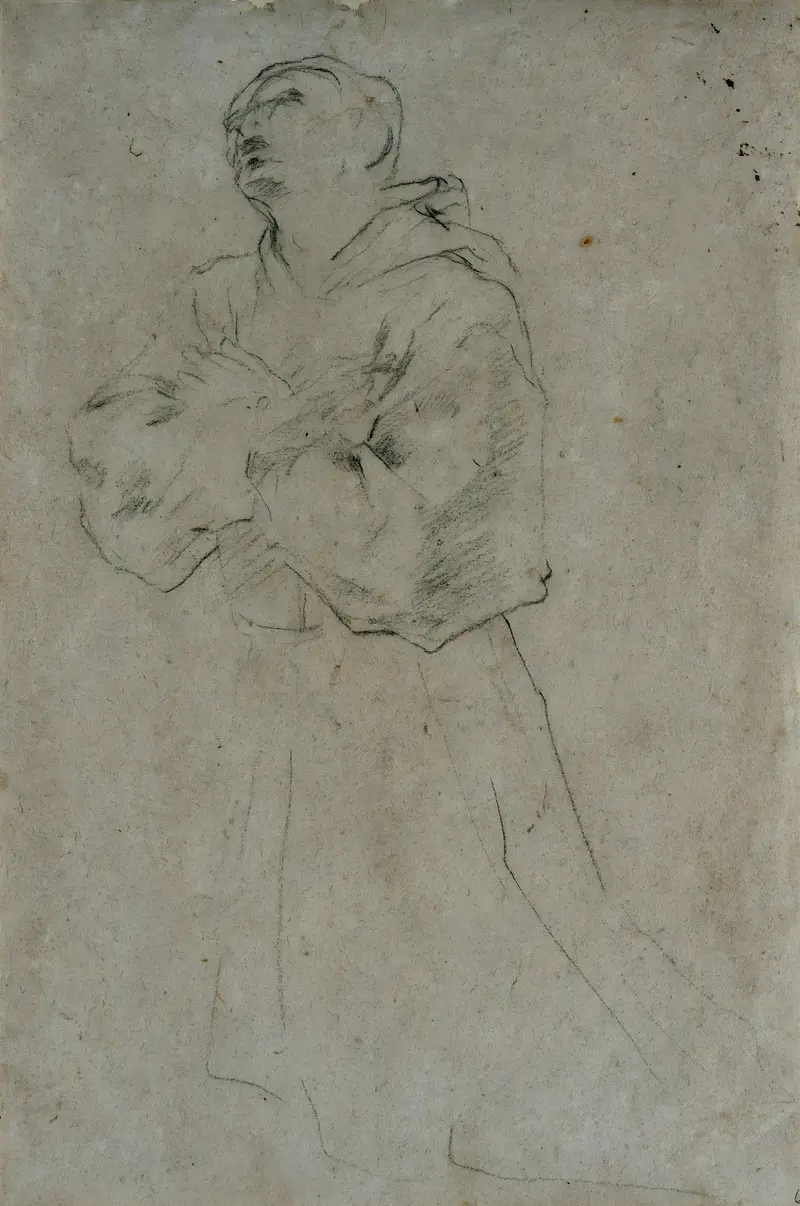
Kneeling Monk
Guido Reni
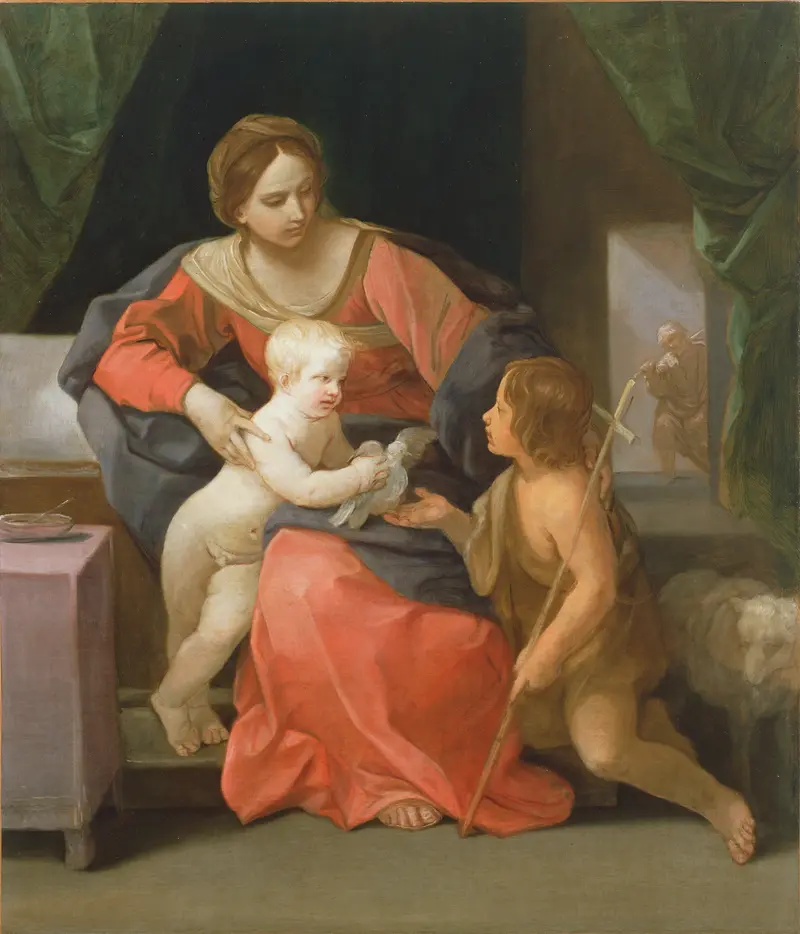
Virgin and Child with Saint John the Baptist
Guido Reni
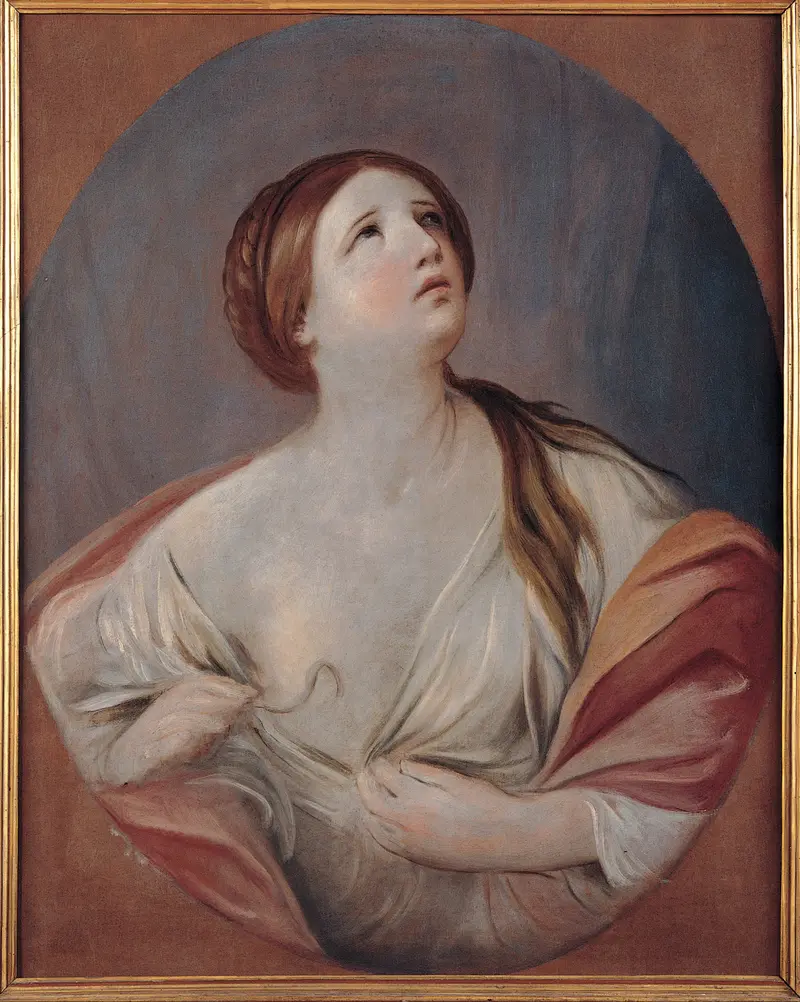
Cleopatra
Guido Reni





