
Ecce Homo — History & Facts
In Ecce Homo, Luca Giordano presents a striking portrayal of Christ. The painting features rich colors, with deep reds and golds dominating the scene. Christ is depicted with a crown of thorns, his expression one of sorrow and contemplation.
The background is dark, enhancing the emotional weight of the figure in the foreground. The painting is executed in oil on canvas, a common medium for the Baroque period. Giordano's brushwork is fluid and dynamic, capturing the tension in Christ's expression. The use of chiaroscuro creates a dramatic contrast between light and shadow, emphasizing the figure's emotional state.
Viewers can appreciate the intricate details in the textures of Christ's robe and the thorns. Luca Giordano, an influential Baroque painter, was known for his ability to convey emotion through color and light. Ecce Homo is significant as it reflects the artist's deep engagement with religious themes. Interestingly, Giordano completed this work during a time when he was influenced by the dramatic styles of Caravaggio.
This painting exemplifies the emotional intensity characteristic of Baroque art.
More Artworks by Luca Giordano

The Well of Bethesda
Luca Giordano
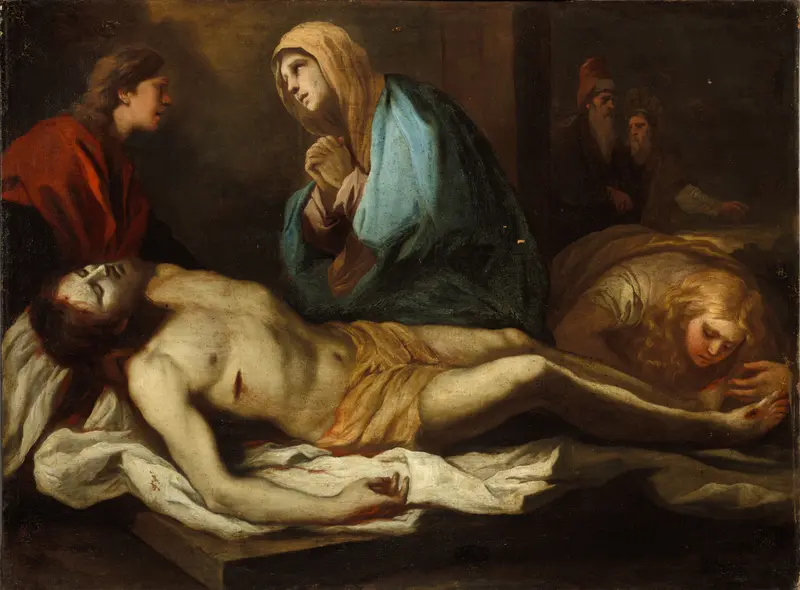
The Lamentation over the Dead Christ
Luca Giordano
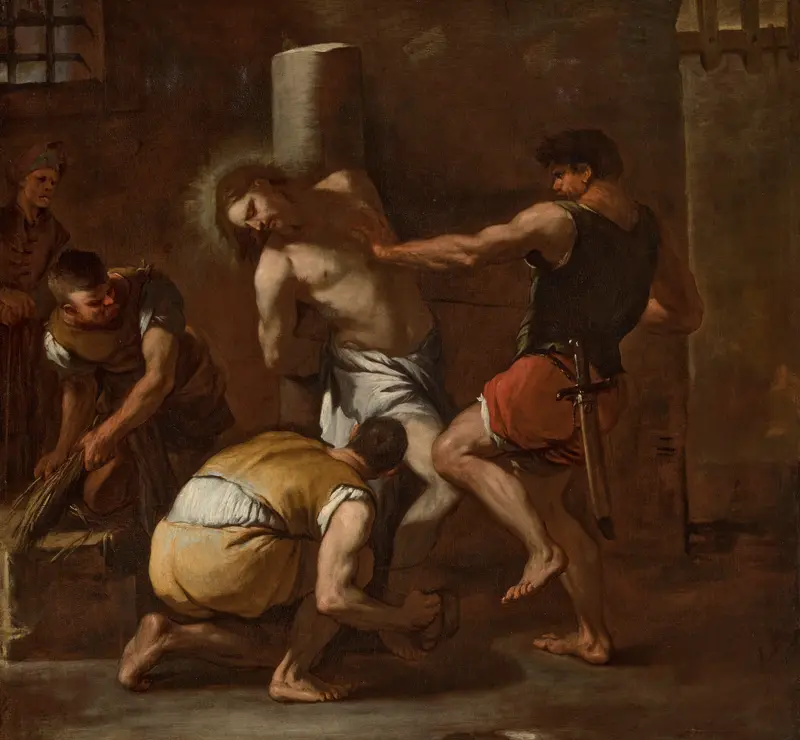
The Flagellation
Luca Giordano
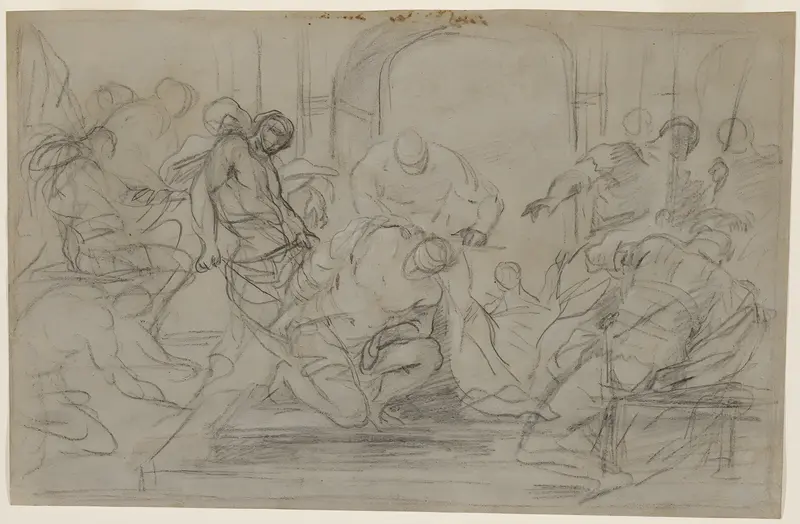
The Mocking of Christ
Luca Giordano
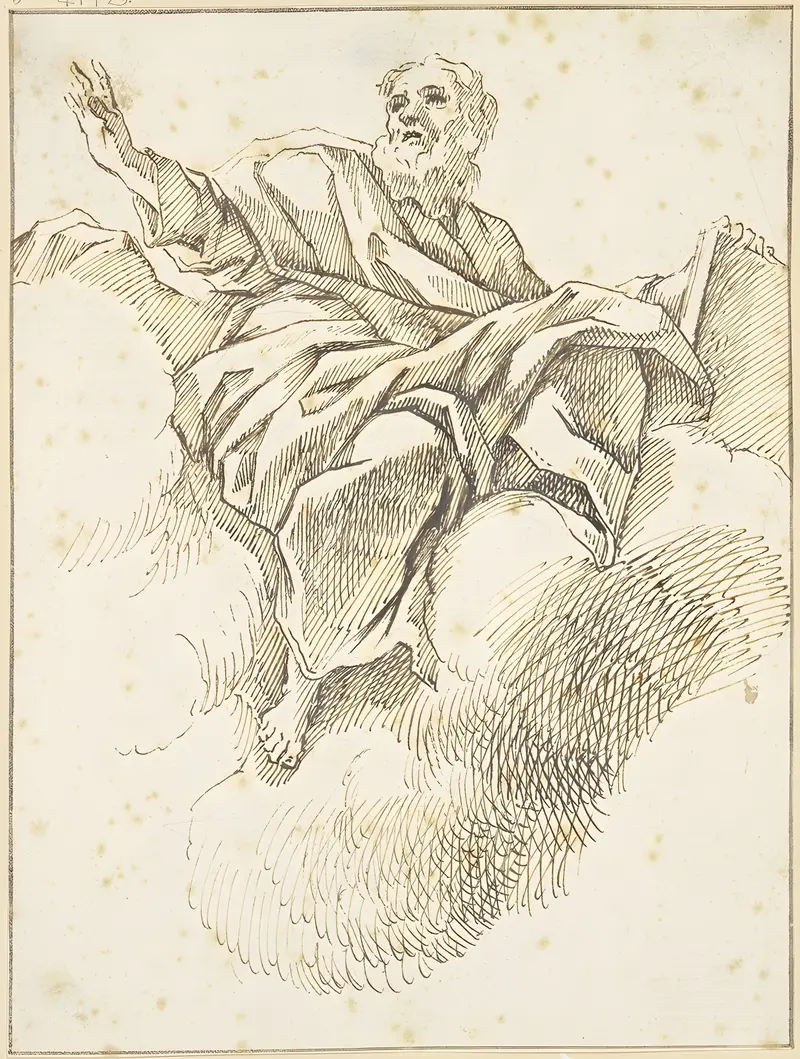
Prophet mit Buch auf Wolken schwebend
Luca Giordano

The Abduction of Proserpina
Luca Giordano
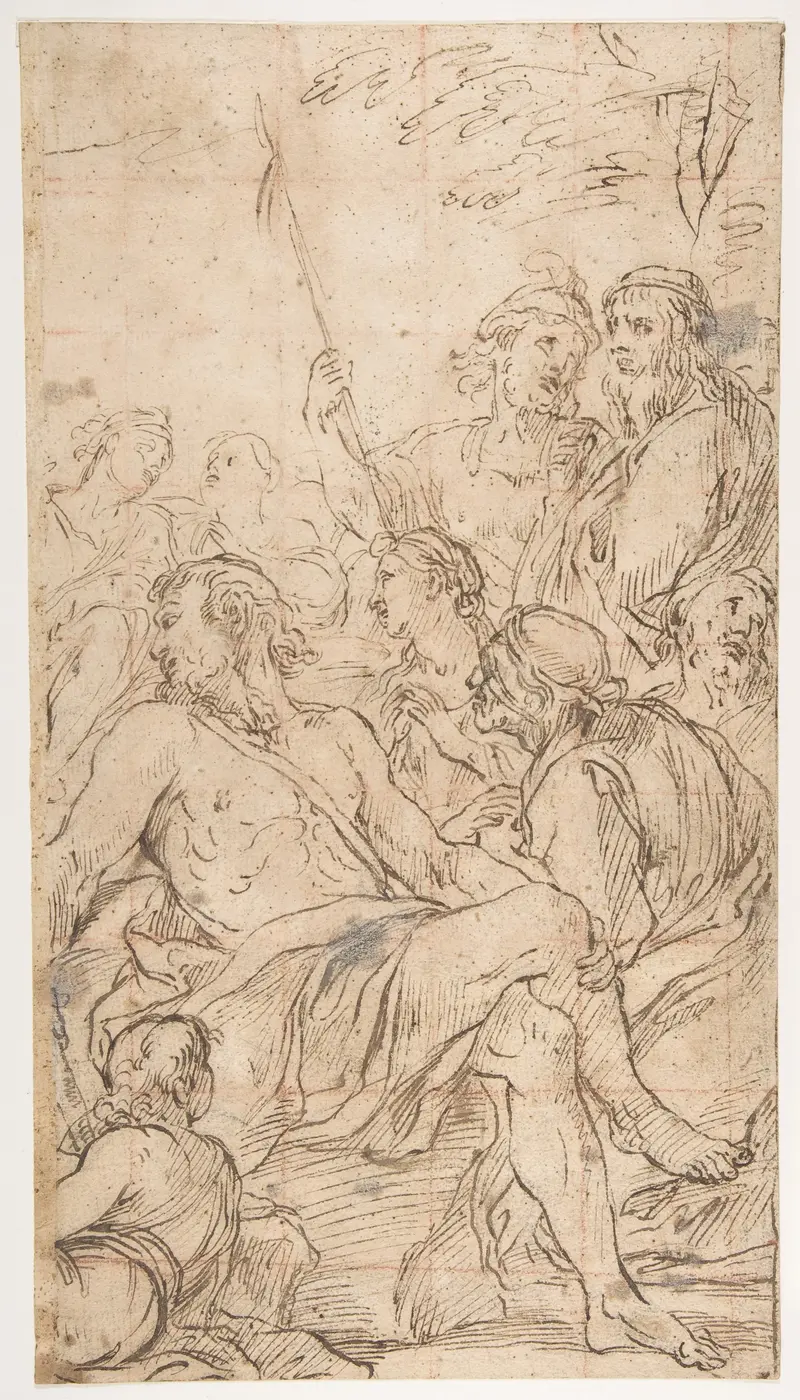
Fragment of a Composition with a Reclining Semi-Nude Man Surrounded by Soldiers and Other Onlookers in a Landscape
Luca Giordano

Democratus
Luca Giordano
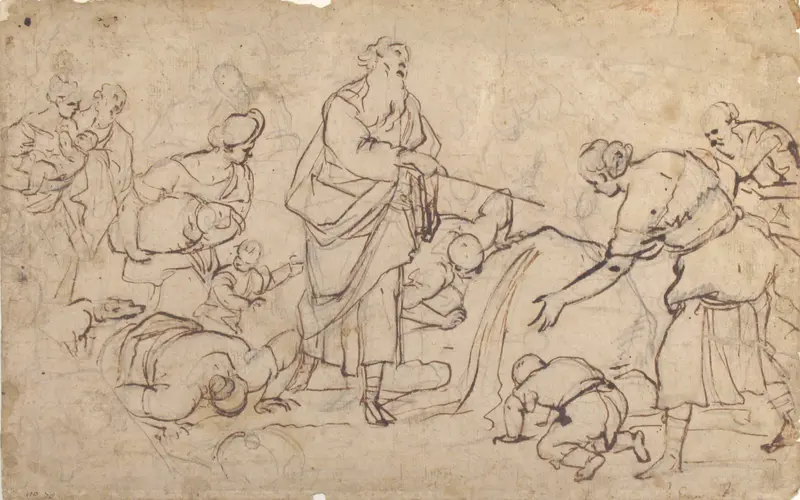
Moses Striking the Rock
Luca Giordano
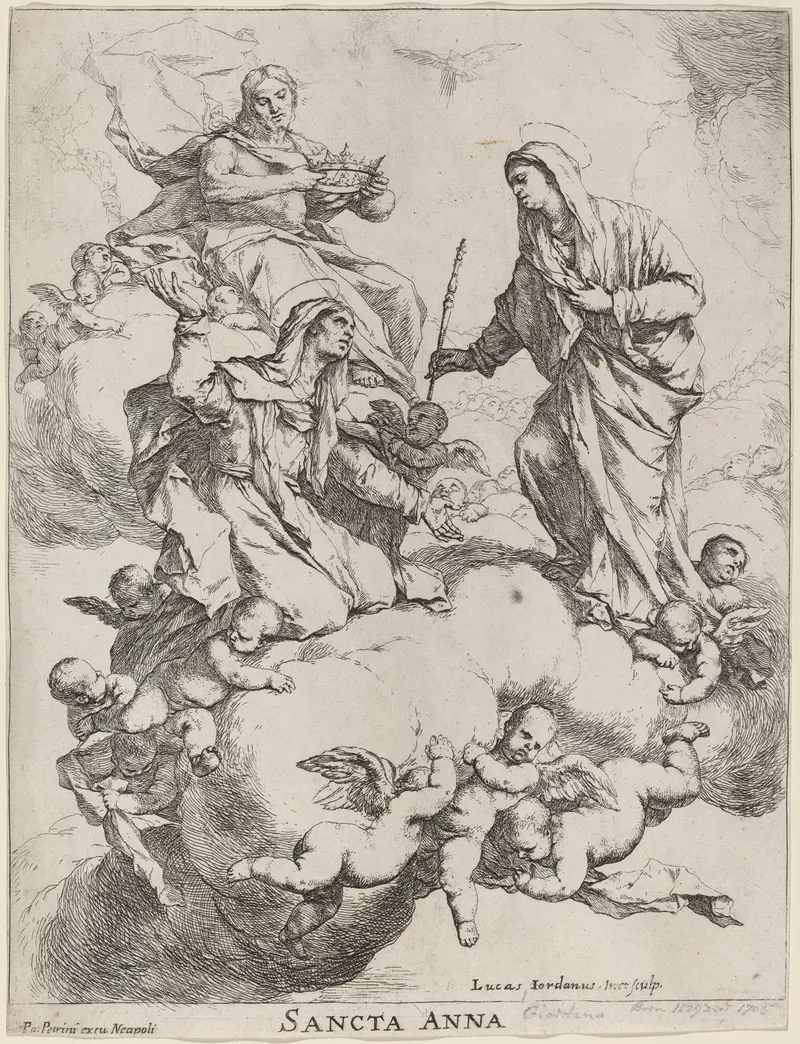
Saint Anne Received by the Virgin and Christ
Luca Giordano





