
Ecluse du canal Saint-Martin. Ecluse de l’Arsenal — History & Facts
What if beauty was never meant to be finished? The eternal dance between nature and humanity often leads us to question the existence of divinity in the mundane. Look to the center of the canvas, where the glimmering canal reflects the soft hues of dawn. The careful strokes capture the stillness of the water, punctuated by the intricate details of the lock gates. Notice how the light falls upon the weathered stone, highlighting the beauty of craftsmanship and the passage of time.
The palette, a harmonious blend of earth tones and cool blues, invites viewers to feel the serenity of the scene, evoking a sense of peace and contemplation. Amidst the tranquil setting, hidden tensions emerge in the juxtaposition of man-made structures and the encroaching greenery. The canal, a symbol of human effort, flows seamlessly into nature, suggesting a divine harmony between the two. The soft play of light and shadow further enhances this dichotomy, as moments of illumination reveal the hidden depths of the scene, while darker areas whisper secrets of history and resilience. Created during a period of artistic exploration, the artist crafted this piece amidst the vibrant changes in Paris.
While the exact date remains uncertain, Béjot was active in the late 19th century, a time marked by post-impressionist movements and burgeoning urban landscapes. His work reflects both the innovation of an evolving city and the timeless beauty found in simple, yet profound moments.
More Artworks by Eugène Béjot
Browse all →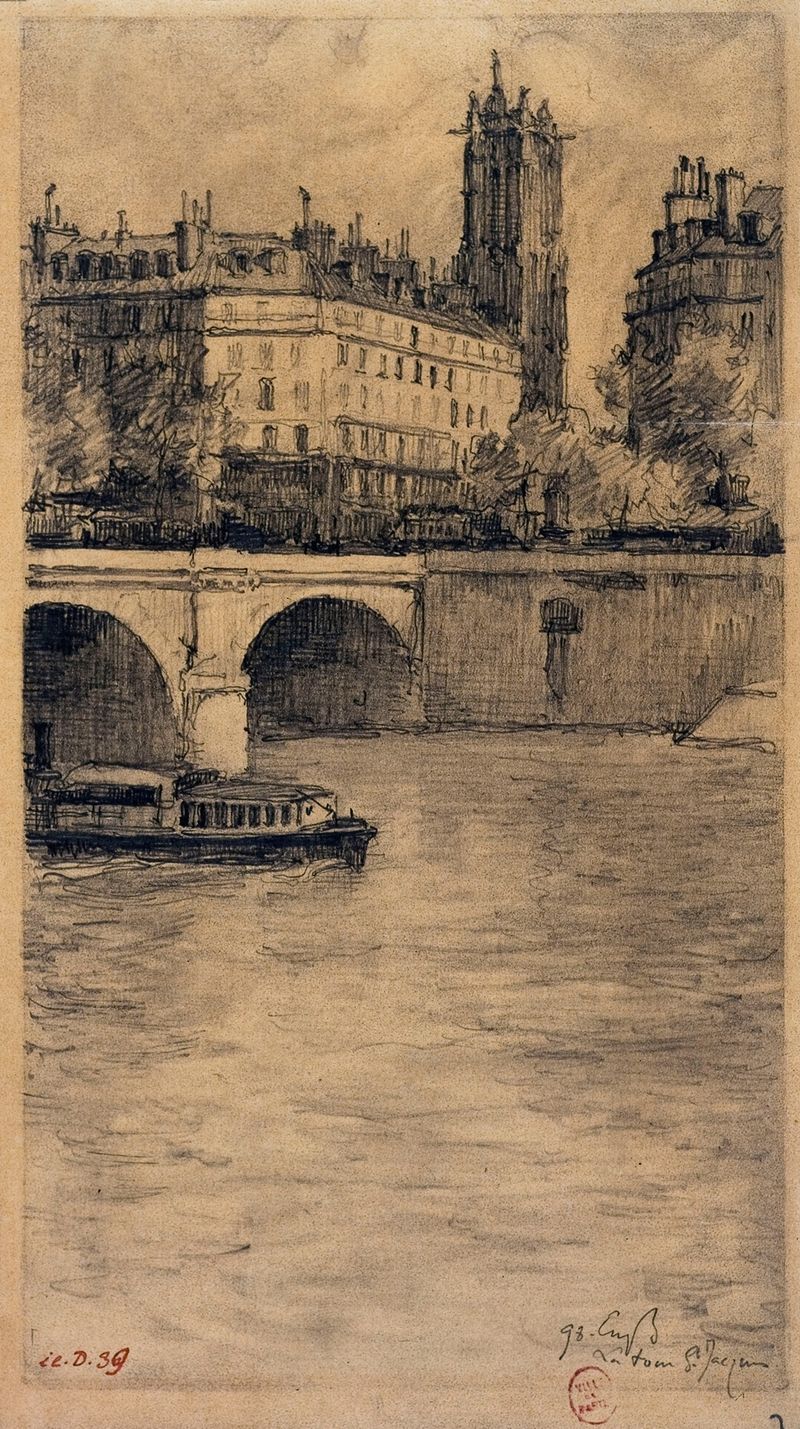
Le pont Notre-Dame et la Tour Saint-Jacques.
Eugène Béjot

Le quai de l’hôtel de ville pris du quai Bourbon.
Eugène Béjot
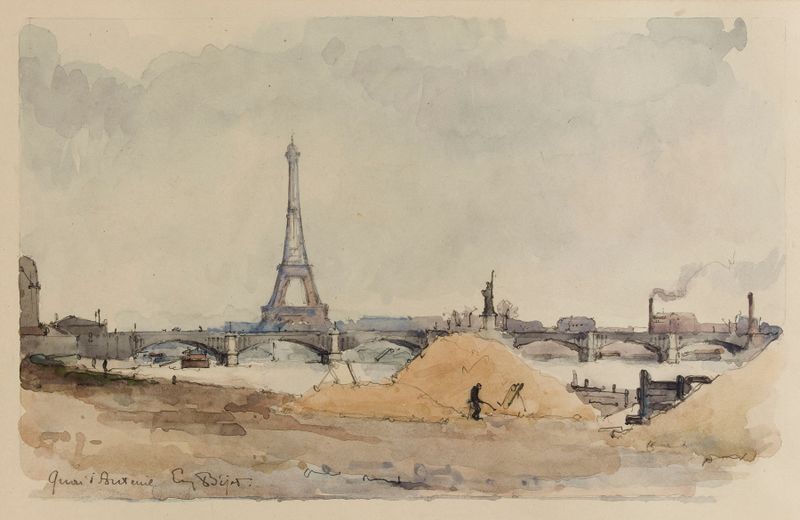
Vue du quai d’Auteuil et du pont de Grenelle
Eugène Béjot
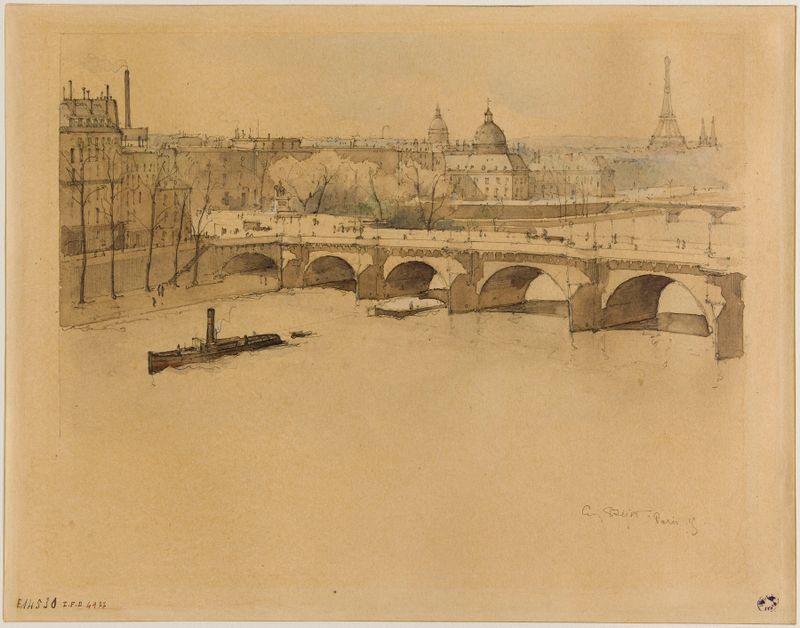
Le Pont-Neuf, grand bras de la Seine.
Eugène Béjot
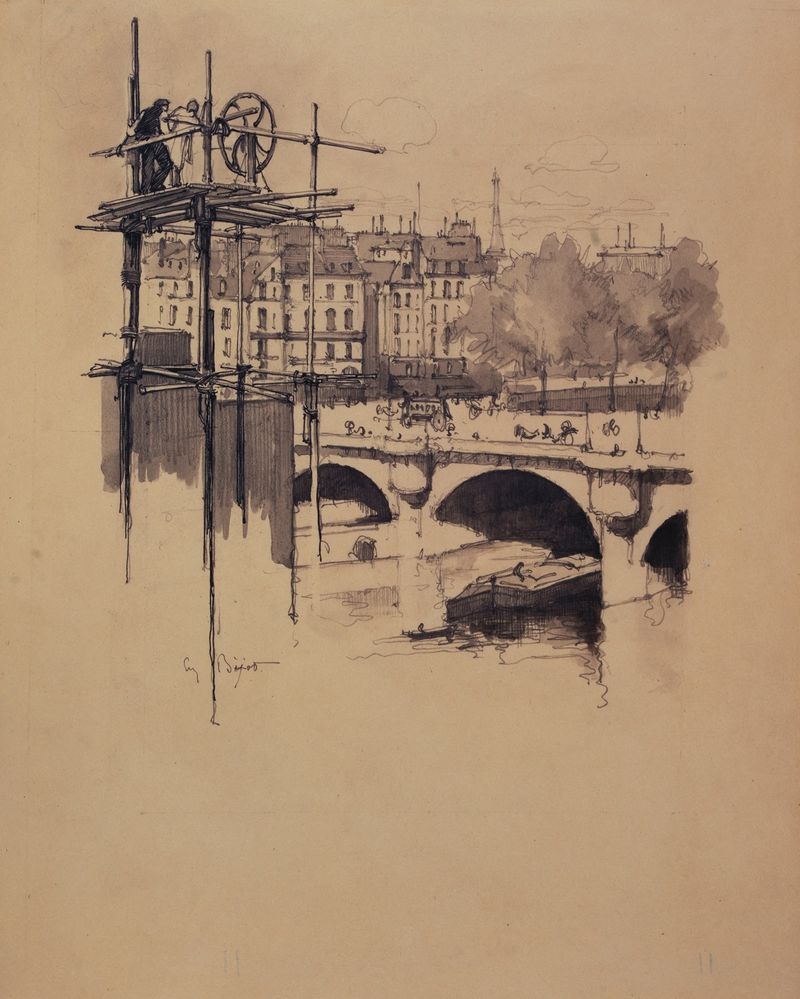
Vue du Pont-Neuf
Eugène Béjot
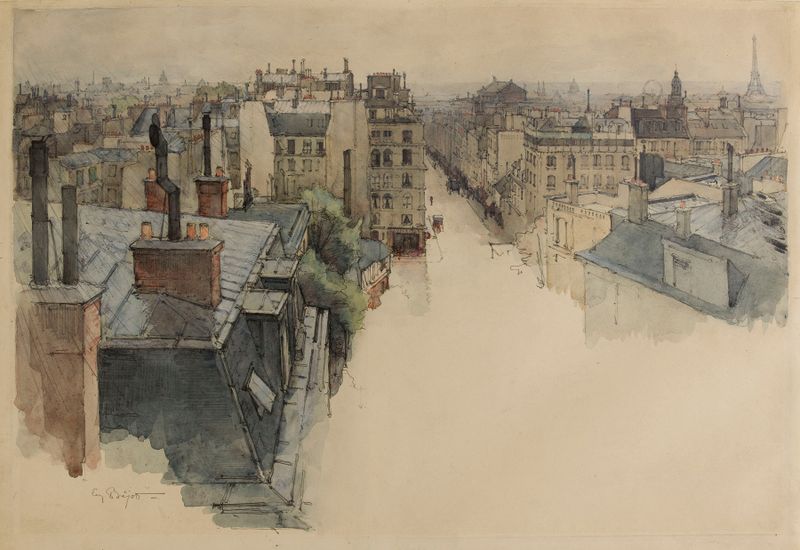
Paris vu des hauteurs de Montmartre.
Eugène Béjot
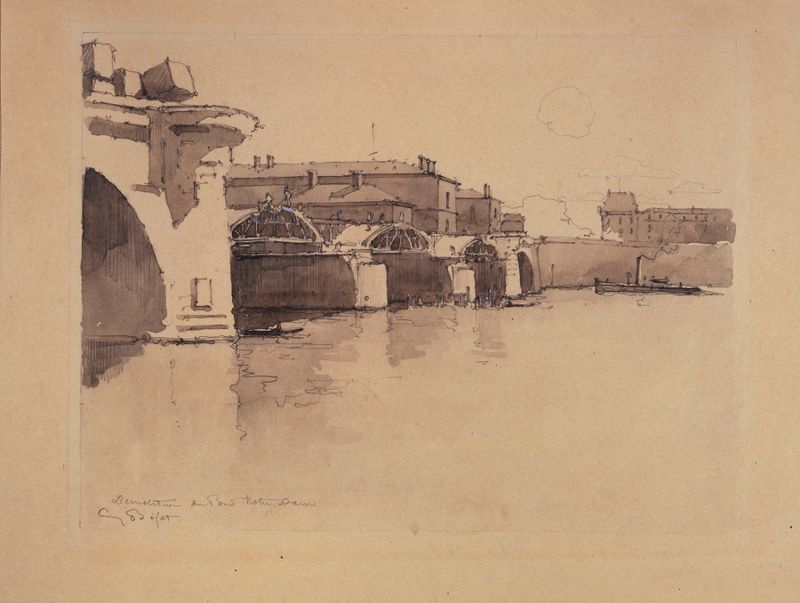
Démolition du pont Notre-Dame
Eugène Béjot





