
Le pont Notre-Dame et la Tour Saint-Jacques. — History & Facts
In the echoes of history, hope often emerges from the canvas, inviting us to connect with the past. Focus on the delicate interplay between light and shadow as you gaze across the horizon. Look to the left where the bridge gracefully arches over the river, each detail of its structure rendered with an architectural precision that breathes life into the scene. Notice the soft blues and warm earth tones that intertwine, creating a sense of serenity amidst the bustling Parisian life below. Delve deeper into this composition, and you’ll find the juxtaposition of the sturdy bridge against the ethereal backdrop of the sky.
The distant silhouette of the Tour Saint-Jacques looms, a reminder of both historical continuity and the aspirations of a city reaching skyward, embodying a sense of resilience. The ripples in the water capture the fleeting moments of life, mirroring the quiet hopes of those who pass over it daily. Eugène Béjot painted this piece in 1898, a time when Paris was evolving rapidly, embracing modernism while still clinging to its rich heritage. As he stood before the scene, he was influenced by the artistic movements of his era, navigating his own identity in the bustling art world.
This work reveals not just a geographical location, but also a reflection of the shifting sentiments of hope that coursed through the city’s veins during a time of transformation.
More Artworks by Eugène Béjot
Browse all →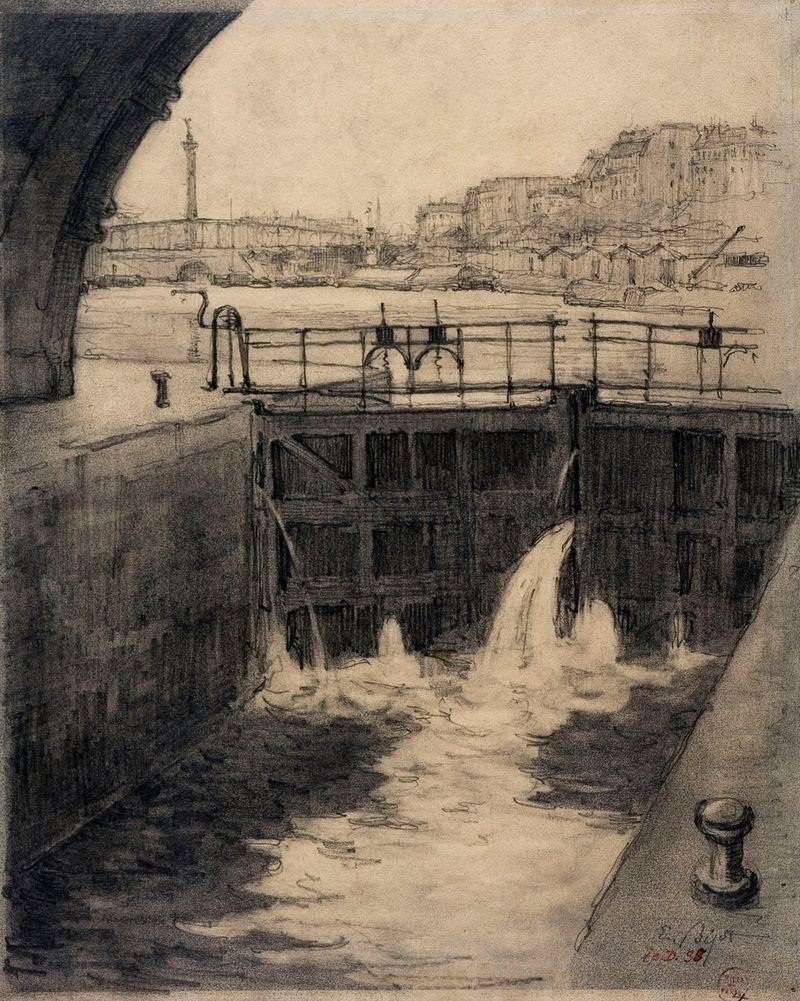
Ecluse du canal Saint-Martin. Ecluse de l’Arsenal
Eugène Béjot

Le quai de l’hôtel de ville pris du quai Bourbon.
Eugène Béjot
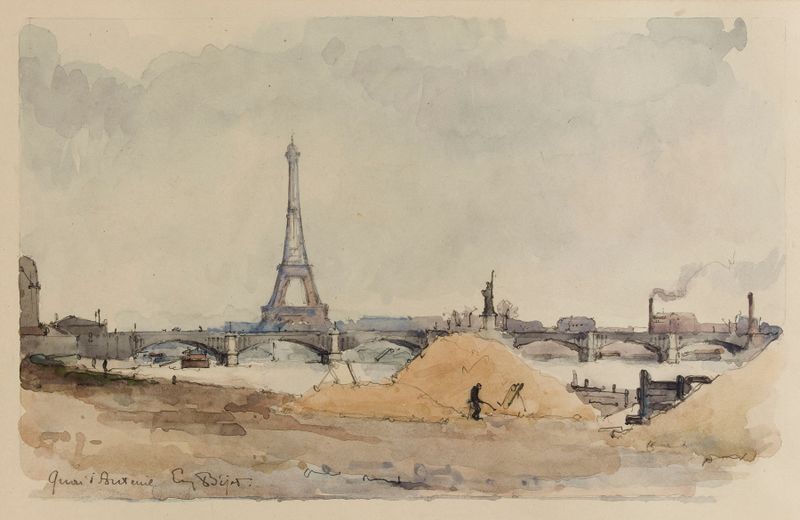
Vue du quai d’Auteuil et du pont de Grenelle
Eugène Béjot
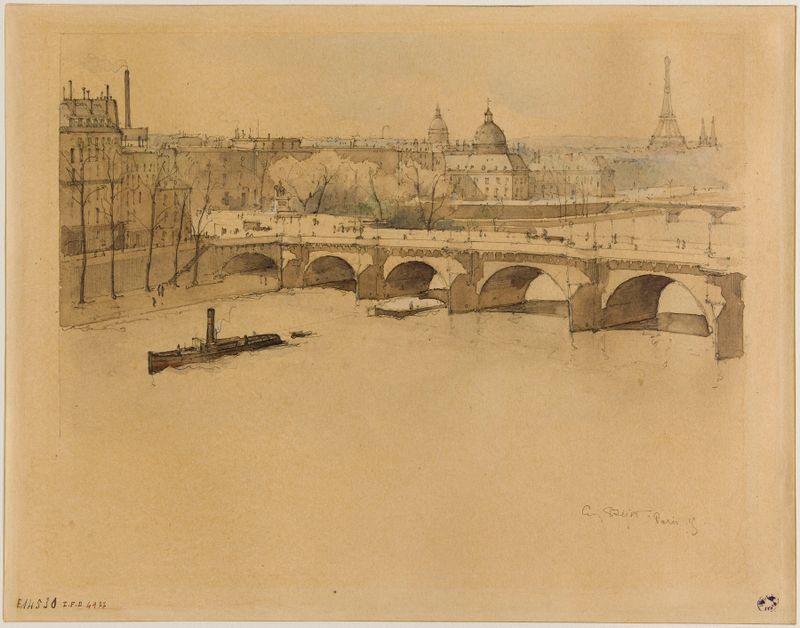
Le Pont-Neuf, grand bras de la Seine.
Eugène Béjot
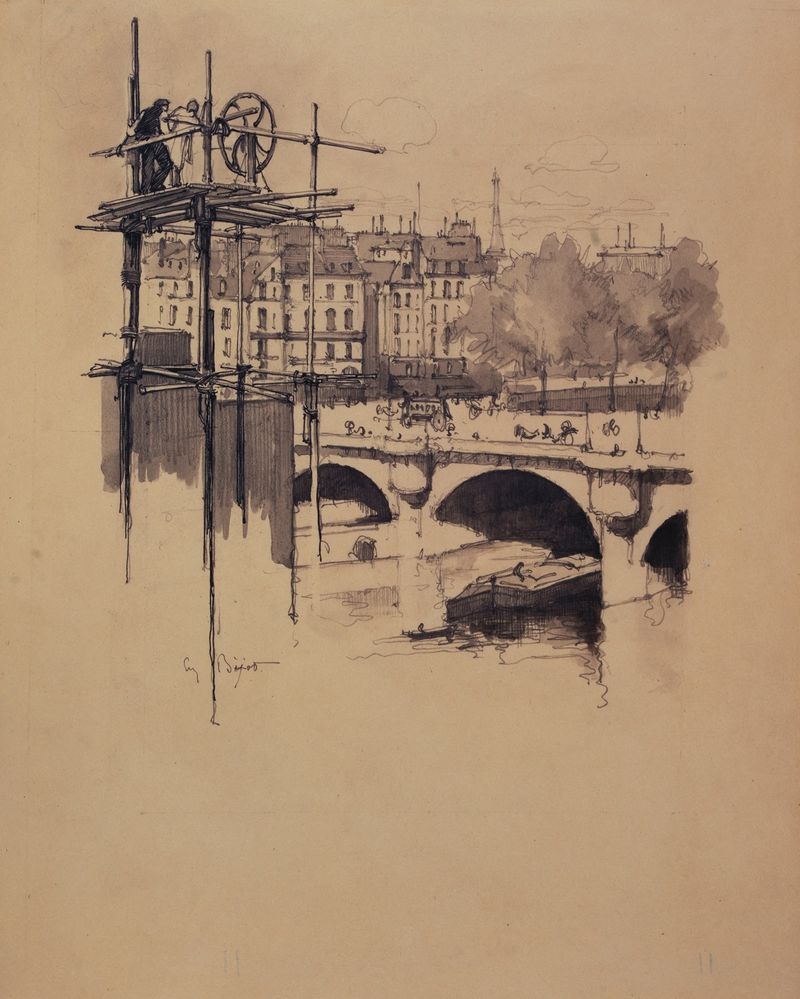
Vue du Pont-Neuf
Eugène Béjot
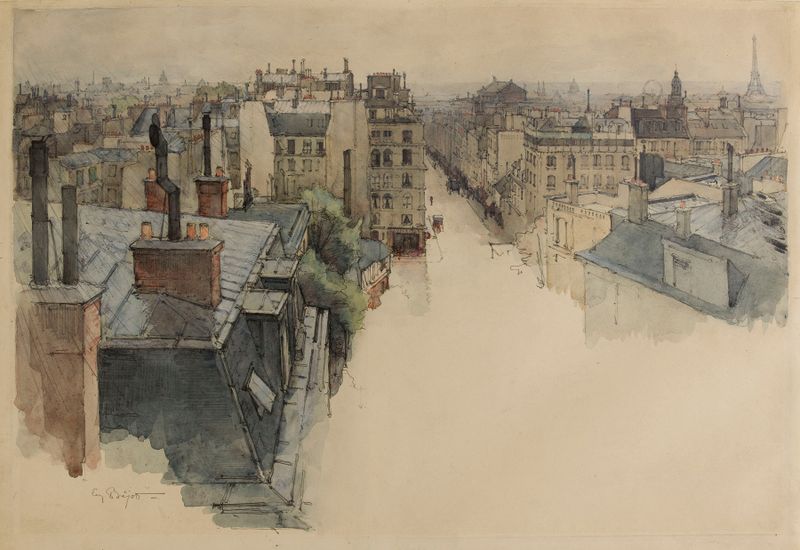
Paris vu des hauteurs de Montmartre.
Eugène Béjot
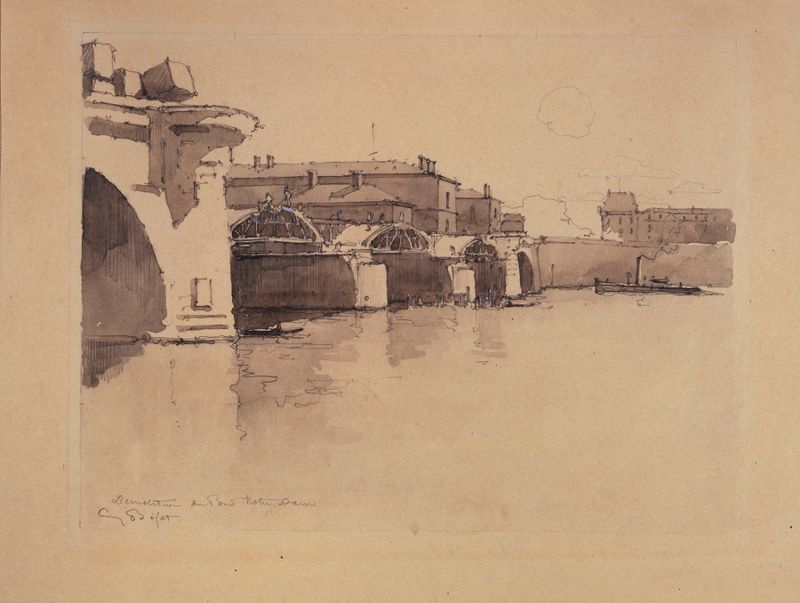
Démolition du pont Notre-Dame
Eugène Béjot





