
Een Spaanse sjees, getrokken door een ezel — History & Facts
What secret hides in the quiet of the canvas? Beneath the serene surface of everyday life, madness often lurks, whispering its chaotic truths. Look to the left at the quaint Spanish cart, its wooden frame and vibrant paint reflecting the sun’s warm embrace. The soft earth tones of the ground contrast with the lively hues of the cart, creating a focal point that draws the eye. Notice how the subtle brushstrokes capture the texture of the donkey's fur, each stroke rich with life, while the shadows play gently across the scene, adding depth and a sense of timelessness. Delve deeper, and you may find hidden tensions within the simplicity.
The donkey stands still, its gaze fixed, perhaps embodying the silent burden of expectation—the weight of labor juxtaposed against the carefree vibrancy of its surroundings. The juxtaposition of the lively cart and the passive animal evokes a sense of underlying chaos, a delicate balance between work and leisure, reflecting the madness of life’s demands in a seemingly tranquil moment. Otto Howen painted this work during a time when the art world was embracing new forms of expression in the early 20th century. Working outside the major artistic movements, he sought to capture the intimate details of everyday life, exploring the emotional landscapes within mundane subjects.
This piece exemplifies Howen's ability to spotlight moments that others might overlook, revealing their deeper significance amid a rapidly changing world.
More Artworks by Otto Howen
Browse all →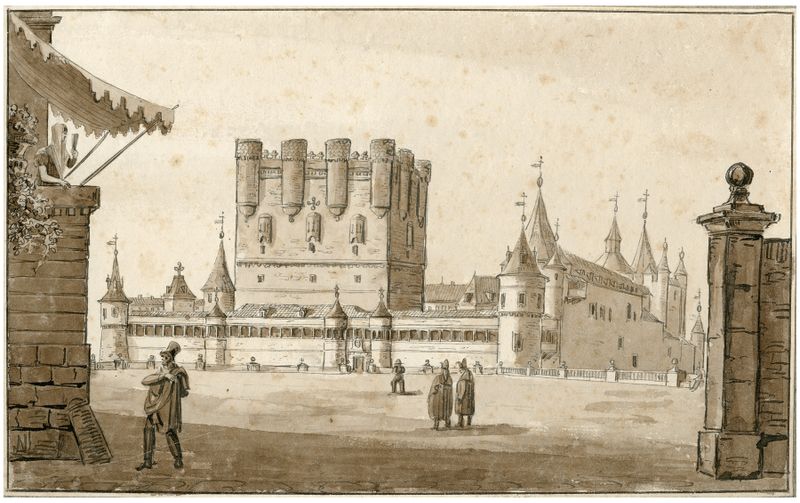
Het Alcazar te Segovia
Otto Howen
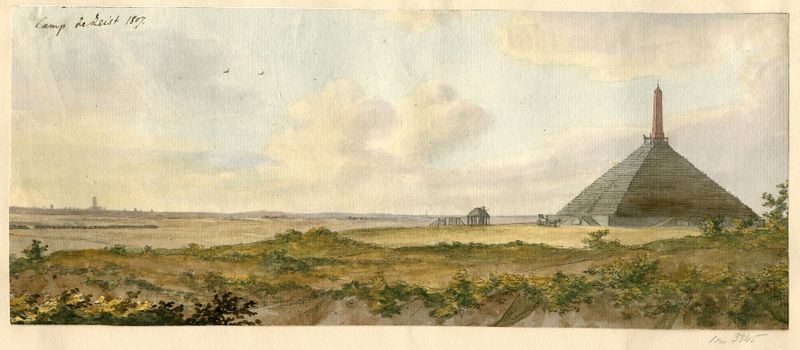
De piramide van Austerlitz bij Zeist
Otto Howen
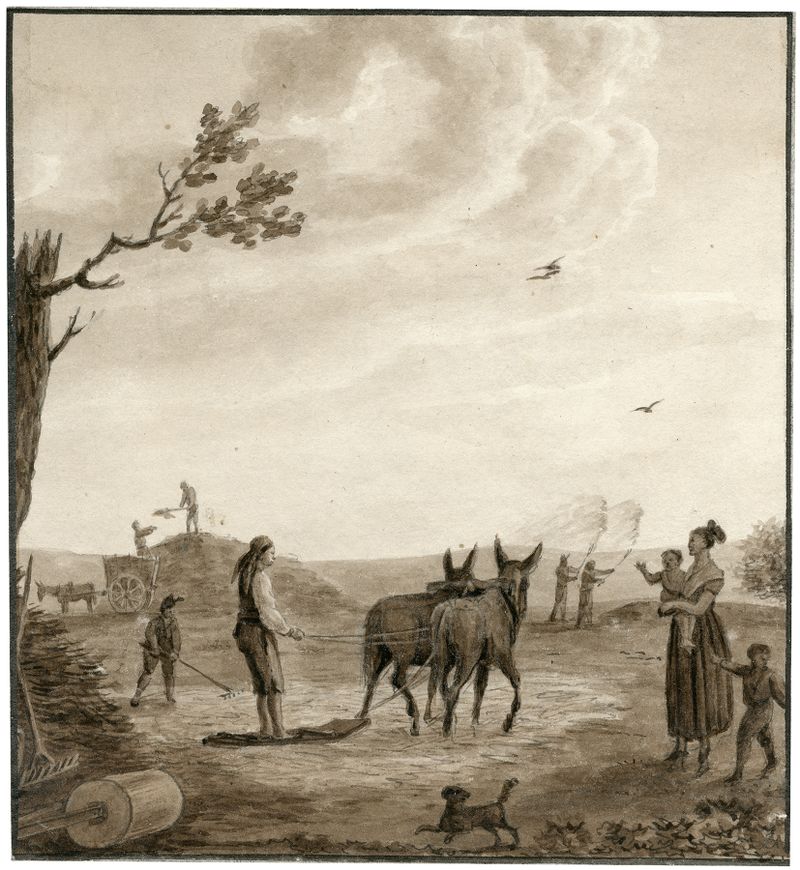
Het dorsen van het graan
Otto Howen
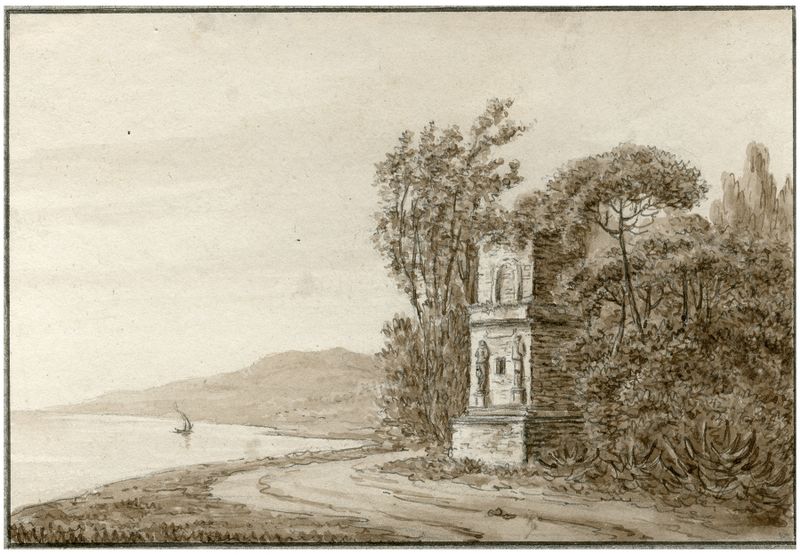
Een antiek monument in de omgeving van Taragone
Otto Howen
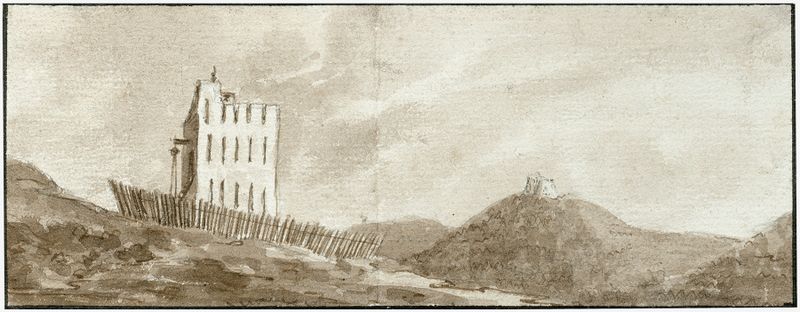
Gezicht in de omgeving van Gerona
Otto Howen
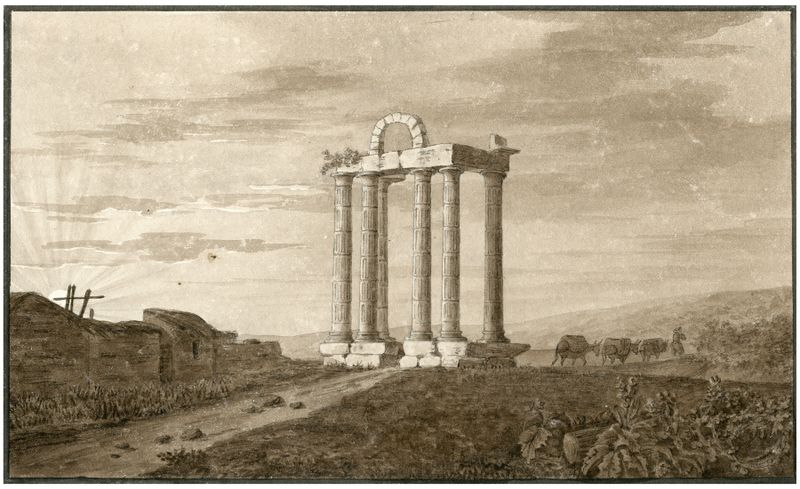
Antieke Ruïnes bij Talavera in Castillie
Otto Howen
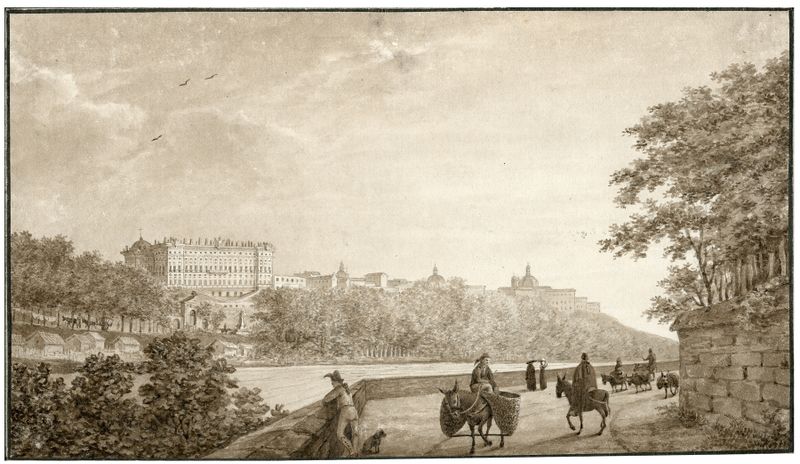
Het Koninklijke Paleis te Madrid
Otto Howen
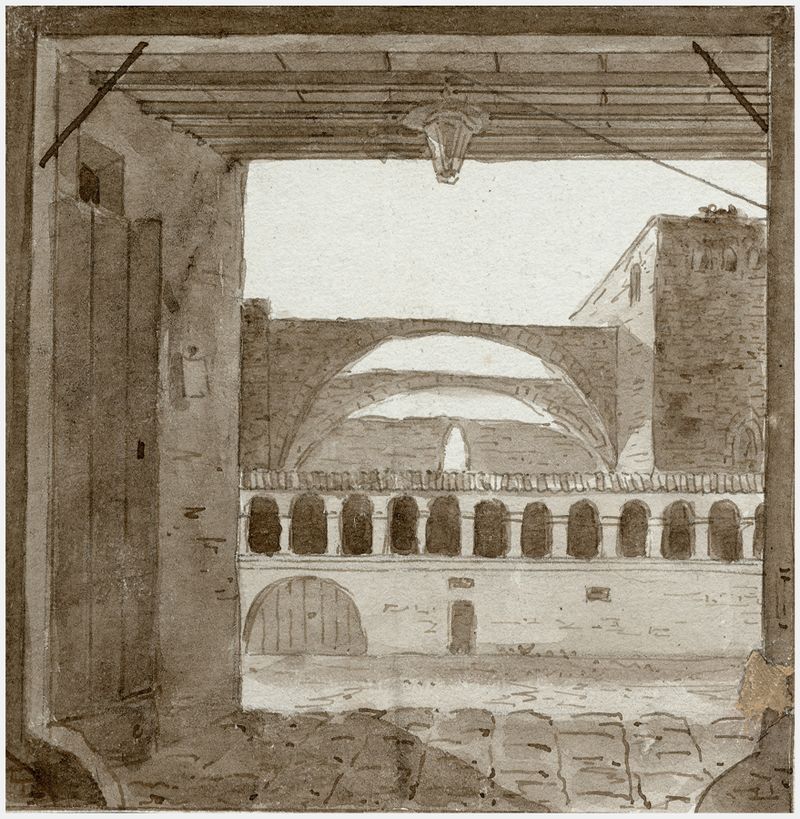
Ruïne van een klooster te Barcelona
Otto Howen
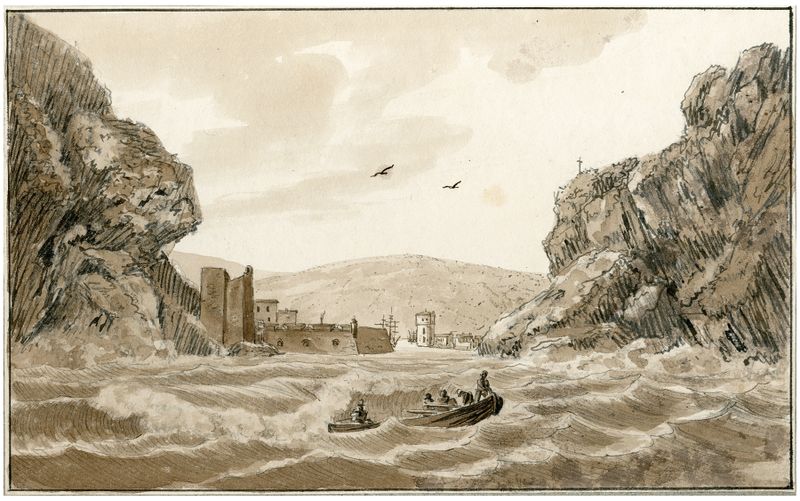
Een havenplaats in Spanje, Port de Passage
Otto Howen
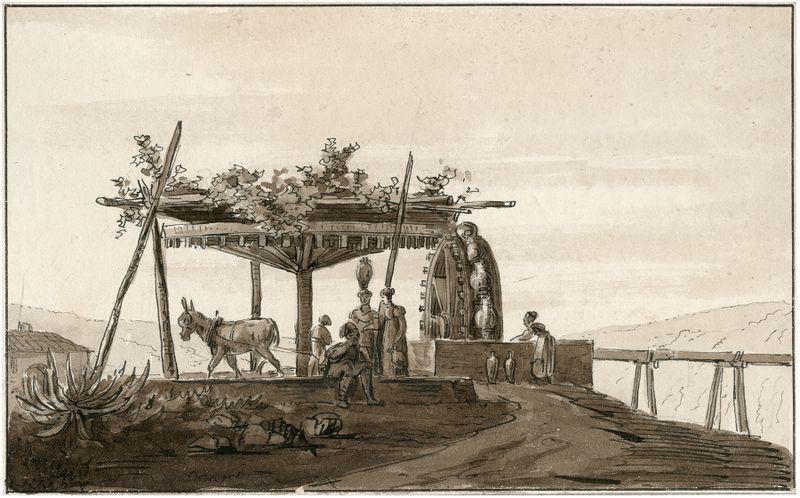
Een waterput met raderwerk en trekezel
Otto Howen





