
Effet du Soir — History & Facts
In the hazy glow of twilight, memory drapes itself across the landscape, evoking a sense of nostalgia that transcends time. Each brushstroke encases moments long past, inviting the viewer to ponder the depths of what remains unspoken in our own lives. Focus first on the soft, muted palette that fills the canvas; subtle hues of ochre and blue blend seamlessly, suggesting a fading light that wraps the scene in a tender embrace. The horizon, where earth meets sky, draws your gaze outward, as if pulling you into a gentle daydream.
Notice how the trees stand silhouetted against the evening sky, their outlines softened by the delicate interplay of light and shadow, creating an atmosphere of quiet introspection. Delve deeper into the emotional undercurrents, where stillness is laden with unarticulated thoughts. The serene water reflects the ephemeral hues, mirroring the transitory nature of memory itself. Each element—the trees, the water, the twilight—intertwines to communicate a longing or loss, a quiet yearning that resonates within the viewer's own recollections. Corot painted this work between 1870 and 1873, during a period of personal reflection as he navigated the evolving landscape of Impressionism.
He was increasingly interested in capturing the fleeting effects of light and atmosphere, embracing a more emotive approach. As the world around him changed, he remained a bridge between classical traditions and modernist impulses, illustrating the beauty found in both memory and the natural world.
More Artworks by Jean-Baptiste-Camille Corot
Browse all →
View of Genoa
Jean-Baptiste-Camille Corot
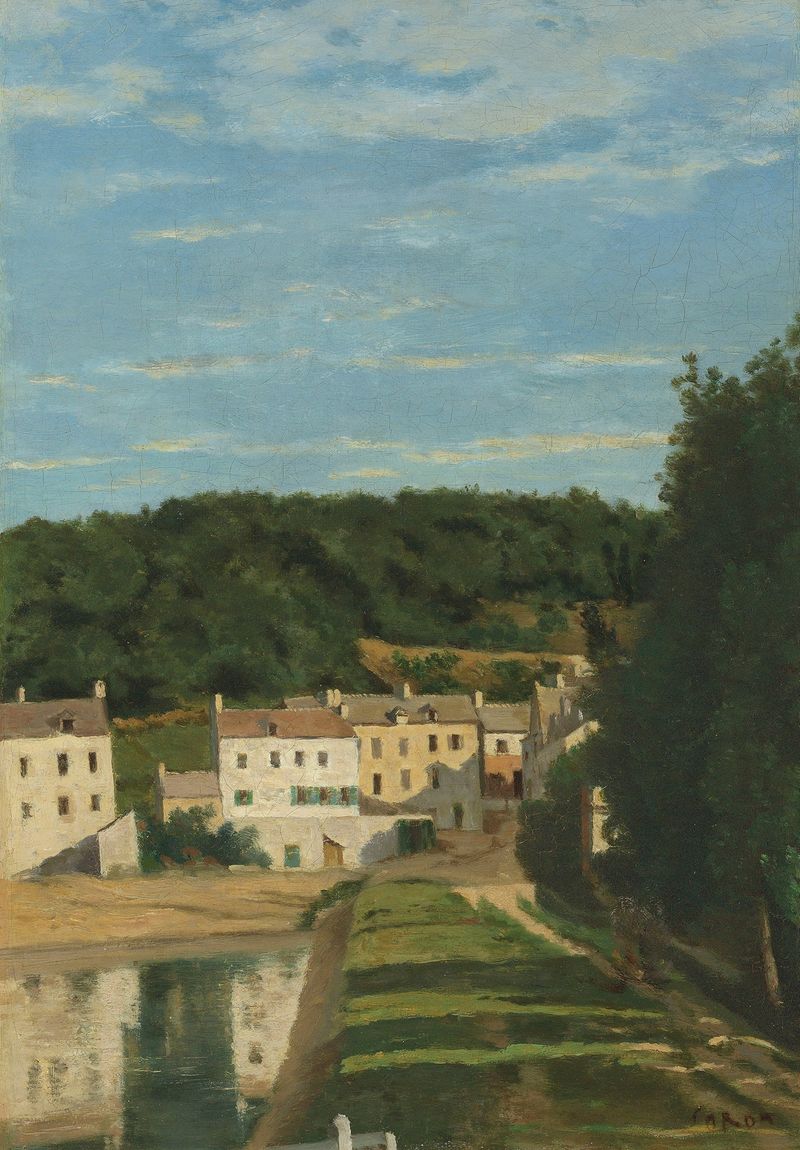
Les Maisons Cabassud À Ville D’avray
Jean-Baptiste-Camille Corot

La solitude. Souvenir de Vigen (Limousin)
Jean-Baptiste-Camille Corot
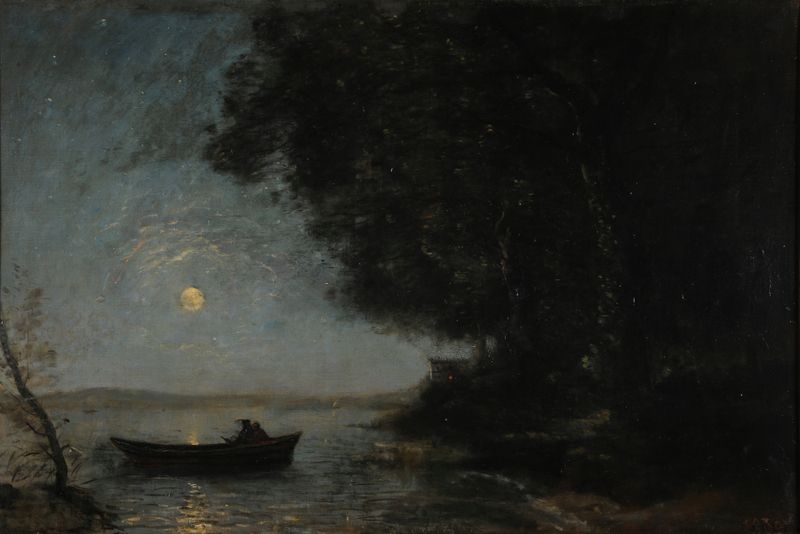
Le lac ; effet de nuit
Jean-Baptiste-Camille Corot
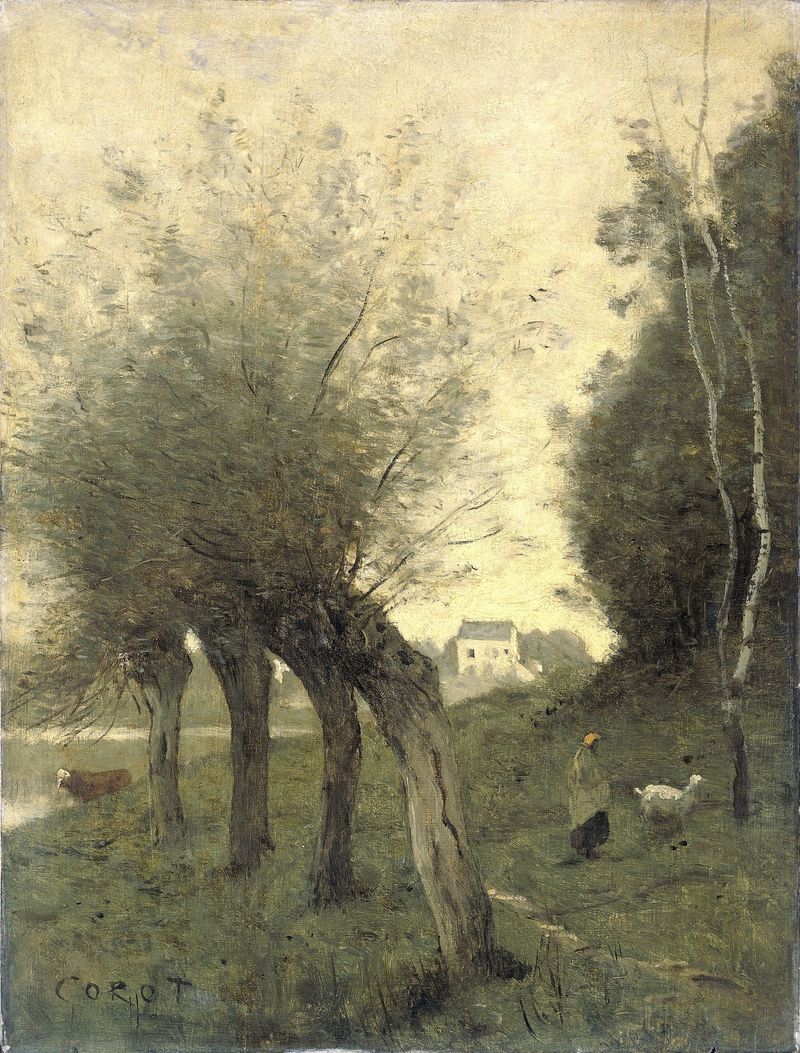
Landscape with Pollard Willows
Jean-Baptiste-Camille Corot
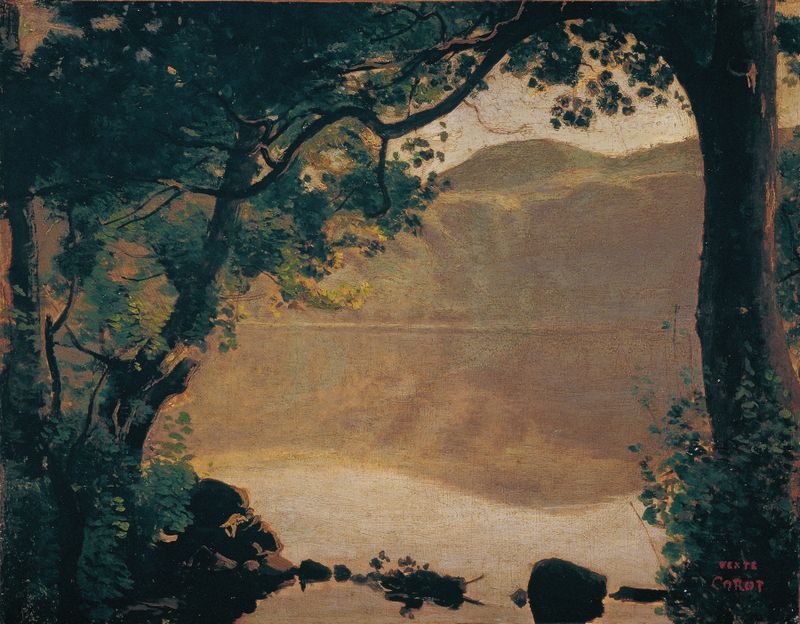
Der Nemisee
Jean-Baptiste-Camille Corot
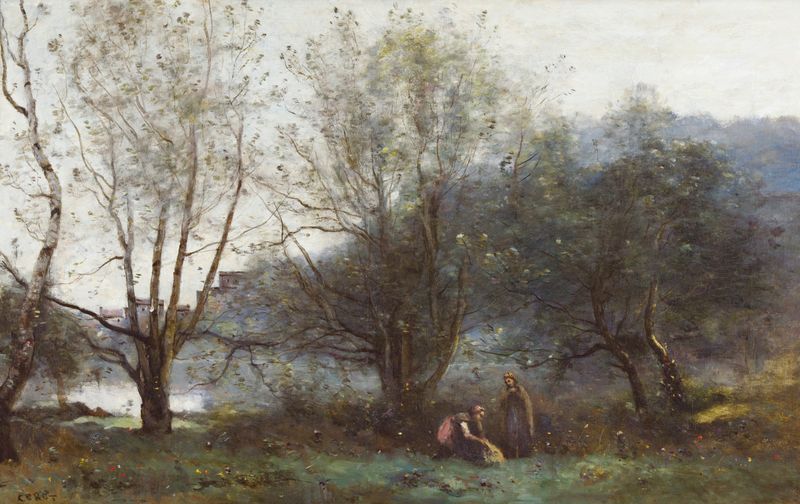
Les Étangs De Ville D’avray
Jean-Baptiste-Camille Corot
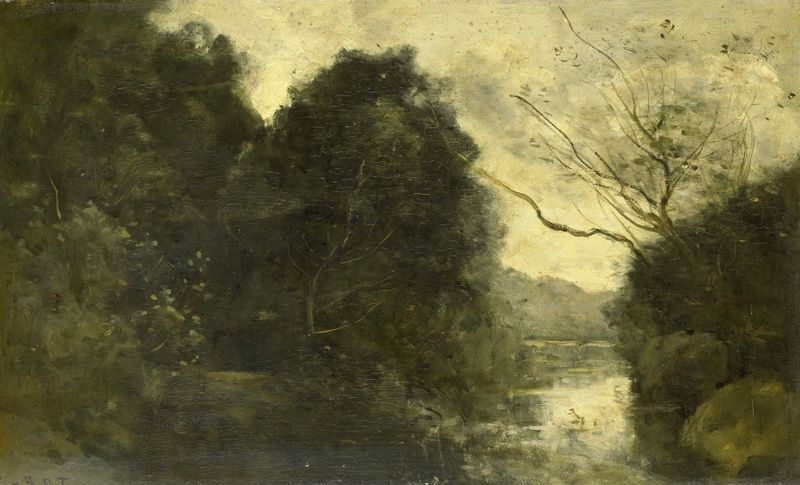
Pond in the Woods
Jean-Baptiste-Camille Corot
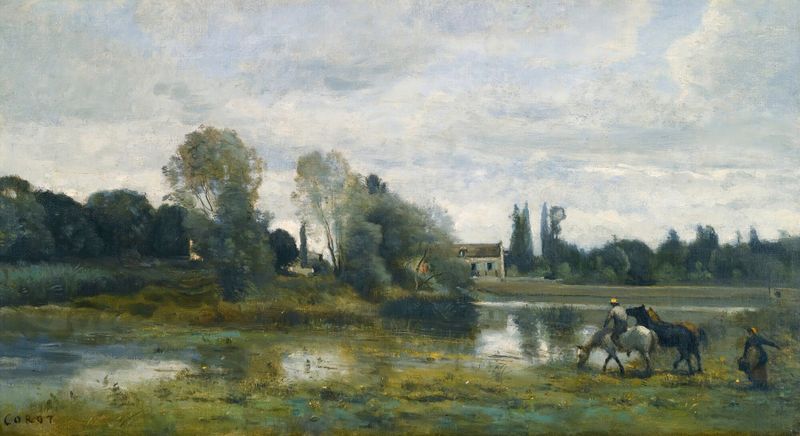
Ville D’avray; L’abreuvoir Des Chevaux
Jean-Baptiste-Camille Corot
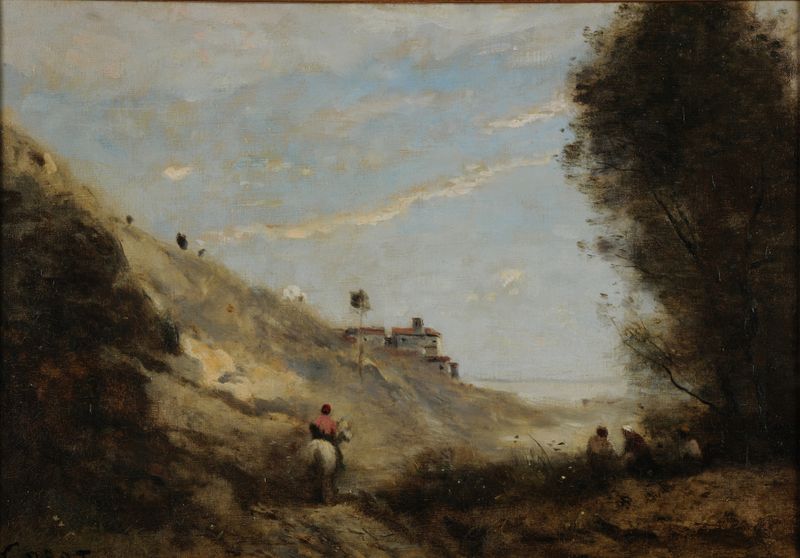
Le vallon au cavalier
Jean-Baptiste-Camille Corot





