Discover insights about this artwork
Église de Vernon, Soleil — History & Facts
In Église de Vernon, Soleil, Claude Monet presents a vibrant scene of the church in Vernon, France. The painting is filled with bright yellows and soft blues, capturing the sunlight as it bathes the church in warmth. The sky is a brilliant blue, dotted with fluffy white clouds that enhance the overall brightness.
Monet's brushstrokes create a lively atmosphere, making the scene feel almost alive. This artwork is an example of Impressionism, characterized by its loose brushwork and emphasis on light. The use of color is striking, with Monet employing a palette that reflects the changing qualities of light throughout the day. The dimensions of the painting are approximately 65 x 81 cm, allowing for a detailed yet expansive view of the landscape.
The oil on canvas medium enhances the vibrancy of the colors. Claude Monet painted Église de Vernon, Soleil around 1894, during a period when he was exploring the effects of light on landscapes. This work is part of a series of paintings depicting the church in Vernon, showcasing different times of day and seasons. An interesting fact about this painting is that it reflects Monet's fascination with capturing fleeting moments in nature, a hallmark of his style.
Today, it resides in the Musee d'Orsay, a testament to its significance in the art world.
More Artworks by Claude Monet
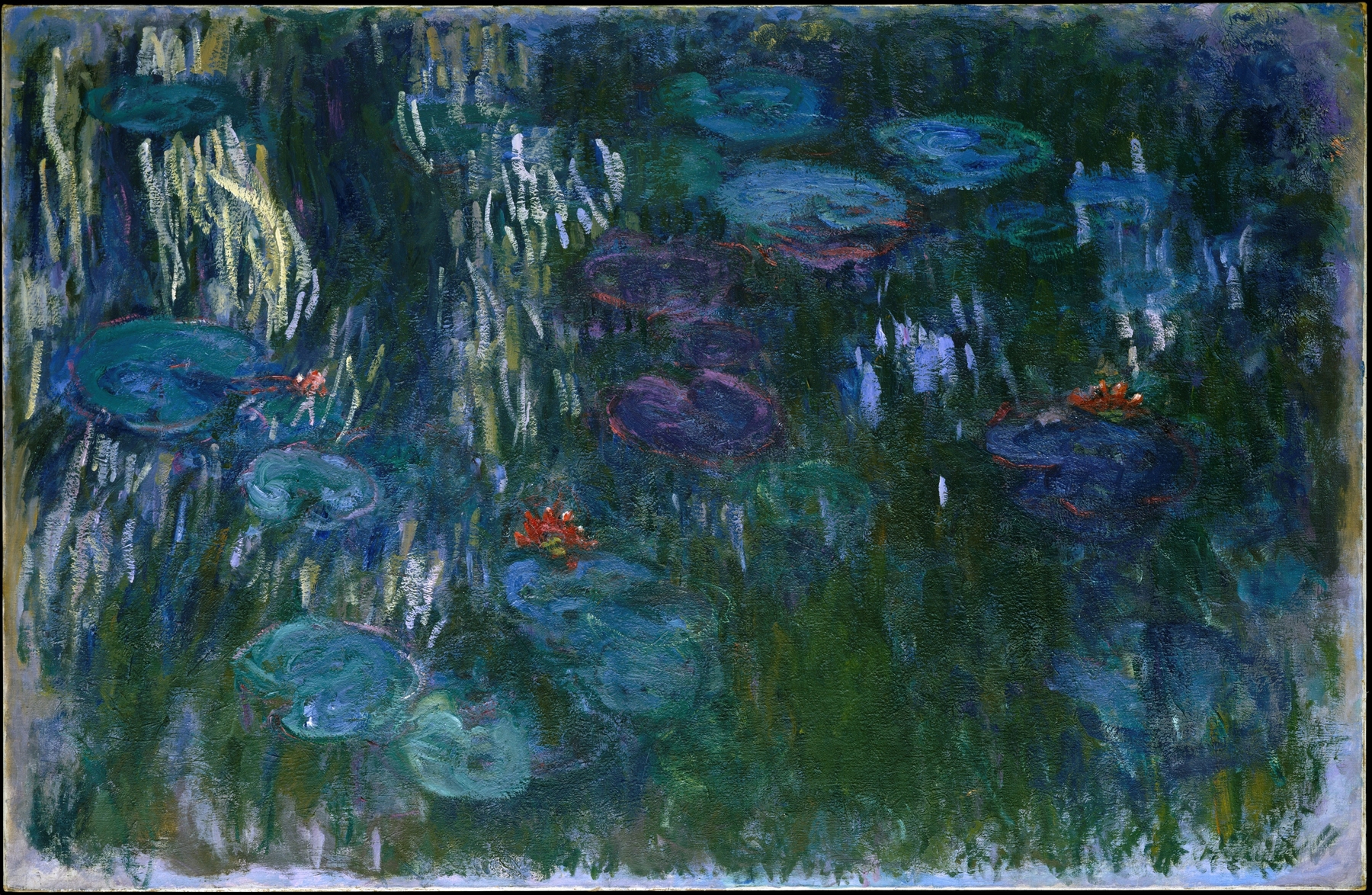
Water Lilies
Claude Monet
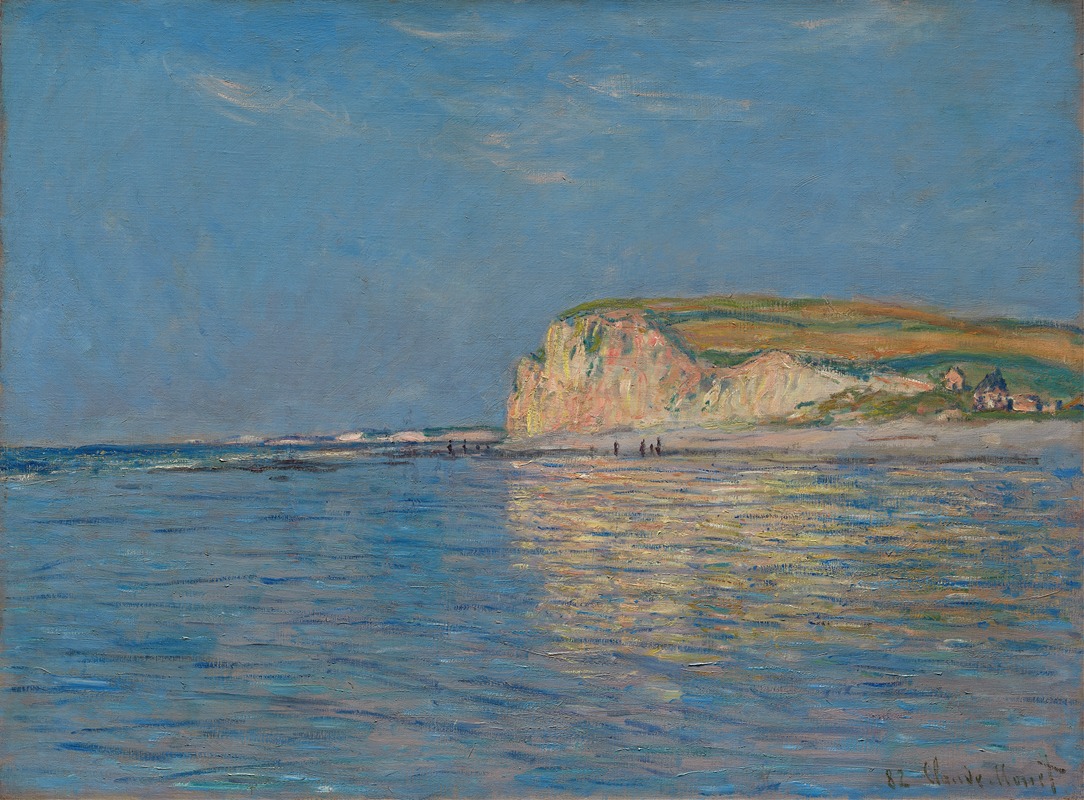
Low Tide at Pourville, near Dieppe
Claude Monet
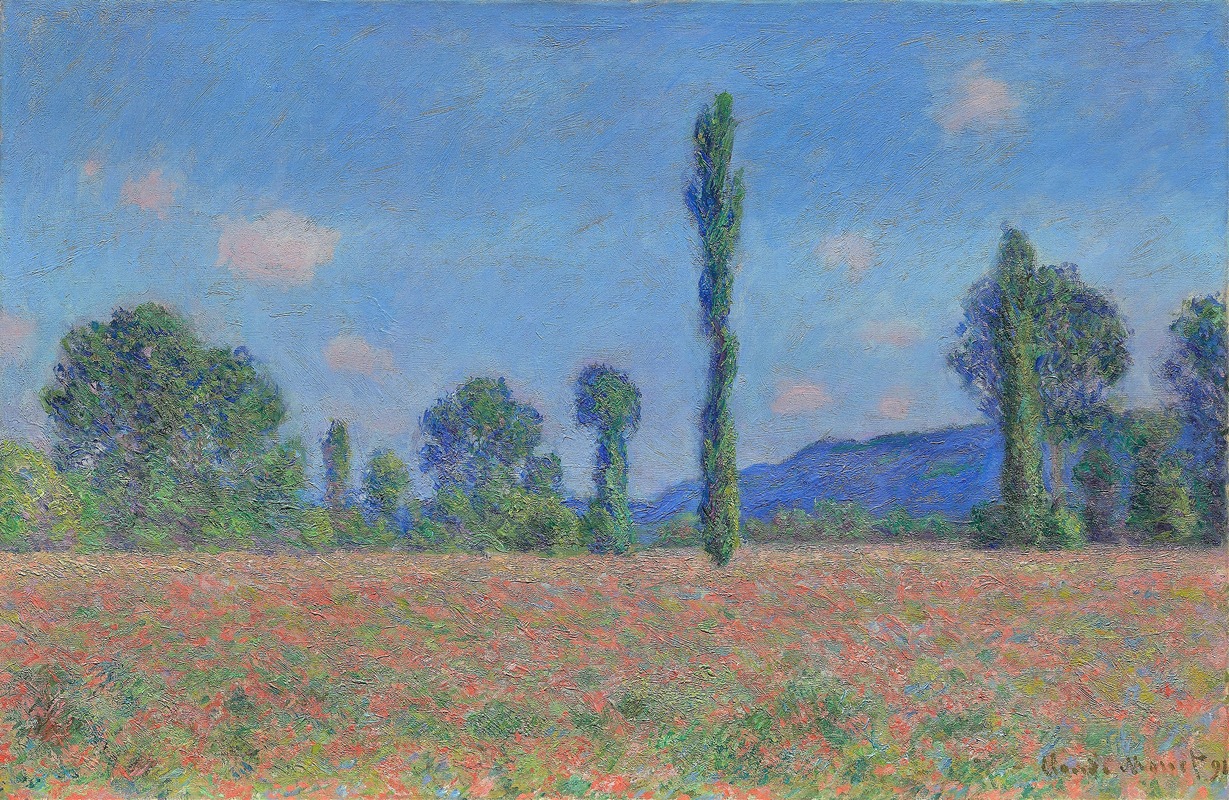
Poppy Field (Giverny)
Claude Monet
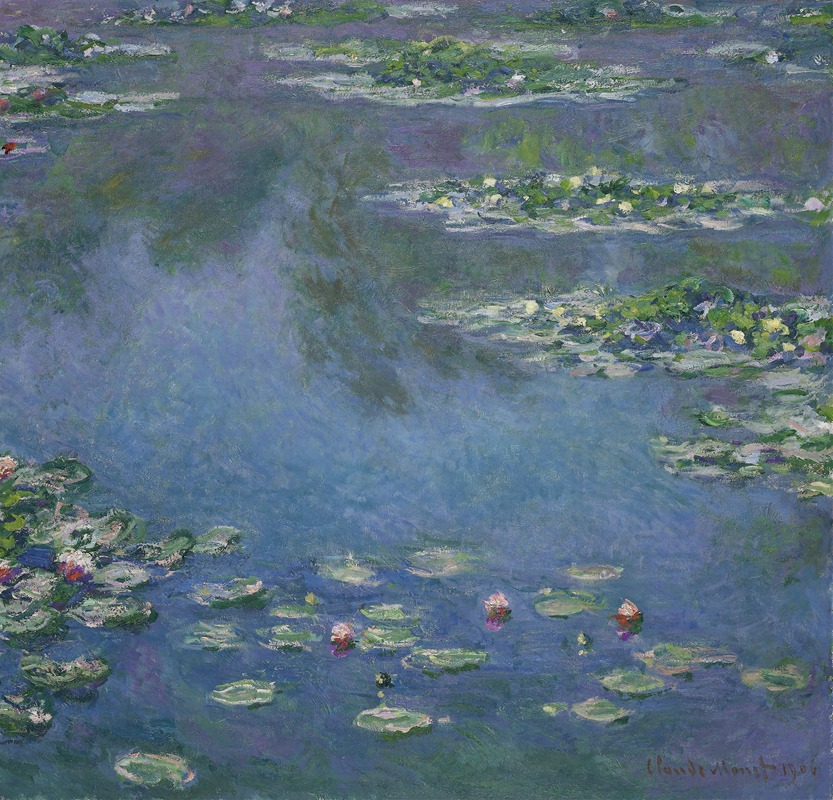
Water Lilies
Claude Monet

Nymphéas
Claude Monet
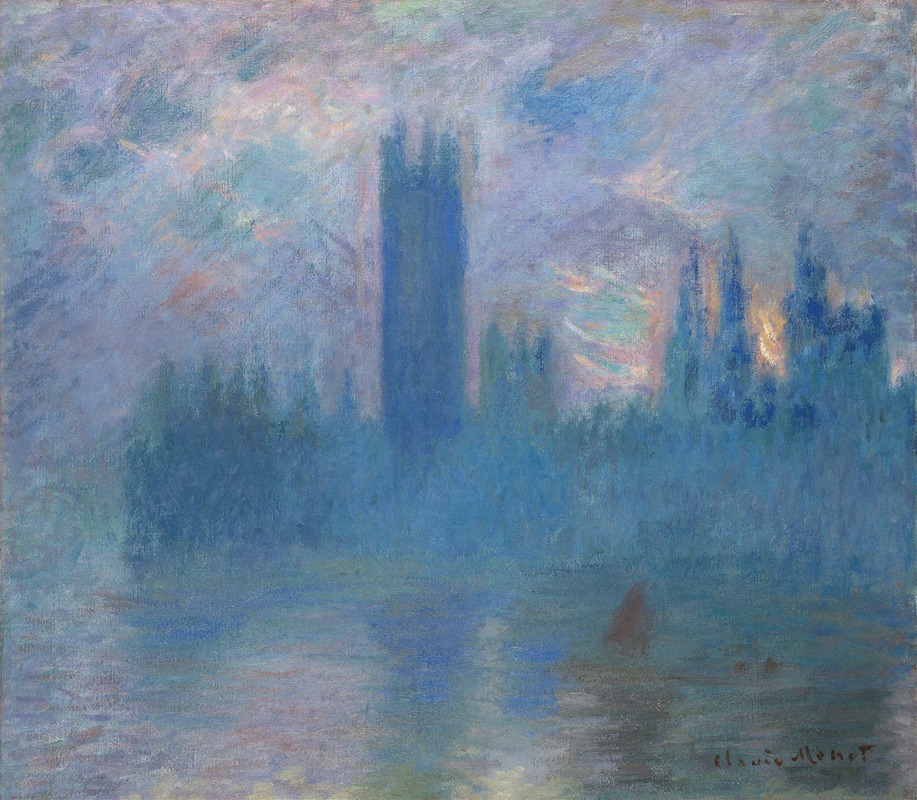
Houses of Parliament, London
Claude Monet
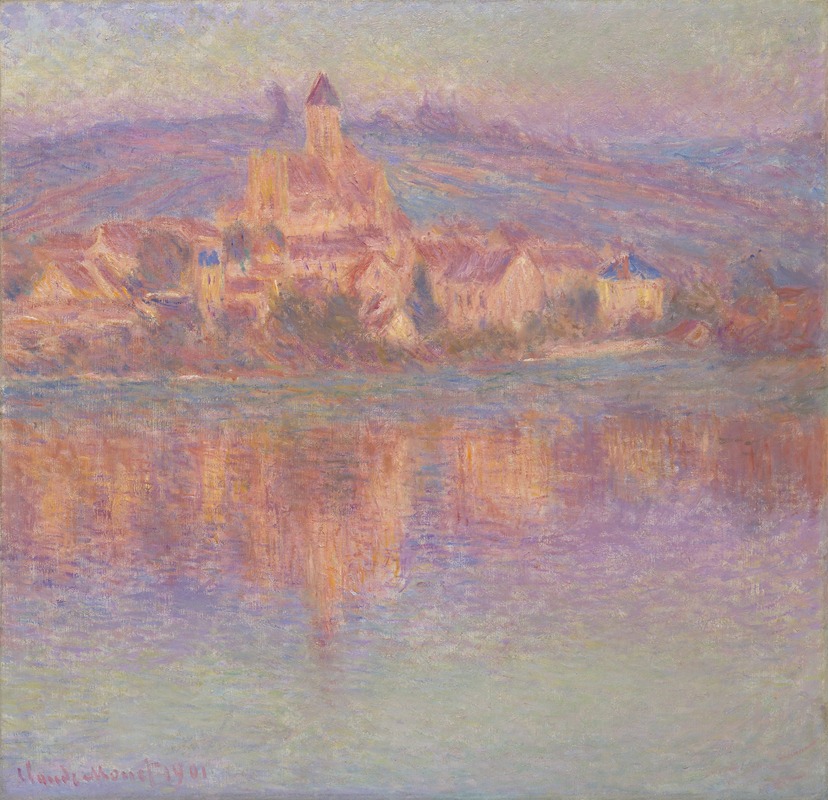
Vétheuil
Claude Monet
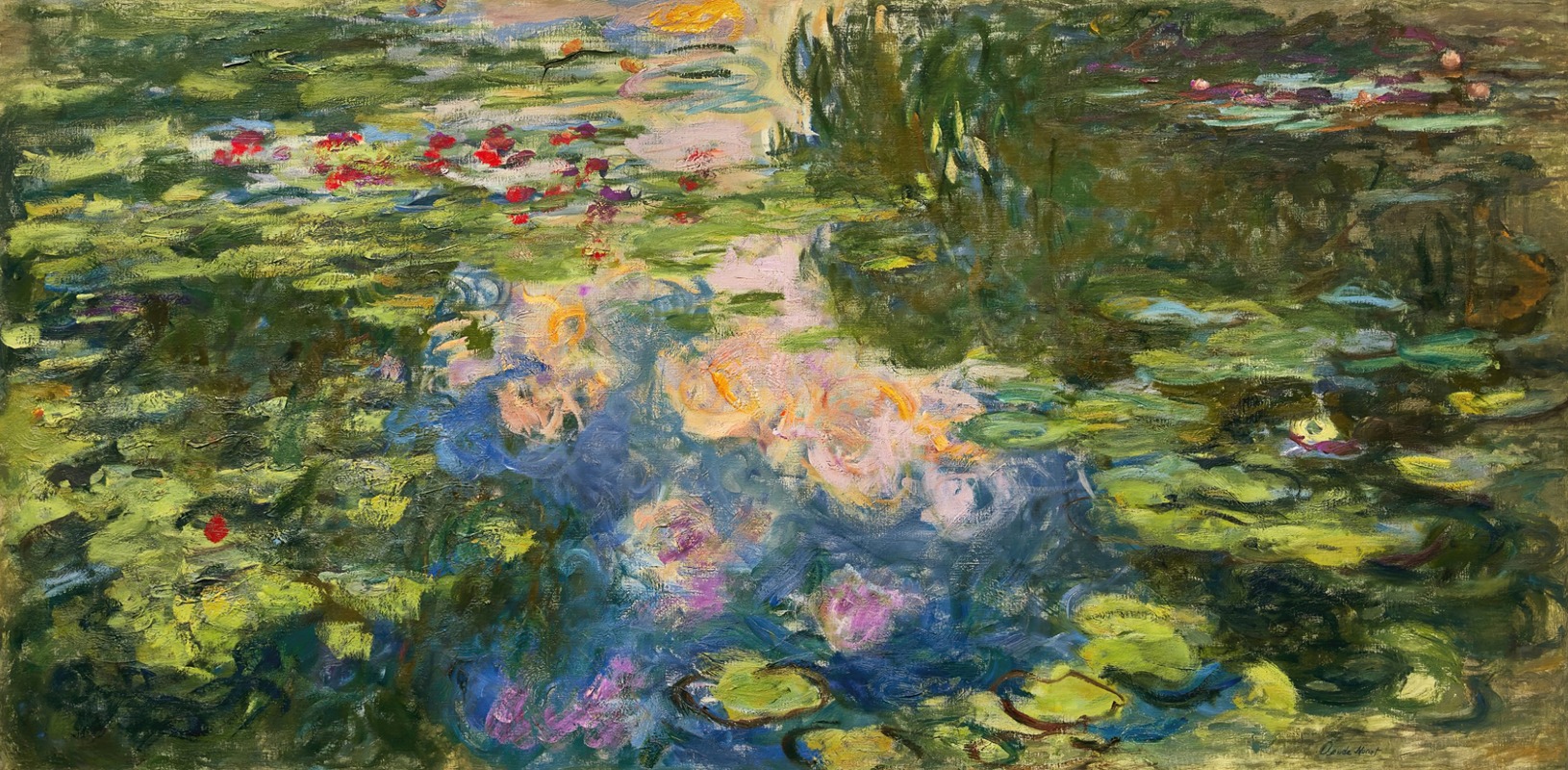
Le Bassin aux nymphéas
Claude Monet
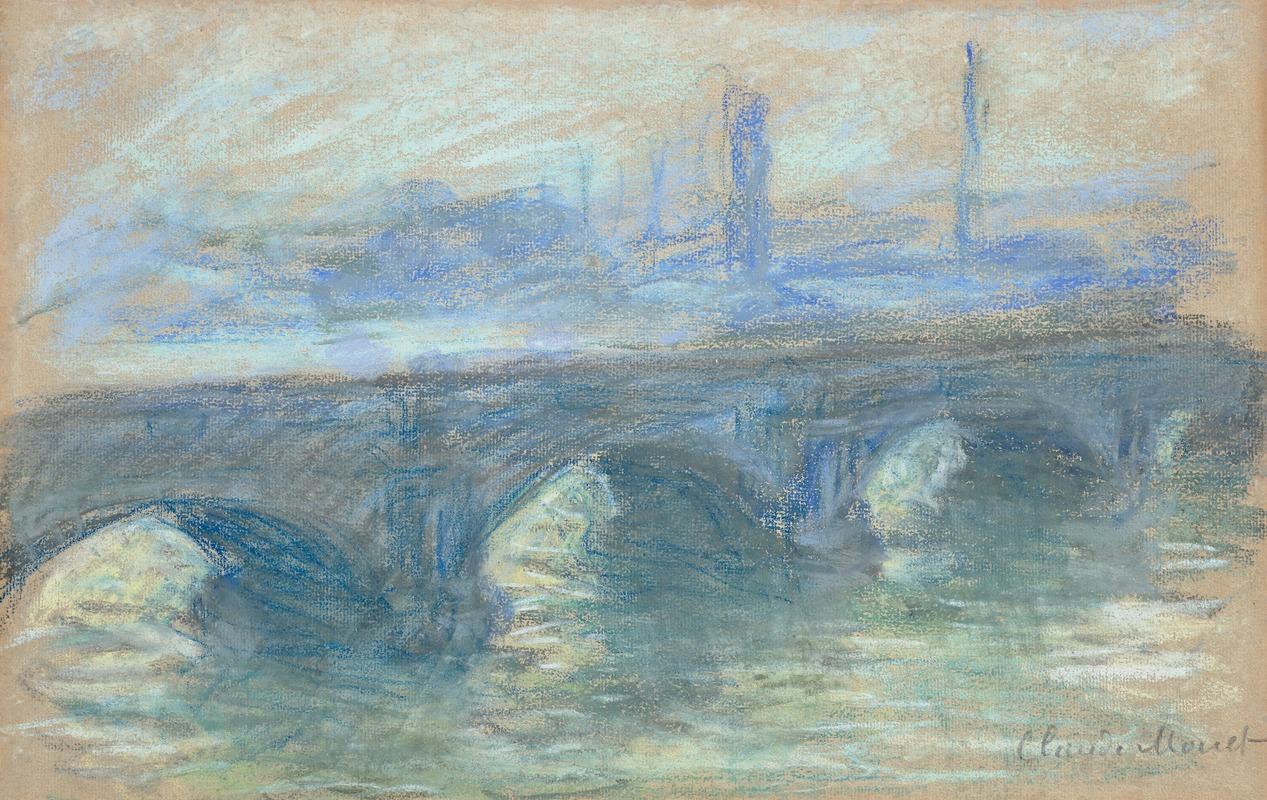
Waterloo Bridge
Claude Monet

Printemps à Giverny, effet d’après-midi
Claude Monet