
Eglise Saint Maclon — History & Facts
Can paint confess what words never could? In Eglise Saint Maclon, vibrant hues and intricate forms weave a silent narrative, inviting us to explore the unspoken emotions of the scene. Look closely at the bold strokes of greens and blues that dominate the foreground, where the church’s stoic silhouette rises against an ethereal sky. Notice how the light dances on the textured surfaces, illuminating details that might otherwise escape notice. The interplay between shadow and brilliance creates a sense of time caught in stillness, each element carefully considered, guiding the viewer’s gaze deeper into the essence of the architecture. The juxtaposition between the solidity of the church and the fluidity of the surrounding landscape evokes a tension between permanence and transience.
Small figures in the distance hint at life, yet their anonymity reinforces a feeling of isolation, as if the church stands sentinel over the world, both inviting and forbidding. This tension resonates throughout the color palette, where warm tones clash with cool shades, reflecting the duality of sanctuary and solitude. Auguste Louis Lepère created this piece in 1896 while living in France, a time when Impressionism was evolving, and artists sought to capture fleeting moments of light and atmosphere. Lepère, influenced by the techniques of his contemporaries, sought to bridge the gap between traditional representation and modern expression, seeking depth in both color and form as he documented the world around him.
More Artworks by Auguste Louis Lepère
Browse all →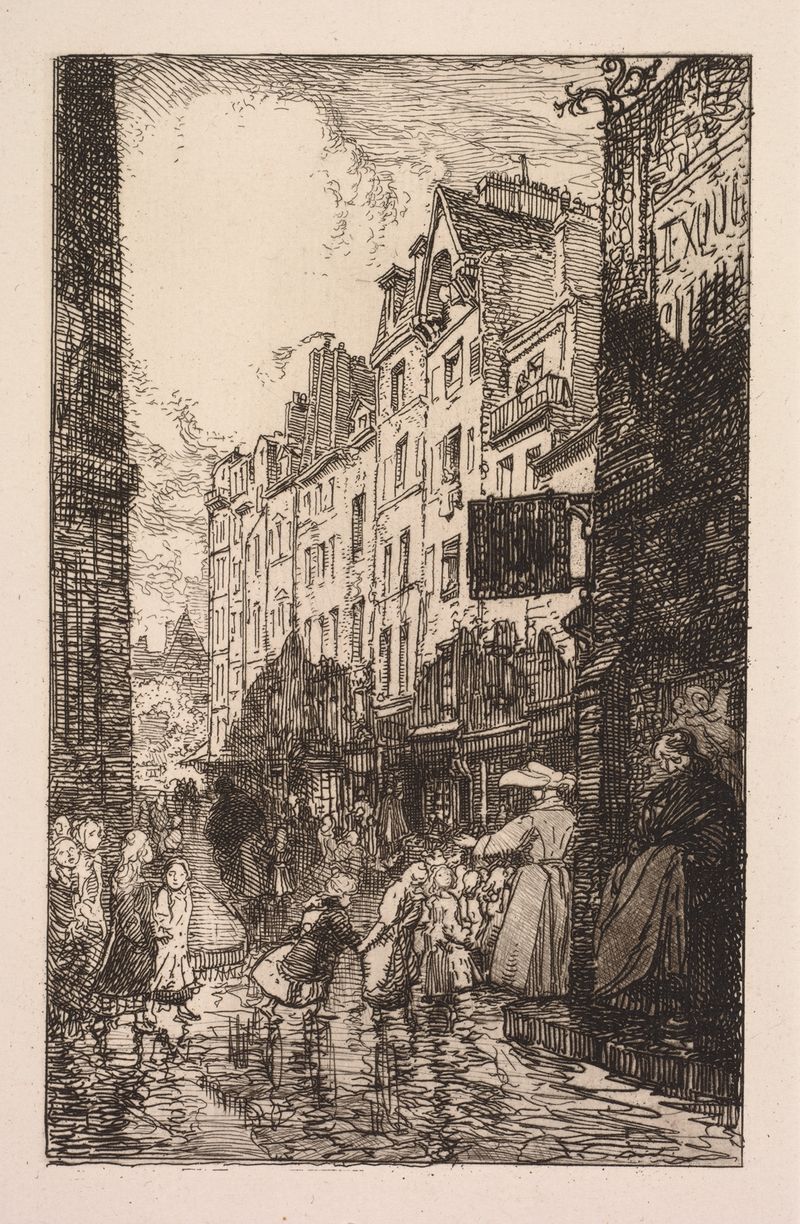
La Rue des Prêtres Saint-Séverin
Auguste Louis Lepère
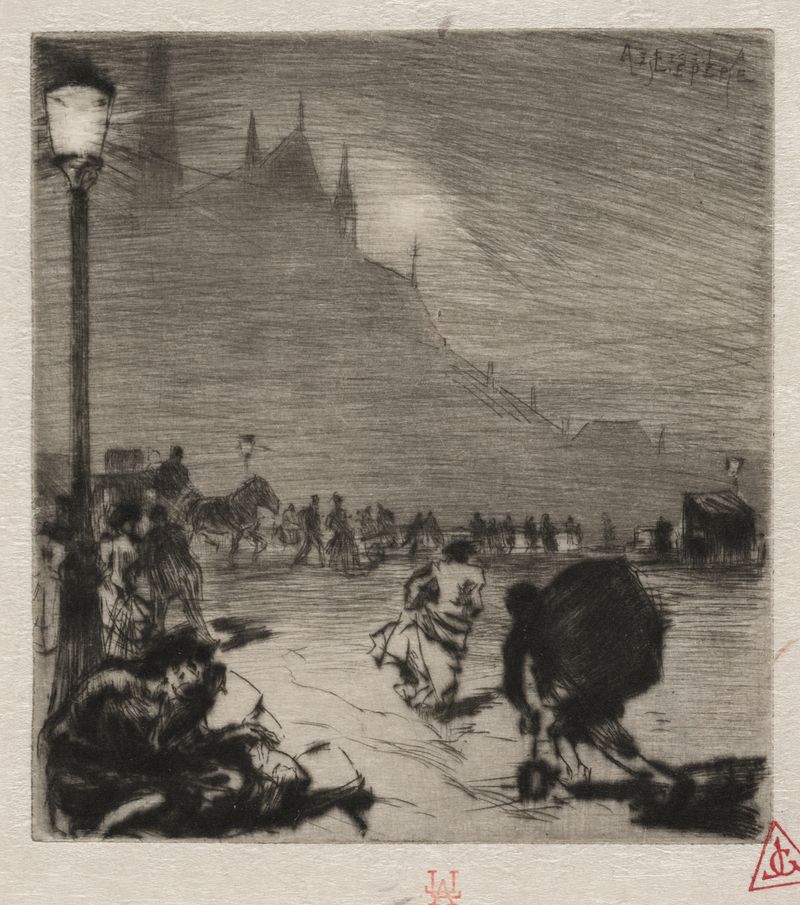
Au Coin du Pont-aux-Doubles
Auguste Louis Lepère
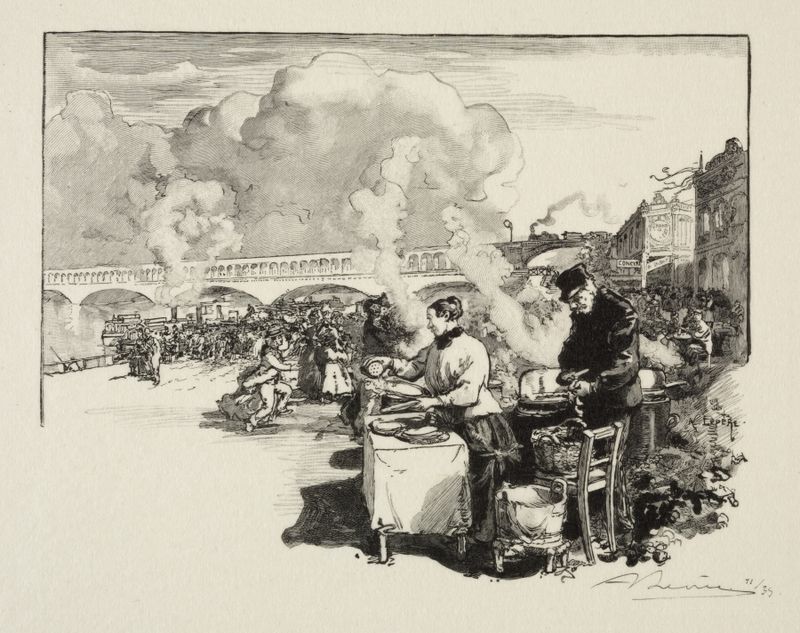
Debarcadère des bateaux-omnibus
Auguste Louis Lepère

La Seine, au quai de la Rapée
Auguste Louis Lepère
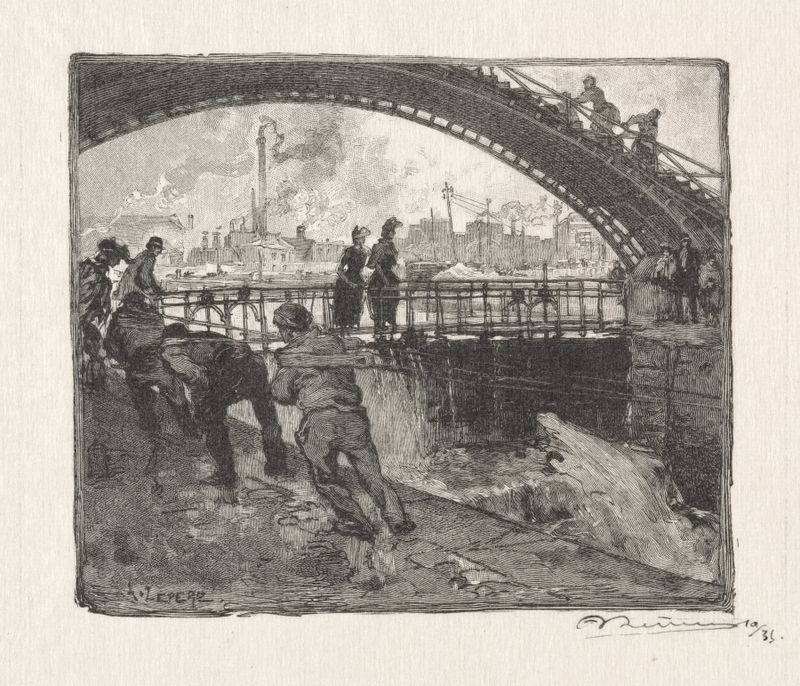
L’Ecluse du Canal St. Martin
Auguste Louis Lepère

Le Boulevard Montmartre, le Soir
Auguste Louis Lepère

Une Chasse au Mont Gérard
Auguste Louis Lepère
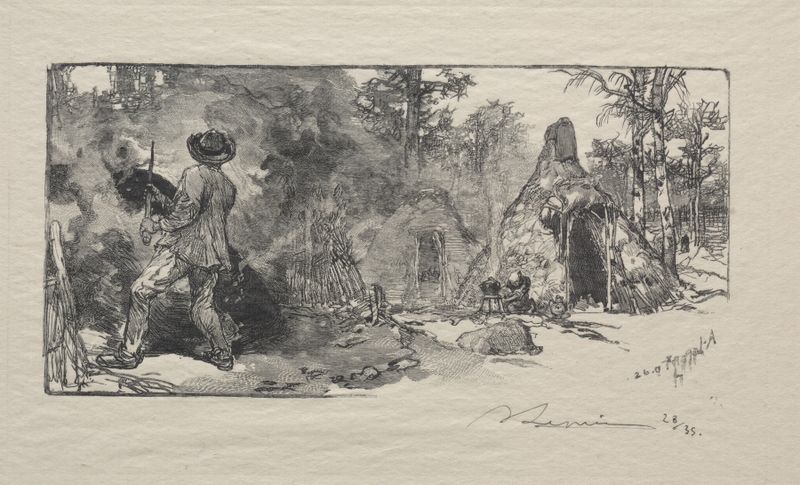
Les Charbonniere
Auguste Louis Lepère
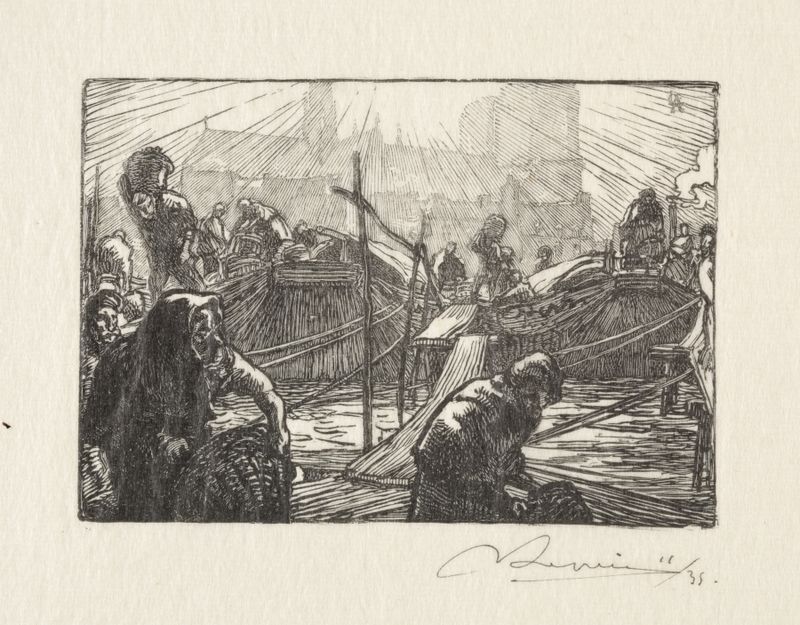
Notre Dame vue du Marché aux pommes
Auguste Louis Lepère

Le Palais des Arts Liberaux, Intèrieur
Auguste Louis Lepère
More Architecture Art
Browse all →
The statue of Liberty
Frédéric Auguste Bartholdi

View of Houses in Delft, Known as ‘The Little Street’
Johannes Vermeer

View of Houses in Delft, Known as ‘The Little Street’
Johannes Vermeer

The Cathedral in Rouen. The portal, Grey Weather
Claude Monet

The yellow house
Vincent van Gogh

The Church in Auvers-sur-Oise, View from the Chevet
Vincent van Gogh