
Eglise Saint Ouen — History & Facts
Could a single brushstroke hold eternity? In Eglise Saint Ouen, the intricate dance of light and shadow seems to suggest that every fleeting moment is imbued with profound significance—an obsession with capturing the essence of a place that resonates beyond time. Look to the foreground, where the textured strokes of earth-toned hues form a rich tapestry of brick and stone, guiding your gaze towards the church's towering facade. Notice how the light filters through the trees, casting gentle dapples of illumination that play against the intricate details of the building. The dynamic composition, with its upward thrust, draws you into the sacred space, inviting contemplation and reverence. Yet, as you delve deeper, consider the interplay between the vibrant life surrounding the church and the stillness of the structure itself.
The lively brushwork in the trees contrasts sharply with the solidity of the stone, evoking a tension between the ephemeral and the eternal. This duality captures the artist's obsession with the church not merely as a subject, but as a symbol of unyielding faith amid the transient nature of existence. In 1896, Lepère was immersed in the world of Impressionism, living in France during a time of artistic innovation and cultural upheaval. His works were often characterized by a deep appreciation for urban and rural landscapes, reflecting a desire to encapsulate both beauty and the passage of time.
This was a period when art was evolving rapidly, and his focus on light, texture, and atmosphere marked a significant contribution to the movement.
More Artworks by Auguste Louis Lepère
Browse all →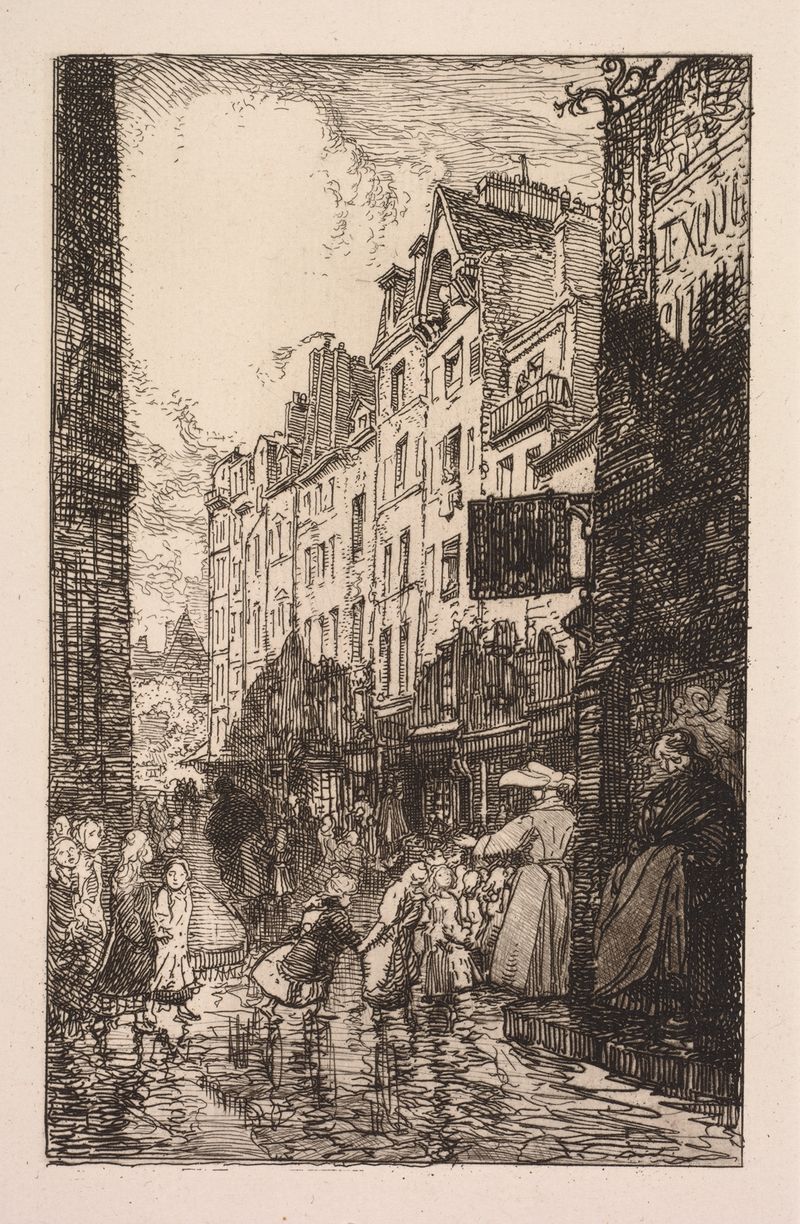
La Rue des Prêtres Saint-Séverin
Auguste Louis Lepère
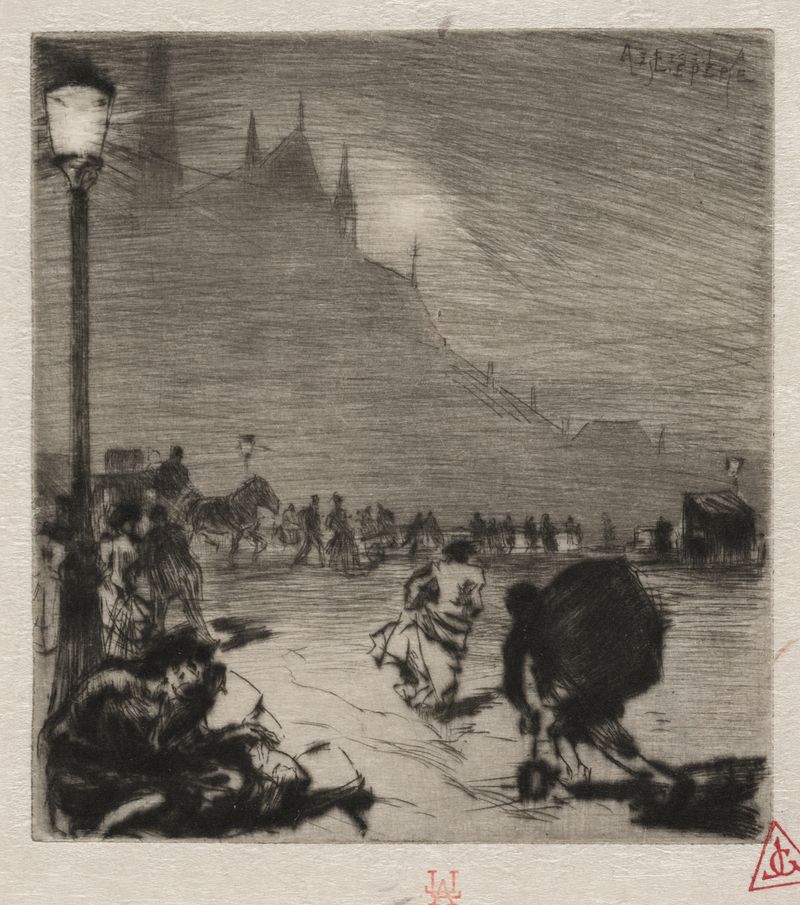
Au Coin du Pont-aux-Doubles
Auguste Louis Lepère
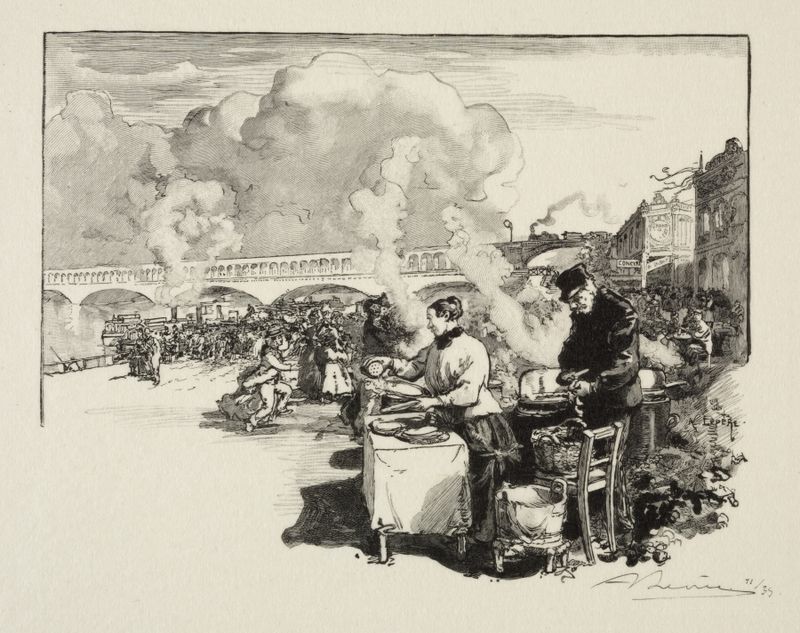
Debarcadère des bateaux-omnibus
Auguste Louis Lepère

La Seine, au quai de la Rapée
Auguste Louis Lepère
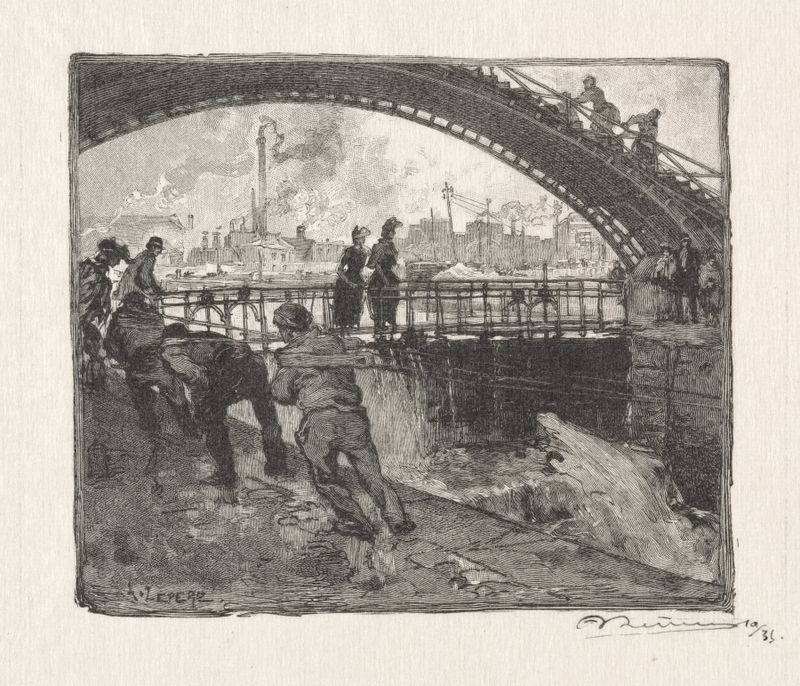
L’Ecluse du Canal St. Martin
Auguste Louis Lepère

Le Boulevard Montmartre, le Soir
Auguste Louis Lepère

Une Chasse au Mont Gérard
Auguste Louis Lepère
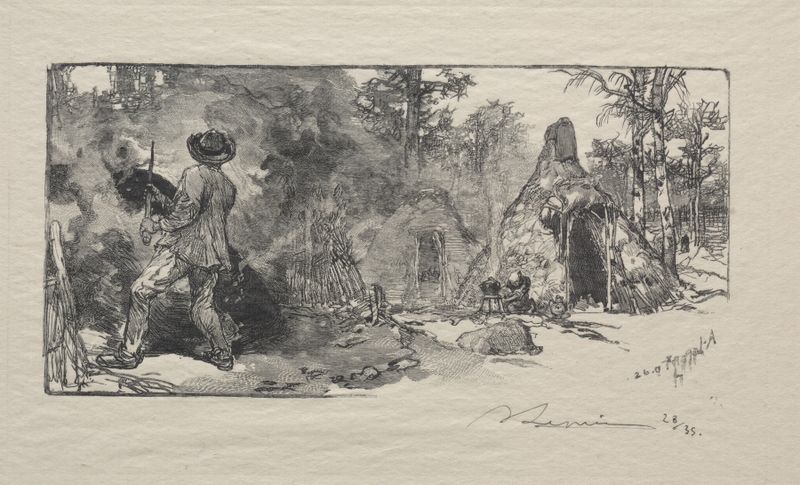
Les Charbonniere
Auguste Louis Lepère
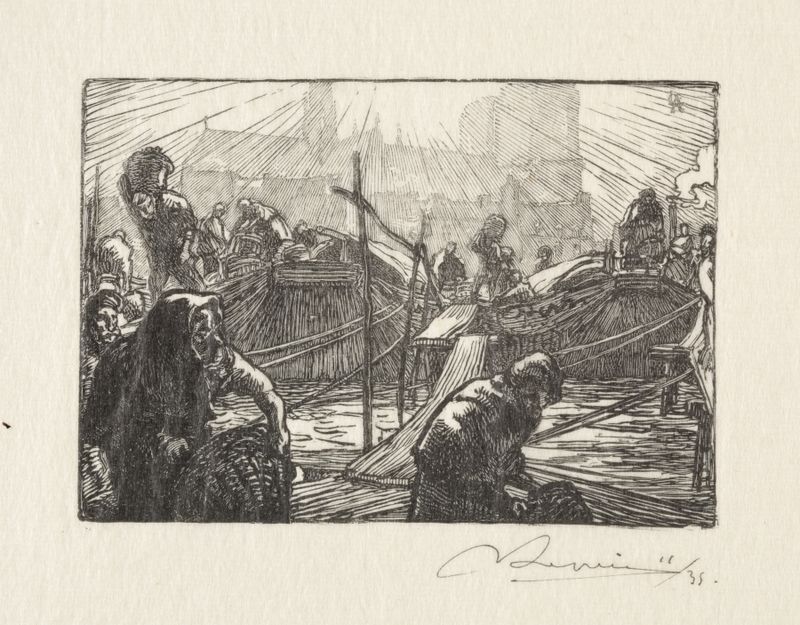
Notre Dame vue du Marché aux pommes
Auguste Louis Lepère

Le Palais des Arts Liberaux, Intèrieur
Auguste Louis Lepère
More Architecture Art
Browse all →
The statue of Liberty
Frédéric Auguste Bartholdi

View of Houses in Delft, Known as ‘The Little Street’
Johannes Vermeer

View of Houses in Delft, Known as ‘The Little Street’
Johannes Vermeer

The Cathedral in Rouen. The portal, Grey Weather
Claude Monet

The yellow house
Vincent van Gogh

The Church in Auvers-sur-Oise, View from the Chevet
Vincent van Gogh