
Egoda no tsuki — History & Facts
Did the painter know this moment would outlive them? A delicate balance of shadow and moonlight, Egoda no tsuki captures a fleeting tranquility that whispers of eternity. Look to the center of the piece, where the luminous full moon casts its silvery glow over the serene waters of Egoda. Notice how the reflections ripple across the surface, a gentle interplay of light and dark that draws the eye into a contemplative gaze. The brushwork is finely detailed, with soft hues of blue and grey mingling in the night sky, while the silhouettes of trees frame the scene, creating a striking contrast against the luminous orb above. Beneath the beauty lies a profound tension; the shadows cast by the trees evoke a sense of mystery and unresolved stories lurking at the edges of the painting.
The stillness of the water alludes to both peace and the depths of uncertainty, as if the moon itself is a guardian of secrets. This juxtaposition of light and shadow invites the viewer to ponder what lies unseen, hinting at a fragile balance between the known and the unknown. Takahashi Hiroaki painted Egoda no tsuki during the early 20th century, a time marked by a flourishing of ukiyo-e prints and modern influences in Japan. Living in a rapidly changing world, he embraced the traditional techniques while infusing them with contemporary themes.
The painting reflects both a reverence for nature and a desire to capture transient moments, echoing the transformation of Japanese art in a modern context.
More Artworks by Takahashi Hiroaki
Browse all →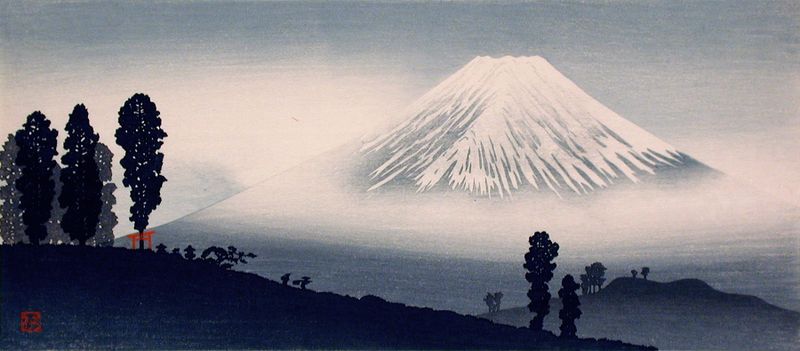
Mount Fuji
Takahashi Hiroaki

Mount Fuji seen near Tamaho, Dawn
Takahashi Hiroaki
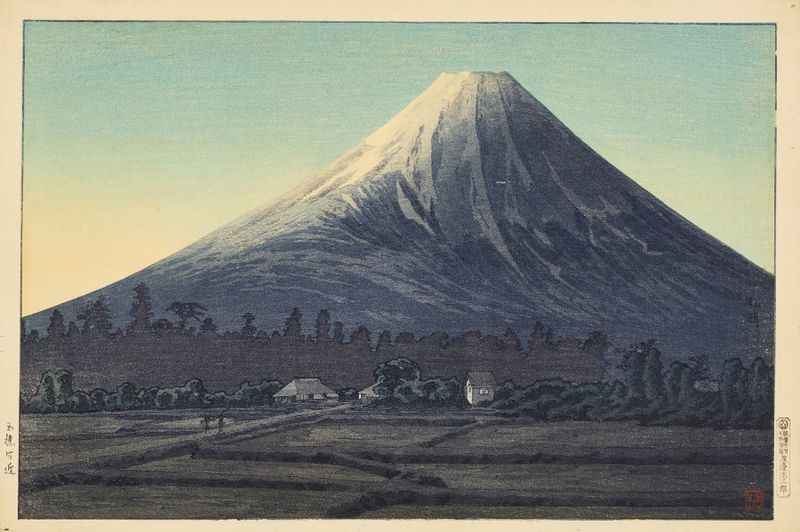
Mount Fuji seen near Tamaho, day
Takahashi Hiroaki
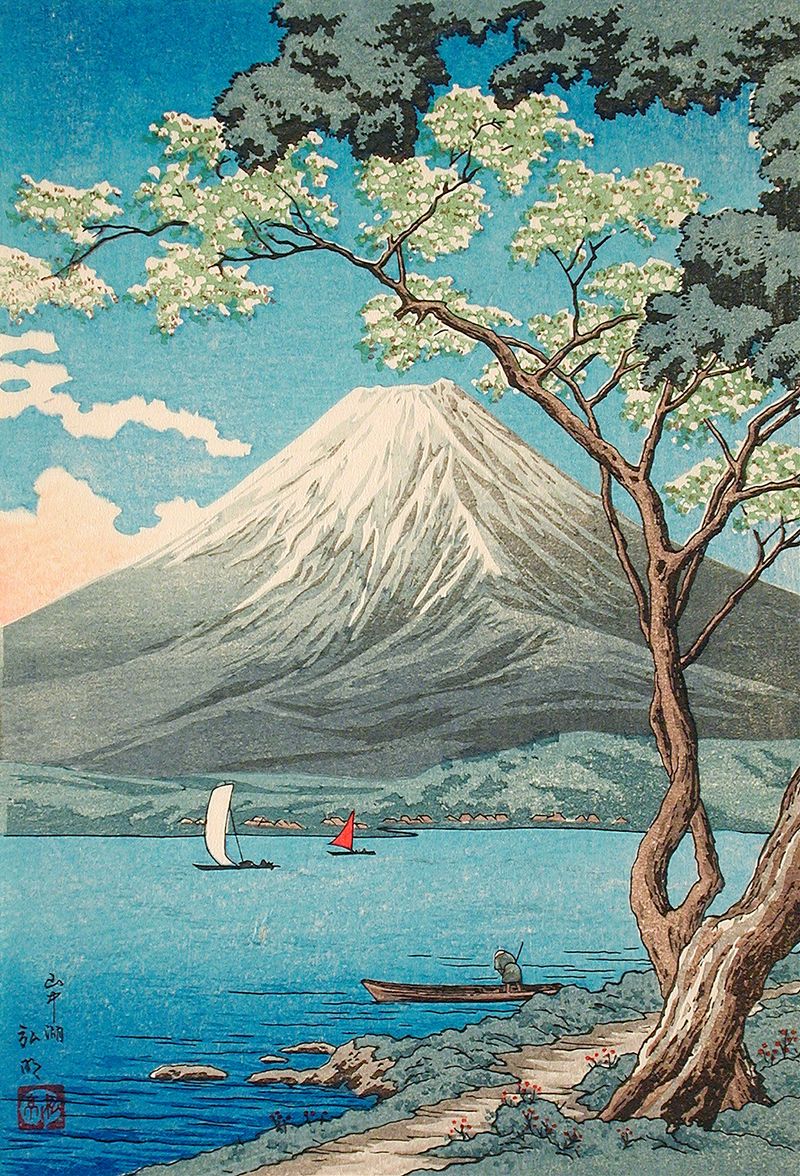
Mount Fuji from Lake Yamanaka
Takahashi Hiroaki

Mt. Fuji from Tagonoura, Snow Scene
Takahashi Hiroaki
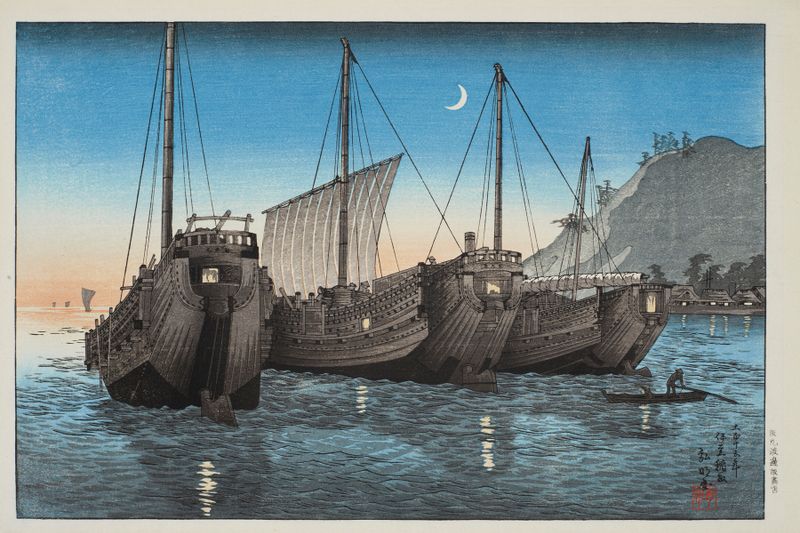
Junks in Inatori Bay, Izu
Takahashi Hiroaki

Izumibashi no ame
Takahashi Hiroaki
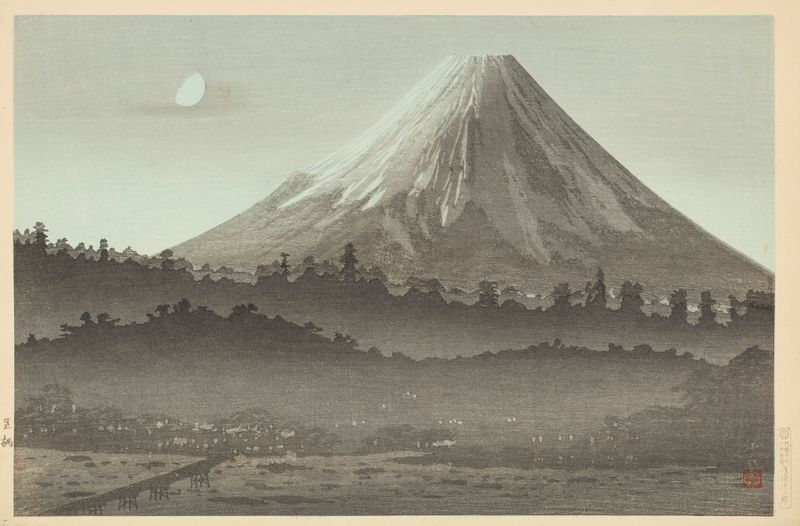
Mount Fuji seen near Tamaho, Night
Takahashi Hiroaki

Fishing nets at Tsukuda
Takahashi Hiroaki
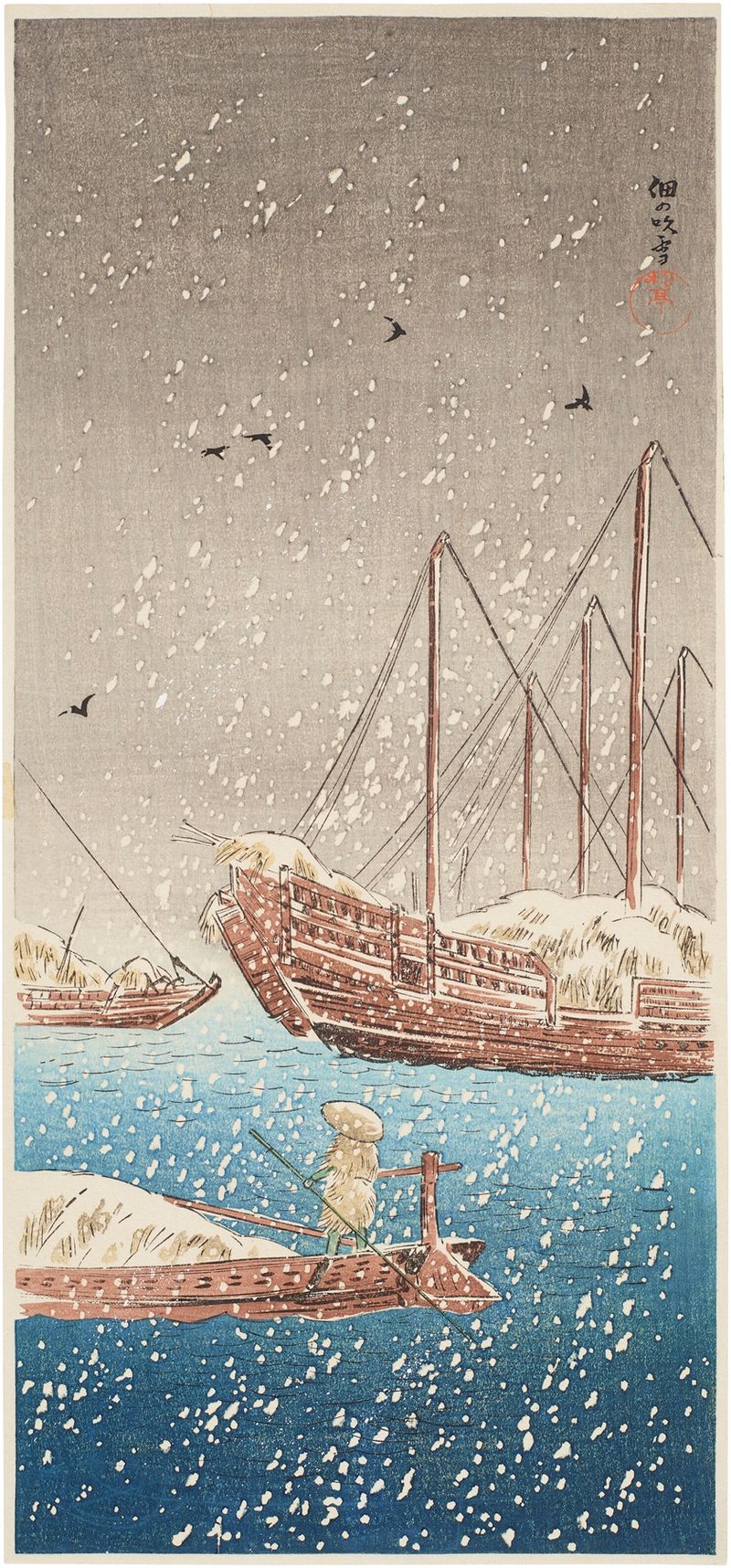
Tsukuda no fubuki
Takahashi Hiroaki





